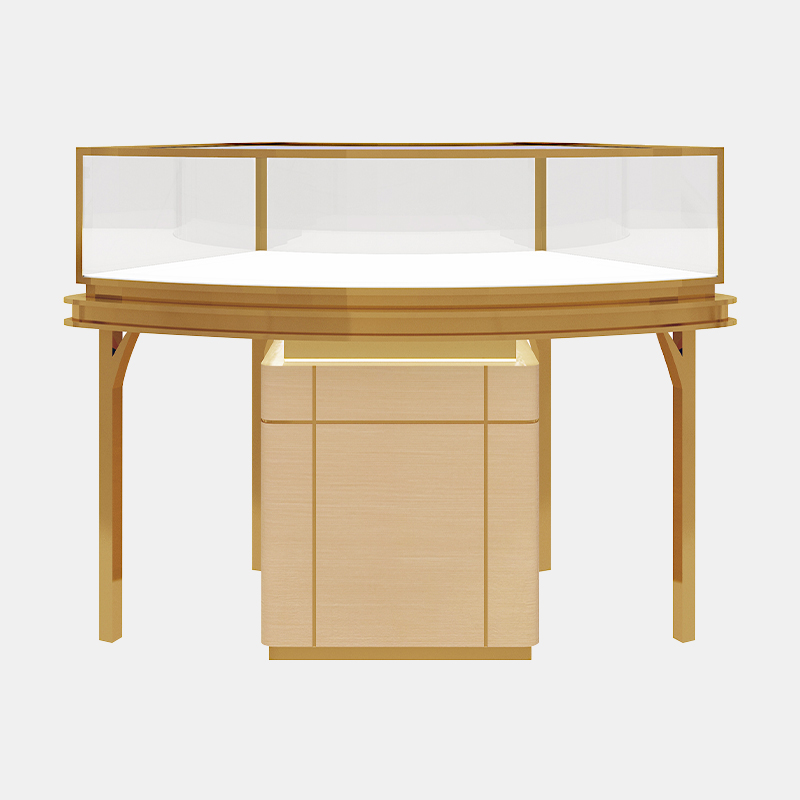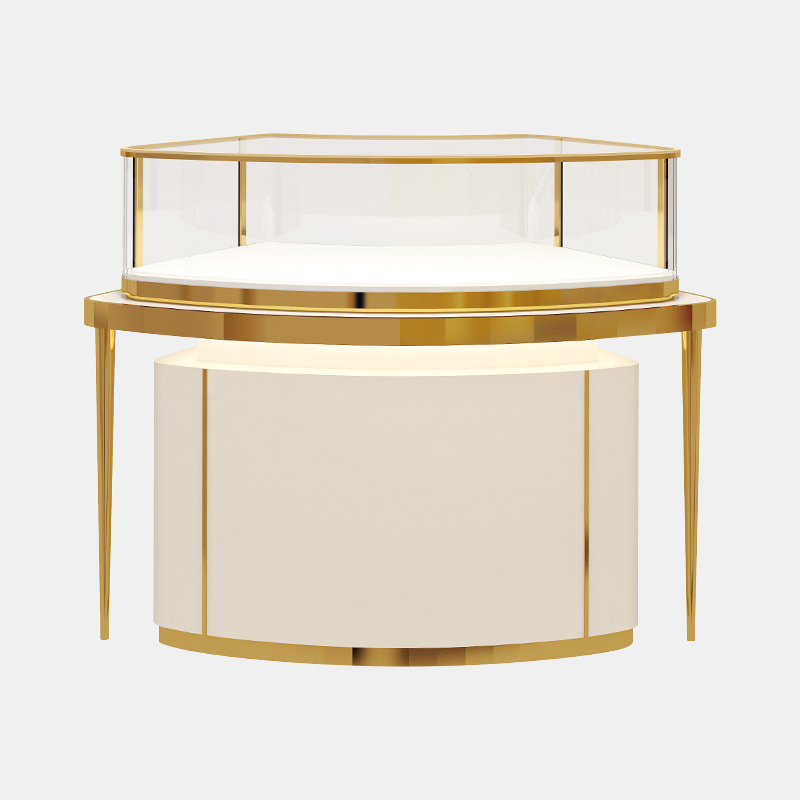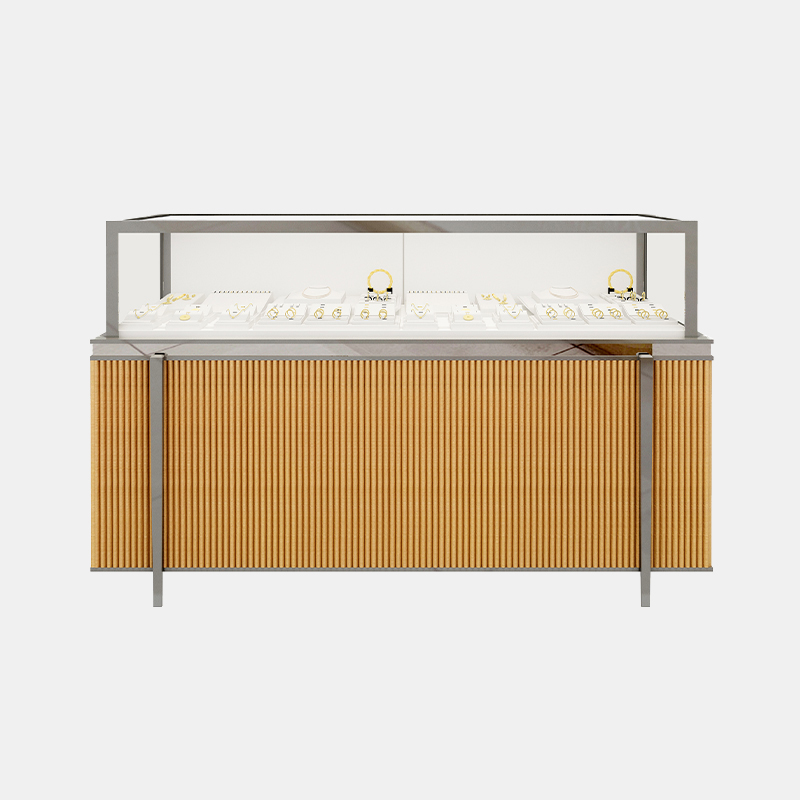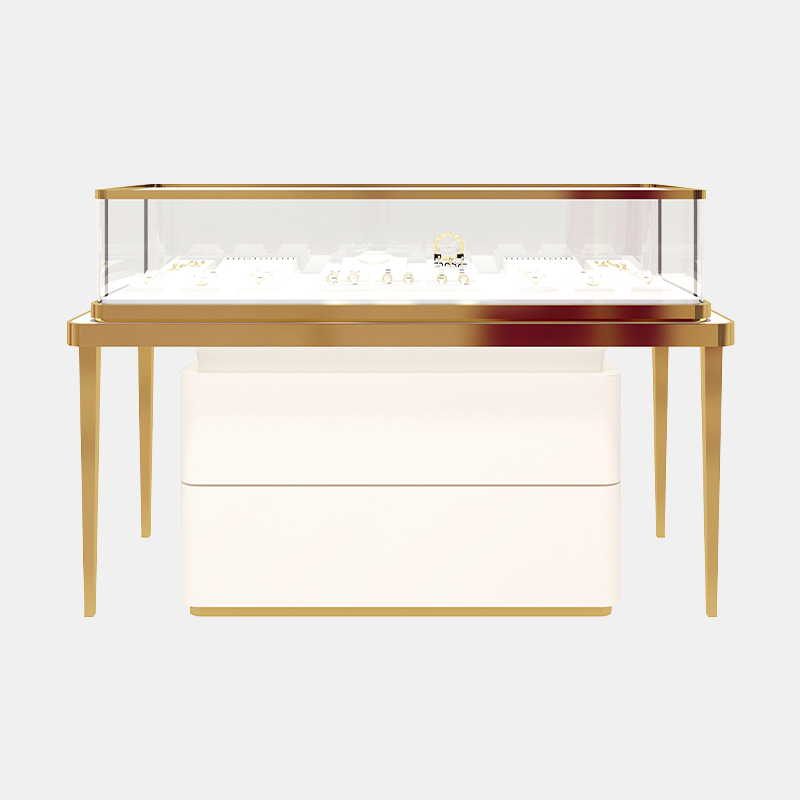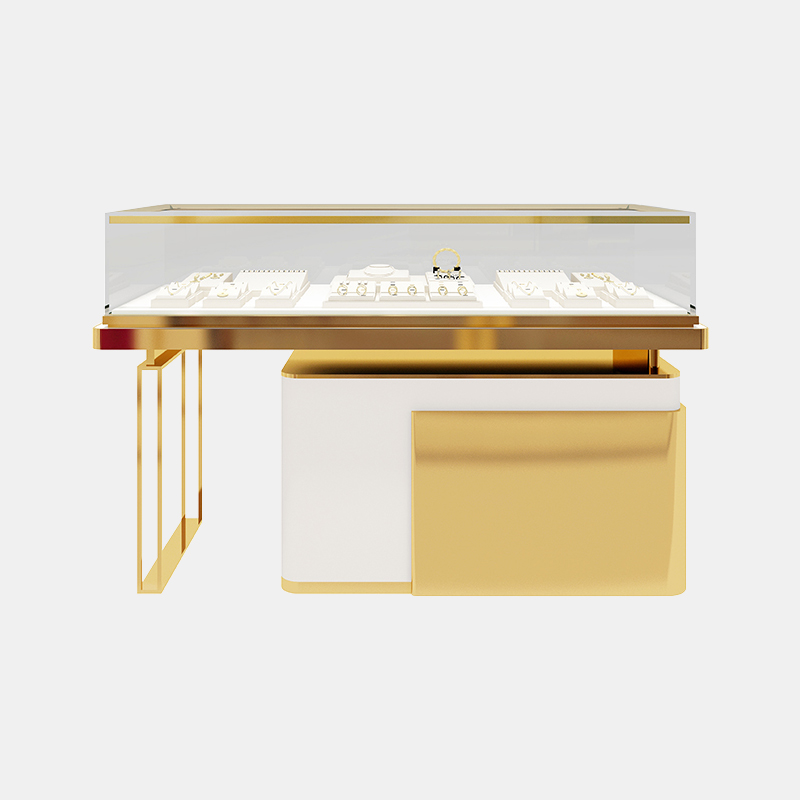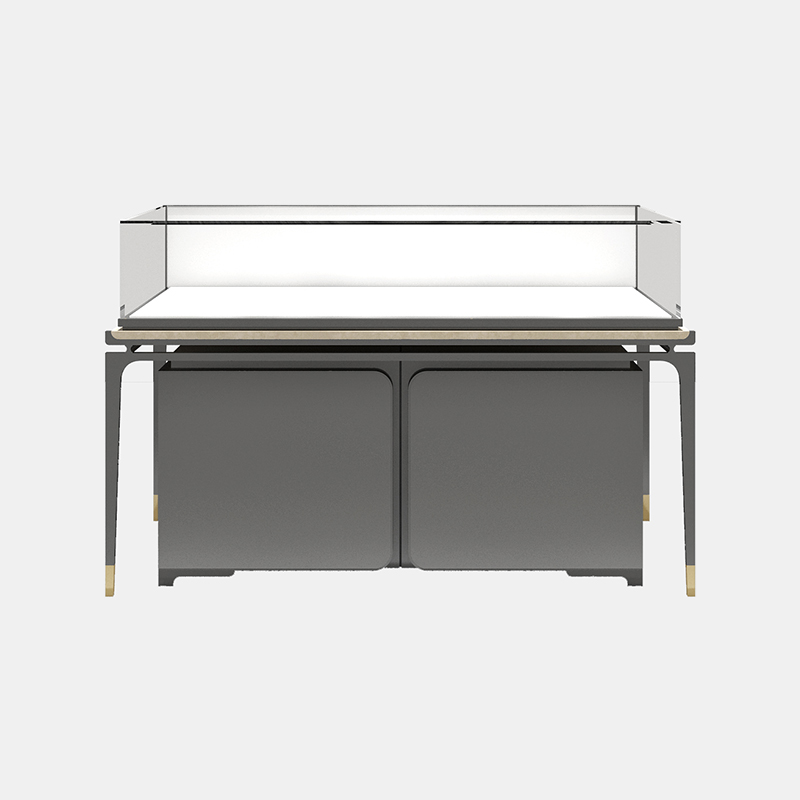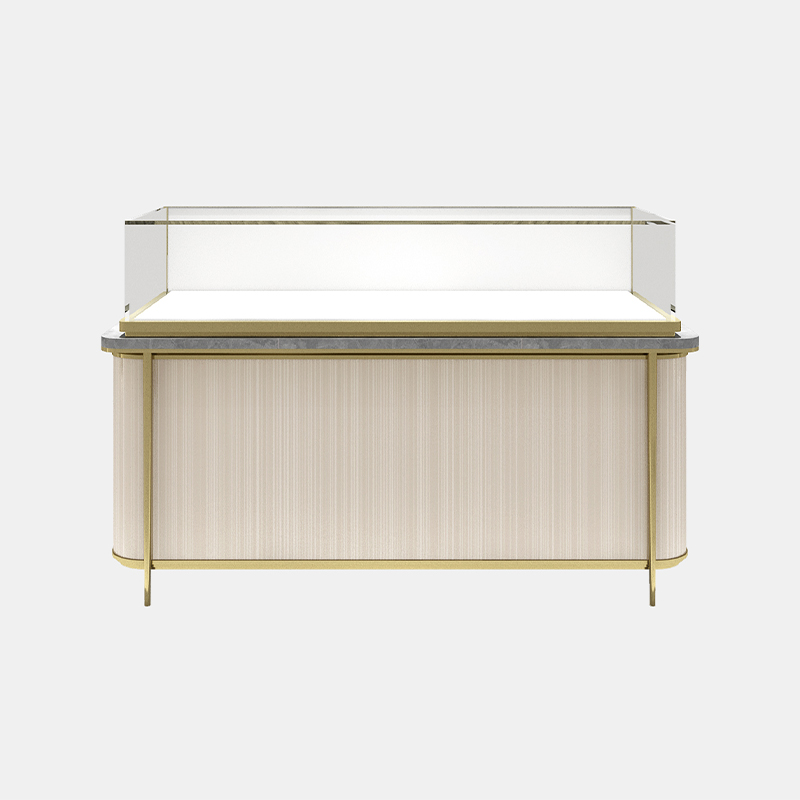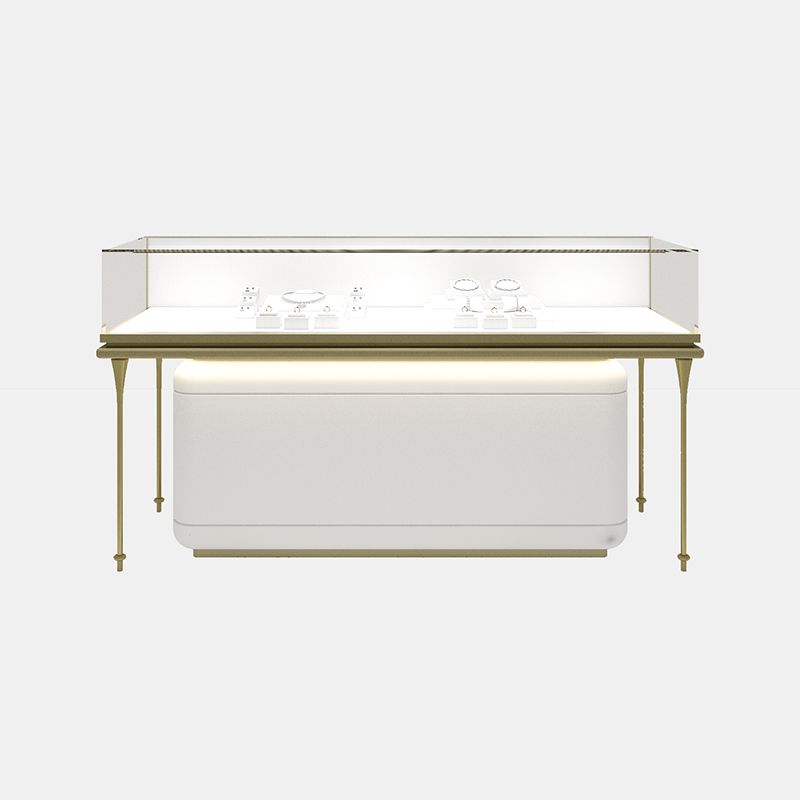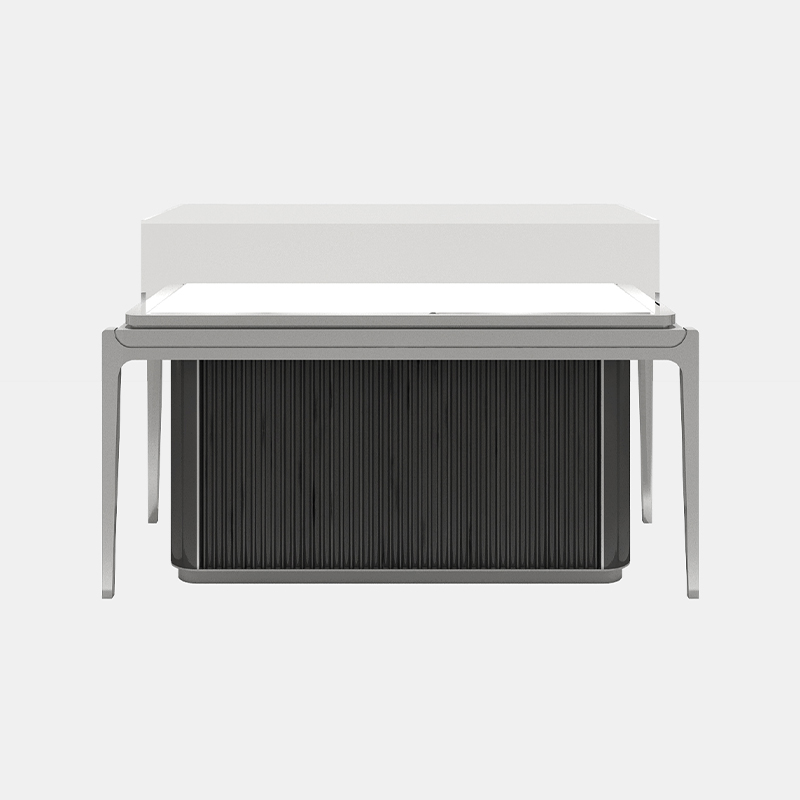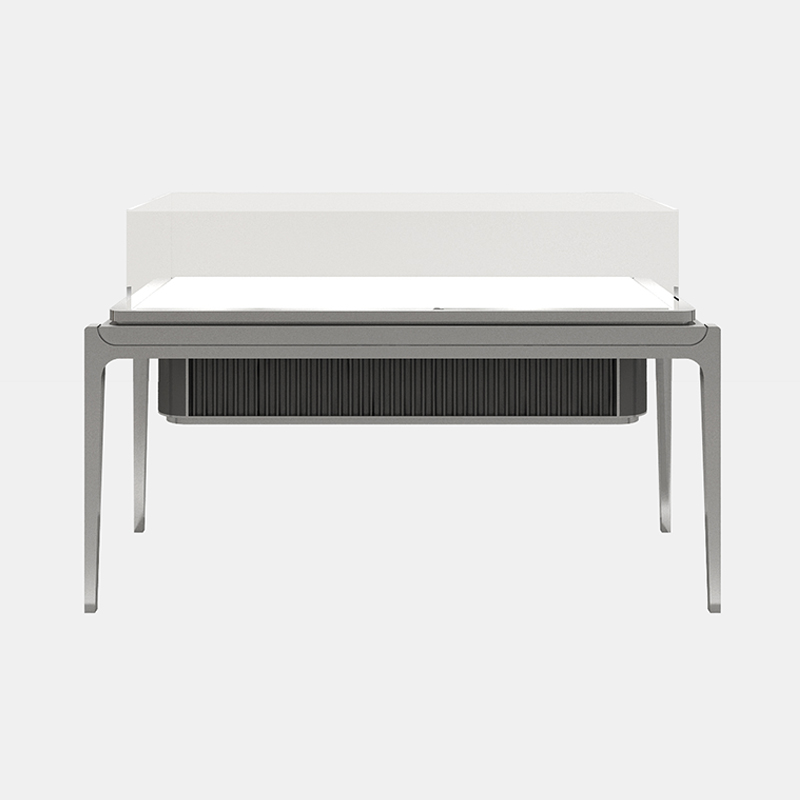
Museums are important places for preserving and displaying human history, culture, art, and natural heritage. Whether it's historical relics, art treasures, or scientific specimens, these exhibits need proper protection to prevent them from being affected by environmental factors, touching, or external damage during exhibitions. Therefore, the design and function of museum display cabinets are particularly important. Museum display cabinets are not only for display but must also have multiple functions to protect exhibits.
1. Functions and Design Elements of Museum Display Cabinets
Museum display cabinets are not only containers for displaying exhibits, but they must also meet a series of protection requirements. Their design mainly includes the following elements:
(1) Prevention of Physical Damage
Exhibits are often threatened by physical damage, such as collisions, drops, and improper handling. To prevent these damages, the design of museum display cabinets usually includes the following aspects:
Strengthened Structure: The frame of a museum display cabinet is generally made of sturdy materials, such as steel, aluminum, or solid wood, to ensure that the display cabinet can withstand a certain amount of pressure and impact. The doors, bottom, and sides of display cases are often equipped with reinforcing plates to ensure stability.
Shockproof Design: To prevent exhibits from being damaged by vibration or external disturbances inside the display case, many museum display cases employ shockproof technologies, such as installing cushioning pads and seismic supports. These designs help mitigate the impact of ground vibrations on exhibits, especially in earthquake-prone areas or areas with heavy traffic.
(2) Prevention of Environmental Pollution
Exhibits exposed to adverse environmental conditions for extended periods are easily contaminated, affecting their appearance and preservation. Museum display cases are designed with particular attention to the following aspects:
Airtight Sealing: High-quality museum display cases typically have excellent airtightness, effectively isolating harmful substances in the external air, such as dust, smoke, and moisture. This airtightness helps protect sensitive artworks or artifacts, especially materials easily contaminated by the environment, such as paper, silk, and oil paintings.
Constant Temperature and Humidity Control: Some precious exhibits (such as paper documents, leather goods, and wooden items) are highly sensitive to temperature and humidity. To maintain proper storage conditions, museum display cases may be equipped with temperature and humidity control devices to regulate the internal temperature and humidity, keeping them within a suitable range to prevent exhibits from aging, mildewing, or fading due to environmental changes.
(3) Protection against UV radiation
Ultraviolet (UV) radiation is a major factor damaging many artworks, books, and artifacts, especially materials such as oil paintings, paper, and textiles. UV radiation can cause exhibits to fade, deteriorate, and become brittle. To effectively prevent UV damage, museum display cases are typically equipped with the following protective designs:
UV-protective glass or acrylic panels: The glass or display panels of the display cases usually use special UV-protective materials that can effectively block UV radiation and reduce UV damage to the exhibits.
LED lighting: Traditional incandescent and fluorescent lamps emit large amounts of UV radiation, while LED lights emit almost no UV radiation. Therefore, many modern museum display cases use LED lighting to ensure display effects while avoiding UV damage to the exhibits.
(4) Prevention of contact and external interference
Contact is one of the common causes of damage to exhibits, especially for fragile or valuable items. A crucial aspect of museum display case design is preventing direct contact between visitors and external interference with the exhibits.
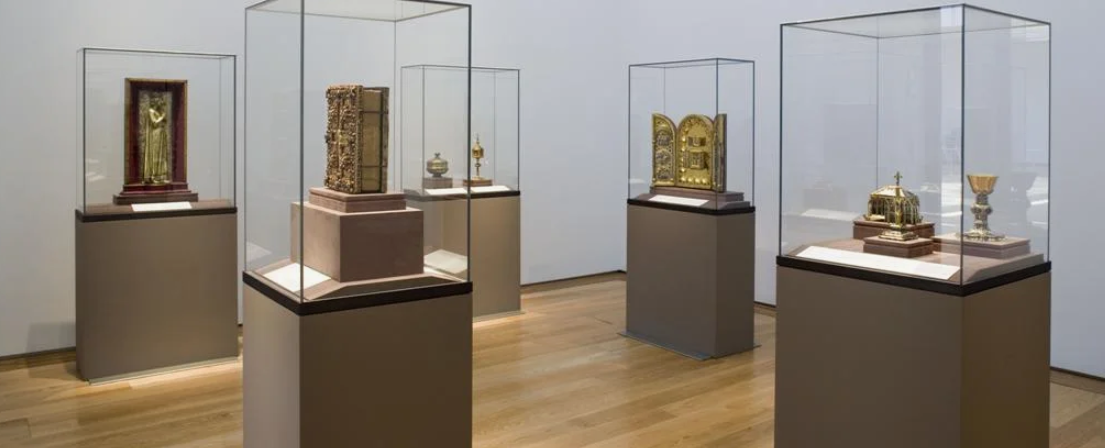
Transparent Protective Covers: To prevent visitors from directly touching the exhibits, museum display cases are typically designed with transparent protective covers. These covers provide ample visual display space while isolating visitors from direct contact with the exhibits.
Locking Systems: Some high-value or extremely precious exhibits require special protection measures. Museum display cases are generally equipped with robust locking systems to ensure that only authorized personnel can enter the case.
(5) Ease of Cleaning and Maintenance
To ensure the long-term preservation of the exhibits, museum display cases also need to be easy to clean and maintain. The materials and design of the display cases usually take into account ease of cleaning:
Smooth, Easy-to-Clean Surfaces: The surface of the display case uses smooth, wear-resistant materials, such as high-strength glass, acrylic, or stainless steel, for easy daily cleaning. Materials that easily accumulate dust or attract pollutants should be avoided.
Adjustable Design: Some museum display cases are equipped with adjustable shelves or display stands so that staff can adjust and maintain them according to the needs of different exhibits.
2. Intelligent Protection of Museum Display Cases
With advancements in technology, museum display cases are increasingly incorporating intelligent technologies to enhance exhibit protection. Here are some common intelligent protection technologies:
(1) Intelligent Monitoring System
Modern museum display cases can be equipped with intelligent monitoring systems that use sensors to monitor key parameters such as temperature, humidity, and air quality inside the case in real time. If abnormal environmental conditions are detected, the system will automatically send an alarm and can be adjusted remotely to ensure optimal protection of the exhibits.
(2) Automatic Lighting and Environmental Control
Some high-end museum display cases are equipped with automatic lighting and environmental control systems that automatically adjust temperature, humidity, and light intensity based on the characteristics of the exhibits and changes in the surrounding environment. This intelligent control significantly reduces human error and ensures the long-term safety of the exhibits.
The design of museum display cases is not only for showcasing beautiful artworks or precious cultural relics, but also for ensuring their long-term protection. Through scientific design and modern technology, museum display cases can effectively prevent damage to exhibits from physical damage, environmental pollution, ultraviolet radiation, and contact, providing strong protection for the museum's treasured cultural relics and artworks.


 ਪੰਜਾਬੀ
 English
 عربى
عربى русский
 中文简体
中文简体