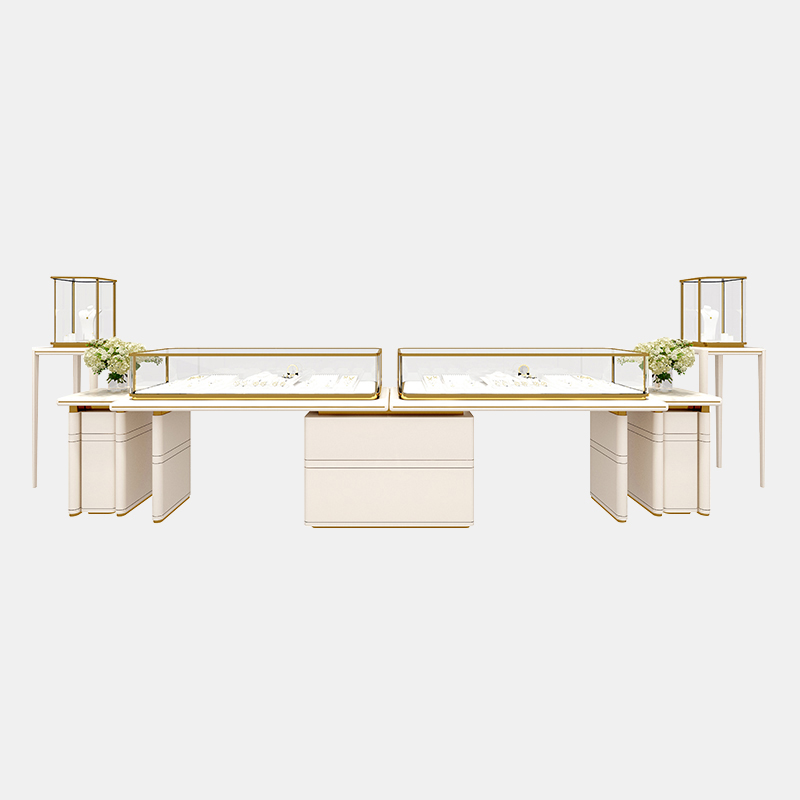
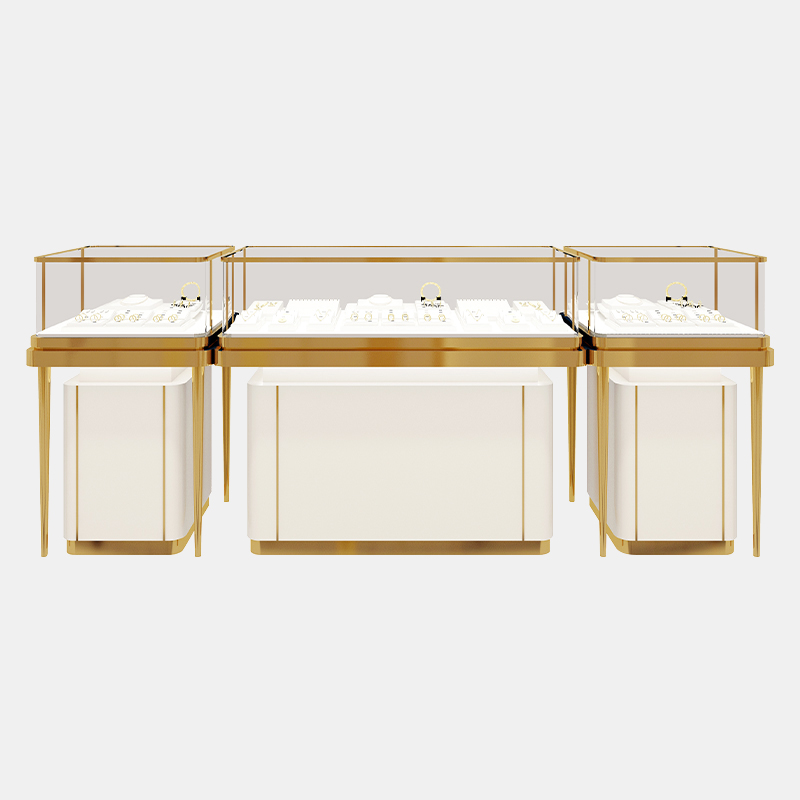
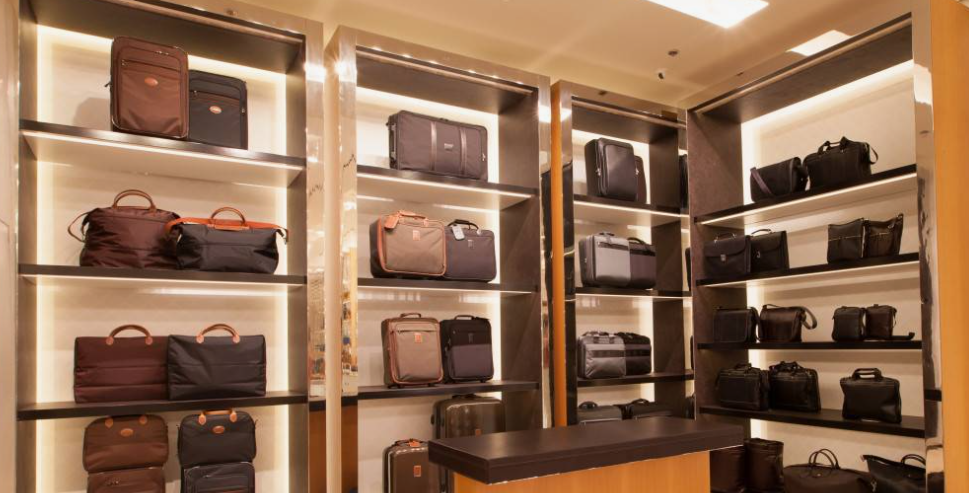
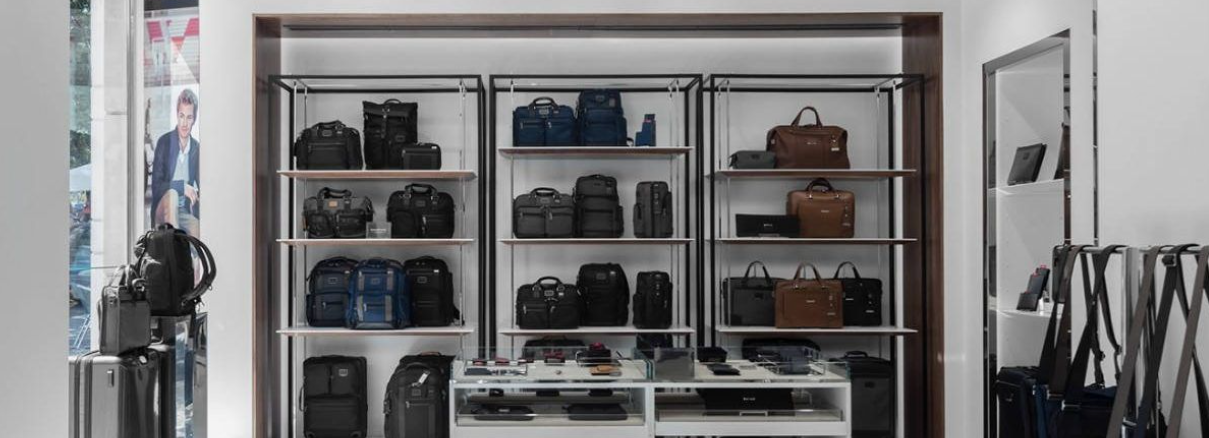
Our advantages
Production
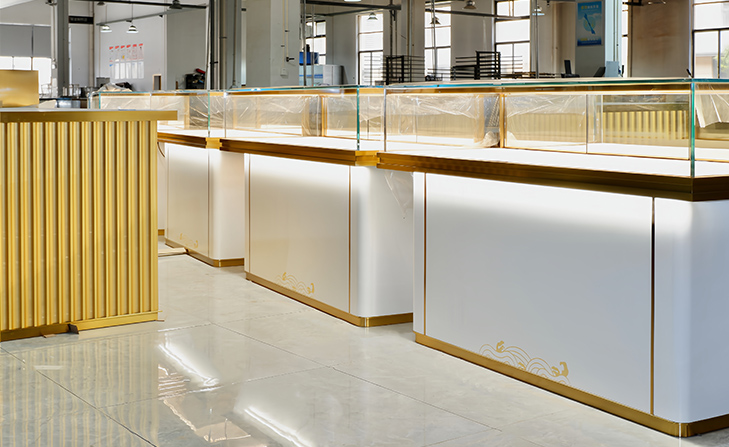
The combination of large-scale modern facilities (especially professional paint rooms, laboratories, assembly areas), rigorous full process quality control (testing, traceability), and irreplaceable top-notch craftsmanship ensures high quality, high production capacity, and on-time delivery.
Design
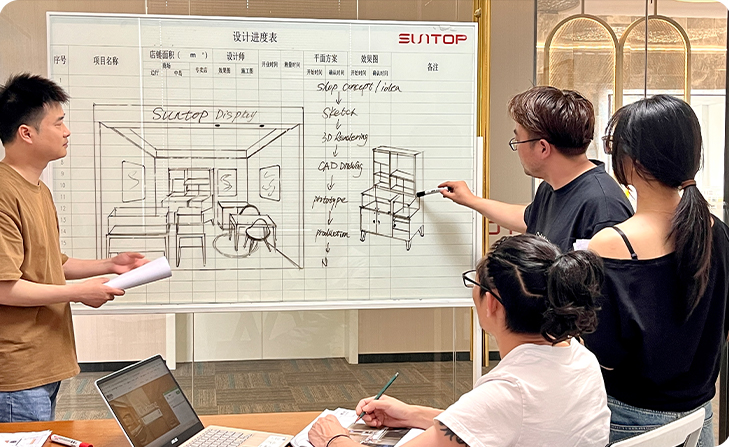
The seamless integration process of professional team management, rigorous design verification based on physical samples, and deep integration of sustainable development concepts (materials, energy, solutions) ensure that the design is accurately implemented, meets customer expectations, and conforms to future trends.
  • 0

    Company Area
  • 0

    Founded In
  • 0

    Enterprise Employees
  • 0

    Exported to Countries
Integrated solution provider Commercial retail space

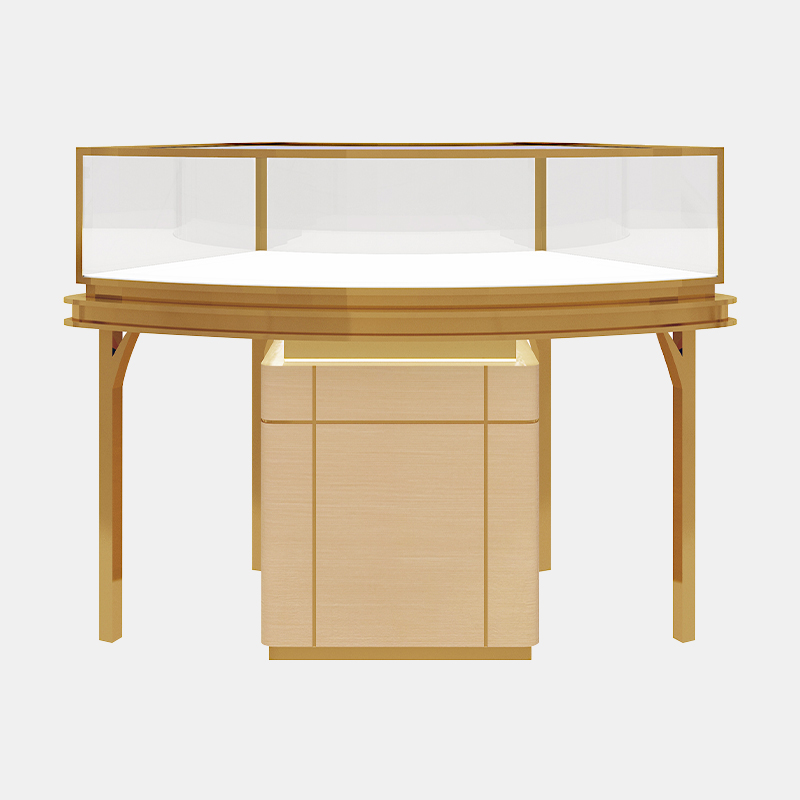
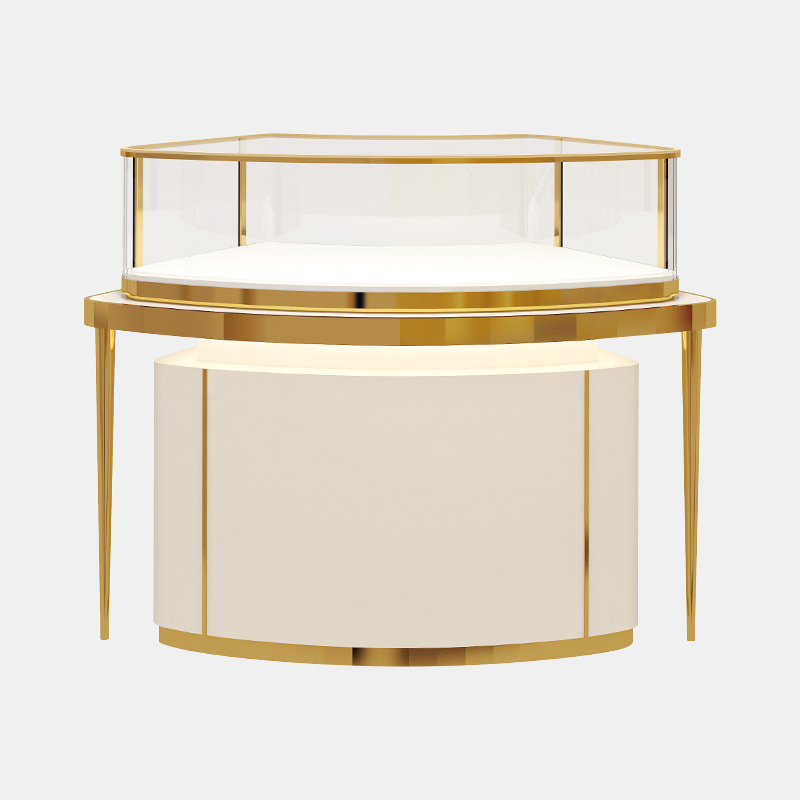
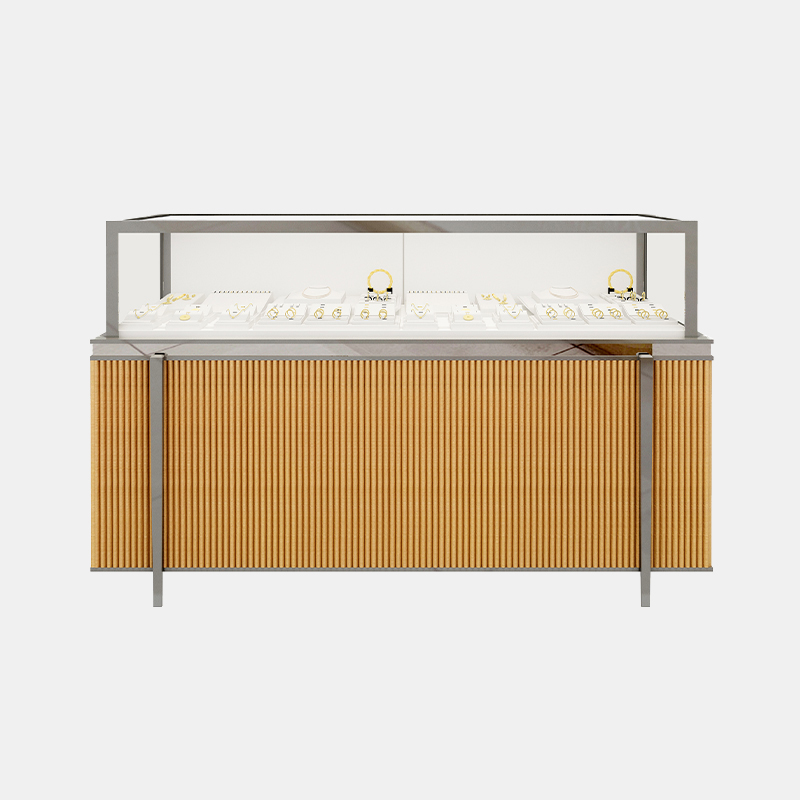
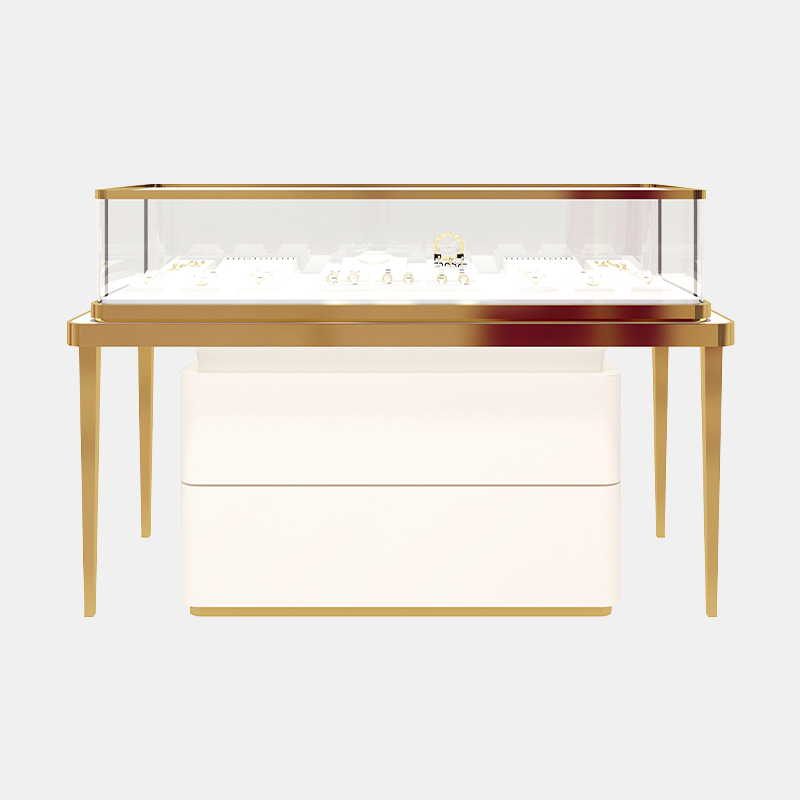
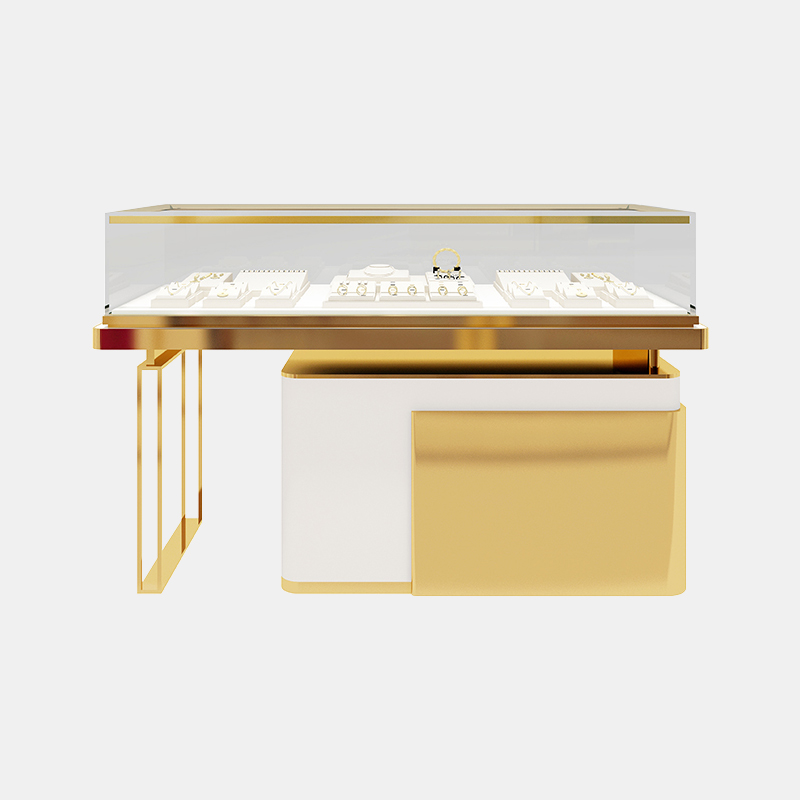
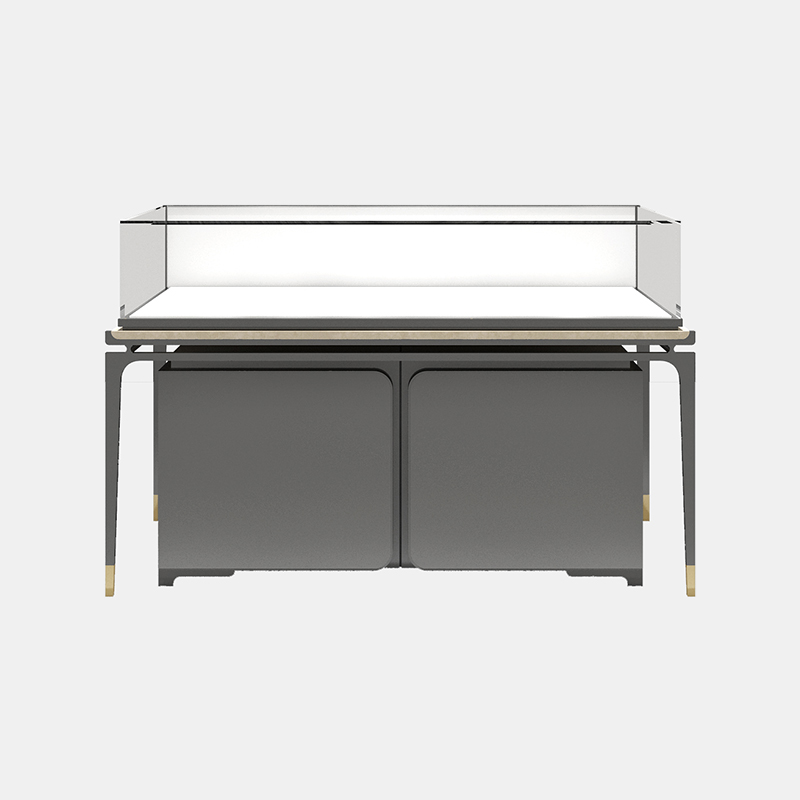
Zhejiang Suntop Commercial Display Products Co., Ltd. was founded in 2009. Currently, the company's factory covers an area of 25 acres, with a building area of 25000 square meters and an annual production capacity reaches 300 projects. Our main customer types include jewelry, cosmetics, watches, museums, etc The company adheres to a highly specialized spirit and strives for excellence in the creation of every display space cabinet, aiming to perfectly reflect the customer's brand concept and value through high-quality display spaces.

View More
TRUSTED AUTHORITATIVE CERTIFICATE
After 16 years of deep cultivation in the display props industry, Suntop has won the provincial high-tech enterprise and credit enterprise awards. At the same time, it has obtained more thanrelevant industry technology patents, providing a guarantee for product quality.
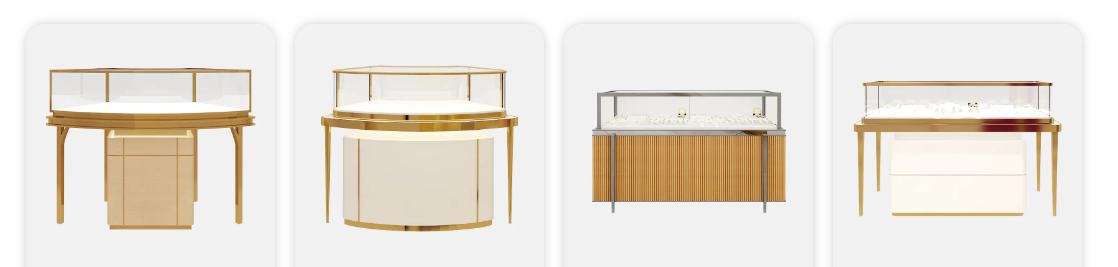
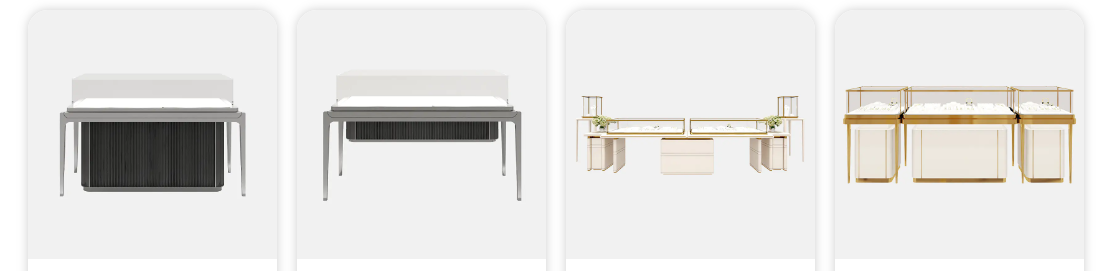
Our PRODUCTS
Green and Sustainable Commercial Space
The company insists on using environmentally friendly materials and is committed to creating green and sustainable
commercial spaces that meet the high standards of modern business for environmental protection.
WHAT’S NEWS
Industry News
Jan 29,2026
Jewelry Showcase: How Can the Right Display Increase Sales and Attract More Customers?
A jewelry showcase is more than a display cabinet. It is a powerful sales tool that protects valuable items, enhances visual appeal, and influences customer buying decisions. With proper lighting, layout, and structure, a professional jewelry showcase can significantly improve store performance and brand image.

What Is a Jewelry Showcase?

Short Answer: A jewelry showcase is a glass display unit designed to present and protect jewelry products in retail environments.
Jewelry showcases are commonly used in jewelry stores, shopping malls, exhibitions, and luxury boutiques. They combine transparent glass panels, secure locking systems, and integrated lighting to highlight product details such as sparkle, color, and craftsmanship. A well-designed showcase helps customers view items clearly while keeping merchandise safe.

Why Is a High-Quality Jewelry Showcase Important?

Short Answer: It improves product presentation, increases customer trust, and boosts sales conversion rates.
Customers are more likely to engage with products that are well displayed. A professional jewelry showcase enhances perceived value and creates a premium shopping experience. It also organizes products efficiently, making it easier for staff to assist customers and manage inventory.
  • Enhances visual merchandising
  • Improves store aesthetics
  • Protects valuable jewelry
  • Encourages customer interaction

How to Choose the Right Jewelry Showcase?

Short Answer: Consider size, lighting, materials, security features, and store layout.
Selecting the right jewelry showcase depends on your store space and display goals. Compact showcases are ideal for small boutiques, while large island showcases work well in open retail areas. Built-in LED lighting highlights gemstones and precious metals, while tempered glass improves durability and safety.

What Features Make a Jewelry Showcase More Effective?

Short Answer: Strong structure, clear glass, smart lighting, and secure locks create an effective display solution.
Modern jewelry showcases focus on both aesthetics and functionality. Adjustable shelves allow flexible product arrangement, while anti-reflective glass improves visibility. Security locks and reinforced frames protect high-value items without compromising appearance.
The following table compares key showcase features and their benefits:
Feature Function Business Benefit
LED Lighting Highlights product details Attracts customer attention
Tempered Glass Provides strength and clarity Improves safety and durability
Locking System Prevents unauthorized access Protects valuable inventory

FAQ: Jewelry Showcase

Q1: What size jewelry showcase is best for small stores?
Answer: Compact countertop or wall-mounted showcases work best for limited space while maintaining good visibility.
Q2: How can lighting improve jewelry display?
Answer: Proper lighting enhances sparkle, color, and detail, making jewelry more attractive to customers.
Q3: Are glass showcases safe for high-value items?
Answer: Yes, when using tempered glass and secure locking systems, they provide strong protection.
Q4: How often should a jewelry showcase be cleaned?
Answer: Daily surface cleaning and weekly deep cleaning help maintain clarity and professional appearance.
A well-designed jewelry showcase not only protects your products but also creates a premium shopping environment that encourages customer trust and increases sales potential.
Industry News
Jan 22,2026
What Is a Museum Display Cabinet and Why Is It Essential for Exhibits?

A museum display cabinet is a critical element in showcasing artifacts, artworks, and historical items in a safe and visually appealing manner. These cabinets protect valuable objects while offering visitors a clear view of the exhibits. 

What Is a Museum Display Cabinet?

A museum display cabinet is a specially designed showcase used to display objects in museums and galleries. These cabinets are usually made of materials like glass, wood, or metal, and they feature secure locking mechanisms to protect the items from theft or damage. Museum display cabinets come in a variety of styles, including freestanding, wall-mounted, or even custom-built units that fit specific exhibition spaces.

Why Are Museum Display Cabinets Important?

Museum display cabinets are not only important for protecting artifacts but also for enhancing the overall visitor experience. Let’s look at some key reasons why they are essential in a museum setting:

1. Protection of Valuable Artifacts

One of the primary functions of a museum display cabinet is to protect valuable and fragile items from potential harm. Display cabinets help safeguard artifacts from dust, physical contact, and environmental factors like temperature fluctuations and humidity that can cause deterioration.

2. Enhancing Visual Appeal

A well-designed museum display cabinet enhances the aesthetic presentation of objects. Clear glass panels and well-thought-out lighting can make objects appear more striking, offering visitors an unobstructed view while highlighting important details. Proper lighting is crucial in ensuring that items are showcased to their best advantage, creating a captivating experience for the audience.

3. Security and Theft Prevention

In addition to providing protection from environmental factors, museum display cabinets offer security features such as lockable doors and reinforced glass to prevent theft or tampering with exhibits. These features are crucial, especially when handling valuable or irreplaceable items.

What Are the Different Types of Museum Display Cabinets?

Depending on the type of exhibit and the museum’s needs, several types of display cabinets are commonly used. Here are some of the most popular ones:

1. Freestanding Display Cabinets

Freestanding museum display cabinets are portable and can be placed anywhere in the exhibition space. They often feature glass on all sides, offering a 360-degree view of the displayed objects. These cabinets are ideal for showcasing smaller or more valuable items.

2. Wall-Mounted Display Cabinets

Wall-mounted display cabinets are affixed to the wall, allowing museums to save space while still effectively displaying items. These cabinets are often used for more permanent exhibits or smaller objects that don’t require a freestanding setup.

3. Custom-Built Display Cabinets

Custom-built display cabinets are tailored to specific exhibition needs. These can include specialized features like climate control, specialized lighting, or unique shelving. Custom designs are often used for high-end or specialty exhibitions where the presentation is just as important as the protection of the items on display.

How to Choose the Right Museum Display Cabinet?

When selecting a museum display cabinet, several factors should be considered to ensure that it meets the specific requirements of the exhibition:

1. Material and Durability

The material of the display cabinet should be strong and durable enough to provide adequate protection to the artifacts. Glass is commonly used for its transparency, while wood or metal may be used for the framework. The materials should also be resistant to environmental factors like humidity and temperature changes.

2. Security Features

Security is paramount when choosing a display cabinet. Look for cabinets that feature lockable doors, reinforced glass, and secure shelving to keep the objects safe from theft or damage.

3. Lighting

Proper lighting is essential to enhance the visibility and appeal of the items on display. Look for display cabinets that feature adjustable LED lighting, which provides bright, even illumination without generating heat, which can be harmful to sensitive items.

Museum display cabinets play a vital role in ensuring that exhibits are not only protected but also presented in the best possible way. They help preserve valuable objects, enhance the visitor experience, and provide security against theft or damage. When choosing a museum display cabinet, it’s important to consider factors like material, security features, and lighting to ensure that the items are both safe and visually striking. Whether for small artifacts or large-scale exhibitions, the right display cabinet is an essential tool for any museum or gallery.

Industry News
Jan 15,2026
How can a jewelry showcase enhance your brand image?

In the jewelry retail industry, a jewelry display case is more than just a place to store jewelry; it's a crucial vehicle for showcasing brand personality and conveying brand values. A well-designed and thoughtfully arranged jewelry display case can not only attract customers' attention but also enhance the brand image and lead to higher sales. So, how can you use jewelry display cases to improve your brand image?

1. Choose the Right Display Case Design Style
The design style of a jewelry display case directly impacts customers' first impression of the brand. Different styles convey different brand messages, so choosing a display case style that aligns with your brand's tone is crucial.

Modern minimalist style: Suitable for young, high-end jewelry brands. Clean lines and exquisite design allow the jewelry itself to be the focus, conveying a sense of modernity and elegance.

Classic luxury style: If your brand focuses on luxurious, high-end jewelry, a vintage, elegant display case design will better reflect the brand's distinguished character. Classic colors such as gold, black, and dark wood tones can convey a sense of nobility.

Natural and comfortable style: For jewelry brands that emphasize environmental protection and natural elements, display cases made of natural materials such as wood and linen can convey a warm, natural brand image.

When choosing a display case, be sure to consider the brand's core values ​​and target audience to ensure that the display case design is consistent with the brand's positioning.

2. Create a Personalized Brand Experience
A jewelry display case is not just a "container" for jewelry; it also needs to create a unique brand experience. Through clever design and layout, you can allow customers to feel the unique charm of the brand while shopping.

Customized display: Through customized display cases, incorporating the brand's logo, slogan, or specific color scheme, customers can feel the brand's personality the moment they enter the store.

Lighting effects: Lighting is crucial for displaying jewelry. Appropriate lighting can highlight the luster and color of the jewelry, while also creating a high-end, warm atmosphere, increasing customers' desire to buy.

Interactive experience: Some jewelry brands choose to incorporate interactive elements into their display cases, such as touch screens displaying detailed information about the jewelry, or using virtual reality technology to allow customers to "try on" the jewelry. This interactive experience not only enhances the brand image but also increases customer engagement.

3. Emphasize the Material and Texture of the Jewelry Display Case
The material and texture of the jewelry display case directly affect the brand's sense of luxury and professionalism. If you want your brand to convey a "high-end" and "exquisite" image to customers, choosing the right materials is crucial.

Glass and Stainless Steel: Glass allows jewelry to appear more refined, while stainless steel provides a combination of modernity and high-end appeal. High-transparency glass not only makes the jewelry clearly visible but also enhances its visual appeal through reflective effects.

Wood and Marble: If your brand wants to highlight a natural, noble style, consider using wood or marble. The warmth of wood and the luxury of marble can both convey the unique value of your brand.

When selecting materials, be sure to consider the durability of the jewelry display case and the customer experience, ensuring that the display case is not only beautiful but also long-lasting.

4. Create a Visual Focus and Highlight Brand Characteristics
The layout and display method of the jewelry showcase are crucial for enhancing brand image. A reasonable display allows customers' eyes to linger on the jewelry you want to highlight, thereby strengthening the brand's visual impact.

Key Display: Place the brand's star products or latest styles in a prominent position and use spotlights or mirror effects to highlight the characteristics of these pieces. This attracts customer attention and enhances brand influence.

Layered Layout: Through layered display, make the jewelry look more three-dimensional and organized, avoiding a cluttered appearance. Different levels of display cases allow the jewelry to complement each other, showcasing the brand's sophistication and attention to detail.

Zoned Display: Display jewelry in sections according to category, series, or theme. This allows customers to quickly find the styles they are interested in and highlights the brand's professionalism and systematic management.

5. Enhance the Customer Shopping Experience
A well-designed jewelry showcase not only displays the beauty of the jewelry but also improves the customer shopping experience, thereby enhancing the brand image.

Comfortable Space: Keep the display case clean and spacious, avoiding overly crowded or cluttered displays. Customers will feel more comfortable shopping in such a space, thus developing a positive impression of the brand.

Convenient Service Experience: The design of the display case should allow customers to easily access the jewelry. Place brand brochures, jewelry information cards, and other materials above the counter to make it easier for customers to understand the characteristics and value of each piece of jewelry.

6. Maintaining the Cleanliness and Upkeep of Display Cases
Finally, the daily maintenance and cleaning of jewelry display cases are also very important. A consistently clean and tidy display case conveys a professional and high-quality brand image to customers.

Regular cleaning: Regularly clean the interior and exterior surfaces of the display cases to prevent dust accumulation and maintain the luster and clarity of the jewelry. Every piece of jewelry should be displayed in perfect condition.

Pay attention to details: Check all components of the display case to ensure there is no damage or wear and tear, preventing any negative impact on the customer experience. Even minor imperfections can affect the brand image.

Industry News
Jan 08,2026
How can clothing and luggage display cabinets improve the customer shopping experience?

In retail stores, display cabinets are not only tools for showcasing products, but also crucial factors in enhancing the customer shopping experience and increasing sales. Clothing and luggage display cabinets, as retail furniture specifically designed to display clothing and luggage, have functions and designs that directly impact customers' perception and experience of the store. Well-designed display cabinets can improve product visibility and accessibility, attract customer attention, and encourage further engagement in shopping.

1. Enhancing Product Visibility
The design of clothing and luggage display cabinets focuses on product visibility, which is crucial for improving the shopping experience. When customers enter a store, the first things they often encounter are the products in the display cabinets. Transparent glass materials, clever partitioning designs, and appropriate display heights ensure that products immediately catch the customer's eye. Customers can easily see all the details of the products, such as the style, color, and material of clothing, or the capacity and design features of luggage.

Especially for products like clothing and luggage, their appearance and functionality are important factors in customers' purchasing decisions. By displaying the complete appearance of the products, display cabinets can reduce customer doubts about product details, allowing them to make purchasing decisions quickly.

2. Improving Product Accessibility
In addition to visibility, the accessibility of clothing and luggage display cabinets is also key to improving the shopping experience. When purchasing clothing or luggage, customers usually want to touch, try on, or inspect the products. Well-designed display cabinets make products easy to access and handle, thus increasing customer purchase intent. For example, display cabinets with shelves and drawers provide flexible storage space, making it easy for customers to select and compare different styles of clothing or luggage. Hanging rods allow for easy display of clothing, enabling customers to quickly browse and choose their preferred styles.

3. Creating a Positive Store Atmosphere
The design of clothing and luggage display cabinets can also create a unique store atmosphere through color, materials, and overall layout. For example, wooden or metal-framed display cabinets can bring a modern or vintage feel to the store, while glass display cabinets can highlight the high-end quality of the products. A reasonable display cabinet layout ensures maximum utilization of store space, allowing customers to easily browse and select products, avoiding crowded or cluttered conditions. In addition, the design of display cases can also complement the overall theme of the store, for example, by incorporating lighting effects to make the products more eye-catching. Through the clever combination of visuals and space, display cases can not only enhance the customer's shopping experience but also elevate the overall brand image.

4. Enhancing Customer Interaction
The modern retail industry is increasingly focusing on customer interaction, and display cases play a crucial role in this aspect. Many clothing and luggage display case designs incorporate smart features such as touch screens and interactive displays, allowing customers to view more product information or virtually try on clothes by clicking on the screen. This interactive experience not only satisfies customers' curiosity about the products but also increases the enjoyment of shopping.

For example, QR codes can be installed on clothing display cases, allowing customers to scan the code to learn more about the product or get styling suggestions, thus increasing customer engagement. This interactivity allows customers to experience more fun and satisfaction during the shopping process, thereby increasing customer loyalty.

5. Optimizing Store Layout and Flow
Clothing and luggage display cases are not only tools for product display but can also optimize the store layout and customer shopping flow to a certain extent. Through a reasonable display case layout, customers can move smoothly within the store, reducing waiting times and congestion during shopping. For example, arranging clothing and luggage display cases by category, color, and style can help customers quickly find the products they want, improving shopping efficiency.

In terms of layout, different types of display case areas can be set up based on customer behavior habits to create different shopping scenarios. For example, displaying high-end products separately from regular products can attract different levels of customers and help them make purchasing decisions that better meet their needs.

6. Comparison of Clothing and Luggage Display Case Features

Feature Wooden Display Cabinet Glass Display Cabinet
Material Natural wood, eco-friendly, warm texture Transparent glass, modern feel, easy to view product details
Suitable Products Suitable for displaying clothing, accessories, shoes, etc. Suitable for displaying clothing, luggage, delicate accessories, etc.
Visibility Partially visible products, requires opening drawers or shelves to view Completely transparent, product details visible at a glance
Accessibility Larger storage space, suitable for folded clothing, shoes, etc. Suitable for hanging clothes or displaying luggage, easy access
Design Style Suitable for vintage, classic style stores Modern, minimalist style, ideal for high-end, fashionable brands

Maintenance & Cleaning

Easy to clean, but requires regular wood maintenance Glass material is easy to clean, but may require more frequent cleaning

Clothing and luggage display cabinets are not only tools for showcasing merchandise, but also a crucial element in enhancing the customer shopping experience. Through thoughtful design, these display cabinets can improve product visibility and accessibility, create a comfortable shopping environment, and enhance customer interaction and engagement, making it easier for customers to choose and purchase products.

Industry News
Jan 01,2026
How do museum display cabinets protect exhibits from damage?

Museums are important places for preserving and displaying human history, culture, art, and natural heritage. Whether it's historical relics, art treasures, or scientific specimens, these exhibits need proper protection to prevent them from being affected by environmental factors, touching, or external damage during exhibitions. Therefore, the design and function of museum display cabinets are particularly important. Museum display cabinets are not only for display but must also have multiple functions to protect exhibits.

1. Functions and Design Elements of Museum Display Cabinets
Museum display cabinets are not only containers for displaying exhibits, but they must also meet a series of protection requirements. Their design mainly includes the following elements:

(1) Prevention of Physical Damage
Exhibits are often threatened by physical damage, such as collisions, drops, and improper handling. To prevent these damages, the design of museum display cabinets usually includes the following aspects:

Strengthened Structure: The frame of a museum display cabinet is generally made of sturdy materials, such as steel, aluminum, or solid wood, to ensure that the display cabinet can withstand a certain amount of pressure and impact. The doors, bottom, and sides of display cases are often equipped with reinforcing plates to ensure stability.

Shockproof Design: To prevent exhibits from being damaged by vibration or external disturbances inside the display case, many museum display cases employ shockproof technologies, such as installing cushioning pads and seismic supports. These designs help mitigate the impact of ground vibrations on exhibits, especially in earthquake-prone areas or areas with heavy traffic.

(2) Prevention of Environmental Pollution
Exhibits exposed to adverse environmental conditions for extended periods are easily contaminated, affecting their appearance and preservation. Museum display cases are designed with particular attention to the following aspects:
Airtight Sealing: High-quality museum display cases typically have excellent airtightness, effectively isolating harmful substances in the external air, such as dust, smoke, and moisture. This airtightness helps protect sensitive artworks or artifacts, especially materials easily contaminated by the environment, such as paper, silk, and oil paintings.

Constant Temperature and Humidity Control: Some precious exhibits (such as paper documents, leather goods, and wooden items) are highly sensitive to temperature and humidity. To maintain proper storage conditions, museum display cases may be equipped with temperature and humidity control devices to regulate the internal temperature and humidity, keeping them within a suitable range to prevent exhibits from aging, mildewing, or fading due to environmental changes.

(3) Protection against UV radiation
Ultraviolet (UV) radiation is a major factor damaging many artworks, books, and artifacts, especially materials such as oil paintings, paper, and textiles. UV radiation can cause exhibits to fade, deteriorate, and become brittle. To effectively prevent UV damage, museum display cases are typically equipped with the following protective designs:
UV-protective glass or acrylic panels: The glass or display panels of the display cases usually use special UV-protective materials that can effectively block UV radiation and reduce UV damage to the exhibits.
LED lighting: Traditional incandescent and fluorescent lamps emit large amounts of UV radiation, while LED lights emit almost no UV radiation. Therefore, many modern museum display cases use LED lighting to ensure display effects while avoiding UV damage to the exhibits.

(4) Prevention of contact and external interference
Contact is one of the common causes of damage to exhibits, especially for fragile or valuable items. A crucial aspect of museum display case design is preventing direct contact between visitors and external interference with the exhibits.

Transparent Protective Covers: To prevent visitors from directly touching the exhibits, museum display cases are typically designed with transparent protective covers. These covers provide ample visual display space while isolating visitors from direct contact with the exhibits.

Locking Systems: Some high-value or extremely precious exhibits require special protection measures. Museum display cases are generally equipped with robust locking systems to ensure that only authorized personnel can enter the case.

(5) Ease of Cleaning and Maintenance
To ensure the long-term preservation of the exhibits, museum display cases also need to be easy to clean and maintain. The materials and design of the display cases usually take into account ease of cleaning:
Smooth, Easy-to-Clean Surfaces: The surface of the display case uses smooth, wear-resistant materials, such as high-strength glass, acrylic, or stainless steel, for easy daily cleaning. Materials that easily accumulate dust or attract pollutants should be avoided.

Adjustable Design: Some museum display cases are equipped with adjustable shelves or display stands so that staff can adjust and maintain them according to the needs of different exhibits.
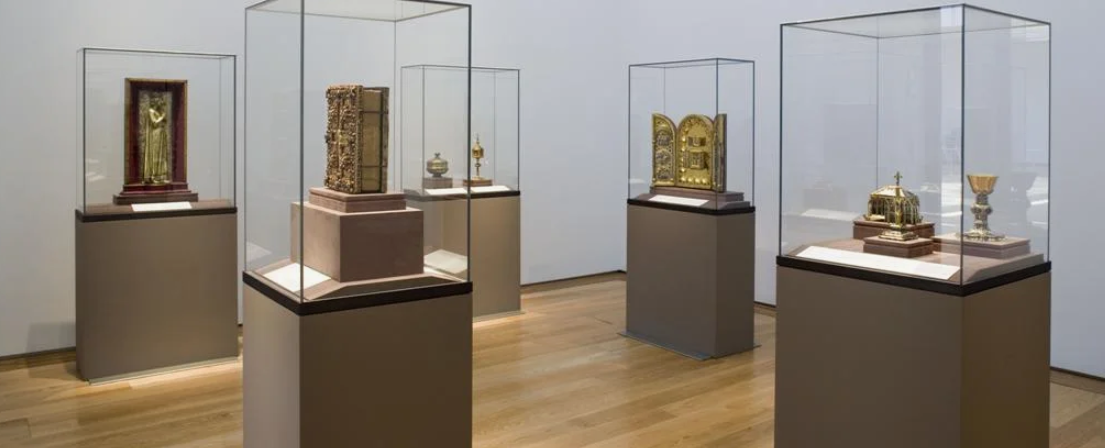
2. Intelligent Protection of Museum Display Cases
With advancements in technology, museum display cases are increasingly incorporating intelligent technologies to enhance exhibit protection. Here are some common intelligent protection technologies:

(1) Intelligent Monitoring System
Modern museum display cases can be equipped with intelligent monitoring systems that use sensors to monitor key parameters such as temperature, humidity, and air quality inside the case in real time. If abnormal environmental conditions are detected, the system will automatically send an alarm and can be adjusted remotely to ensure optimal protection of the exhibits.

(2) Automatic Lighting and Environmental Control
Some high-end museum display cases are equipped with automatic lighting and environmental control systems that automatically adjust temperature, humidity, and light intensity based on the characteristics of the exhibits and changes in the surrounding environment. This intelligent control significantly reduces human error and ensures the long-term safety of the exhibits.

The design of museum display cases is not only for showcasing beautiful artworks or precious cultural relics, but also for ensuring their long-term protection. Through scientific design and modern technology, museum display cases can effectively prevent damage to exhibits from physical damage, environmental pollution, ultraviolet radiation, and contact, providing strong protection for the museum's treasured cultural relics and artworks.

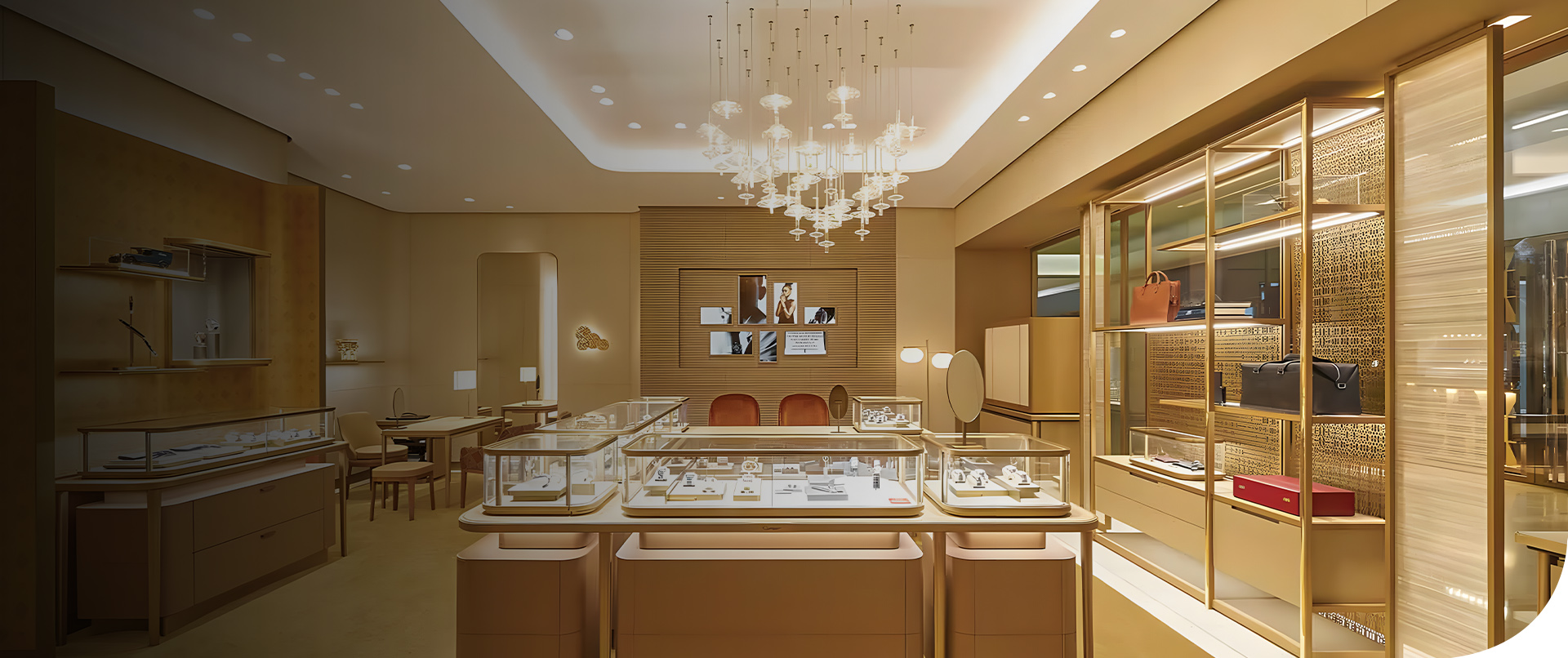
Industry News
Dec 23,2025
How to improve display effectiveness with cosmetic display cases?

In the beauty and cosmetics industry, product display is not only about aesthetics but also directly impacts sales and brand image. A well-designed and scientifically laid-out cosmetic display case can attract customer attention, increase purchasing desire, and enhance consumer awareness of the brand. So, how can you improve display effectiveness through display cases?

1. Scientific Layout to Make Products More Easily Discoverable
The layout of a cosmetic display case directly determines the customer's browsing route and purchasing experience. Generally, the following principles can be followed:

Categorize by product type: Classify skincare, makeup, and perfume products separately to make it easier for customers to quickly find what they need.

Place best-selling products at eye level: Studies show that products at eye level are more likely to be noticed by customers, so popular or promotional products should be placed in this position.

Progressive display: From the edge of the counter to the center, present a product arrangement from small to large and from low to high, giving the overall visual effect more depth.

Through scientific layout, cosmetic display cases are not only neat and beautiful but also guide customers to browse naturally, increasing the probability of purchase.

2. Lighting Design to Highlight Product Features
Lighting is a key factor in improving display effectiveness, especially for high-end cosmetic display cases. Lighting design can be optimized in the following aspects:

Spotlighting: Use spotlights or LED strips above key products or new products to make them more prominent on the counter.

Color temperature matching: Choose white light or warm white light close to natural light to restore the true colors of cosmetics and increase customer confidence in purchasing.

Layered lighting: Combine counter lighting and overhead ambient light to create a sense of depth and sophistication, making the display case more attractive.

Appropriate lighting not only enhances aesthetics but also highlights product texture and strengthens visual impact.

3. Materials and Texture to Enhance Brand Recognition
The materials of a cosmetic display case directly affect the customer's first impression of the brand.

Glass material: Transparent glass can display the entire product and is easy to clean, suitable for high-end makeup and perfume displays.

Wooden or metal frames: Wood exudes warmth and naturalness, while metal reflects modernity and high-end quality. Choose the appropriate material according to the brand positioning. Painted or acrylic panels: Bright colors that easily match brand image, ideal for highlighting youthful or fashionable brand effects.

The rational combination of materials can unify the overall style of the display cabinet and enhance customer recognition of the brand.

4. Display Techniques to Increase Purchase Desire
Besides the cabinet itself, the display method also influences customer purchasing psychology:

Grouped display:  Arranging products from the same series together allows customers to easily understand the complete product line.

Promotional pairing: For example, displaying samples, popular single items, and sets together increases the likelihood of impulse purchases.

Dynamic display: Appropriately adding labels or electronic screens to introduce product features makes the display cabinet more informative.

Good display techniques can enhance the customer experience, making the display cabinet not just a "display tool," but also a sales booster.

5. Daily Maintenance to Keep the Cabinet Clean
No matter how excellent the display design is, a dirty or dusty display cabinet can negatively impact customer impressions.

Regularly clean the glass and panels to keep them bright and transparent.
Check the lighting and labels to ensure there is no damage or misalignment.
Adjust product placement to avoid gaps or clutter.
A clean display cabinet enhances customer trust and makes the brand image more professional.

Improving the display effect of cosmetic display cabinets requires attention to layout, lighting, materials, display techniques, and maintenance.
Through scientific layout, appropriate lighting, high-quality materials, and clever display techniques, the display cabinet can not only be aesthetically pleasing but also guide customer browsing and increase purchase desire. Daily maintenance is a crucial aspect of ensuring lasting effectiveness.

1
2
3
4
1
1
1
1
2
3
4
1
1
1
1
2
3
4
1
1
1
1
2
3
4
1
1
1