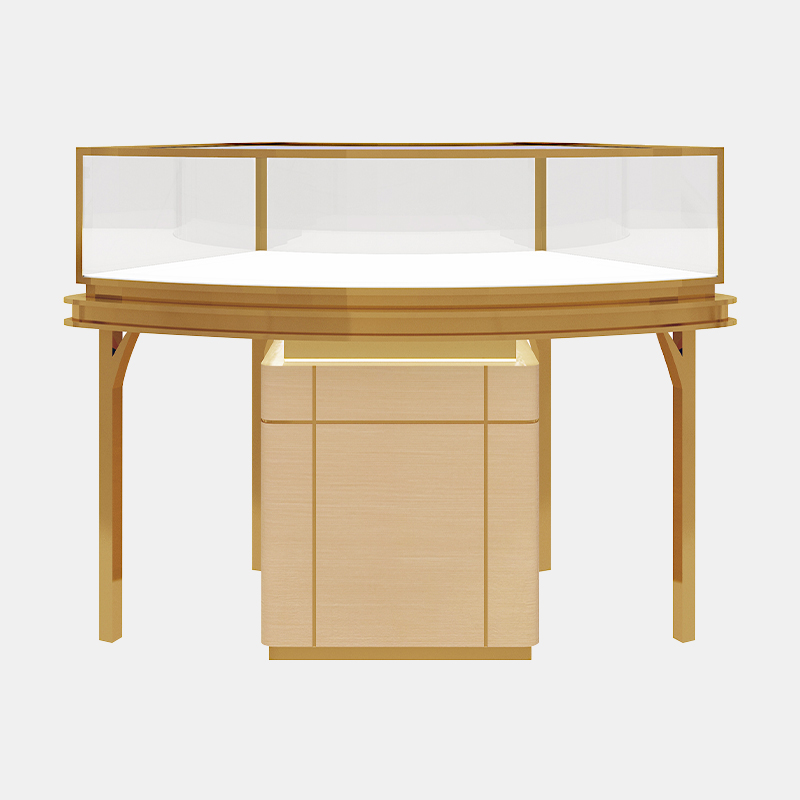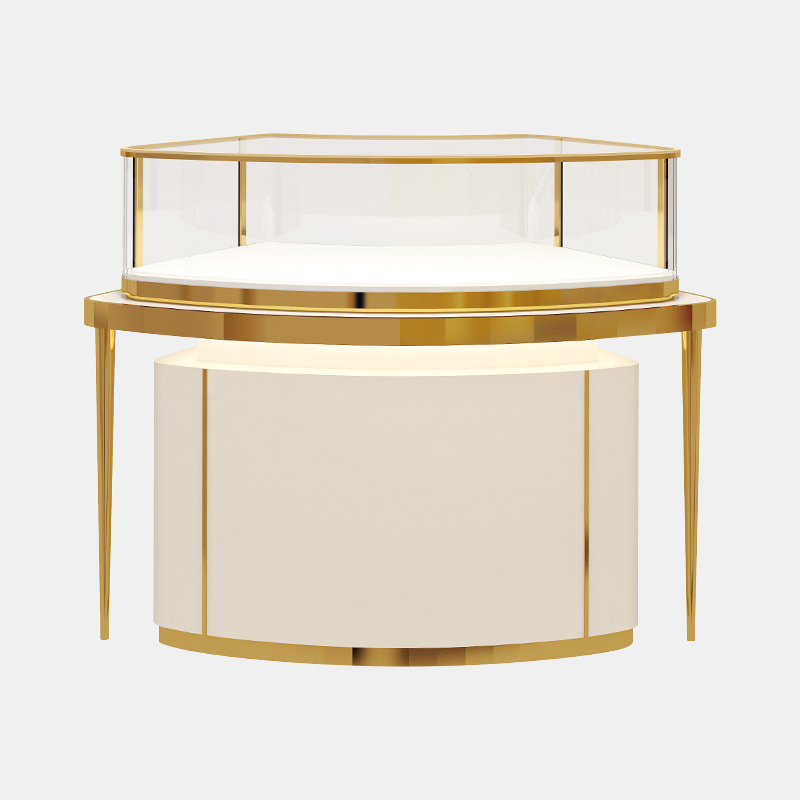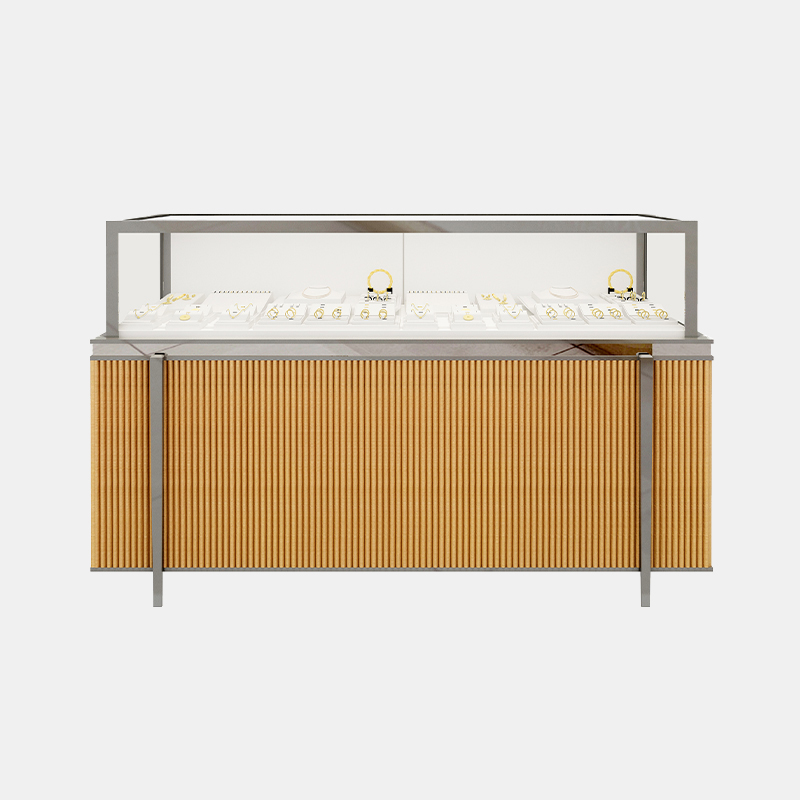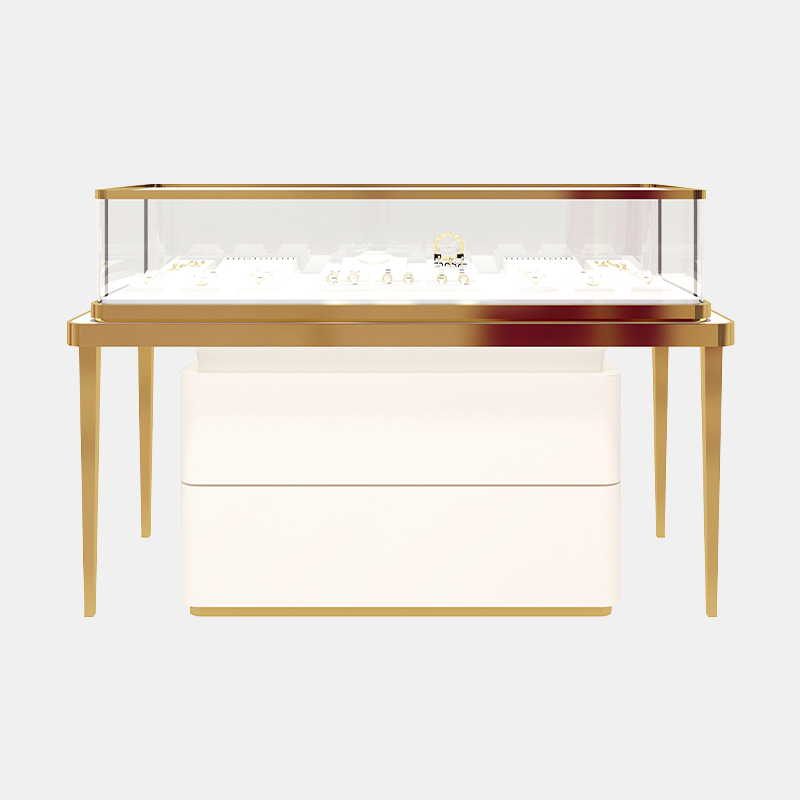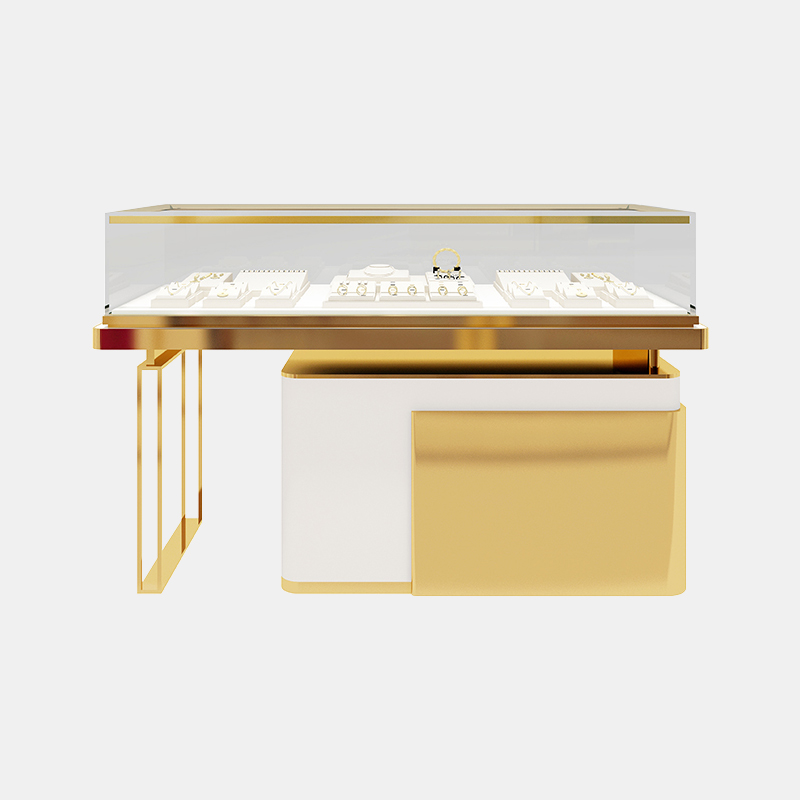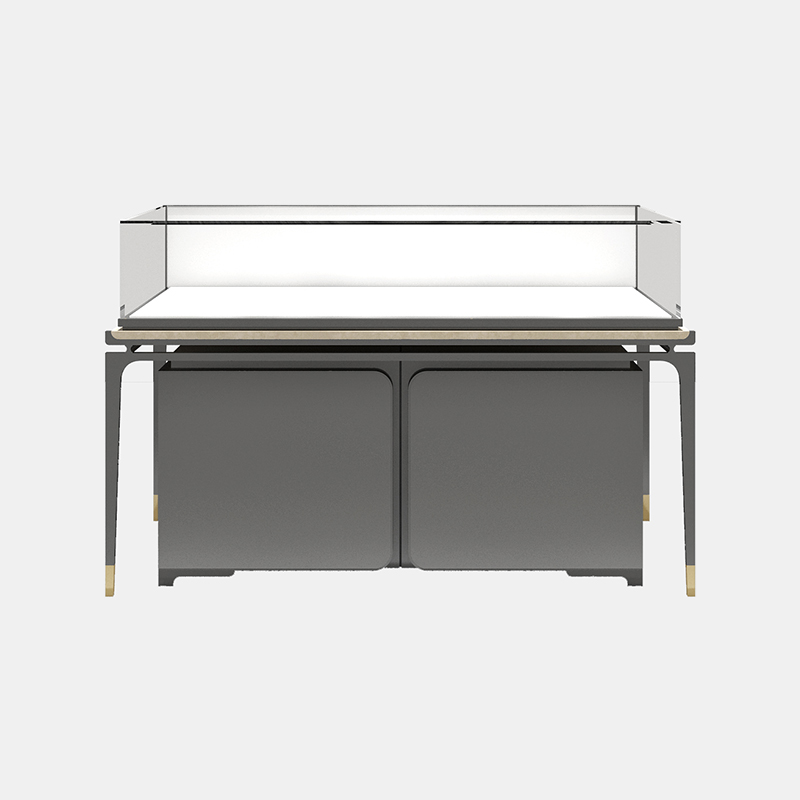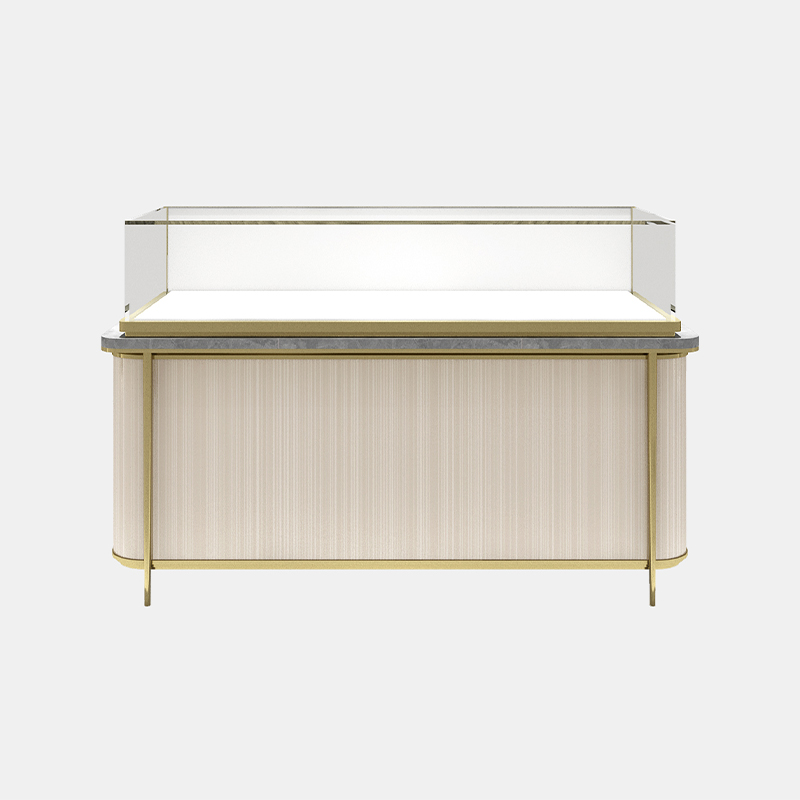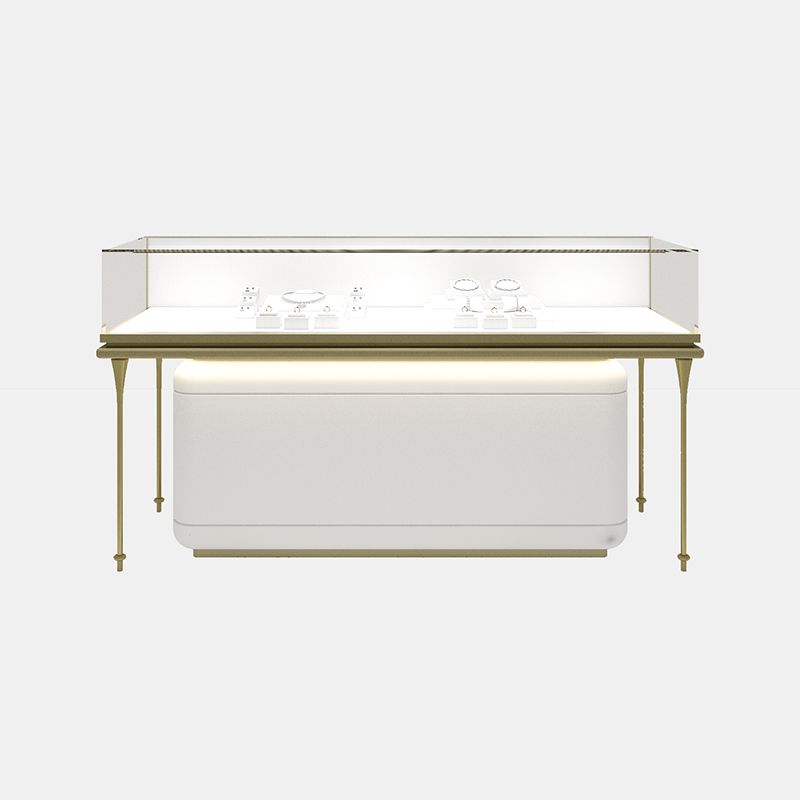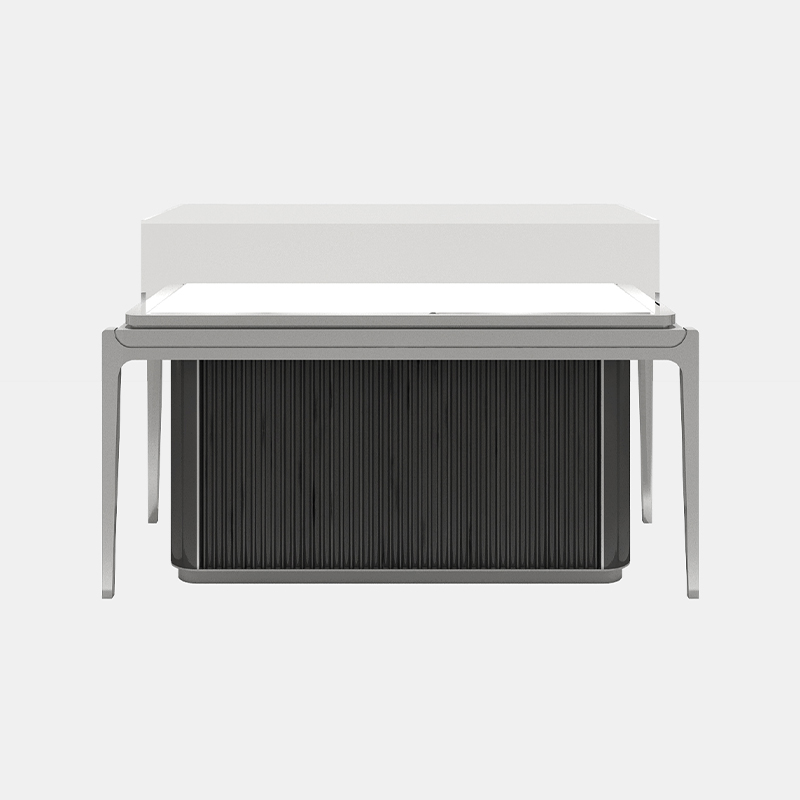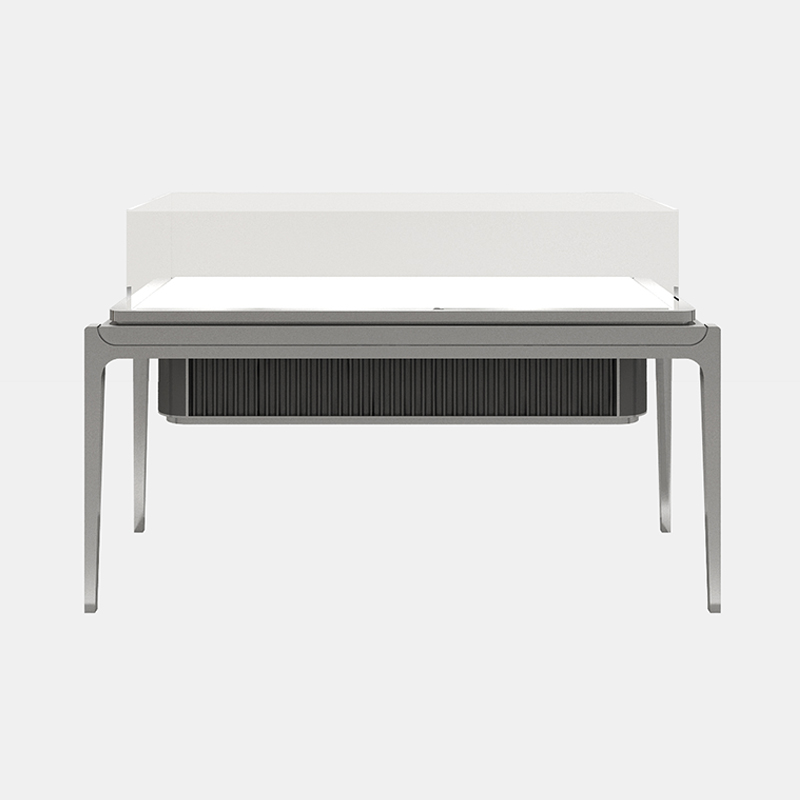
A museum display cabinet is a critical element in showcasing artifacts, artworks, and historical items in a safe and visually appealing manner. These cabinets protect valuable objects while offering visitors a clear view of the exhibits.
Content
A museum display cabinet is a specially designed showcase used to display objects in museums and galleries. These cabinets are usually made of materials like glass, wood, or metal, and they feature secure locking mechanisms to protect the items from theft or damage. Museum display cabinets come in a variety of styles, including freestanding, wall-mounted, or even custom-built units that fit specific exhibition spaces.
Museum display cabinets are not only important for protecting artifacts but also for enhancing the overall visitor experience. Let’s look at some key reasons why they are essential in a museum setting:
One of the primary functions of a museum display cabinet is to protect valuable and fragile items from potential harm. Display cabinets help safeguard artifacts from dust, physical contact, and environmental factors like temperature fluctuations and humidity that can cause deterioration.
A well-designed museum display cabinet enhances the aesthetic presentation of objects. Clear glass panels and well-thought-out lighting can make objects appear more striking, offering visitors an unobstructed view while highlighting important details. Proper lighting is crucial in ensuring that items are showcased to their best advantage, creating a captivating experience for the audience.
In addition to providing protection from environmental factors, museum display cabinets offer security features such as lockable doors and reinforced glass to prevent theft or tampering with exhibits. These features are crucial, especially when handling valuable or irreplaceable items.
Depending on the type of exhibit and the museum’s needs, several types of display cabinets are commonly used. Here are some of the most popular ones:
Freestanding museum display cabinets are portable and can be placed anywhere in the exhibition space. They often feature glass on all sides, offering a 360-degree view of the displayed objects. These cabinets are ideal for showcasing smaller or more valuable items.
Wall-mounted display cabinets are affixed to the wall, allowing museums to save space while still effectively displaying items. These cabinets are often used for more permanent exhibits or smaller objects that don’t require a freestanding setup.
Custom-built display cabinets are tailored to specific exhibition needs. These can include specialized features like climate control, specialized lighting, or unique shelving. Custom designs are often used for high-end or specialty exhibitions where the presentation is just as important as the protection of the items on display.
When selecting a museum display cabinet, several factors should be considered to ensure that it meets the specific requirements of the exhibition:
The material of the display cabinet should be strong and durable enough to provide adequate protection to the artifacts. Glass is commonly used for its transparency, while wood or metal may be used for the framework. The materials should also be resistant to environmental factors like humidity and temperature changes.
Security is paramount when choosing a display cabinet. Look for cabinets that feature lockable doors, reinforced glass, and secure shelving to keep the objects safe from theft or damage.
Proper lighting is essential to enhance the visibility and appeal of the items on display. Look for display cabinets that feature adjustable LED lighting, which provides bright, even illumination without generating heat, which can be harmful to sensitive items.
Museum display cabinets play a vital role in ensuring that exhibits are not only protected but also presented in the best possible way. They help preserve valuable objects, enhance the visitor experience, and provide security against theft or damage. When choosing a museum display cabinet, it’s important to consider factors like material, security features, and lighting to ensure that the items are both safe and visually striking. Whether for small artifacts or large-scale exhibitions, the right display cabinet is an essential tool for any museum or gallery.


 ਪੰਜਾਬੀ
 English
 عربى
عربى русский
 中文简体
中文简体