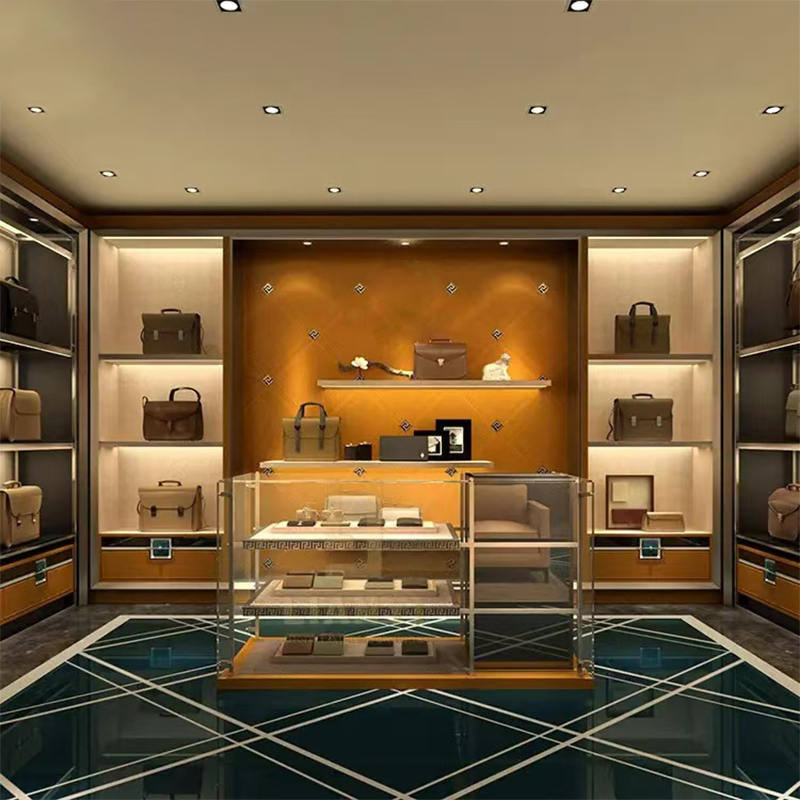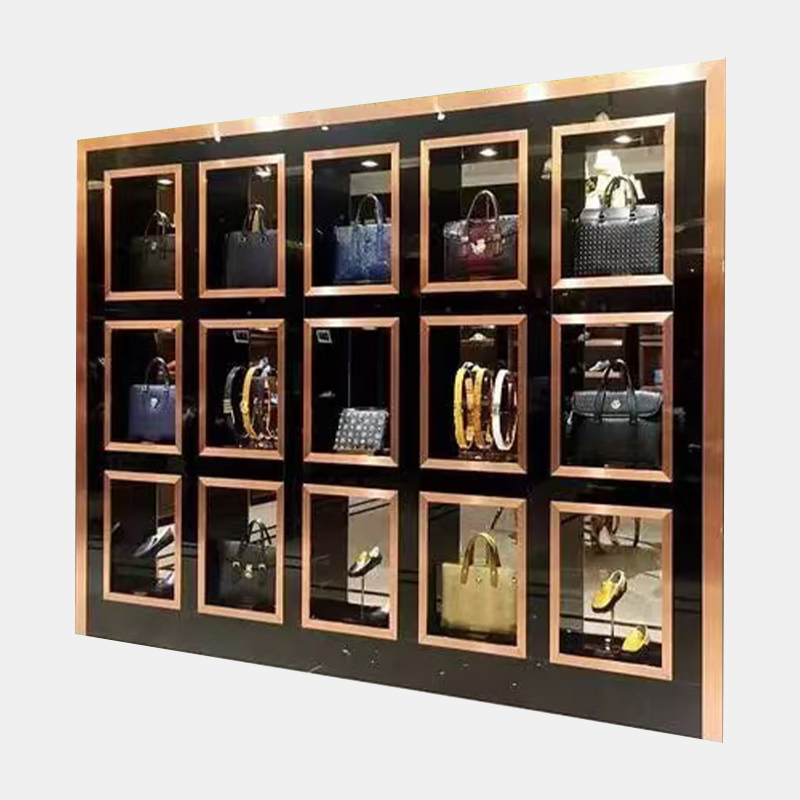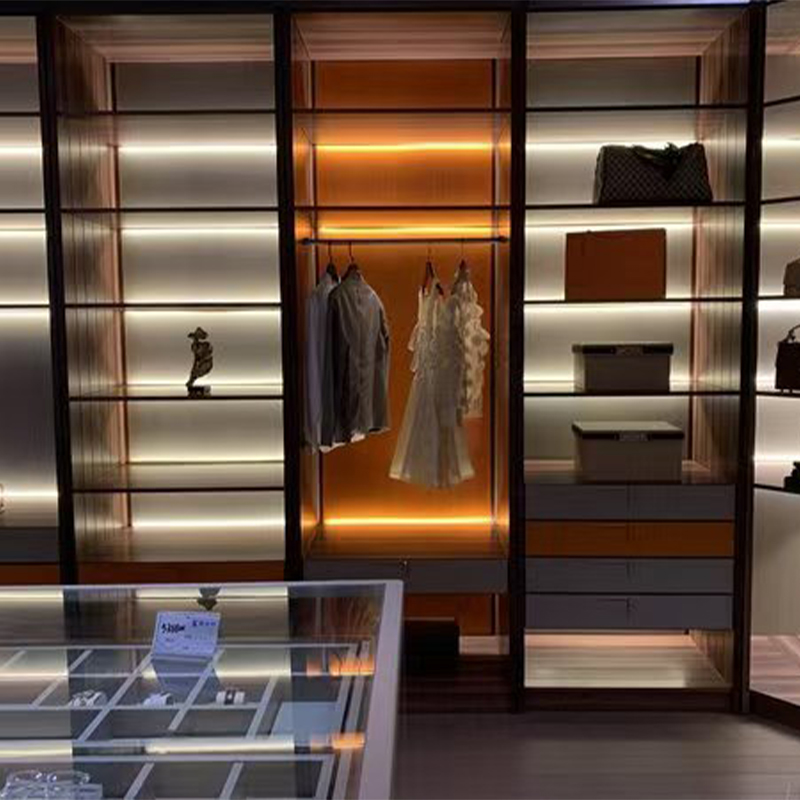
Clothing luggage display cabinets are specialized retail furniture designed to display a wide range of clothing and luggage. These showcases are usually made up of shelves, drawers, and hanging bars for different types of merchandise. They are made with a focus on visibility and accessibility and feature glass so that customers can easily view the products.

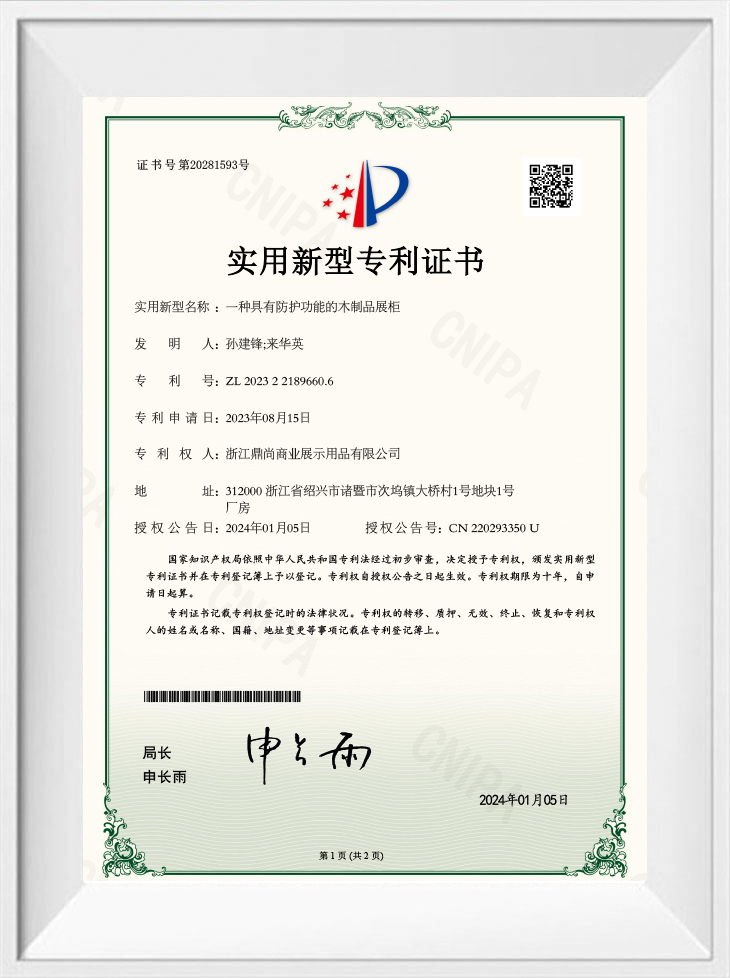


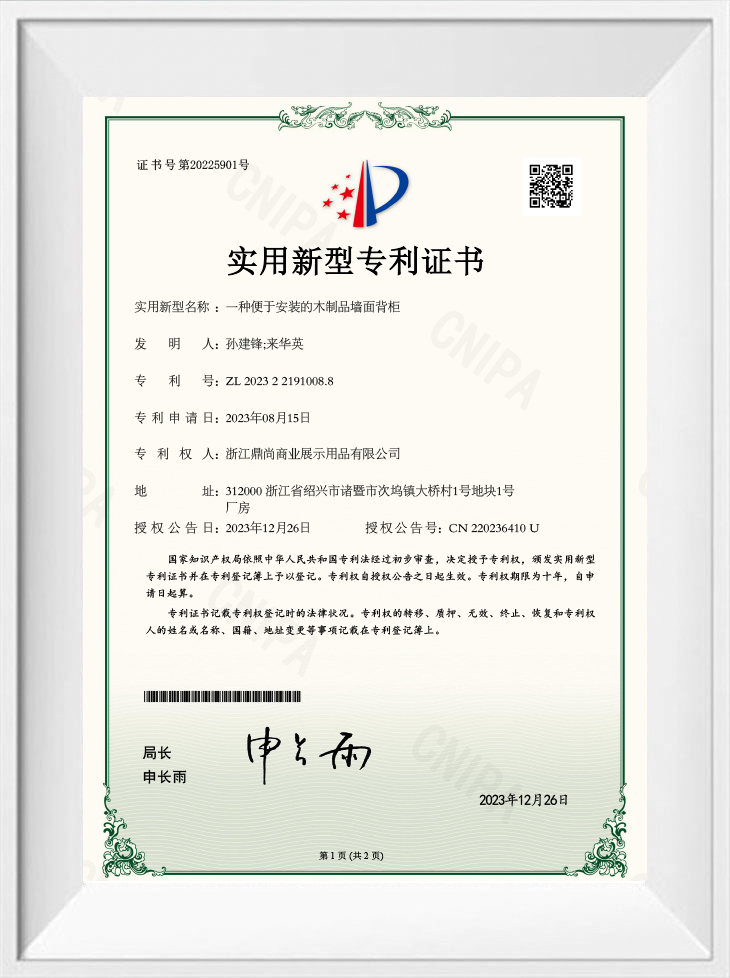

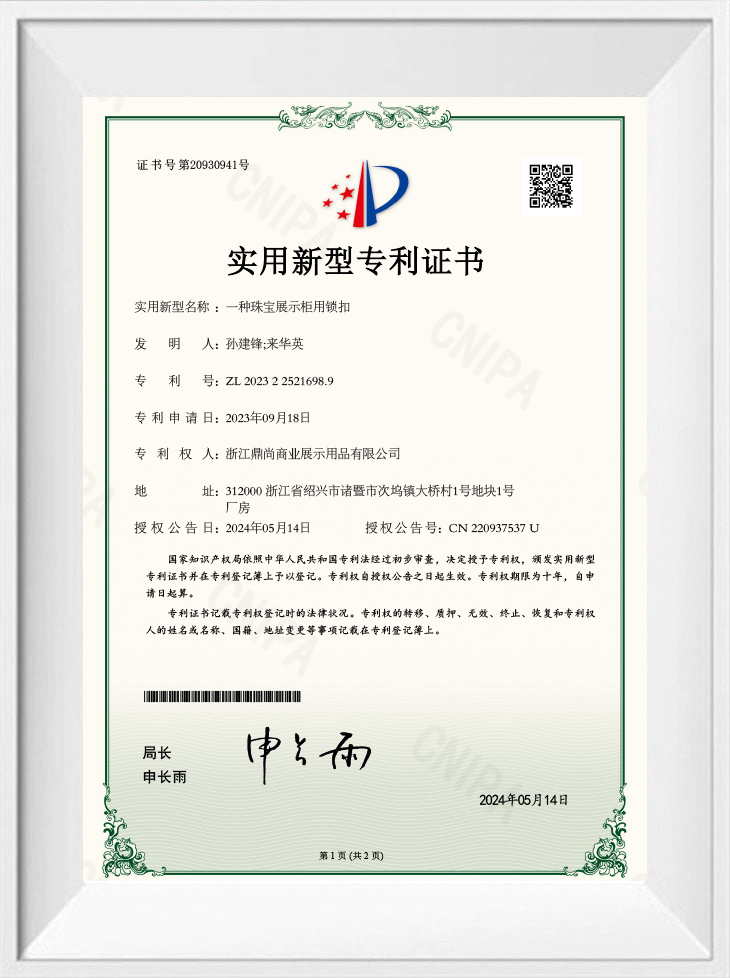




Walk into a clothing store where round racks pack the centre floor, the rear wall is lined with mismatched shelving, and the fitting room is a curtained corner next to the stockro...
READ MOREWalking through a jewelry store that feels right is never an accident. The spotlight hits a ring exactly where the customer's eye lands, the counter height invites a closer look, ...
READ MOREA customer walks into a clothing store, glances at the display table, and pauses. The folded shirts are neatly stacked, but at eye level the first thing they see is a mass of fold...
READ MORERETAIL FIXTURE PLANNING Choosing the Right Cosmetic Display Cabinet Starts Here A cosmetic display cabinet works best when it is matched to three things at once: the footprint ava...
READ MOREA clothing display cabinet is a piece of specialized retail furniture designed to present a range of clothing, and in some cases luggage and accessories, in a way that keeps merchandise both visible and easy to browse. These cabinets are usually built from a mix of shelves, drawers, and hanging bars suited to different types of merchandise, with a strong focus on visibility and accessibility, often including glass sections so customers can view folded or featured items without handling them directly.
A garment display cabinet differs from a general retail fixture in how it balances storage with presentation, combining hanging capacity for full garments with shelving and drawer space for folded items, accessories, or overflow stock. A clothing store display cabinet is also built with heavier duty hardware than a typical shelf unit, since hanging bars carry sustained weight from full garment rails throughout the day.
The best clothes display cabinet depends on the type of garment being shown and how customers are expected to interact with it on the sales floor.
Hanging bars work best for garments that need to show drape and silhouette, such as dresses, suits, and outerwear, while folded shelving suits knitwear and casual pieces that customers expect to see stacked by size or color. Drawer storage is generally reserved for smaller accessories or overflow stock that does not need to stay on open display throughout the day.
Open racks allow customers to touch and browse freely, which suits fast moving, everyday clothing lines, while a glass front retail clothing display cabinet works better for premium pieces where protecting the garment from handling and dust matters more than immediate physical access.
| Cabinet Type | Typical Placement | Best Suited For |
|---|---|---|
| Open hanging rack | Main sales floor | Everyday apparel, fast browsing |
| Glass front cabinet | Feature wall, entrance | Premium or delicate garments |
| Wall-mounted shelving unit | Perimeter wall | Folded knitwear, casual lines |
| Combination drawer cabinet | Counter area, back wall | Accessories, overflow stock |
MDF is a common base material for retail display furniture because it takes paint and veneer finishes evenly and machines cleanly into detailed shapes, making it well suited to fixtures that need a smooth, uniform look. Plywood generally holds screws and hardware more securely than MDF and resists moisture better over time, which is why plywood is often chosen for structural components such as hanging bar supports, while MDF is used for visible panels and decorative surfaces.
Metal framed clothing display cabinets are generally the most durable option for high traffic stores, resisting the dents, scuffs, and joint loosening that wood based fixtures can develop after repeated restocking. A powder coated metal frame also holds up well in stores with frequent layout changes, since hardware and shelving can be adjusted or removed without weakening the overall structure the way repeated screw removal can weaken particleboard or MDF over time.
| Material | Main Strength | Common Use |
|---|---|---|
| MDF | Smooth finish, detailed shaping | Panels, decorative surfaces |
| Plywood | Hardware strength, moisture resistance | Structural supports |
| Powder coated metal | High durability, adjustability | Frames, hanging bar supports |
| Tempered glass | Scratch resistance, visibility | Cabinet doors, viewing panels |
Wall mounted hanging systems and shelving make use of vertical space that a freestanding rack cannot offer, which is especially useful in a clothes shop display cabinet layout where floor space is limited. Keeping the center of a small store open for walking space, while pushing storage and display height to the walls, generally creates a more comfortable browsing experience than filling the floor with multiple freestanding units.
A combination cabinet that pairs a hanging bar with folded shelving and a drawer section lets a small store show more product variety without adding extra floor fixtures. Rotating stock between hanging and folded sections on a seasonal basis is a practical way to keep a small footprint feeling fresh without committing to additional furniture.
A custom retail display cabinet is built around a store's exact floor plan and brand identity rather than adjusting the layout to fit standard sized units, which matters most for boutiques and multi location chains that want consistent fixture dimensions across every store. Custom clothing store fixtures also make it easier to match finish, hardware, and hanging bar height to a specific garment category, whether that is tailored menswear, casual streetwear, or formal occasion pieces.
A bespoke clothing display cabinet program generally starts with a design drawing based on the store's exact dimensions, followed by a sample or prototype unit before full production begins. Working with a manufacturer that supports both prototype sampling and larger wholesale volume within the same facility shortens the path from initial design approval to finished, installed fixtures across a full store rollout.
Cost for a clothing display cabinet depends on material choice, size, hardware quality, and whether the unit is a standard model or a fully custom build, so a like for like comparison should account for all of these factors rather than material type alone. Requesting a quote against a specific drawing, including hanging bar length, shelf count, and finish, remains the most reliable way to budget a project, since two cabinets built from the same material can vary significantly in price depending on hardware and finish detail.
Zhejiang SUNTOP Commercial Display Products Co., Ltd was established in 2009 and specializes in creating commercial display spaces, providing custom commercial display cabinet services for jewelry, watches, museums, and retail stores, including clothing and garment display cabinets. The company integrates design planning, display cabinet and prop production, and decoration and renovation contracting management, helping clients create a display space that better fits their brand positioning from initial concept through final installation.
The factory covers 25 acres, with floor space reaching 25,000 square meters and an annual production capacity of over 100 million, supporting both bespoke clothing display cabinet projects for individual boutiques and larger wholesale programs for multi location retail chains within the same production facility.
The best material depends on use, though powder coated metal generally offers the strongest durability while MDF and plywood work well for panels and decorative surfaces.
MDF works well for panels and decorative surfaces that need a smooth, even finish, though it is generally less moisture and impact resistant than plywood or metal.
Plywood generally holds hardware more securely and resists moisture better, making it a stronger choice for structural parts, while MDF suits visible decorative panels.
Tempered glass is the standard choice for display cabinet doors and viewing panels, since it resists scratching and impact better than untreated glass.
Metal framed cabinets are generally very durable, resisting the dents and loosening joints that wood based fixtures can develop after repeated restocking and layout changes.
The best cabinet depends on garment type, though a combination unit with hanging bars, shelving, and drawer storage covers the widest range of everyday retail needs.
Powder coated metal is generally the most durable option for high traffic stores, while wood based materials suit fixtures focused more on finish and appearance.
Using wall mounted hanging systems and combination cabinets keeps the center floor open for walking space while still showing a full range of product on the walls.
Cost depends on material, size, hardware, and whether the unit is standard or custom built, so requesting a quote against a specific drawing is the most reliable way to budget a project.


 ਪੰਜਾਬੀ
 English
 عربى
عربى русский
 中文简体
中文简体