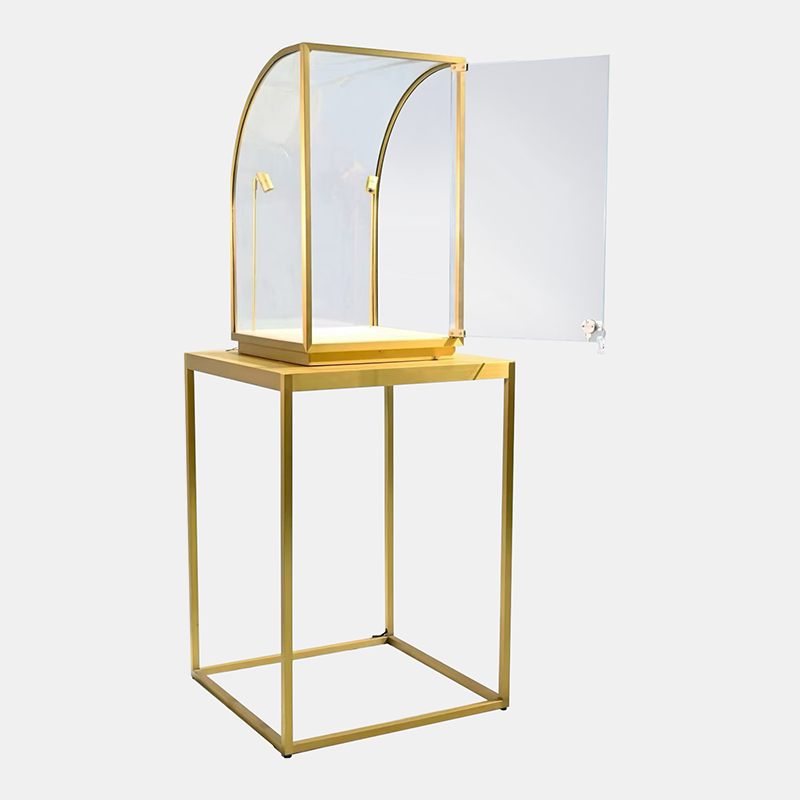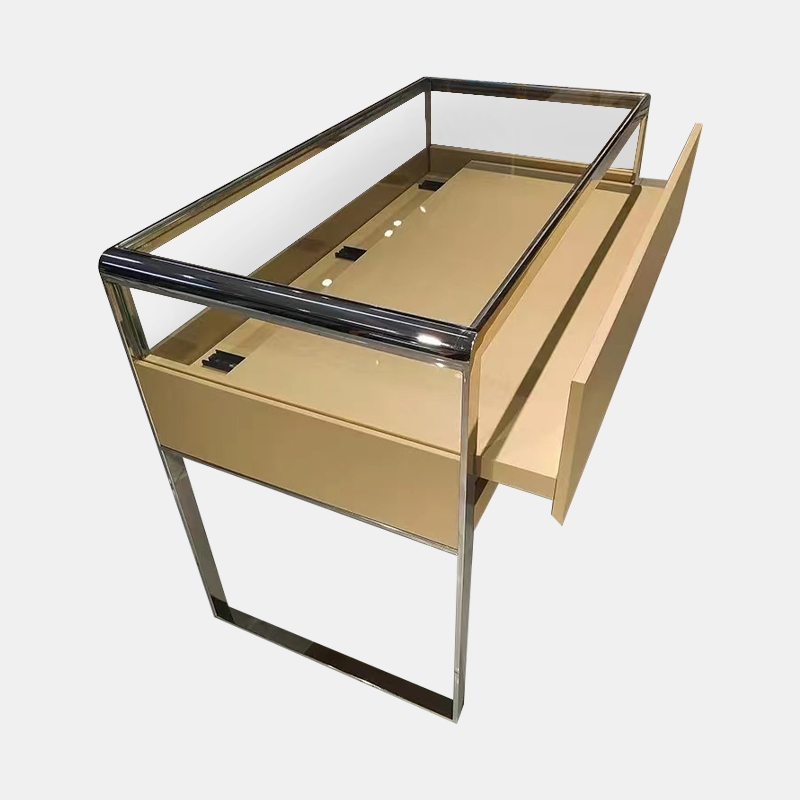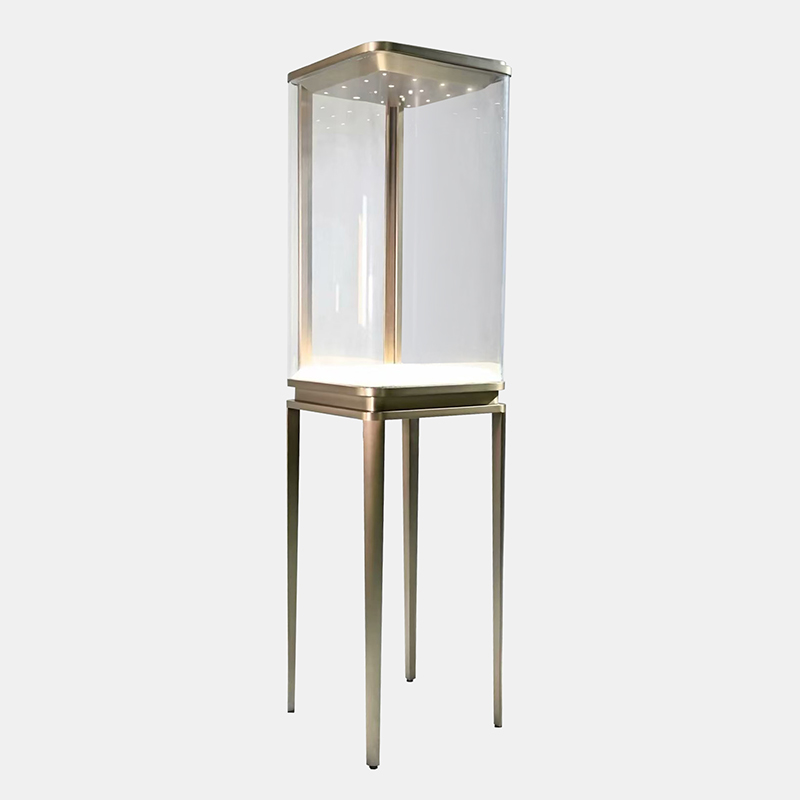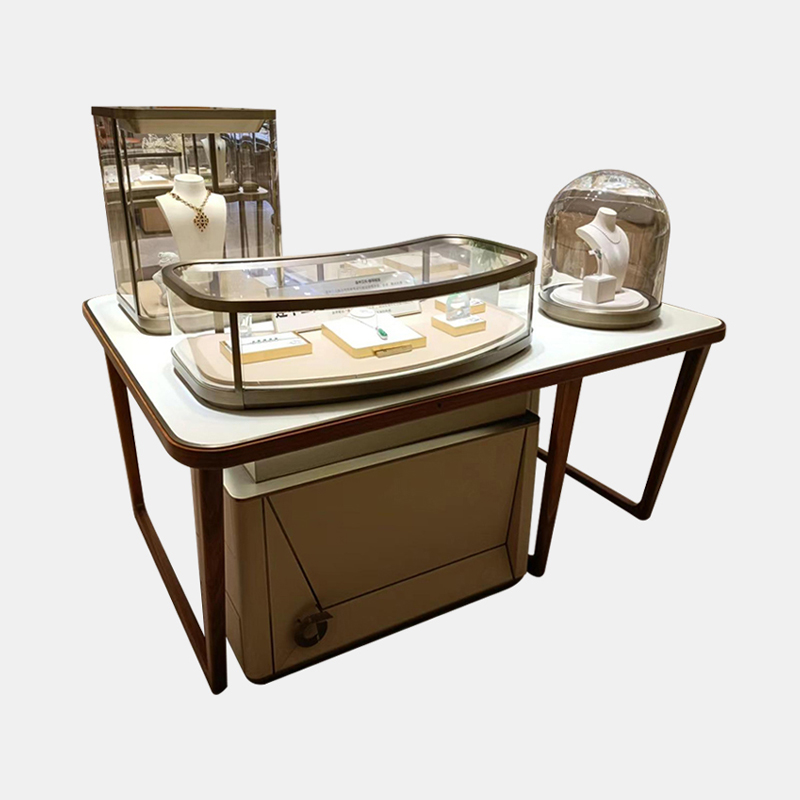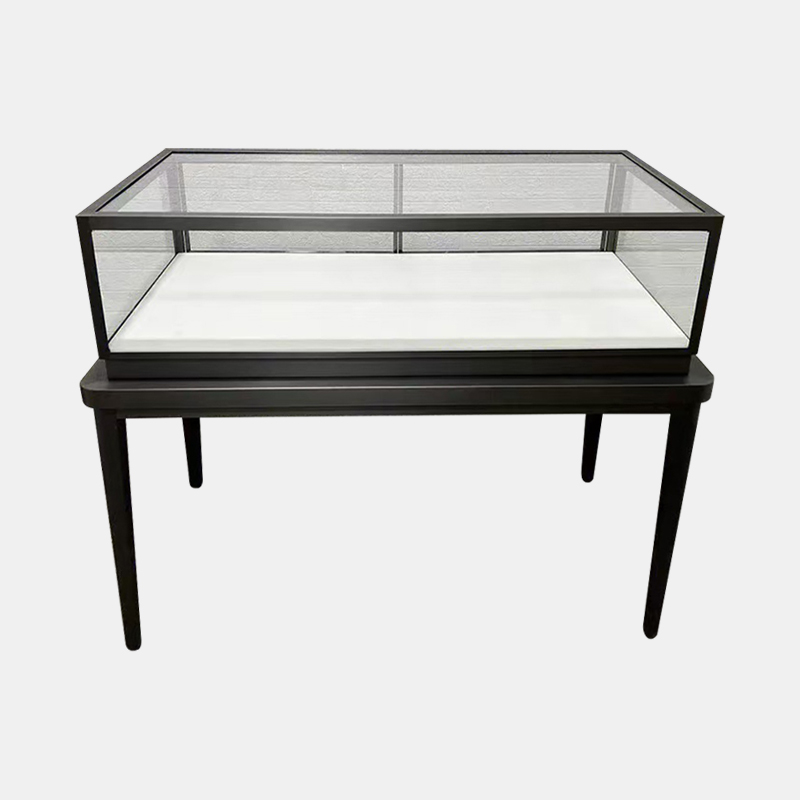
Customised showcases can be tailored to meet the specific needs of customers, offering a wide range of materials, shapes, colors, and sizes to ensure that each showcase fits perfectly with the customer's brand image and display needs. Through exquisite craftsmanship and high-end quality, customized showcases not only meet the functional requirements but also display a unique personalized style, becoming an ideal platform for displaying products.




Walking through a jewelry store that feels right is never an accident. The spotlight hits a ring exactly where the customer's eye lands, the counter height invites a closer look, ...
READ MOREA customer walks into a clothing store, glances at the display table, and pauses. The folded shirts are neatly stacked, but at eye level the first thing they see is a mass of fold...
READ MORERETAIL FIXTURE PLANNING Choosing the Right Cosmetic Display Cabinet Starts Here A cosmetic display cabinet works best when it is matched to three things at once: the footprint ava...
READ MOREEvery purchase in a jewelry or watch store passes through the same gate: the display case. Before a customer touches a ring or tries on a watch, the case has already made the firs...
READ MOREA customized display showcase is a retail fixture built to a specific set of requirements rather than pulled from a fixed catalog size, giving a retailer control over material, shape, color, and dimensions so the finished unit matches both brand image and product needs. Through detailed craftsmanship and consistent build quality, a customized display showcase meets the functional requirements of everyday retail use while also carrying a distinct, personalized style that a standard case cannot always offer, making it a strong platform for presenting products in a way that reflects the brand around them.
A standard retail display case is built to a fixed size and finish, produced in volume for general use across many types of stores. A custom display showcase is instead built around a specific floor plan, product dimension, or brand color palette, which is why retail chains planning multiple locations often move from standard units to a custom retail display program once store count and brand consistency become a priority.
Choosing the right retail display case starts with the product itself, then moves outward to store layout, lighting, and security needs.
Small, high value items such as jewelry and watches generally call for a countertop or wall mounted retail display showcase with a shallow depth and secure locking, while apparel, footwear, and electronics often need a deeper retail display cabinet with adjustable shelving to hold larger product groupings. Matching the case format to the product first, rather than choosing a case style and fitting products into it afterward, tends to produce a cleaner and more functional layout.
Walkway clearance around a planned fixture matters as much as the case dimensions themselves, since a retail display case that is too deep for the aisle around it will slow customer traffic even if the case itself looks appropriate on paper. Measuring the intended floor position before finalizing a custom retail display case order helps avoid a costly resize after the fact.
| Product Category | Recommended Format | Typical Depth |
|---|---|---|
| Jewelry and watches | Countertop showcase | 18 to 22 inches |
| Apparel and accessories | Freestanding display cabinet | 24 to 30 inches |
| Electronics and gadgets | Wall mounted display case | 20 to 26 inches |
| Museum and collectible items | Sealed conservation showcase | 16 to 24 inches |
Tempered glass remains the most common material for a retail display case because it resists scratching and impact far better than acrylic over years of daily handling, cleaning, and restocking. Low iron glass is often specified for premium retail display cabinets since it removes the greenish tint found in standard glass, keeping product color and finish true under store lighting.
Acrylic is lighter than glass and less likely to shatter into sharp pieces if damaged, which makes it a practical choice for portable displays, trade show fixtures, and temporary retail setups. For permanent, heavily used fixtures, glass generally holds its clarity and finish longer than acrylic, which tends to scratch more easily under repeated cleaning with abrasive materials.
| Factor | Tempered Glass | Acrylic |
|---|---|---|
| Scratch resistance | High | Moderate |
| Weight | Heavier | Lighter |
| Clarity over time | Stays clear longer | Can yellow or haze |
| Best use case | Permanent retail fixtures | Portable or temporary displays |
LED lighting built into the shelf or frame of a retail display cabinet draws customer attention to featured products while keeping heat output low compared to older lighting types. Adjustable color temperature is increasingly common on custom units, letting a store shift lighting tone to match seasonal merchandising or a specific product category without replacing the entire fixture.
A well built retail display case combines locking hardware appropriate to the product value with a frame material strong enough to handle daily restocking without loosening joints or hinges. Sliding or hinged doors should be tested for smooth operation before a fixture goes into daily use, since a sticking door is one of the most common complaints raised about retail display cabinets after installation.
Ordering custom retail fixtures wholesale allows a multi location retailer to keep glass tone, hardware finish, and cabinet dimensions consistent across every store, which is difficult to achieve when sourcing individual units from different suppliers over time. A single design drawing can also be reused for repeat orders as new stores open, reducing the design work needed for each additional location.
A dependable retail display fixtures manufacturer should be able to provide a sample panel or prototype before committing to a full production run, along with clear confirmation of glass type, hardware, and finish. Working with a retail display fixtures supplier that supports both prototype sampling and larger wholesale volume within the same facility generally shortens the path from design approval to store installation.
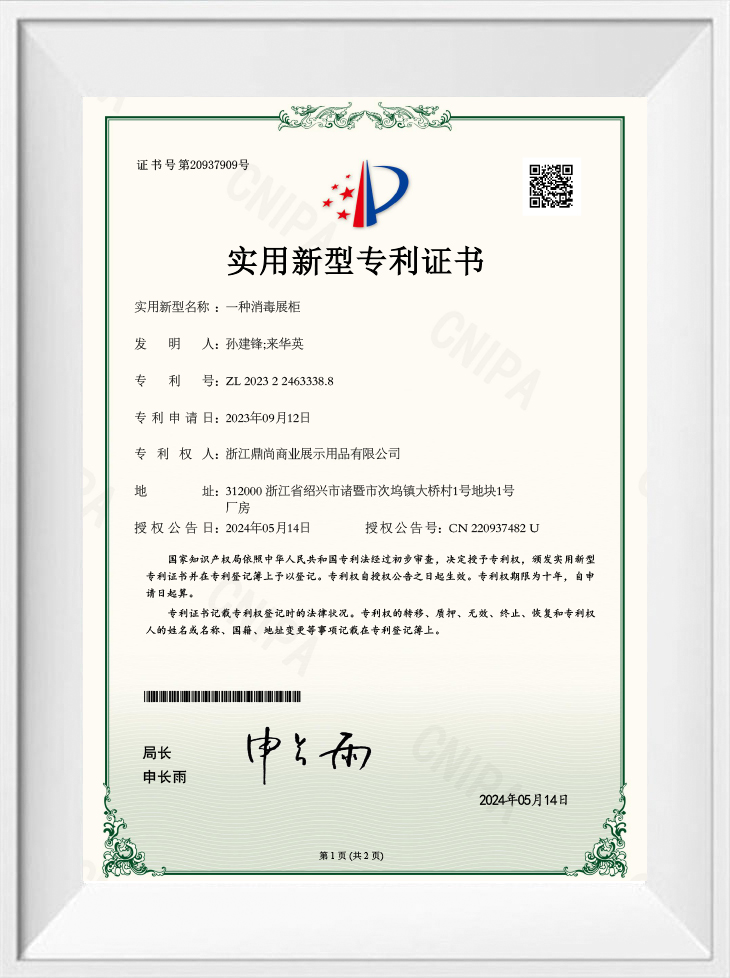
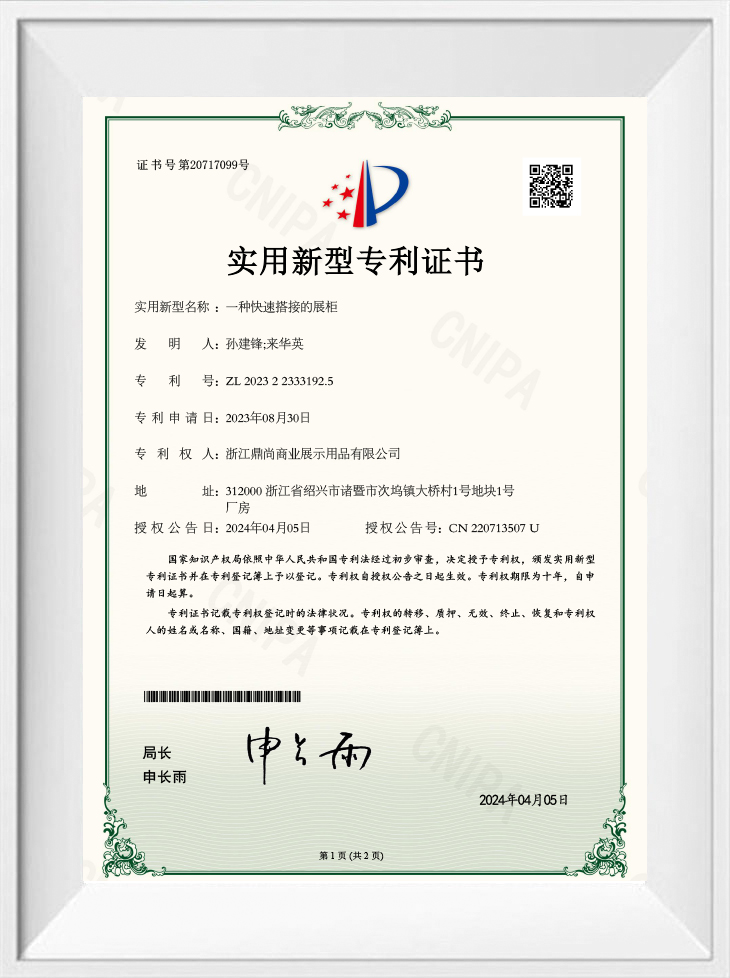
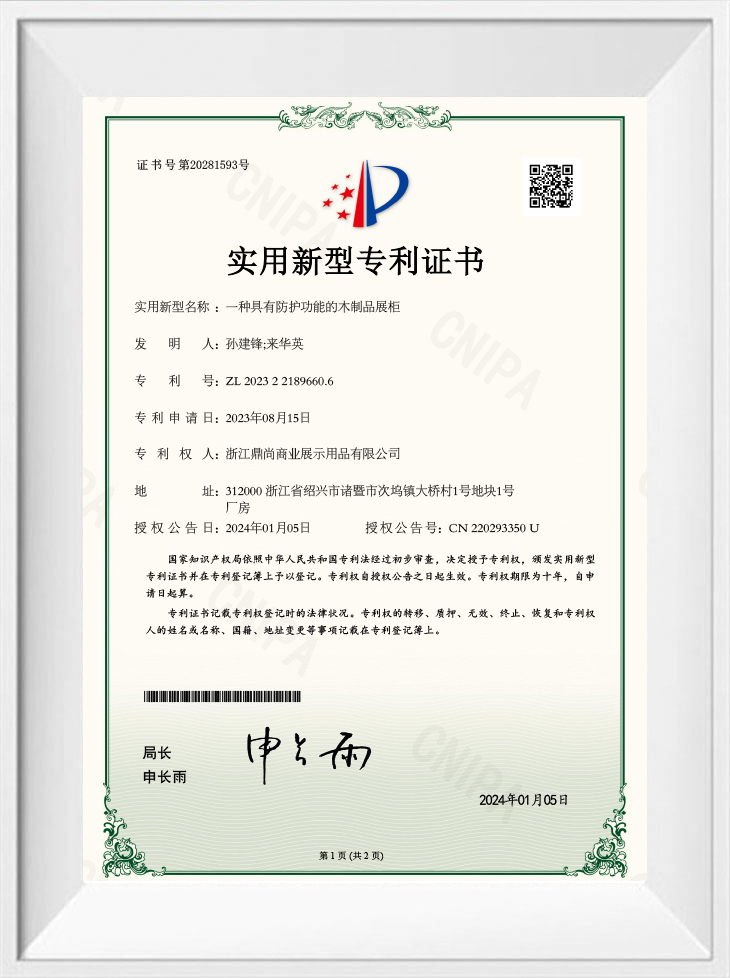
Zhejiang SUNTOP Commercial Display Products Co., Ltd is a China customized display showcase manufacturer and factory, established in 2009 and specializing in wholesale customized display showcase production. As a professional China display showcase manufacturer and customized display showcase factory, the company provides custom commercial display cabinet services for jewelry, watches, museums, and retail stores, integrating design planning, display cabinet and prop production, and decoration and renovation contracting management within a single process to create a display space that fits each client's brand positioning.
The factory covers 25 acres, with floor space reaching 25,000 square meters and an annual production capacity of over 100 million, supporting custom retail fixtures wholesale programs alongside fully custom, single location projects within the same production facility.
Start with the product type and quantity, then match case depth, glass type, lighting, and locking hardware to the store layout and product value.
Look for tempered, low iron glass, smooth operating doors, secure locking hardware, and LED lighting suited to the products being displayed.
The best type depends on the product, though a glass countertop showcase suits small high value items while a deeper display cabinet works better for apparel or electronics.
A good retail display combines clear product visibility, appropriate lighting, secure construction, and a finish that fits the surrounding store design.
Measure the available floor space and product dimensions first, then select a cabinet depth, material, and locking system that fits both the products and the walkway around it.
Tempered glass is generally the best material for permanent retail fixtures, offering stronger scratch and impact resistance than acrylic over years of daily use.
Tempered, low iron glass is generally preferred, since it resists impact and avoids the greenish tint that can distort true product color under store lighting.
Glass generally performs better for permanent, heavily used retail fixtures, while acrylic suits lighter, portable, or temporary display needs.


 ਪੰਜਾਬੀ
 English
 عربى
عربى русский
 中文简体
中文简体