Our latest research and development of intelligent PDU, has formally passed the test, and will be in the middle of next month official mass production, the batch of acceptance of Taiwan customers 300 test orders, intelligent PDU is also known as remote power manager (Reachctrl Power), IP power, intelligent power, rack-mounted power distribution unit, both power distribution and management functions. It can monitor parameters such as supply voltage, supply voltage frequency, and output current of each channel, and it can also achieve remote control, centralized management, automatic cycle control, security management, reliability management, etc., which is a good helper for power management.
Walking through a jewelry store that feels right is never an accident. The spotlight hits a ring exactly where the customer's eye lands, the counter height invites a closer look, ...
READ MOREA customer walks into a clothing store, glances at the display table, and pauses. The folded shirts are neatly stacked, but at eye level the first thing they see is a mass of fold...
READ MORERETAIL FIXTURE PLANNING Choosing the Right Cosmetic Display Cabinet Starts Here A cosmetic display cabinet works best when it is matched to three things at once: the footprint ava...
READ MOREEvery purchase in a jewelry or watch store passes through the same gate: the display case. Before a customer touches a ring or tries on a watch, the case has already made the firs...
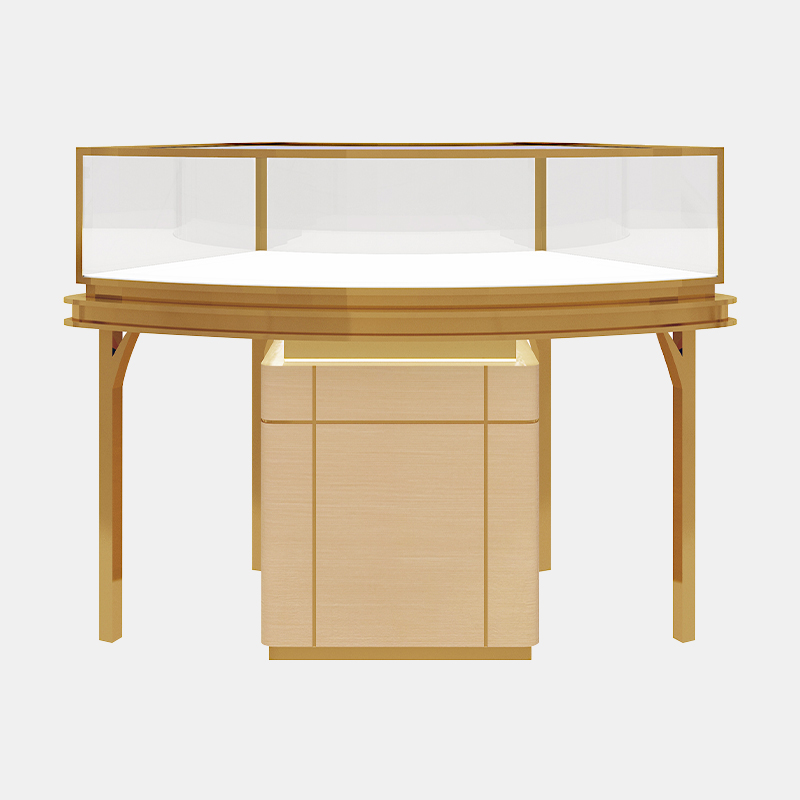
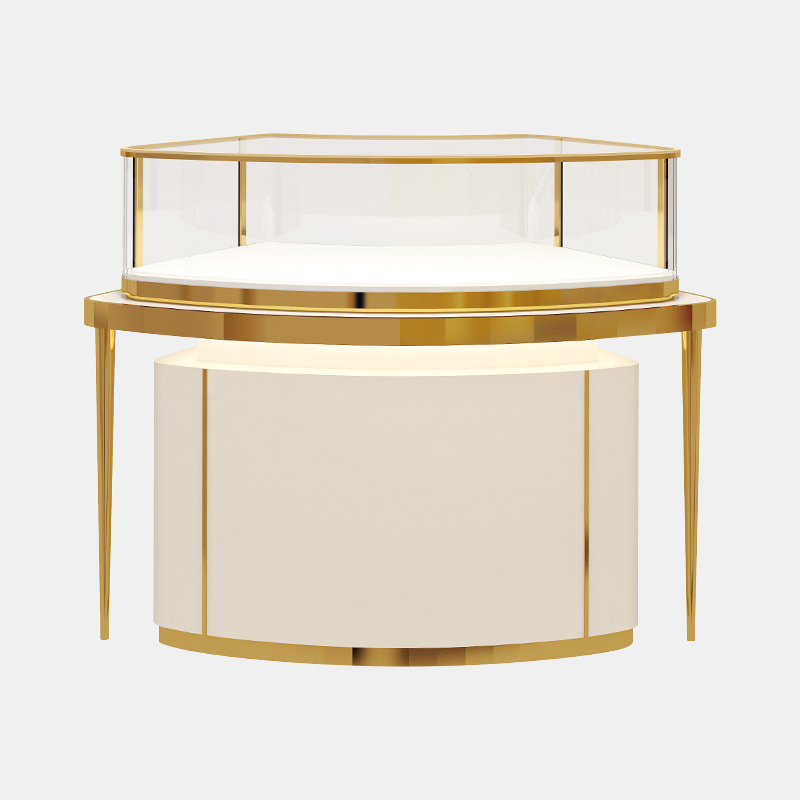
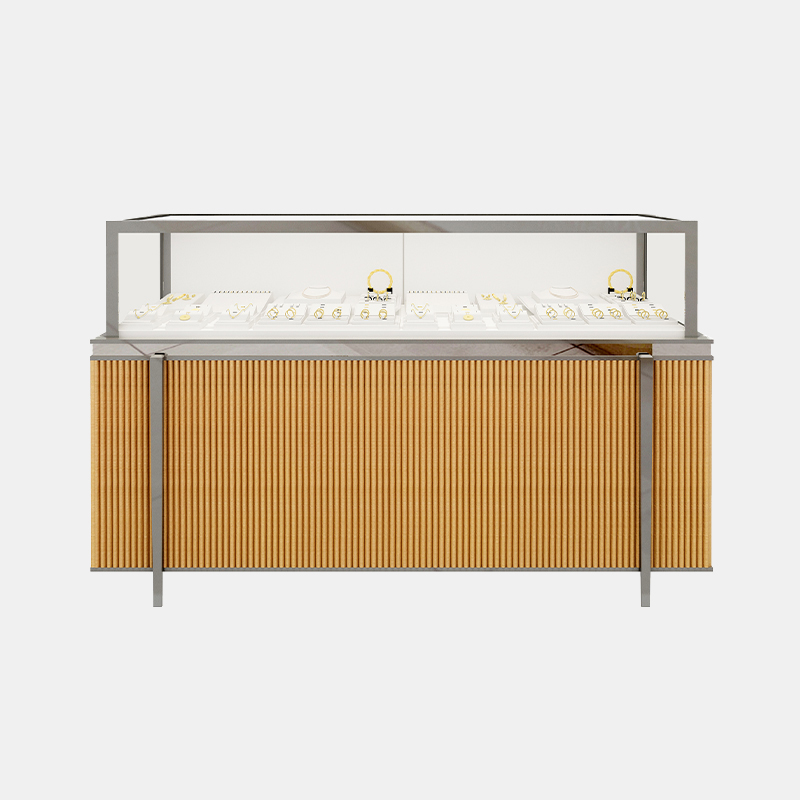
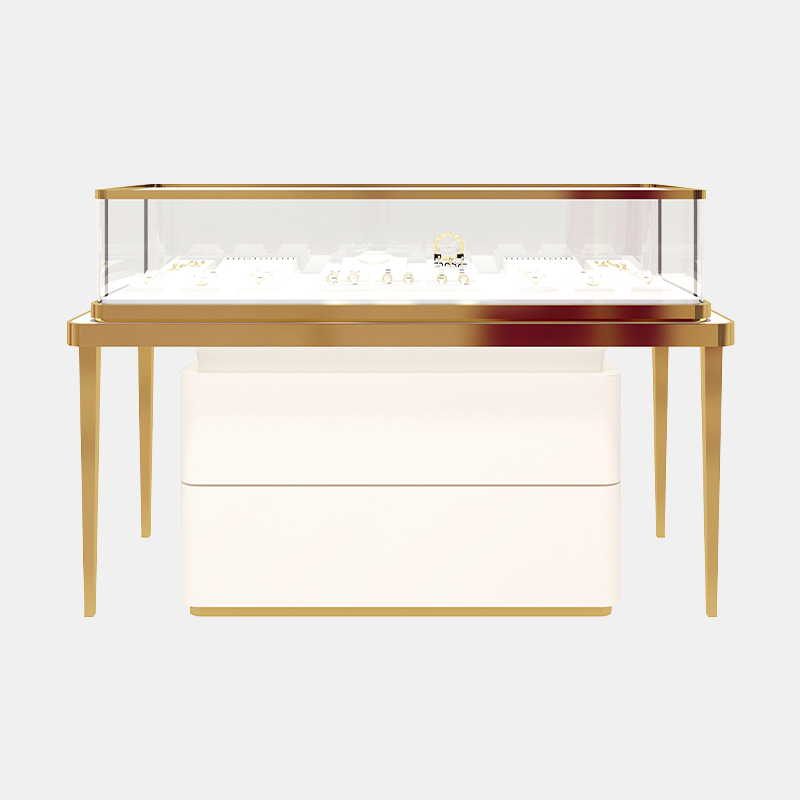
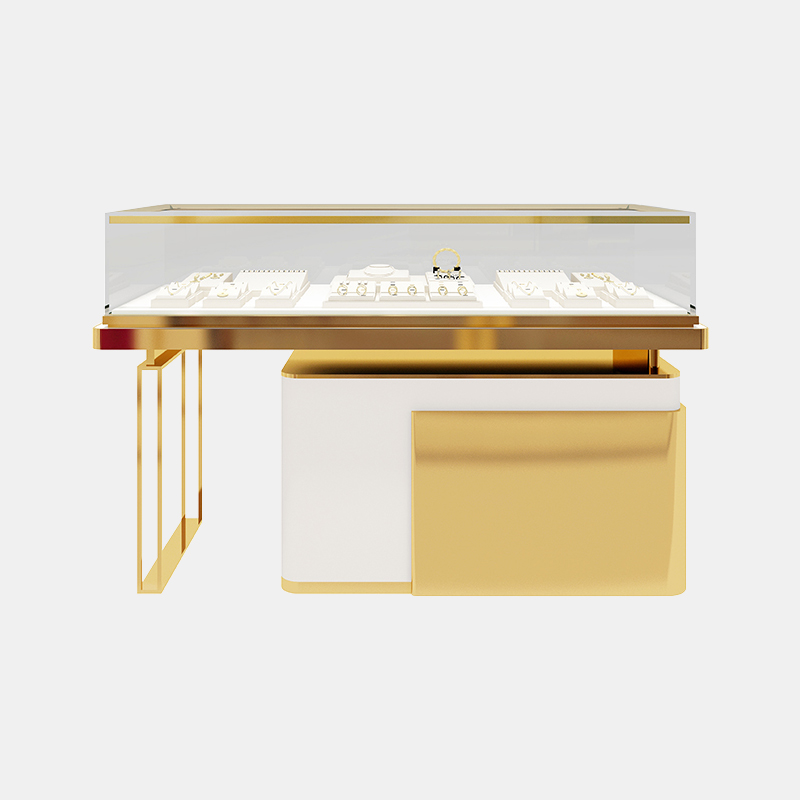
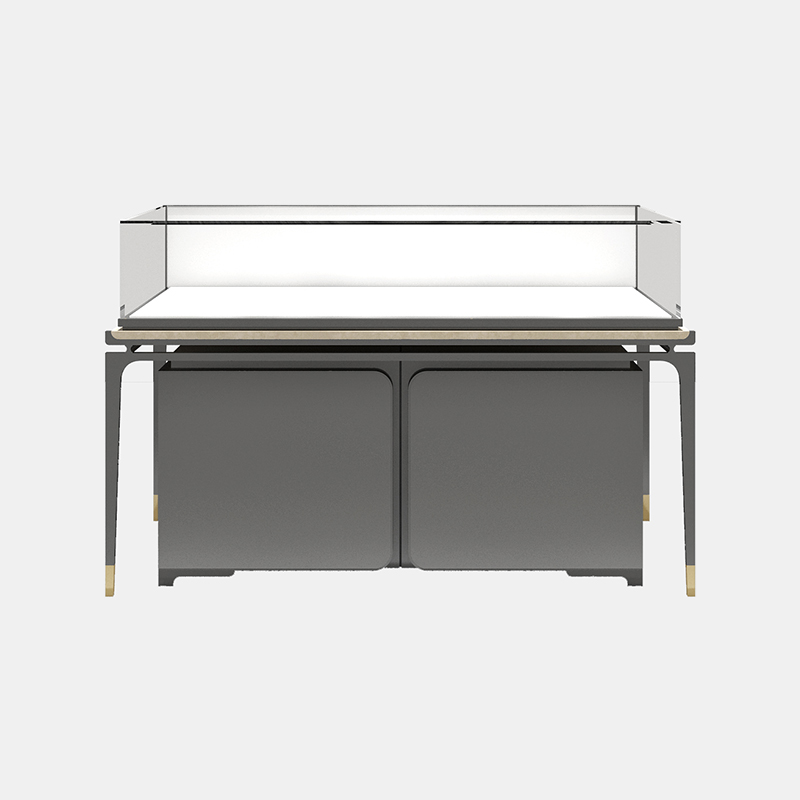
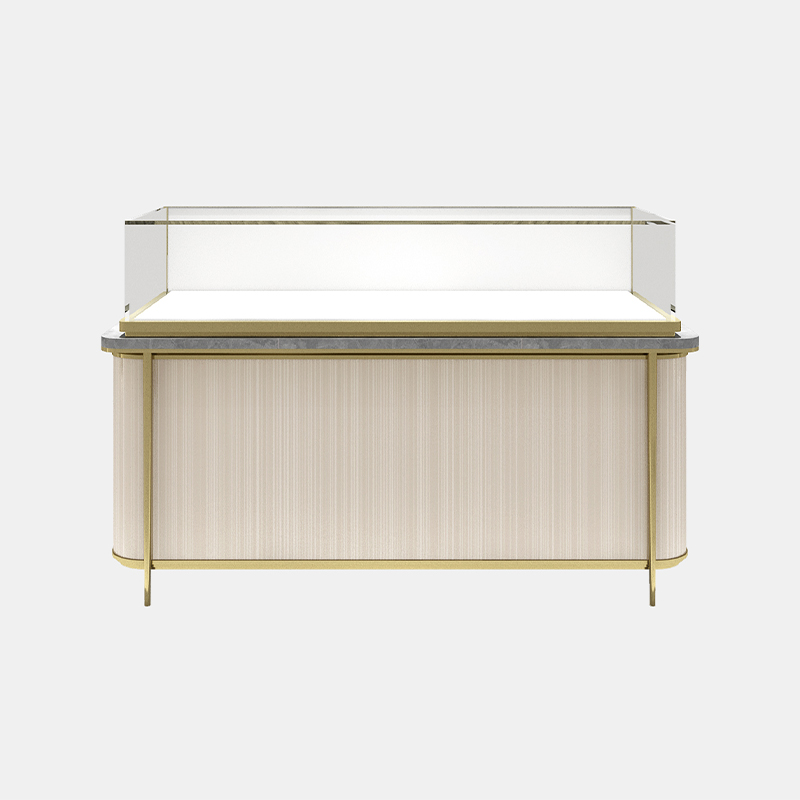
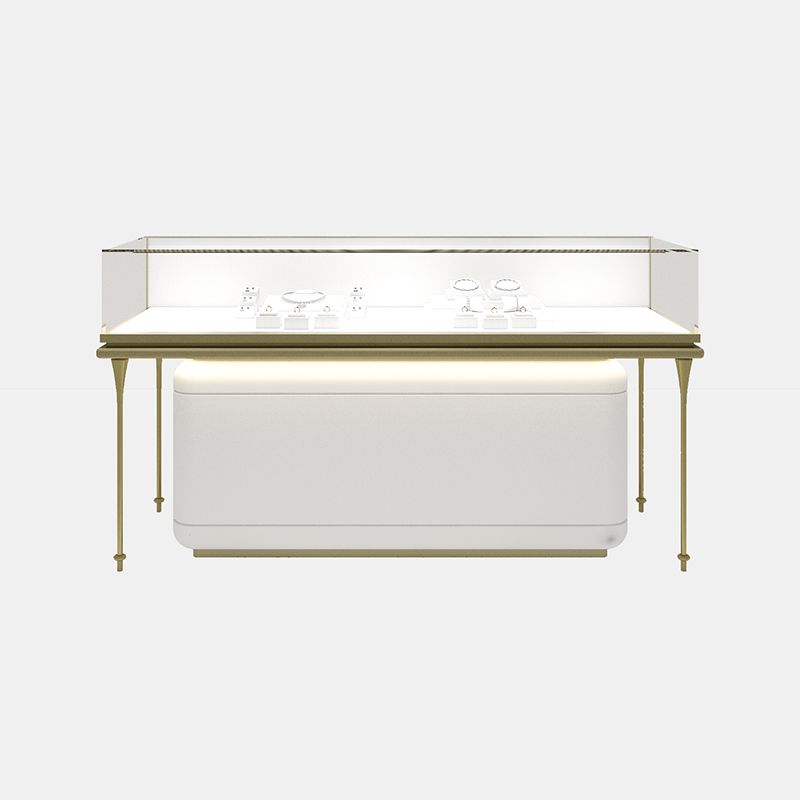
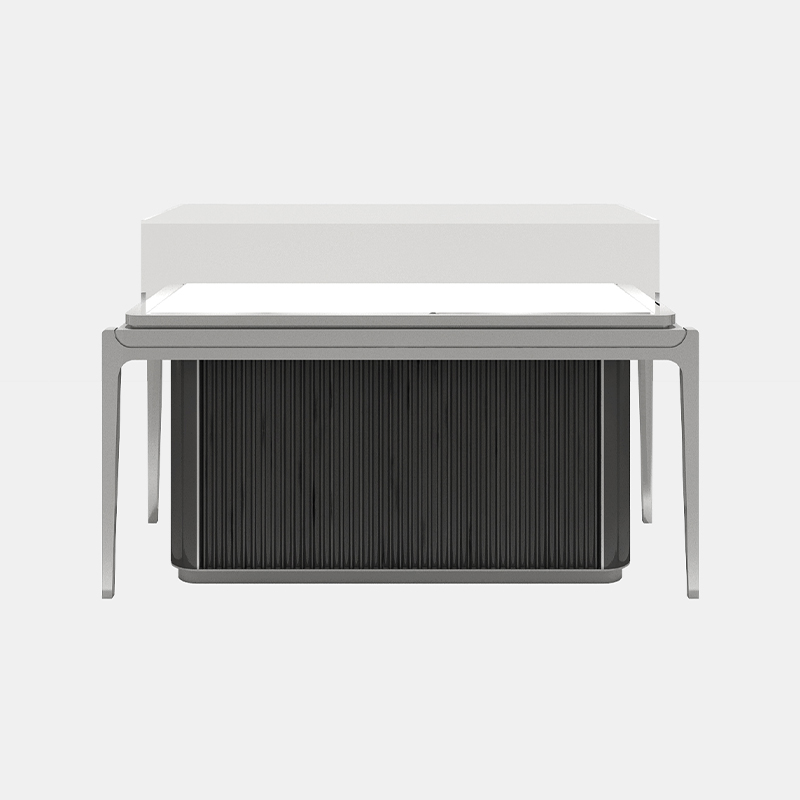
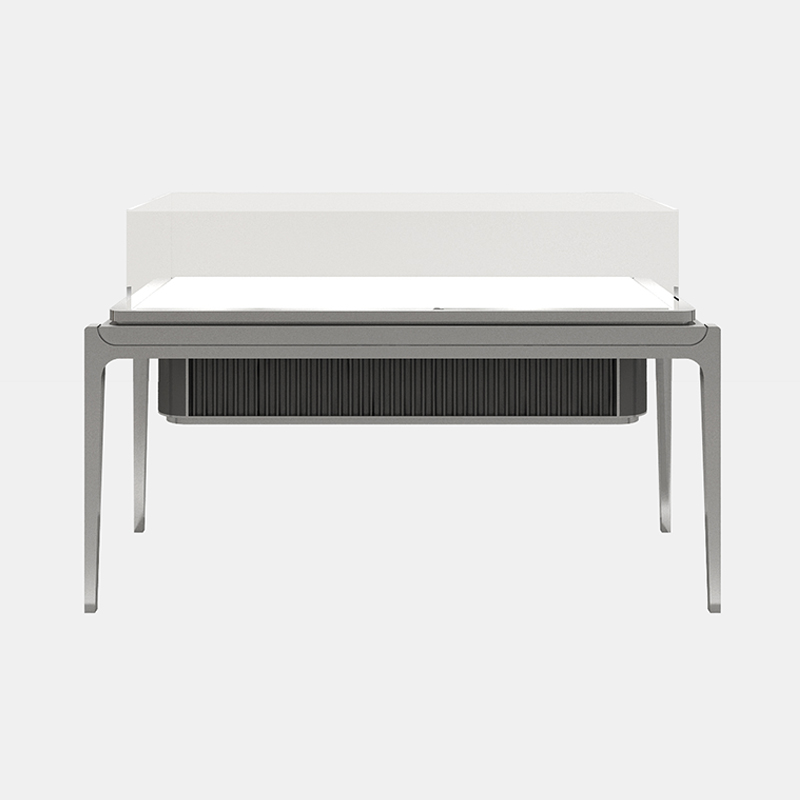
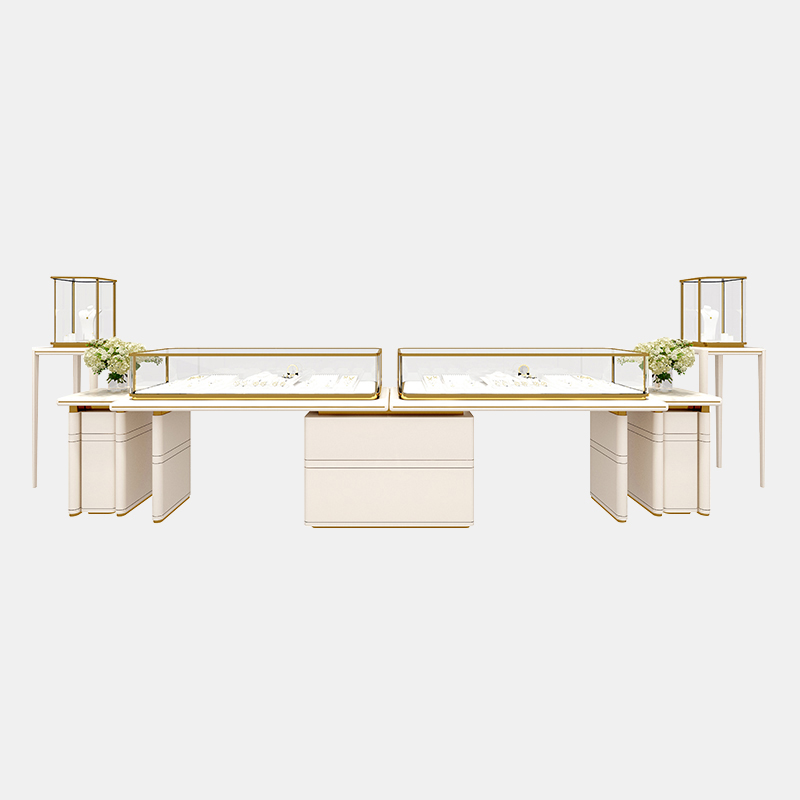
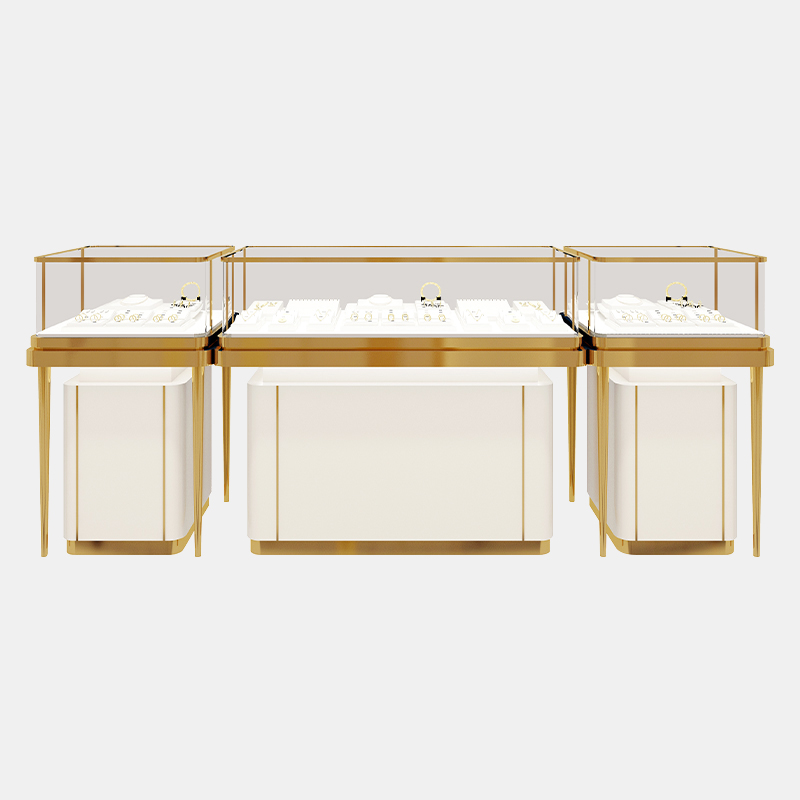
READ MOREA jewelry showcase is a specialized retail fixture built to present rings, necklaces, watches, and other small high value items behind secure glass, while keeping every piece clearly visible and well lit. Unlike a general retail display cabinet, a jewelry showcase is engineered around three priorities at once: visibility, security, and product protection, since the items inside are both small and valuable. Jewelry cabinets extend this same idea into closed storage units used behind the counter, holding stock, packaging, and tools out of customer view while staying within easy reach of staff.
A jewelry showcase is generally glass fronted and positioned on the sales floor for direct customer viewing, while a jewelry cabinet is more often closed storage, sometimes glass fronted as well, placed along a back wall or behind a counter. Many stores combine both formats, pairing a countertop showcase for daily browsing with wall mounted jewelry cabinets for overflow stock and higher value pieces.
Jewelry store display cases fall into a handful of established formats, each suited to a different part of the sales floor.
A jewelry wall showcase runs along the perimeter of the store, using vertical space that a countertop case cannot offer, which makes it useful for stores that want to display a large watch or ring collection without crowding the floor. Jewelry wall cabinets built with sliding or hinged glass doors combine this same wall space with lockable storage, letting staff restock directly from the back without removing the full display.
Freestanding cases sit in the center of the floor and are viewed from multiple sides, making them a common choice for feature collections near the entrance. Countertop jewelry display cases sit at the point of sale, where staff can retrieve items directly while assisting a customer, and typically use a lower profile so the case does not block eye contact across the counter.
| Format | Typical Placement | Best Suited For |
|---|---|---|
| Countertop showcase | Point of sale counter | Rings, earrings, small pieces |
| Freestanding showcase | Center of store floor | Featured or seasonal collections |
| Jewelry wall showcase | Perimeter walls | Watches, large collections |
| Jewelry wall cabinet | Back wall, behind counter | Stock storage, higher value items |
Beyond format, a handful of technical specifications determine how well a jewelry display case performs day to day on a busy sales floor.
Tempered glass is the standard choice for jewelry display cases, since it resists impact better than standard annealed glass and breaks into small, less hazardous pieces if it fails. Low iron glass is frequently specified for jewelry work because it removes the greenish tint found in ordinary glass, which is important when a case is meant to show the true color of gold, gemstones, and precious metal finishes. Glass thickness of around 5 to 6 millimeters is common for viewing panels, with thicker glass sometimes used for larger sliding doors.
Countertop jewelry cases are typically built around 38 to 42 inches in height, matching a comfortable standing eye line for most adult customers, while jewelry wall showcases often run taller, from 60 inches up to full wall height, to make use of vertical wall space. Depth is usually shallower than general retail cabinets, with most jewelry display cases falling between 18 and 24 inches deep, since jewelry items are small and do not need the deeper shelving used for apparel or electronics.
| Case Type | Typical Height | Typical Depth |
|---|---|---|
| Countertop showcase | 38 to 42 inches | 18 to 22 inches |
| Freestanding showcase | 40 to 44 inches | 20 to 24 inches |
| Jewelry wall showcase | 60 to 96 inches | 14 to 18 inches |
Standard sized cases work well for a single small shop, but chains, franchise stores, and brand boutiques usually need dimensions that match an exact floor plan, lighting scheme, or brand color palette. In these situations, working with a custom jewelry showcase manufacturer allows the case height, lock placement, shelf spacing, and finish to be built around the store design rather than adjusting the store to fit off the shelf fixtures. Custom cases also make it easier to keep a consistent look across multiple store locations, since the same drawing can be reused for repeat orders.
Buyers planning several locations, or a full store renovation, generally benefit from sourcing through a jewelry display case manufacturer rather than piecing together individual units, since wholesale jewelry showcases ordered as a matched set arrive with consistent glass tone, hardware, and finish across every unit. A jewelry display case manufacturer china based operation can often support both prototype sampling and larger wholesale production runs within the same supply chain, which shortens the path from design approval to store installation.
Zhejiang SUNTOP Commercial Display Products Co., Ltd is a China jewelry showcase manufacturer and customized jewelry wall cabinets factory, established in 2009 and focused on building commercial display spaces for jewelry, watches, museums, and retail stores. Positioned as a professional manufacturer of jewelry showcase fixtures, the company combines design planning, display cabinet and prop production, and decoration and renovation contracting management within a single process, helping clients build a display space that fits their brand positioning from the first sketch through final installation.
The factory covers 25 acres, with floor space reaching 25,000 square meters and an annual production capacity of over 100 million, supporting jewelry wall display cabinet programs at wholesale scale alongside fully custom, single store projects. This combination of scale and custom capability allows the same production line to serve an independent boutique ordering one showcase and a multi location retail chain ordering matched fixtures for dozens of stores.
A jewelry showcase is a glass fronted retail fixture built to display rings, necklaces, and watches securely while keeping every piece clearly visible to customers.
The best case depends on placement, though a countertop showcase with tempered, low iron glass and adjustable LED lighting is a common choice for most jewelry counters.
Tempered, low iron glass is generally preferred, since it resists impact and avoids the greenish tint that can distort how gold and gemstones appear under store lighting.
Countertop cases typically run 38 to 42 inches tall, while jewelry wall showcases are often built from 60 inches up to full wall height.
Most jewelry display cases are 18 to 24 inches deep, shallower than general retail cabinets, since jewelry items are small and do not require deep shelving.
Most cases combine a metal or wood frame with tempered glass panels, paired with LED lighting and a locking mechanism to secure the contents.
Cost depends on size, glass type, lighting, hardware, and whether the case is a standard model or a fully custom build, so requesting a quote against a specific drawing is the most reliable way to budget a project.
For chains, boutiques, or full renovations, custom cases are often worth the added planning time, since they match exact floor plans and keep a consistent look across multiple locations.
A jewelry wall showcase or wall cabinet with adjustable shelving and built in lighting is the standard approach, making use of vertical space without crowding the sales floor.
A lockable jewelry wall cabinet with sliding or hinged glass doors, adjustable shelves, and integrated lighting generally works best, since it combines secure storage with clear product visibility.


 ਪੰਜਾਬੀ
 English
 عربى
عربى русский
 中文简体
中文简体