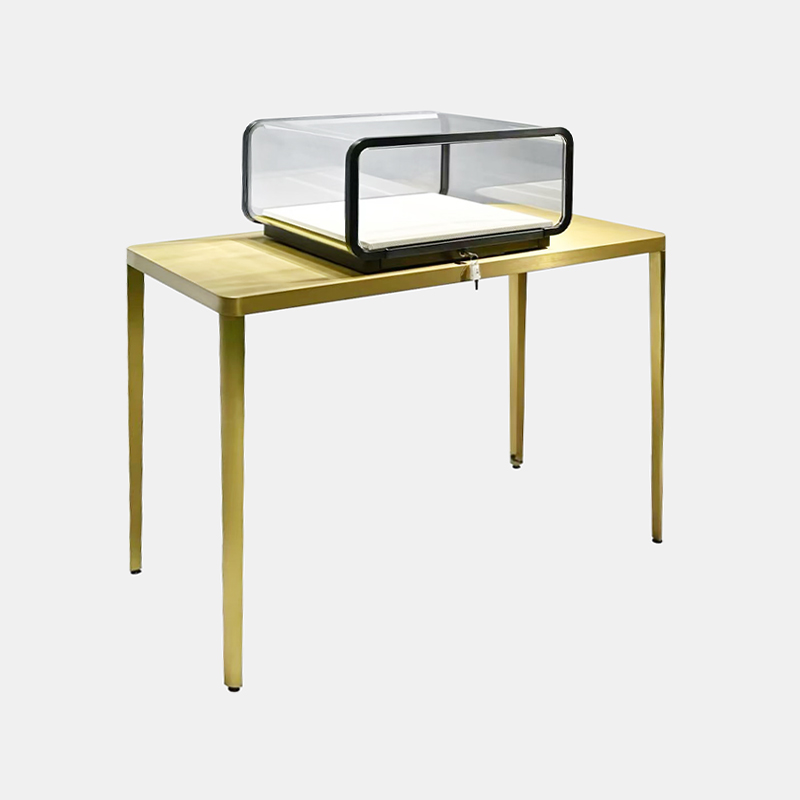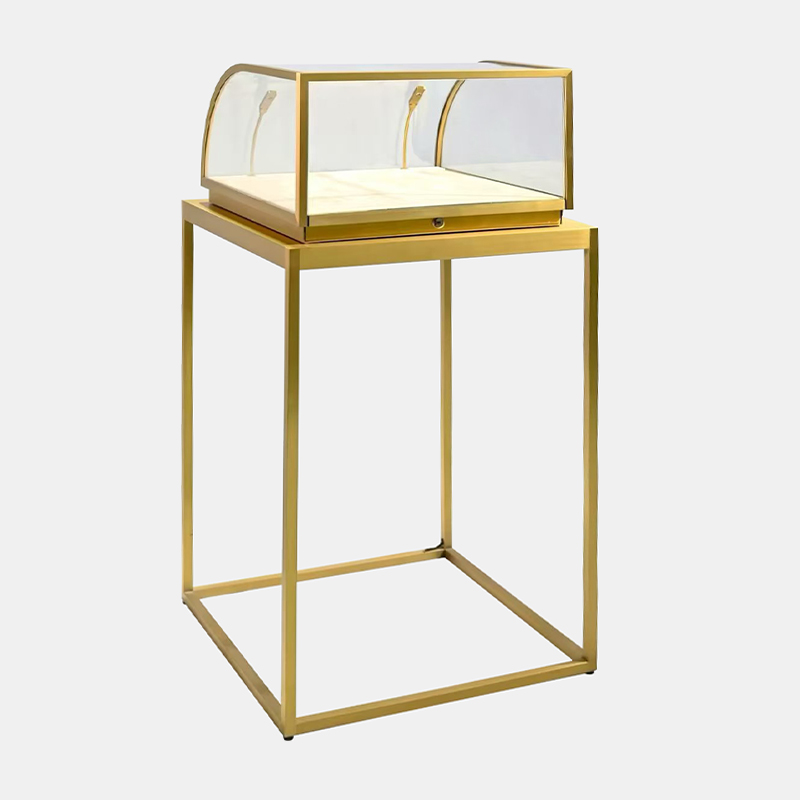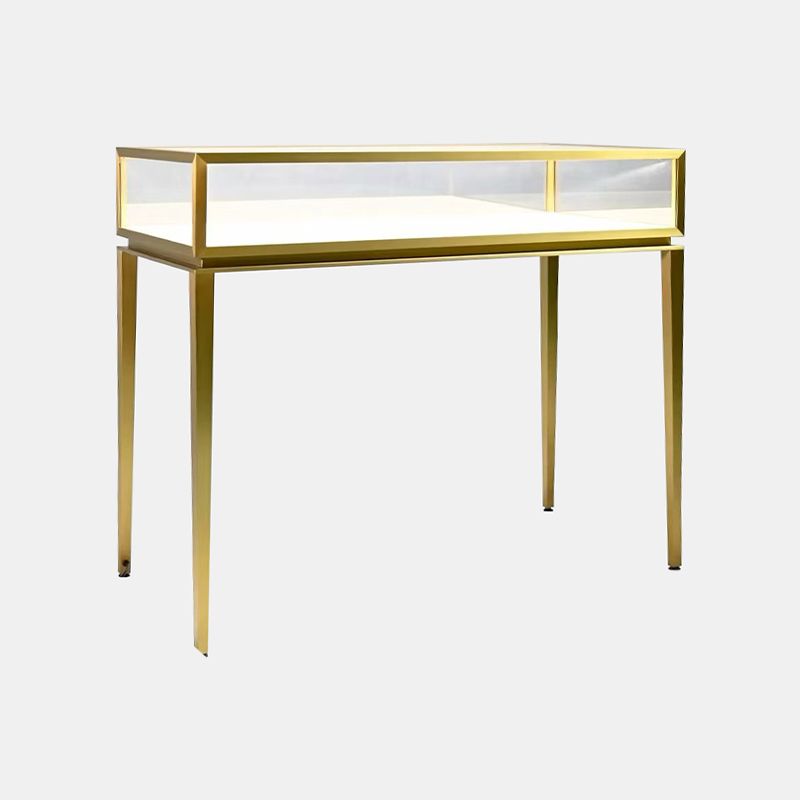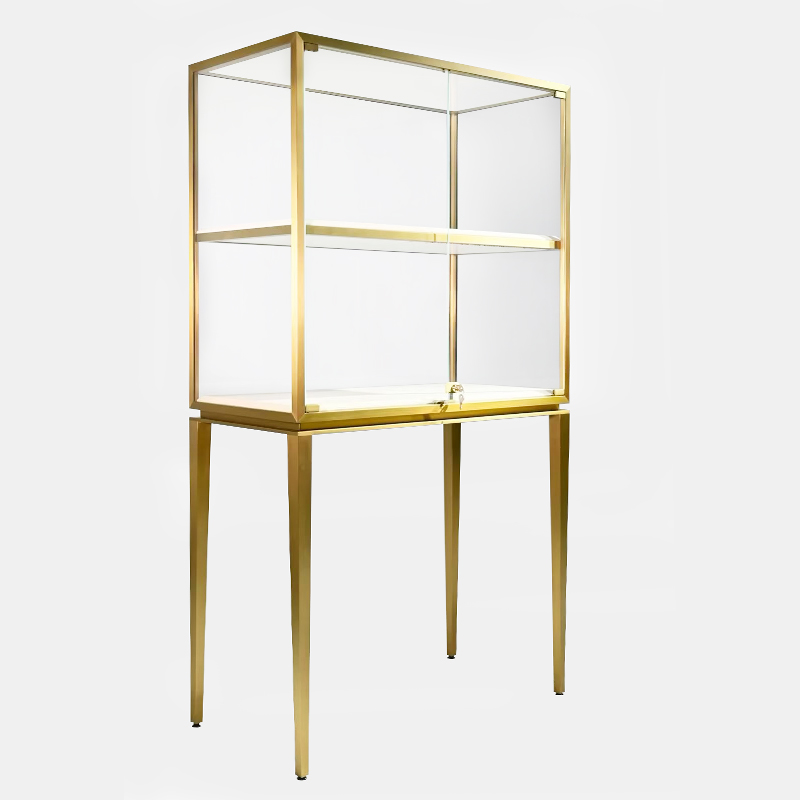
A watch display case is a unit specifically designed to showcase and protect watches, usually made of transparent materials such as glass or acrylic to ensure a clear display of watches. Display cases can be simple and modern or luxurious and vintage in design to suit different retail environments and brand images. In addition, they often feature adjustable display space and easy maintenance to meet the diverse display needs of merchants.












Walking through a jewelry store that feels right is never an accident. The spotlight hits a ring exactly where the customer's eye lands, the counter height invites a closer look, ...
READ MOREA customer walks into a clothing store, glances at the display table, and pauses. The folded shirts are neatly stacked, but at eye level the first thing they see is a mass of fold...
READ MORERETAIL FIXTURE PLANNING Choosing the Right Cosmetic Display Cabinet Starts Here A cosmetic display cabinet works best when it is matched to three things at once: the footprint ava...
READ MOREEvery purchase in a jewelry or watch store passes through the same gate: the display case. Before a customer touches a ring or tries on a watch, the case has already made the firs...
READ MOREA watch display cabinet is a unit specifically designed to showcase and protect watches, usually built from transparent materials such as glass or acrylic to keep every timepiece clearly visible. Cabinets can be simple and modern or luxurious and vintage in styling, depending on the retail environment and brand image they need to support, and most units feature adjustable shelving along with straightforward maintenance to meet the changing display needs of a jewelry or watch counter. Sourcing through an established watch cabinets manufacturer or watch display showcase manufacturer gives a store access to consistent glass quality, lighting, and locking hardware across every unit ordered.
The two terms are often used together, but there is a practical difference in how stores apply them. A watch showcase usually refers to a countertop or freestanding unit positioned for direct customer browsing, while a watch display cabinet more often describes a taller, sometimes wall mounted unit that combines display space with lockable storage behind the counter. Many stores order both formats from the same watch showcase supplier to keep glass tone, frame finish, and lighting consistent across the full sales floor.
The best way to display watches in a store depends on collection size, price point, and how much of the sales floor is available for fixtures.
Countertop glass watch showcases sit at the point of sale, letting staff retrieve pieces while assisting a customer, and work well for entry level and mid range collections. Custom wall mounted watch display cabinets make use of vertical wall space to show a larger collection without crowding the floor, which is why many stores pair a countertop showcase for daily browsing with wall cabinets for overflow stock and feature pieces.
A luxury glass watch display cabinet generally combines a lockable glass watch display cabinet frame with individual watch cushions or pillows, keeping each piece oriented for a clean view of the dial. Spacing pieces further apart than a standard jewelry case, along with dedicated LED lighting for each shelf, is a common approach used to give luxury watches the visual weight expected in a premium retail setting.
| Format | Typical Placement | Best Suited For |
|---|---|---|
| Countertop showcase | Point of sale counter | Daily browsing, entry level pieces |
| Wall mounted cabinet | Perimeter and back wall | Larger collections, overflow stock |
| Freestanding showcase | Center of store floor | Feature or seasonal collections |
| Luxury lockable cabinet | Feature wall, entrance zone | High value, luxury timepieces |
A tempered glass watch display cabinet is the standard choice across most retail settings, since tempered glass resists impact far better than ordinary annealed glass and breaks into small, less hazardous pieces if it is ever struck. Low iron glass is frequently specified alongside tempering, removing the greenish tint of standard glass so that dial colors and metal finishes appear true to their actual tone under store lighting.
Glass remains the preferred material for most permanent fixtures because of its scratch resistance and premium feel, while acrylic is sometimes used for lighter, portable display trays and travel cases. A glass watch display case generally holds its clarity and finish longer under daily handling and cleaning compared to acrylic, which is one reason most permanent retail cabinets are specified in glass rather than acrylic.
| Material | Main Benefit | Common Use |
|---|---|---|
| Tempered clear glass | Impact resistance, safety | Viewing panels, sliding doors |
| Low iron glass | True color, no green tint | Luxury and premium cabinets |
| Acrylic panel | Lightweight, lower breakage risk | Trays, portable display cases |
| Brushed metal frame | Structural stability, premium look | Cabinet frame and base |
Customized watch cabinets let a retailer match shelf spacing, door style, and finish color to a specific brand identity rather than adjusting the store layout to fit standard sized units. Customized watch wall cabinets are particularly useful for boutique and flagship locations, where consistent cabinet dimensions across an entire wall create a cleaner sightline than a mix of standard sized units placed side by side.
A luxury watch display cabinet with LED lighting typically uses low heat, low UV output fixtures built into the shelf or frame, which highlights dial detail and metal finish without the heat buildup or UV exposure associated with older halogen lighting. Adjustable color temperature is a common feature on premium units, letting staff shift between a warmer tone for gold cased watches and a cooler tone for steel and platinum pieces.
A dependable watch showcase supplier should be able to confirm glass thickness, lock type, and shelf finish before production begins, along with providing a sample panel or prototype for larger custom orders. Consistency across units matters as much as any single feature, since a mismatched glass tone or hardware finish is easy to notice once several cabinets stand side by side on a sales floor.
Retail chains and multi location buyers generally benefit from working directly with a watch cabinets manufacturer rather than sourcing individual units, since a custom glass watch display case ordered as part of a matched set arrives with consistent dimensions, hardware, and finish across every store. A manufacturer supporting both prototype sampling and larger wholesale production runs within the same facility can shorten the path from design approval to store installation.
Zhejiang SUNTOP Commercial Display Products Co., Ltd is a China watch display showcase manufacturer and customized watch wall cabinets factory, established in 2009 and specializing in wholesale watch showcase production. As a professional China watch cabinets manufacturer and customized watch showcase factory, the company provides custom commercial display cabinet services for jewelry, watches, museums, and retail stores, integrating design planning, display cabinet and prop production, and decoration and renovation contracting management within a single process.
The factory covers 25 acres, with floor space reaching 25,000 square meters and an annual production capacity of over 100 million, supporting wholesale watch showcase programs alongside fully custom single store cabinet projects within the same production facility, helping clients build a display space that better fits their brand positioning.
A watch display cabinet is a fixture built from glass or acrylic to showcase and protect watches while keeping each piece clearly visible to customers.
A watch showcase generally refers to a countertop or freestanding display unit positioned for direct customer browsing on the sales floor.
Pairing a countertop showcase for daily browsing with wall mounted cabinets for larger collections is a common approach that balances accessibility with display capacity.
Watches are typically arranged on cushions or pillows inside a glass display cabinet, spaced evenly and lit with dedicated LED lighting for each shelf.
Luxury watches are usually given more spacing than standard pieces, individual lighting, and a lockable glass cabinet to add a sense of security and presentation weight.
Watches should be displayed at a comfortable eye level, angled slightly toward the viewer, with lighting that highlights dial detail without creating glare on the glass.
A good case combines tempered, low iron glass, secure locking hardware, adjustable shelving, and LED lighting that shows true dial and metal color.
Tempered, low iron glass is generally preferred, since it resists impact while avoiding the greenish tint that can distort how metal and dial finishes appear.
Compare glass quality, lighting options, locking hardware, and whether the manufacturer supports both custom design work and wholesale production volume.
Look for consistent glass tone and hardware across units, sample or prototype support before full production, and clear communication throughout the ordering process.


 ਪੰਜਾਬੀ
 English
 عربى
عربى русский
 中文简体
中文简体