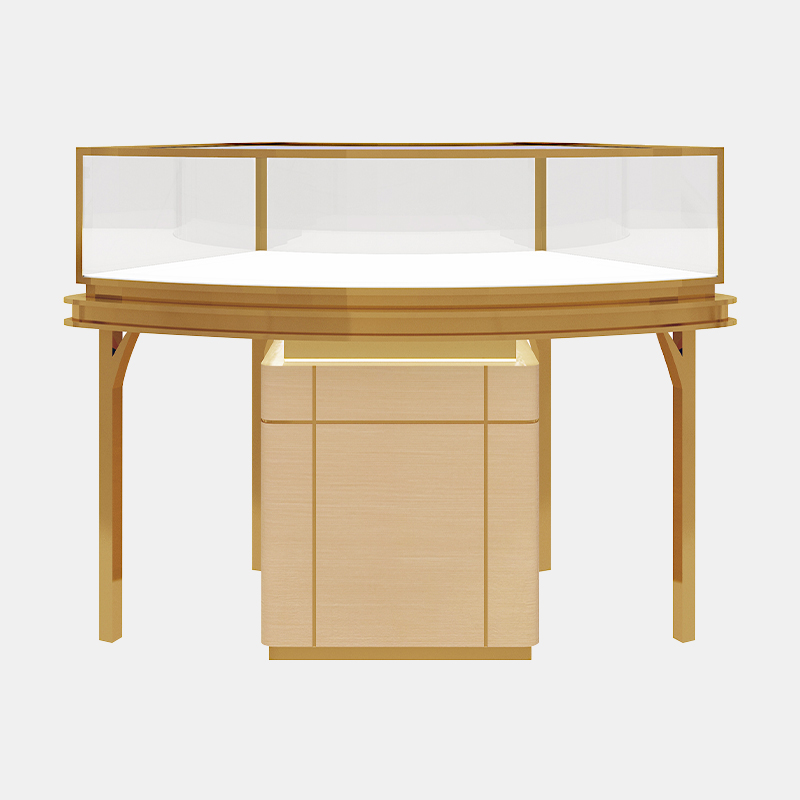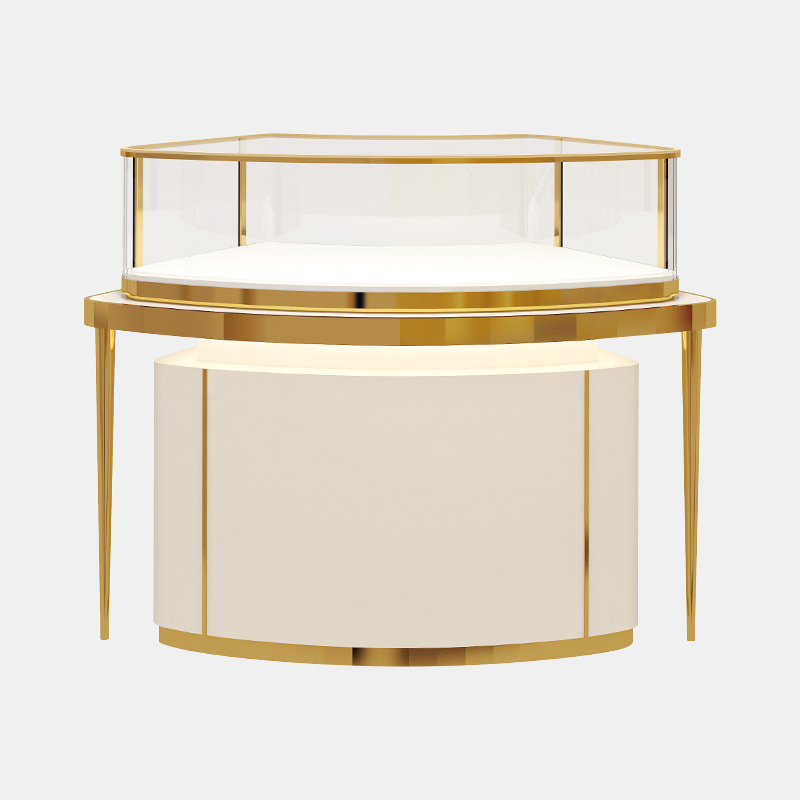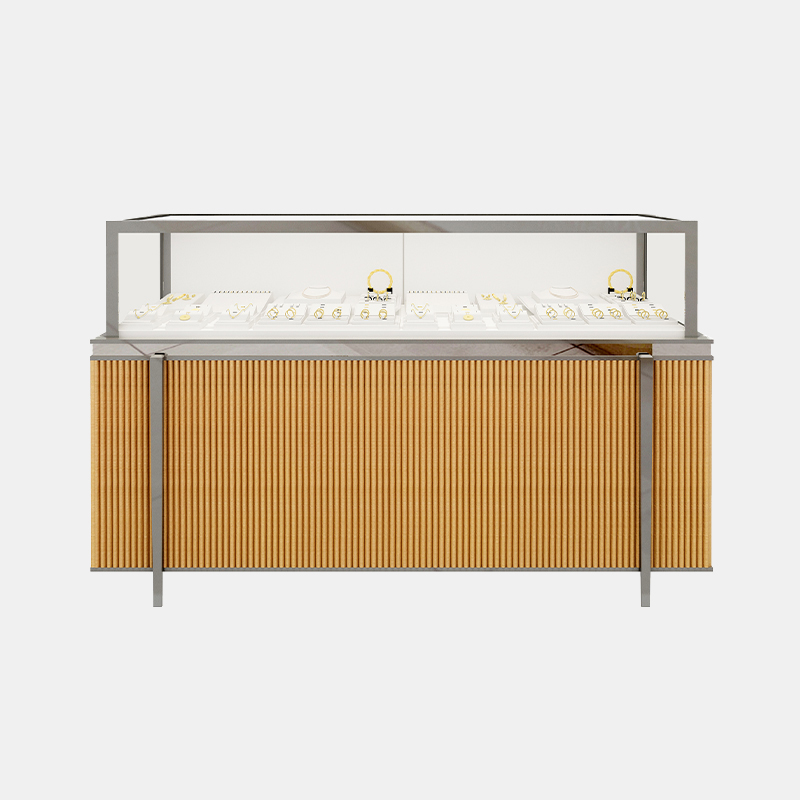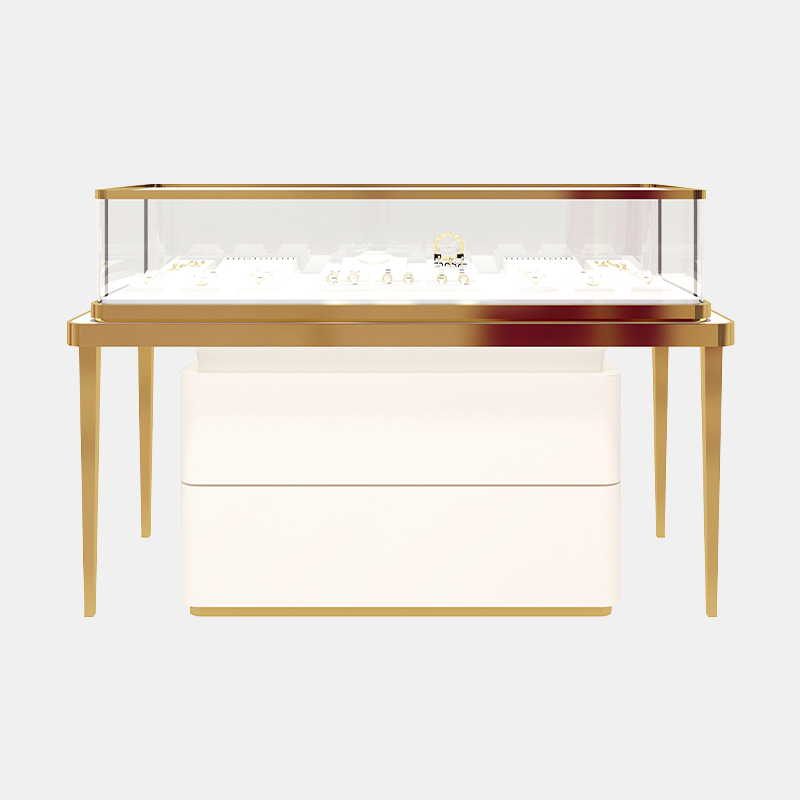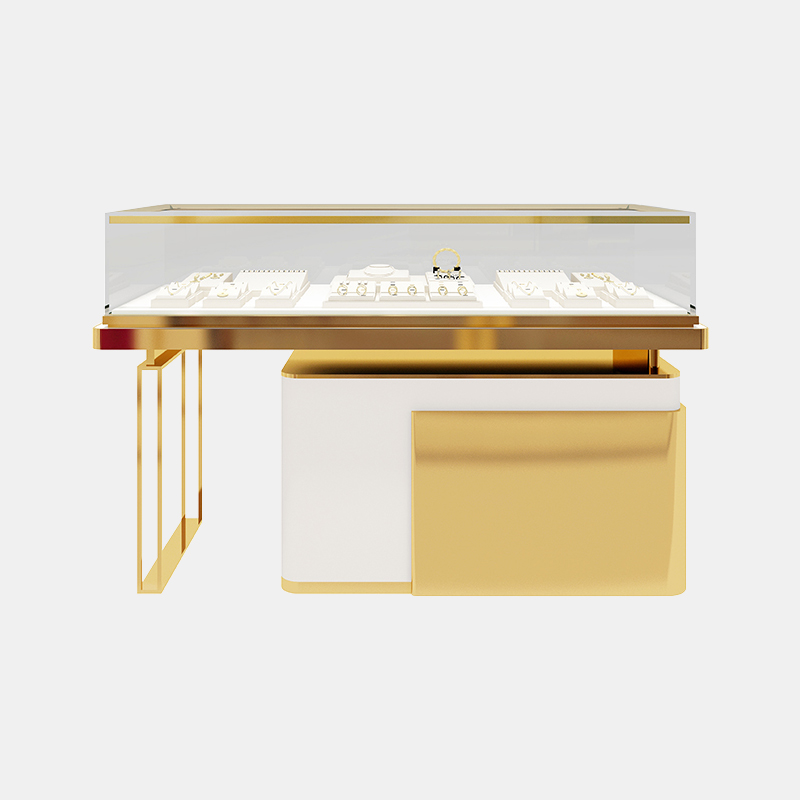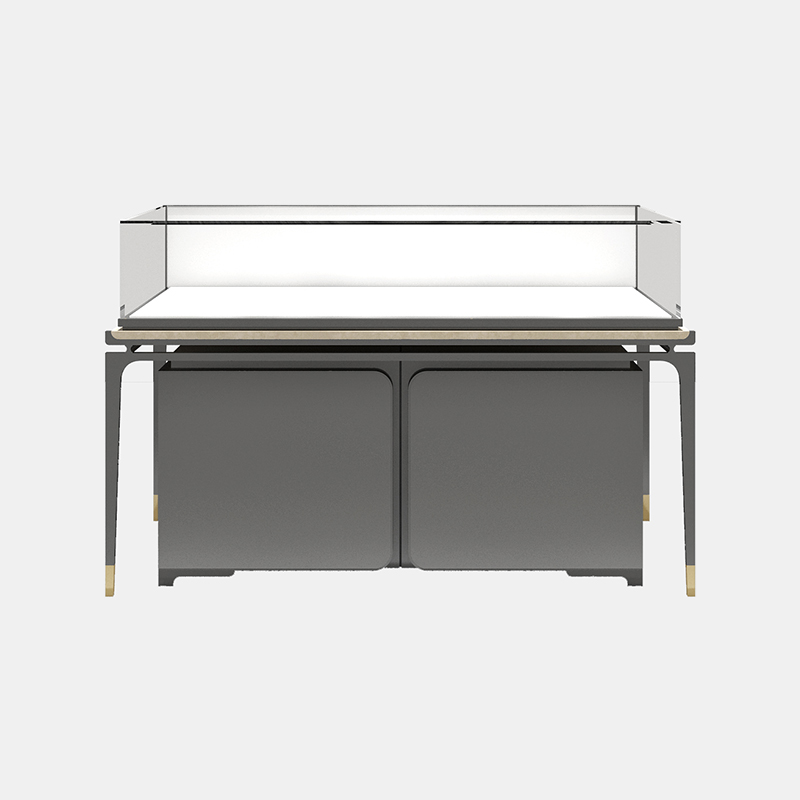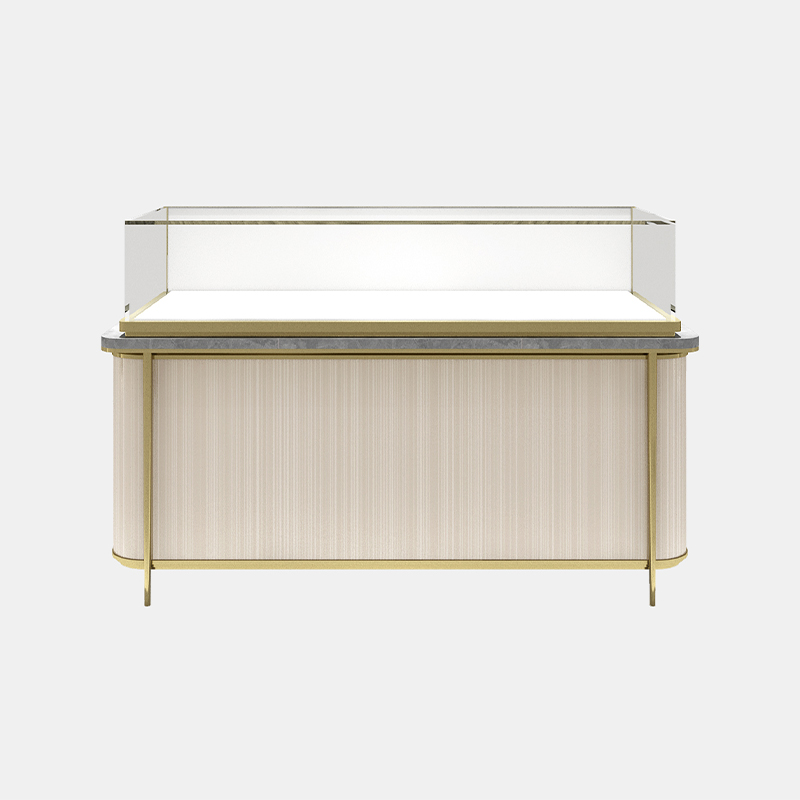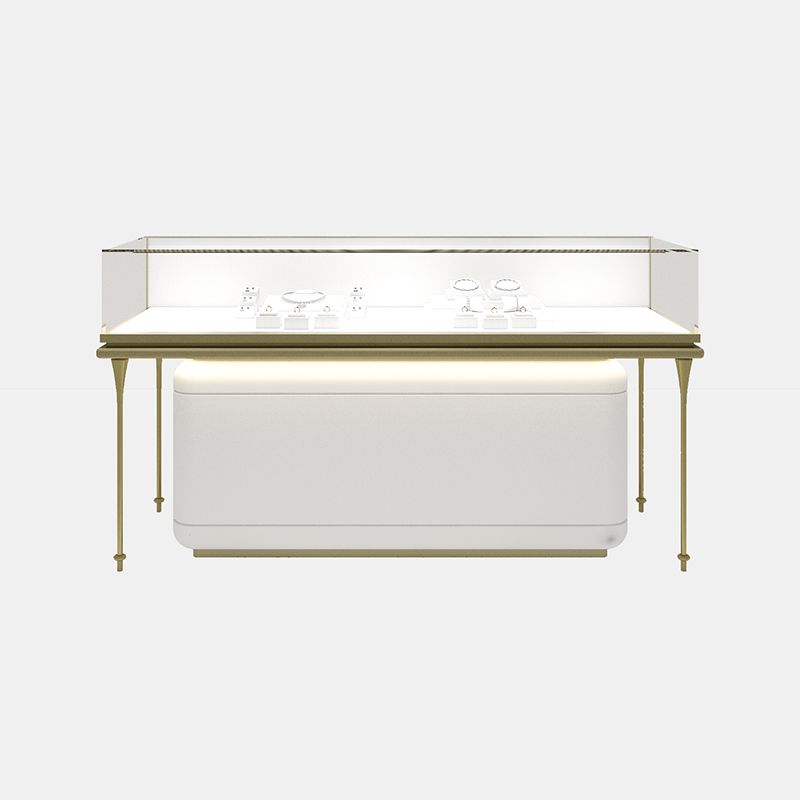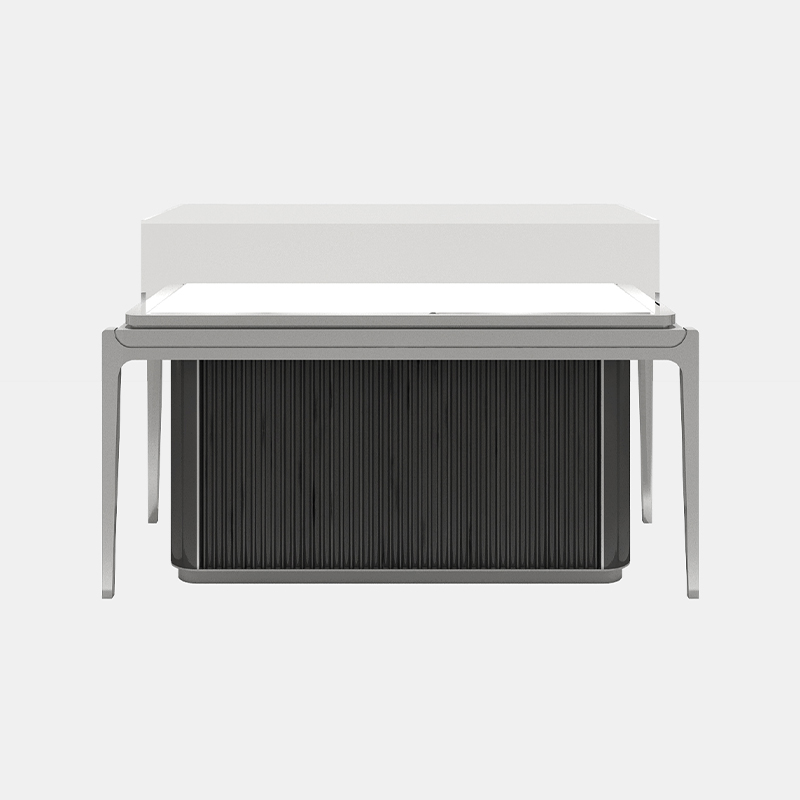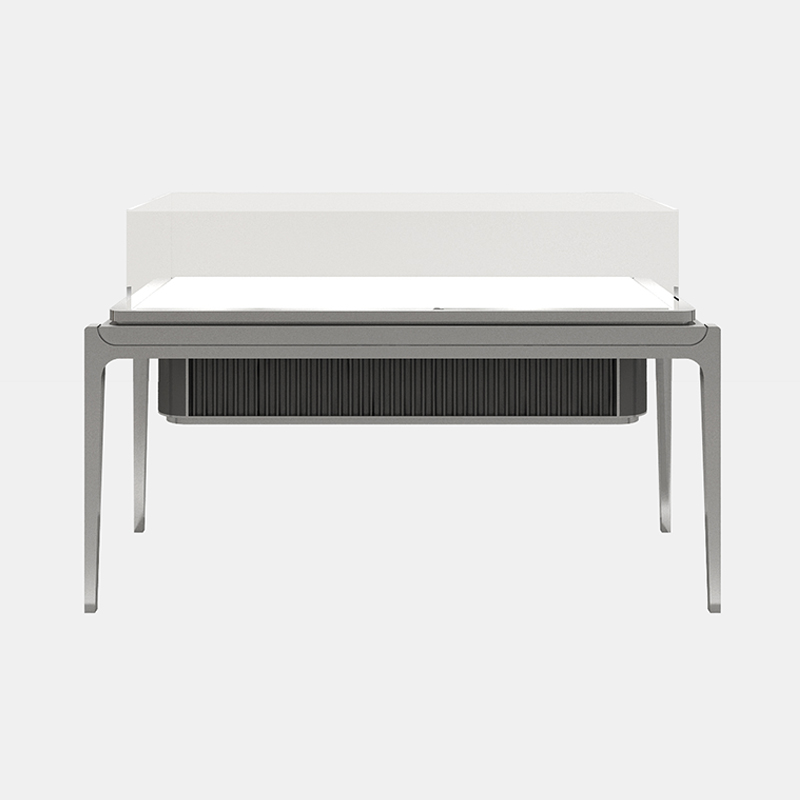
1. Structural Design
Main structure: Freestanding Museum Pedestal Display Case usually consists of a base box, a display area and a top box, with an independent support structure without relying on the wall. The base part often uses a metal frame and laminated glass to combine load-bearing and permeability.
Height and form: Freestanding Museum Pedestal Display Case is mostly high cabinets or desk cabinets, with a large vertical display space, suitable for three-dimensional cultural relics such as sculptures and utensils. Some panoramic independent high cabinets support 360° panoramic viewing.
2. Functions and applicable scenarios
Core functions: highlight a single or a small number of special cultural relics and emphasize the full display effect. Equipped with low-reflection laminated glass and customized light source to ensure the color of cultural relics.
Applicable scenarios: It is often placed in the center of the exhibition hall or in the driving line node to attract the audience to focus, such as three-dimensional cultural relics such as ceramics and bronzes.
Flexibility and expansion: Freestanding Museum Pedestal Display Case supports diverse opening methods such as electric lifting and hydraulic opening, which facilitates the access and maintenance of cultural relics.


 ਪੰਜਾਬੀ
 English
 عربى
عربى русский
 中文简体
中文简体