Content
Stylish jewelry cabinets and showcases are among the most impactful investments a mall jewelry retailer can make. Retail research consistently shows that up to 70% of jewelry purchases in physical stores are unplanned — triggered by the visual appeal of the display rather than a pre-existing purchase intention. A well-designed jewelry showcase directly converts foot traffic into sales by capturing attention, communicating product value, and creating an environment where customers feel compelled to engage. The data is clear: stores that upgrade their display fixtures report average sales increases of 20–40% within the first quarter.
In an era when online shopping offers unmatched convenience, the physical retail experience must work harder to justify the visit. For jewelry — a category where tactile appeal, perceived craftsmanship, and emotional resonance drive purchasing decisions — the jewelry cabinets and showcases that hold and present the merchandise are not secondary infrastructure. They are the primary sales tool on the floor.
Consumer behavior research in retail environments has established a direct link between display quality and purchase intent. This connection is especially pronounced in luxury and semi-luxury categories such as jewelry, where the perceived value of the product is heavily shaped by the environment in which it is presented.
When a piece of jewelry is displayed in a well-crafted, well-lit jewelry showcase, shoppers instinctively assign higher value to the product — even before they examine it closely. This cognitive shortcut, known as the halo effect, means that a ring displayed in a glass-topped, illuminated cabinet with velvet inserts is perceived as more valuable than the identical ring lying in a flat tray under fluorescent overhead light. Studies in retail psychology estimate this perceived value premium at 15–25% above the actual product value for high-quality display environments.
Shoppers who stop to look at a well-organized, visually appealing jewelry cabinet spend on average 40% longer examining the merchandise than those who glance at a cluttered or poorly lit display. Extended dwell time is directly correlated with purchase probability: for every additional 60 seconds a shopper spends at a display, conversion rates increase by an estimated 8–12%. Thoughtful cabinet design — through layout, lighting, and product spacing — is the primary mechanism through which retailers engineer longer engagement.
In jewelry retail, trust is a prerequisite for sale. Customers are parting with significant sums for items they will wear close to their bodies and give as meaningful gifts. A clean, secure, and professionally finished jewelry showcase communicates stability, legitimacy, and attention to detail. These signals reduce purchase hesitation and make customers more comfortable asking questions, requesting to handle items, and ultimately completing a transaction.
The physical format of a jewelry showcase shapes the customer's interaction with the product before a single word is spoken. Different cabinet types serve different strategic purposes, and high-performing jewelry retailers typically use a combination of formats to guide the customer journey through the store.
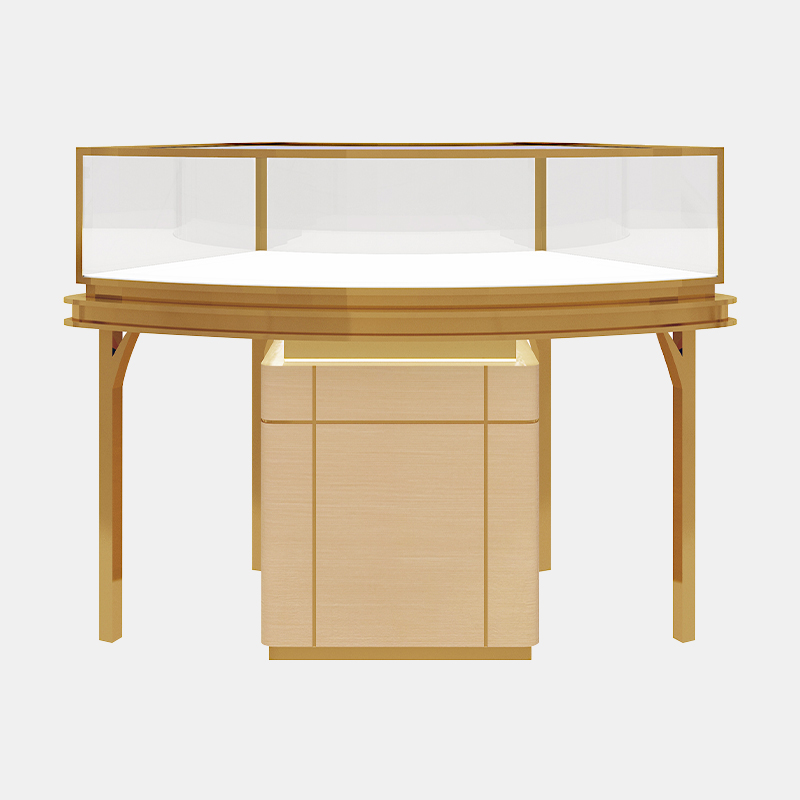
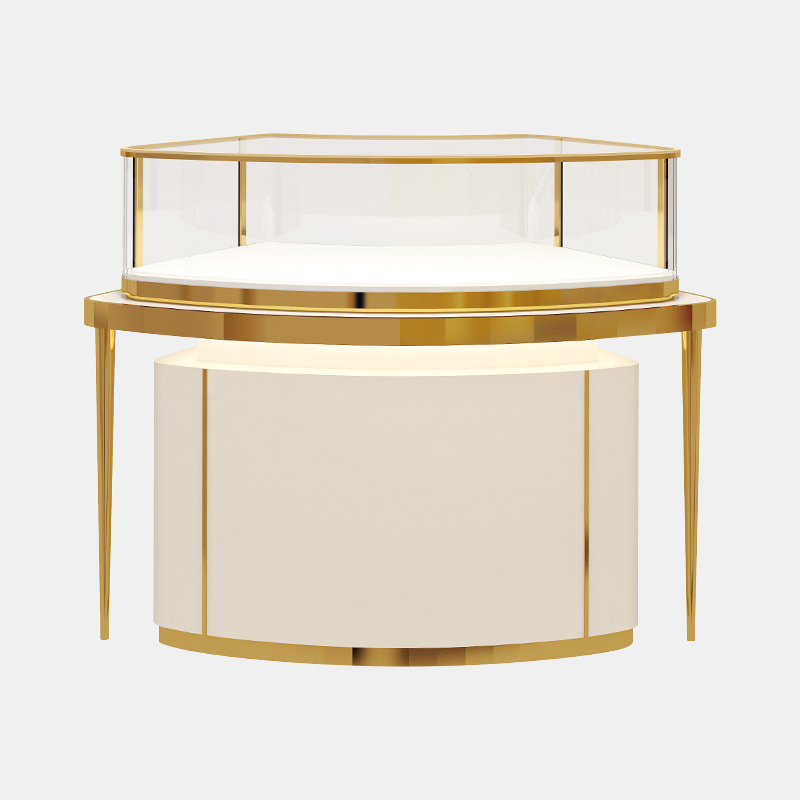
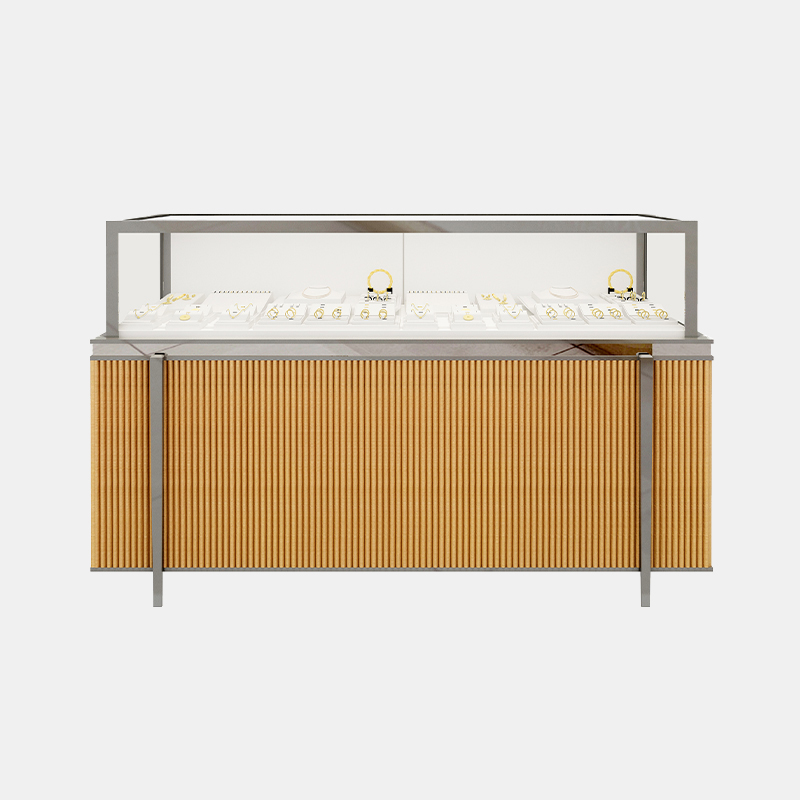
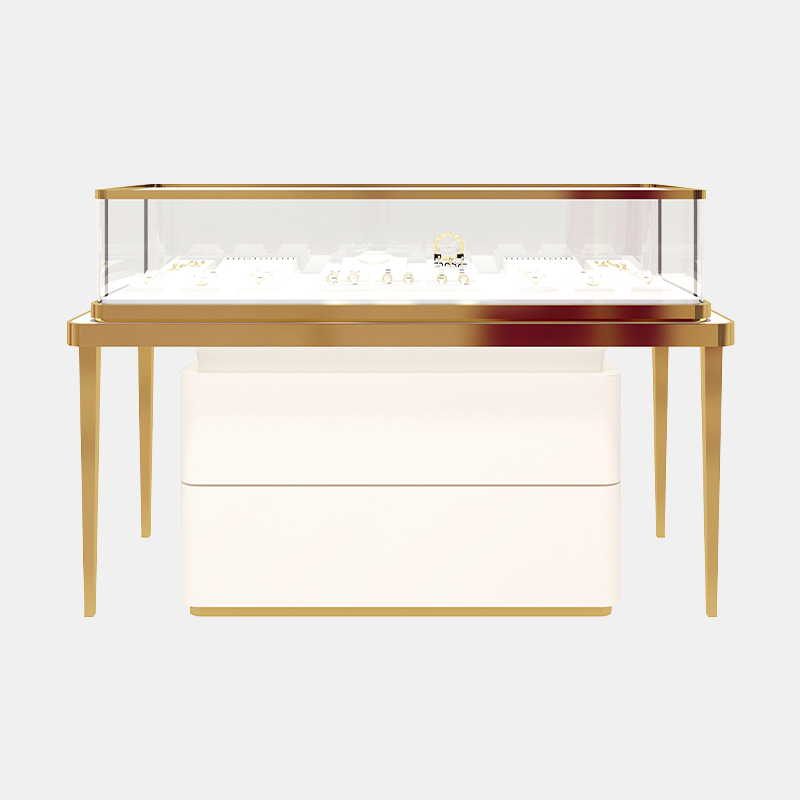
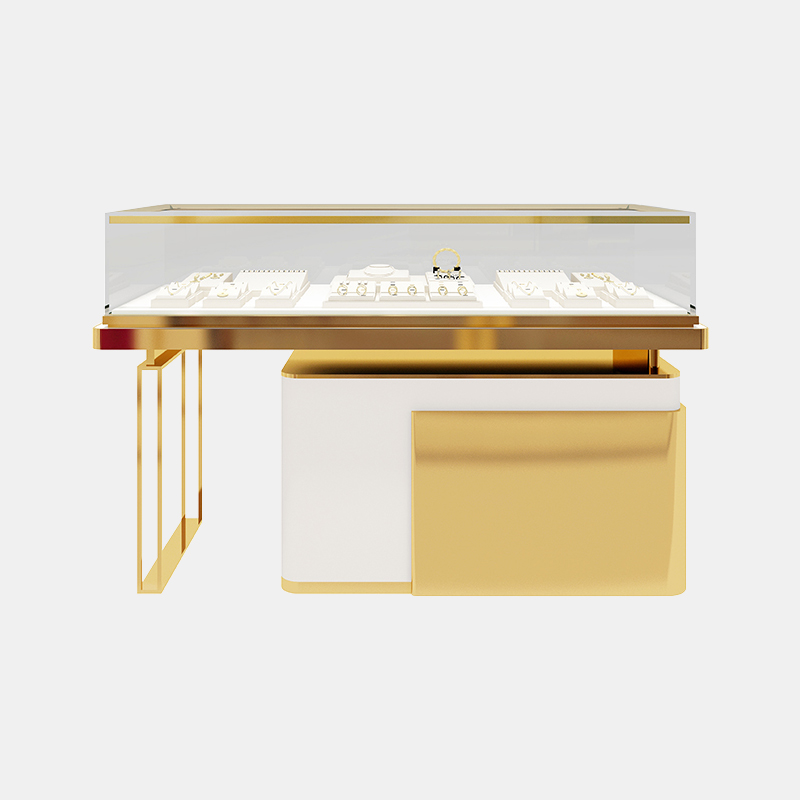
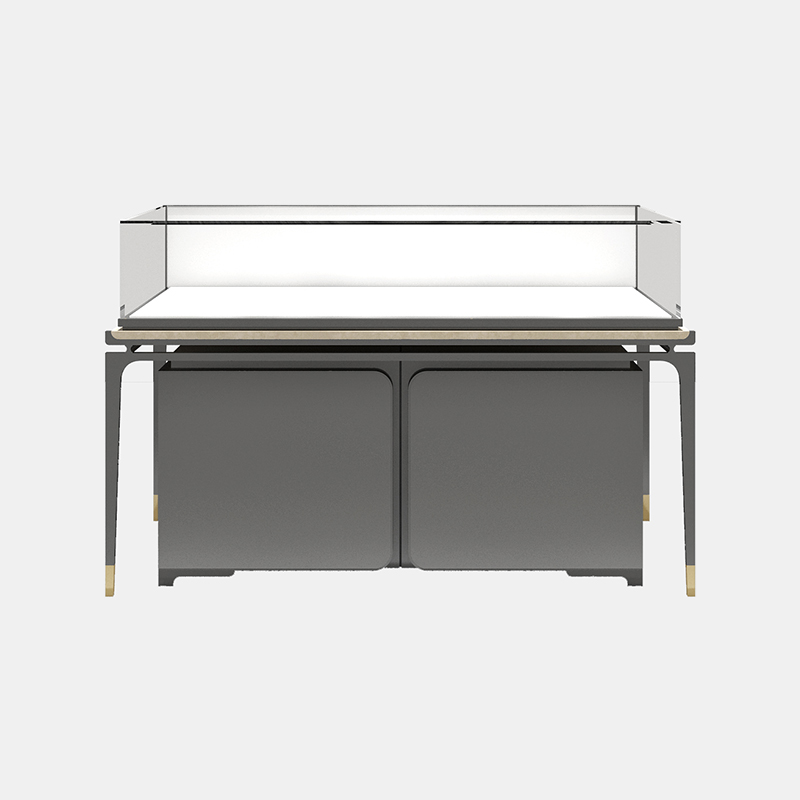
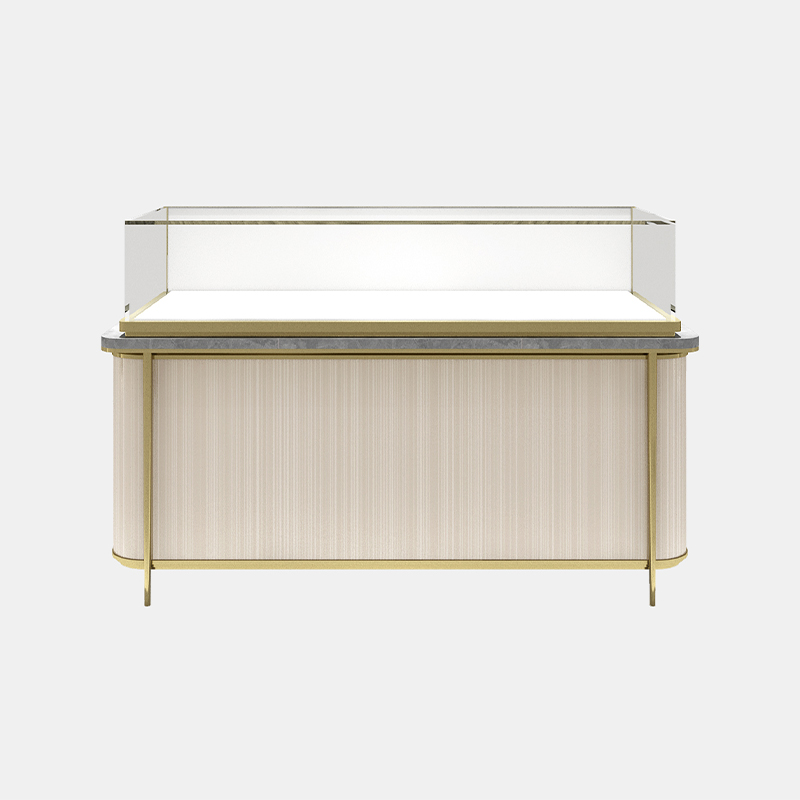
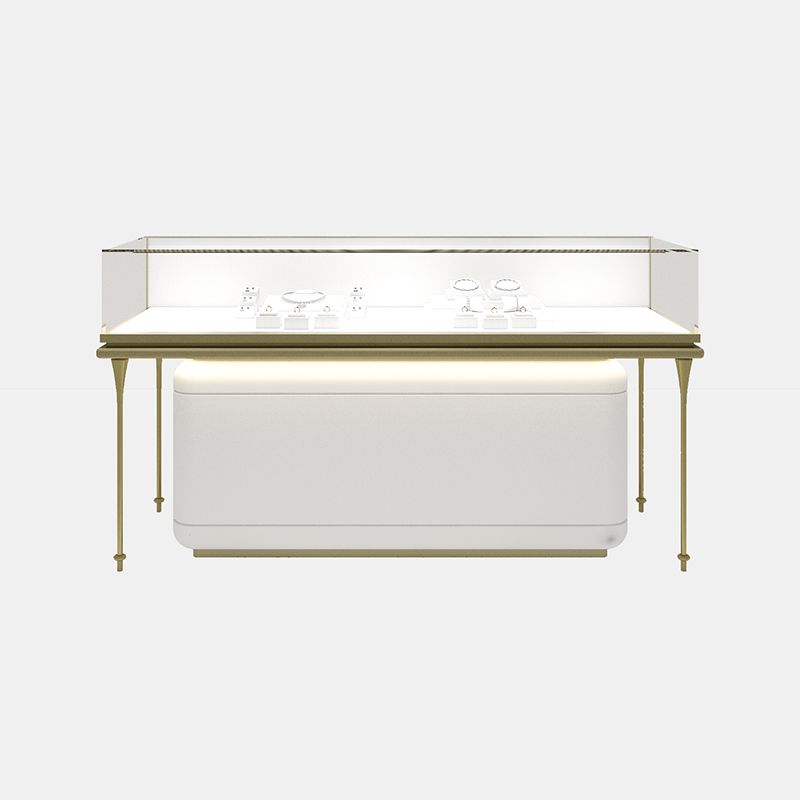
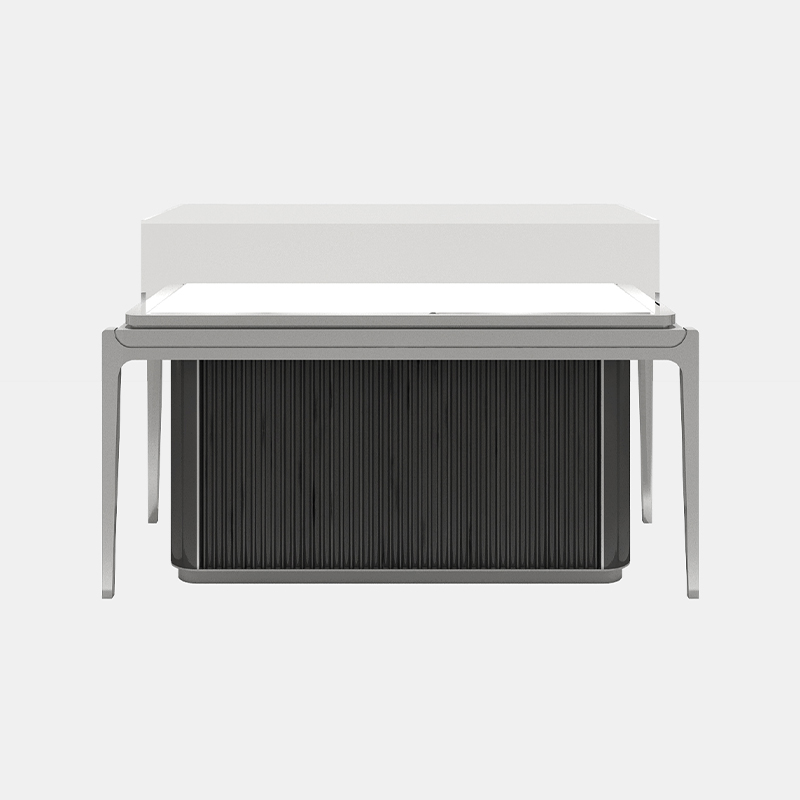
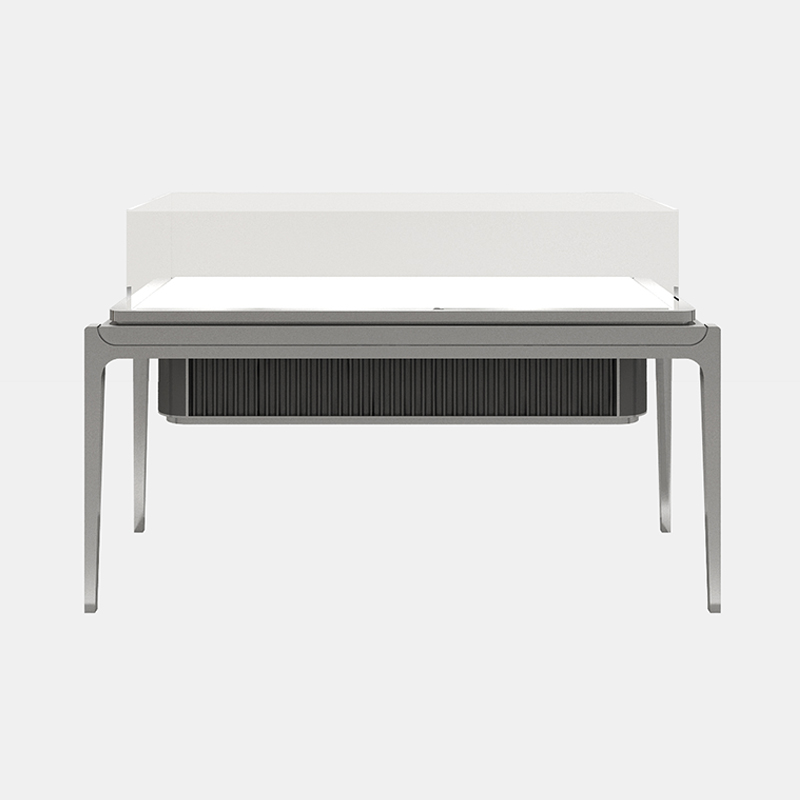
The most common format in mall jewelry stores, countertop jewelry cabinets sit at waist-to-chest height and allow staff to stand behind them while customers view from the front. Glass tops and sides maximize visibility, and interior LED strip or spotlight systems create the close-up brilliance that makes gemstones and precious metals appear their best. Well-designed countertop showcases create a natural conversation zone between staff and customer, supporting the consultative selling process that jewelry retail depends on.
A jewelry wall showcase makes use of vertical retail space — one of the most underutilized assets in mall jewelry stores. Floor-to-ceiling or half-height wall-mounted display systems serve two functions simultaneously: they expand the store's effective display capacity without requiring additional floor space, and they create a visually dramatic backdrop that draws shoppers in from the aisle. Wall showcases are particularly effective for displaying higher-margin items at eye level, where research shows browsing attention is concentrated. Studies indicate that products displayed at eye level (approximately 145–165 cm from the floor) generate 35% more engagement than those displayed below waist height.
Jewelry wall cabinets differ from open wall showcases in that they incorporate lockable glass doors for security while maintaining full product visibility. This format is particularly suited to displaying higher-value items such as diamond pieces, gold sets, or certified gemstone collections that require both visual accessibility and physical security. Dedicated wall cabinet zones within a store help customers navigate the merchandise range intuitively, with premium products clearly demarcated from fashion or entry-level lines.
| Showcase Format | Best Placement | Primary Selling Function | Security Level | Ideal Product Category |
|---|---|---|---|---|
| Countertop Showcase Cabinet | Central floor, transaction zone | Consultative selling, close examination | High (staff-controlled) | Rings, earrings, bracelets |
| Jewelry Wall Showcase | Perimeter walls, aisle-facing | Visual attraction, zone navigation | Moderate–High | Necklaces, sets, featured collections |
| Jewelry Wall Cabinets | Rear or side walls, premium zones | Secure display of high-value items | Very High (lockable) | Diamond, gold, certified gemstone |
| Freestanding Tower Display | Entrance, traffic focal points | Brand impression, impulse capture | Moderate | Fashion jewelry, new arrivals |
| Low-Profile Island Cabinet | Store center, browsing zones | Self-directed browsing, volume display | Moderate | Mid-range collections, seasonal items |
Of all the design variables in a jewelry showcase, interior lighting has the greatest measurable effect on product appeal and sales performance. Jewelry is unique among retail categories in its dependence on light interaction: the brilliance of diamonds, the luster of pearls, the reflectivity of polished gold, and the depth of colored gemstones are all optical phenomena that only manifest under appropriate lighting conditions.
The two most important lighting specifications for jewelry display are color temperature (measured in Kelvin) and Color Rendering Index (CRI). For jewelry retail, a color temperature of 3,000 to 3,500K (warm white) is optimal for gold and rose gold pieces, while 4,000 to 4,500K (neutral white) better suits platinum, white gold, and diamond displays. CRI should be 95 or above for any professional jewelry showcase application — lower CRI values cause gemstones and metals to appear flat and less vibrant, directly reducing perceived value and purchase appeal.
The shift to LED lighting in jewelry cabinets is now effectively complete in professional retail applications. LED systems offer 60–80% lower energy consumption compared to halogen alternatives, produce negligible heat (which previously caused discomfort for staff and potential damage to heat-sensitive stones), and maintain consistent light output over their lifespan without the color shift that characterizes aging halogen bulbs. Professional-grade LED strip lighting integrated into showcase structures also allows precise beam angle control, enabling spotlighting of hero pieces while maintaining even background illumination.
The arrangement of jewelry cabinets within a mall store footprint determines how many passing shoppers notice the store, how many enter, and how many proceed through the full browsing journey. Even the finest individual showcase pieces underperform when arranged without strategic intent.
The first 1.5 to 2 meters of a jewelry store from the mall aisle is the most commercially critical space in the entire store. This zone should feature visually striking display elements — a freestanding showcase, a lit jewelry wall showcase panel, or an eye-level countertop display — that create an immediate visual reason to pause. Research on mall retail traffic shows that the decision to enter a store is made within 3 seconds of a shopper's line of sight reaching the storefront. Display elements in the entrance zone must communicate product category, quality tier, and visual appeal within that window.
Effective jewelry showcase layout guides customers through a natural circuit that exposes them to the full product range. Countertop showcases arranged in a U-shape or L-shape along the store perimeter create a walking path that prevents dead ends and encourages full-store exploration. Jewelry wall cabinets on the rear wall serve as a visual anchor that draws customers deeper into the store, increasing average dwell time and per-visit product exposure.
A common error in jewelry display is overcrowding the showcase. Research on visual merchandising consistently shows that reducing display density by 30–40% increases the perceived value of individual items and raises the probability of purchase for the remaining pieces. Each item should have visible clear space around it — a minimum of 3–5 cm between adjacent pieces in countertop showcases, and proportionally more space for higher-value items in wall cabinet settings. The principle is simple: scarcity signals value.
The quality of the jewelry cabinets and showcases a retailer installs reflects directly on their brand. Mall customers make subconscious associations between the quality of the fixture and the quality of the product inside it. Selecting the right professional manufacturer of jewelry showcase products is therefore a brand decision as much as a procurement decision.
A jewelry showcase is a capital investment, and like all retail fixtures, it requires both routine maintenance and periodic refresh to sustain its sales-driving impact. In high-footfall mall environments, the physical condition of jewelry cabinets degrades faster than in standalone boutique settings due to higher customer touch frequency, more frequent cleaning, and the operational wear of multiple daily open-and-close cycles.
Industry practice among high-performing jewelry retailers suggests a full showcase refresh every 5 to 7 years, with lighting system upgrades every 3 to 4 years as LED technology improves. Partial refreshes — replacing velvet inserts, repainting frame finishes, or upgrading to higher-CRI LED strips — can extend the visual freshness of an existing showcase investment without a full replacement cycle. A jewelry wall showcase that appears dated or worn communicates the same message to shoppers as faded signage or outdated packaging: it signals a store that is not actively invested in the customer experience.


 English
 عربى
عربى русский
 ਪੰਜਾਬੀ