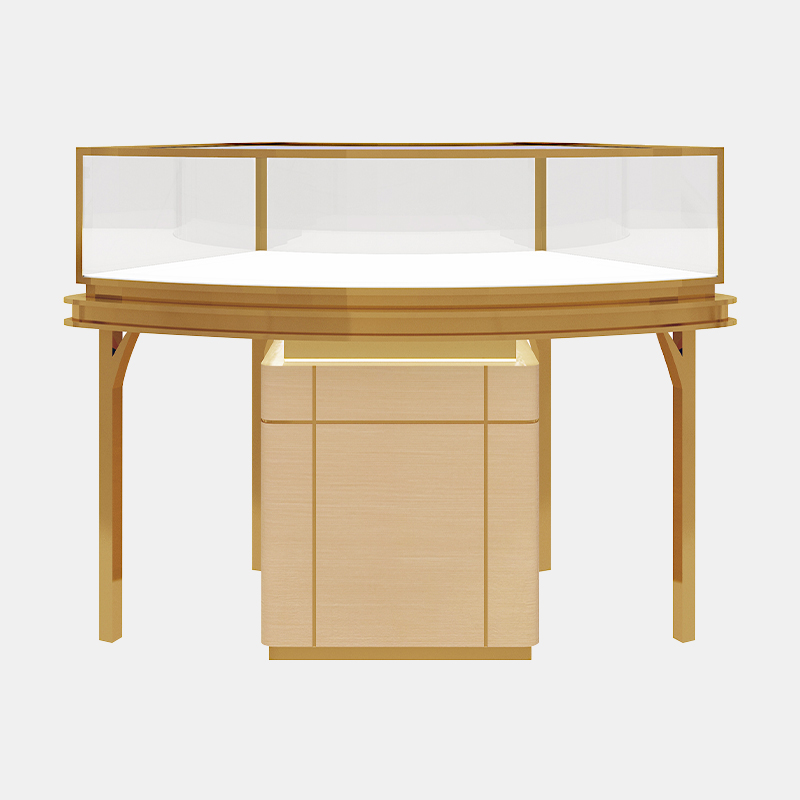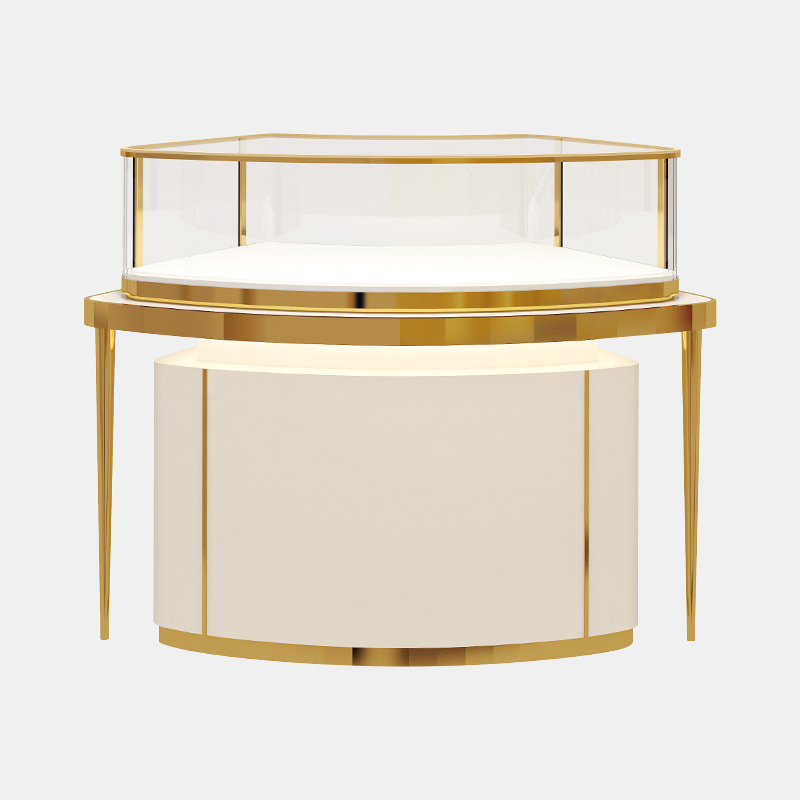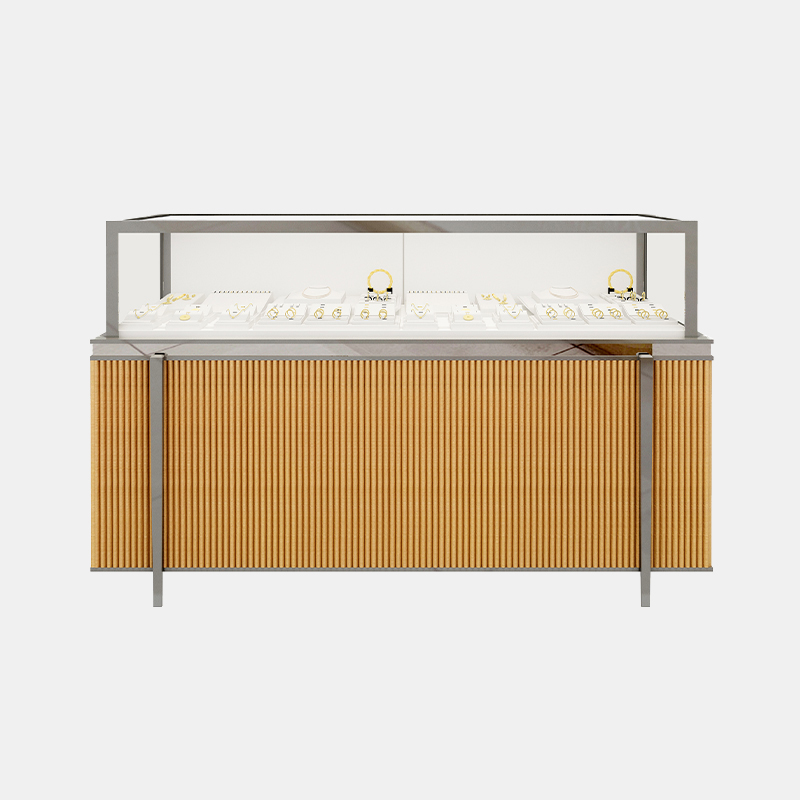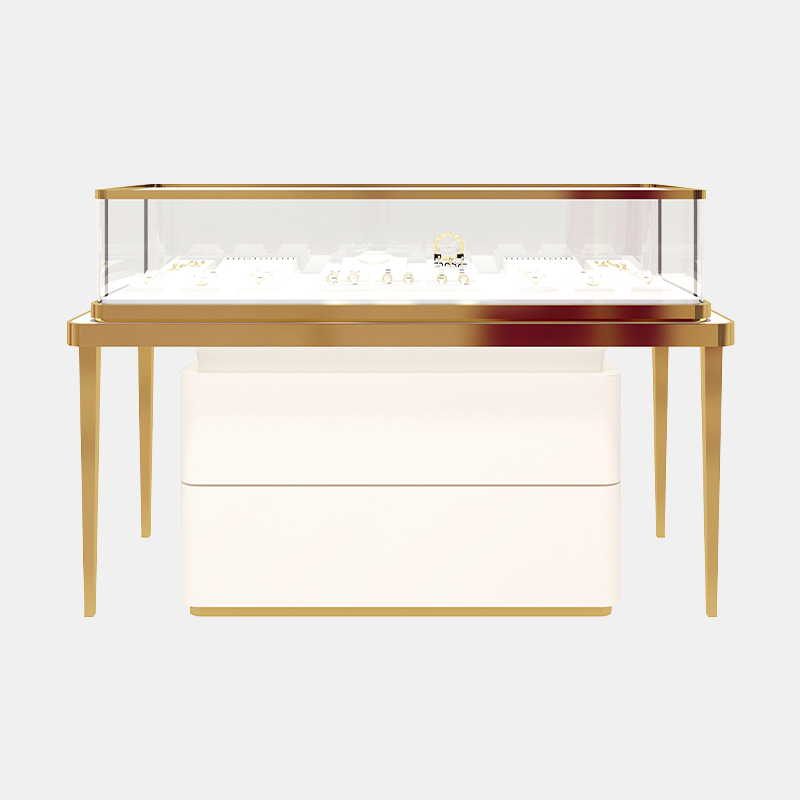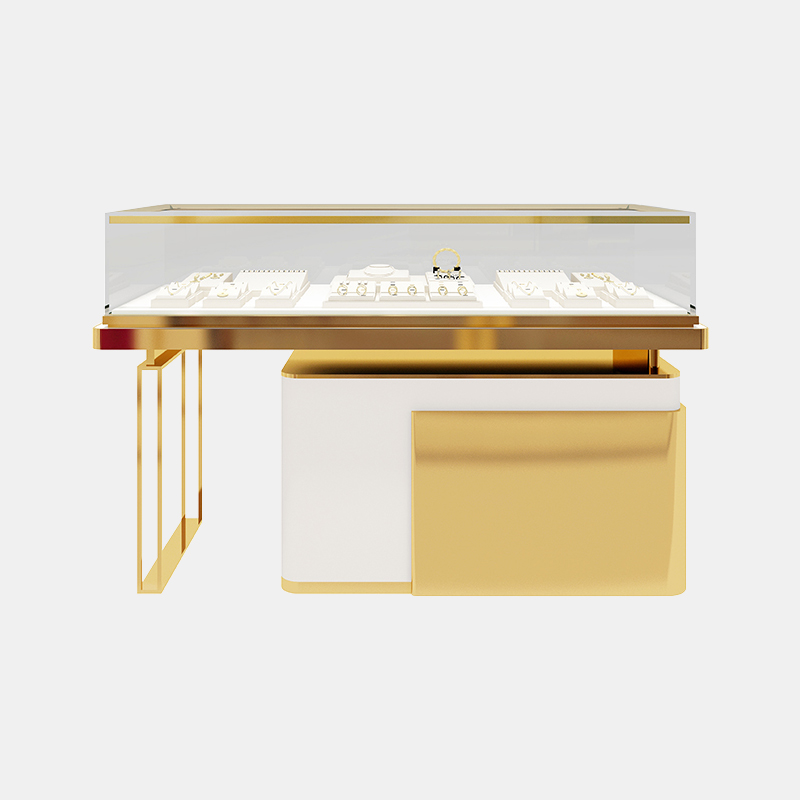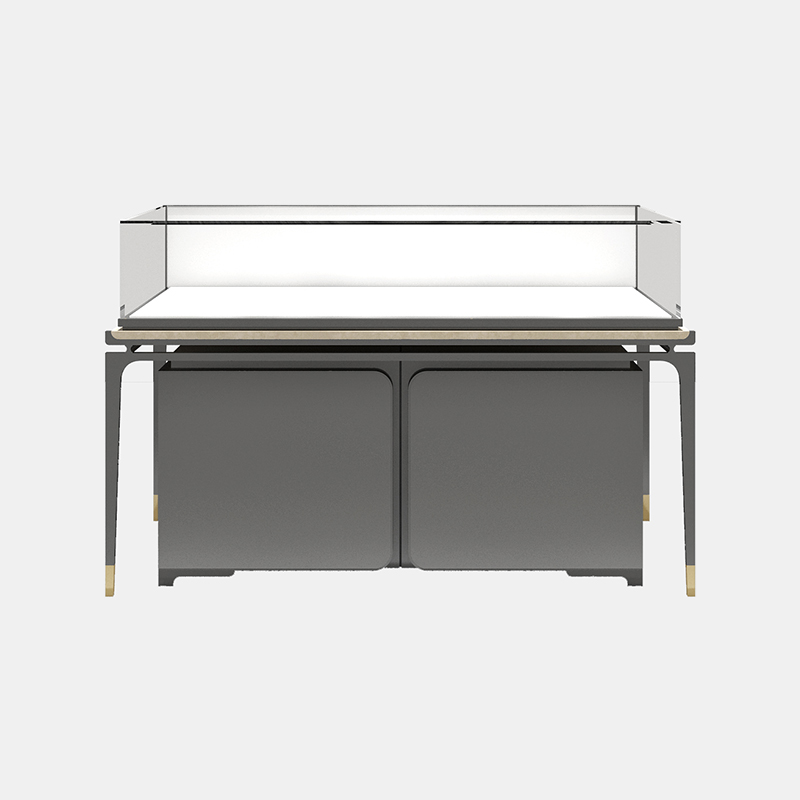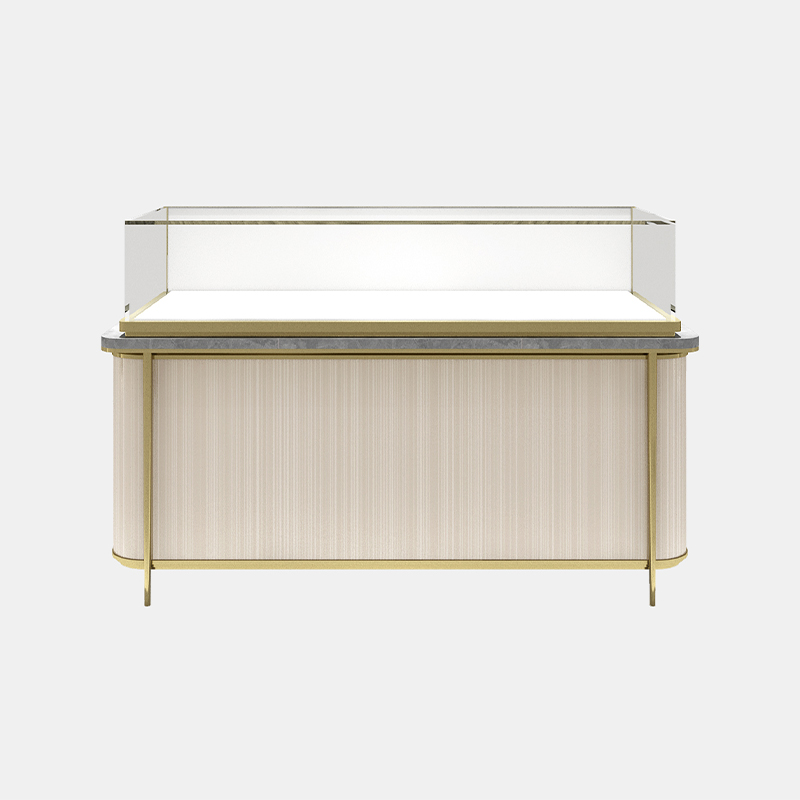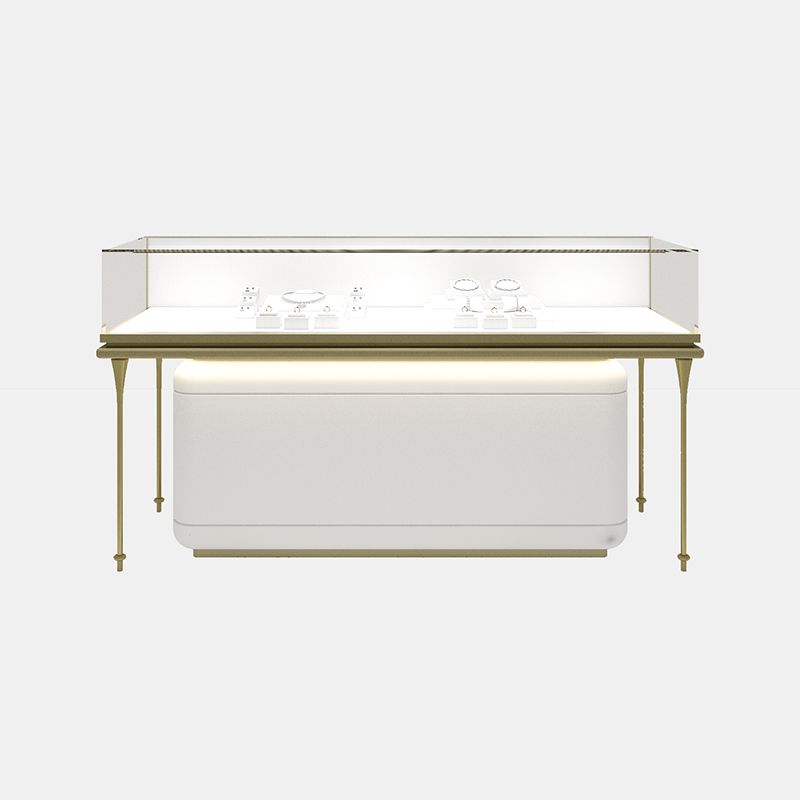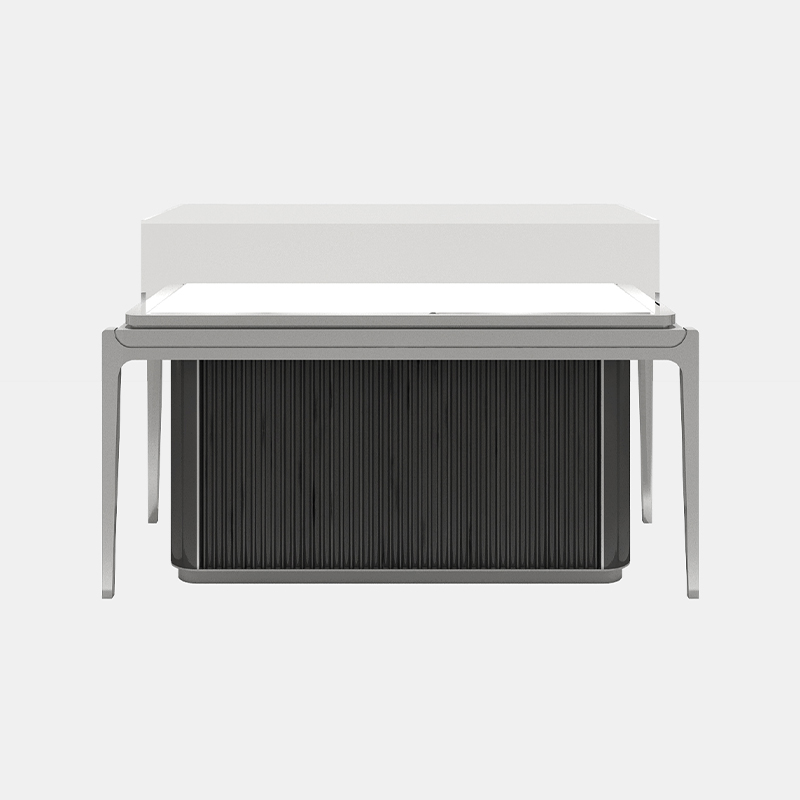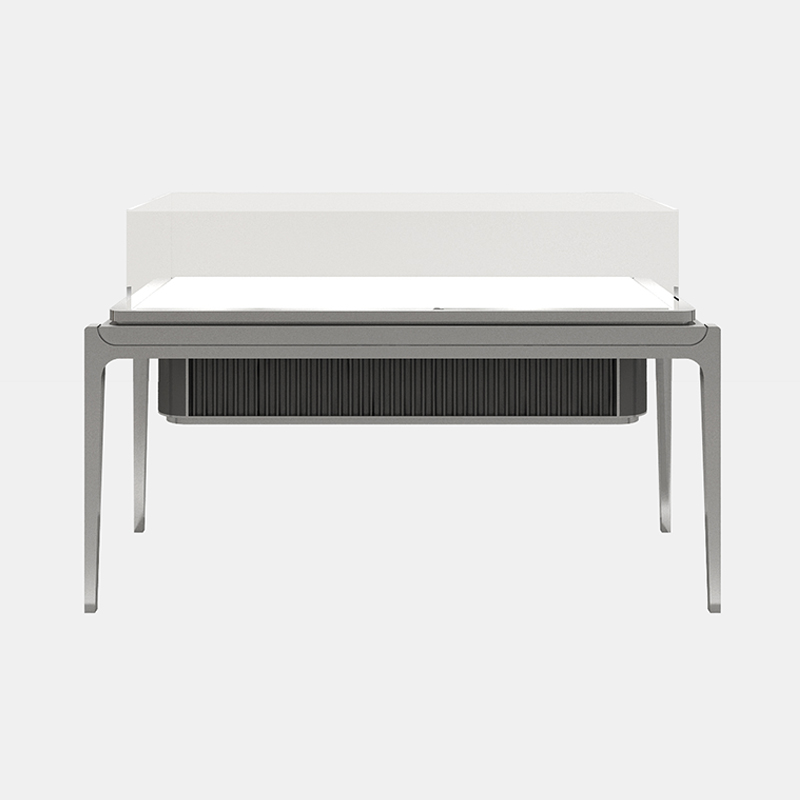
Clothing stores need a Clothing Luggage Display Cabinet to elevate merchandise presentation, protect high-value items, maximize sales floor space, and create the premium in-store atmosphere that drives purchasing decisions. In a retail environment where consumers make up to 70% of purchase decisions at the point of sale, how products are displayed is as commercially important as the products themselves. A well-configured Retail Clothing Display Cabinet does far more than hold inventory — it communicates brand value, guides shopper attention, reduces product handling damage, and enables stores to display coordinated apparel and accessories in a single, compelling visual unit.
Content
Retail research consistently shows that visual presentation quality is one of the strongest predictors of impulse purchase behavior. A study by the Point of Purchase Advertising International (POPAI) found that 82% of all purchase decisions are made inside the store, and that well-organized, professionally displayed merchandise increases average transaction value by 15–30% compared to loose or rack-only displays.
A Clothing Luggage Display Cabinet creates a structured focal point that draws shoppers in and presents coordinated product stories — pairing travel bags with matching accessories, wallets, or outerwear in a single display unit. This cross-category presentation technique, known as lifestyle merchandising, increases the average number of items per transaction by encouraging complementary purchases. Retailers who implement cabinet-based displays for accessories and luggage alongside their apparel lines report measurable increases in add-on sales within the first 30 days of installation.
Illuminated glass display cabinets index at 152 against an open rack baseline of 100 — a 52% uplift in average transaction value. This reflects the combined effect of perceived exclusivity, better product visibility, and the organized, curated presentation that cabinets deliver over traditional open-rack formats.
Clothing, luggage, and accessories displayed openly are subject to constant handling, dust accumulation, color fading from UV exposure, and accidental damage. For any store carrying premium or mid-range merchandise, unprotected display is a silent margin destroyer. A Glass Clothing and Luggage Display Case addresses all of these risks simultaneously.
For a store carrying items with an average unit value above $80, protecting display stock from handling and environmental damage through cabinet display can reduce markdown frequency by an estimated 8–15% annually — directly protecting gross margin.
Retail floor space is among the most expensive square footage in commercial real estate. Every square meter of sales floor must generate sufficient revenue to justify its occupancy cost. A Luggage Showcase Cabinet for Shops maximizes vertical space utilization and inventory density in ways that open display formats cannot.
| Display Format | Floor Area Used | Items Displayed | Items per m² | Visual Impact |
|---|---|---|---|---|
| Open table display | 1.2 m² | 6–8 items | 5–7 | Low |
| Single clothing rack | 0.6 m² | 20–30 garments | 33–50 | Moderate |
| Wall-mounted display cabinet | 0.5 m² | 12–18 items (multi-shelf) | 24–36 | High |
| Freestanding glass cabinet (180 cm H) | 0.5 m² | 20–30 items (4–5 shelves) | 40–60 | Very High |
| Island display cabinet (360° view) | 1.0 m² | 40–60 items | 40–60 | Premium |
A freestanding Glass Clothing and Luggage Display Case at 180 cm height achieves 40–60 items per square meter of floor space — matching or exceeding a clothing rack while delivering dramatically higher visual impact and product protection. For stores where every square meter generates rent cost, this density advantage is commercially significant.
Consumer psychology research demonstrates that store environment quality directly influences shoppers' perception of product quality — a phenomenon known as the "atmospherics effect." When merchandise is displayed in a structured, well-lit Retail Clothing Display Cabinet, customers attribute higher quality and value to those items before even touching them. This perception gap can justify premium positioning and reduce the need for discounting to drive conversions.
In a study published in the Journal of Retailing, customers shown identical products in cabinet display versus open shelf display rated the cabinet-displayed items 23% higher in perceived quality and 18% higher in willingness to pay. The cabinet itself becomes part of the brand communication — a physical signal that what's inside is worth protecting and worth paying for.
A dedicated Clothing Luggage Display Cabinet is specifically designed to merchandise apparel alongside travel accessories, bags, and related items within a unified display structure. This cross-category approach delivers several strategic advantages that separate-display formats cannot replicate.
Displaying a travel jacket, a matching duffel bag, a passport holder, and a packing cube set together in a single cabinet tells a complete travel narrative. This "story display" approach increases the probability that a shopper who enters intending to buy one item leaves with two or three. Retailers using story-based displays report units per transaction increases of 18–35% versus category-separated displays.
A Luggage Showcase Cabinet for Shops with adjustable shelving and modular panel configurations allows retailers to reconfigure displays seasonally — shifting from travel luggage and lightweight clothing in summer to heavy outerwear and weekend bags in autumn — without purchasing new fixtures. Adjustable shelf height typically accommodates items from 5 cm to 50 cm tall, covering folded garments, bags, and accessories in one unit.
Dedicating one or two shelves in a display cabinet to new arrivals or hero products creates a visual hierarchy that guides shopper attention to high-margin or priority items. Stores that consistently rotate featured products in their display cabinets see repeat visit rates 20–25% higher than stores with static displays — because shoppers know the cabinet display will show them something new each visit.
Retail fixture spending data shows a decisive trend: the share of fixture budgets allocated to glass and enclosed display cabinets grew from 18% in 2018 to 43% in 2024, while open rack and table allocations declined from 62% to 37% over the same period. This crossover reflects the industry's recognition that enclosed display formats deliver superior ROI through higher average transaction values, reduced merchandise damage, and stronger brand positioning outcomes.
Not all display cabinets deliver equal results. The features below determine whether a cabinet actively sells merchandise or simply stores it.
Use the interactive tool below to get a recommended display cabinet configuration based on your store type, primary merchandise, and available floor area:
A Clothing Luggage Display Cabinet is designed specifically for enclosed, glass-panel presentation of apparel and travel accessories, typically featuring integrated LED lighting, lockable doors, and adjustable shelving configured for both folded garments and upright bags. Standard shelf units are open, unlighted, and not optimized for product protection or elevated visual impact. The enclosed format is what drives the perception-of-quality premium and loss prevention benefits.
Enclosed glass display creates perceived exclusivity and visual focus that open displays cannot replicate. Customers stop longer at well-lit cabinet displays, interact more deliberately with the merchandise, and rate items inside as higher quality — all of which increase the likelihood of purchase. Research indicates that dwell time at cabinet displays is 35–50% longer than at open racks, and longer dwell time correlates directly with higher conversion rates.
For small boutiques with under 50 m² of floor space, a wall-mounted cabinet 120–150 cm wide and 180–200 cm tall maximizes display capacity without consuming valuable floor area. A single freestanding island cabinet 60×60 cm in footprint can supplement wall units in the center of the floor if aisle clearance of at least 90 cm is maintained on all sides for comfortable customer movement.
Industry visual merchandising guidelines recommend refreshing the hero items on featured shelves every 1–2 weeks, and performing a full cabinet reconfiguration every 4–6 weeks aligned with seasonal or promotional cycles. Stores that update displays more frequently see higher repeat visit rates and more social media content generated by customers photographing new arrangements — a form of free marketing that extends the display's commercial value beyond the store floor.
Yes — this is precisely the purpose of a dedicated Clothing Luggage Display Cabinet. Models with dual-zone shelving configurations use upper shelves (typically 4–6 shelves at 15–20 cm pitch) for folded garments and accessories, while lower shelves with 40–60 cm vertical clearance accommodate upright bags and luggage pieces. This layout allows a single cabinet footprint to tell a complete product story across both categories, maximizing cross-category purchase opportunities within a compact display zone.


 ਪੰਜਾਬੀ
 English
 عربى
عربى русский
 中文简体
中文简体