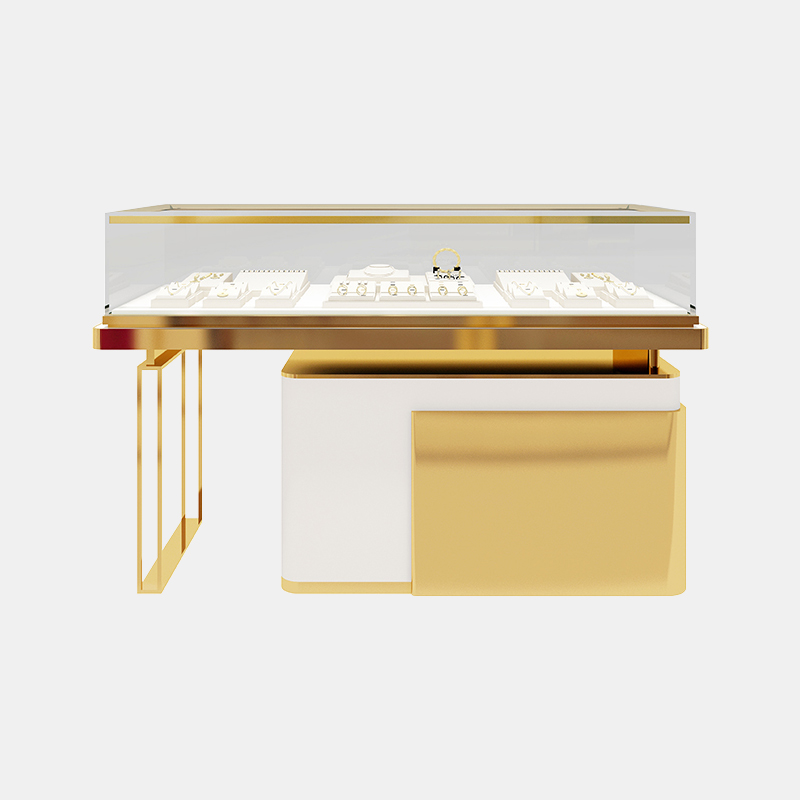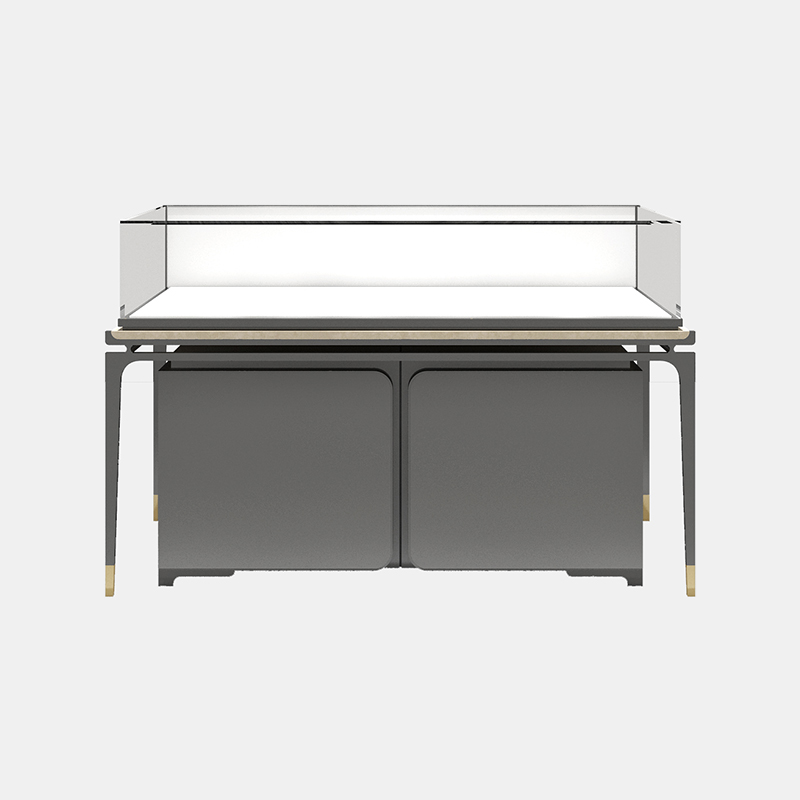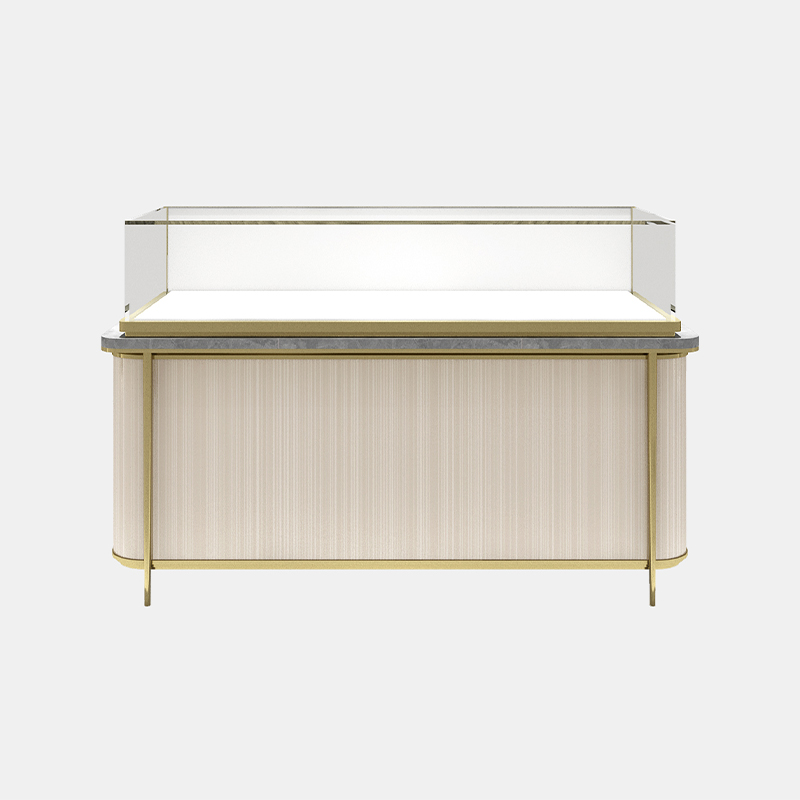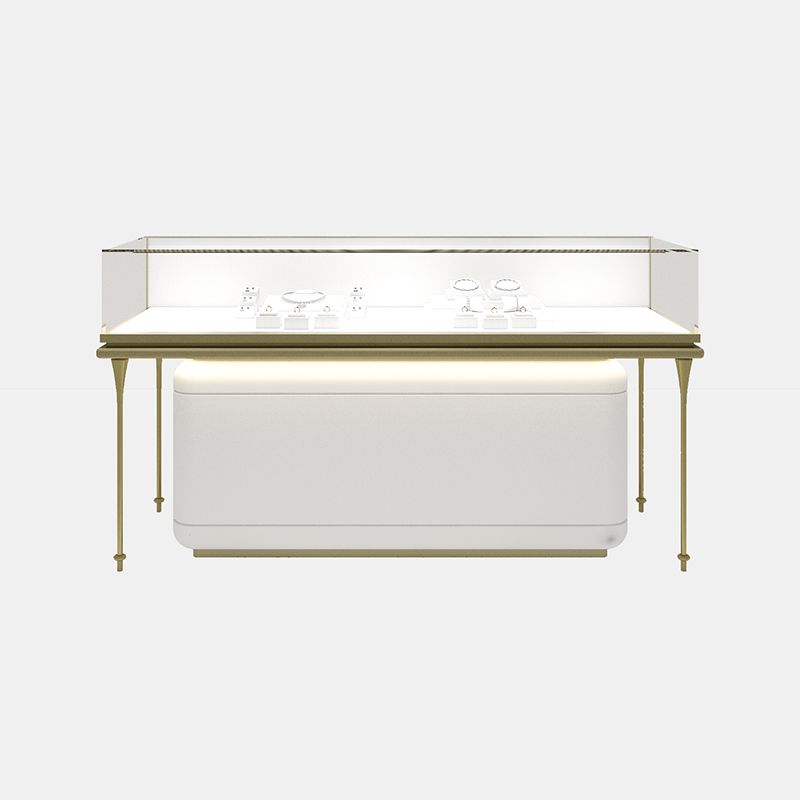
Content
A well-designed customized display cabinet can increase product sales by 20% to 300% depending on the retail category, placement, and design quality. This is not a marginal improvement—it is a structural change in how shoppers perceive, engage with, and ultimately purchase your products. Research consistently shows that over 70% of purchase decisions are made at the point of sale, meaning the environment immediately surrounding your product at the moment of decision is one of the most powerful sales levers available to any retailer or brand.
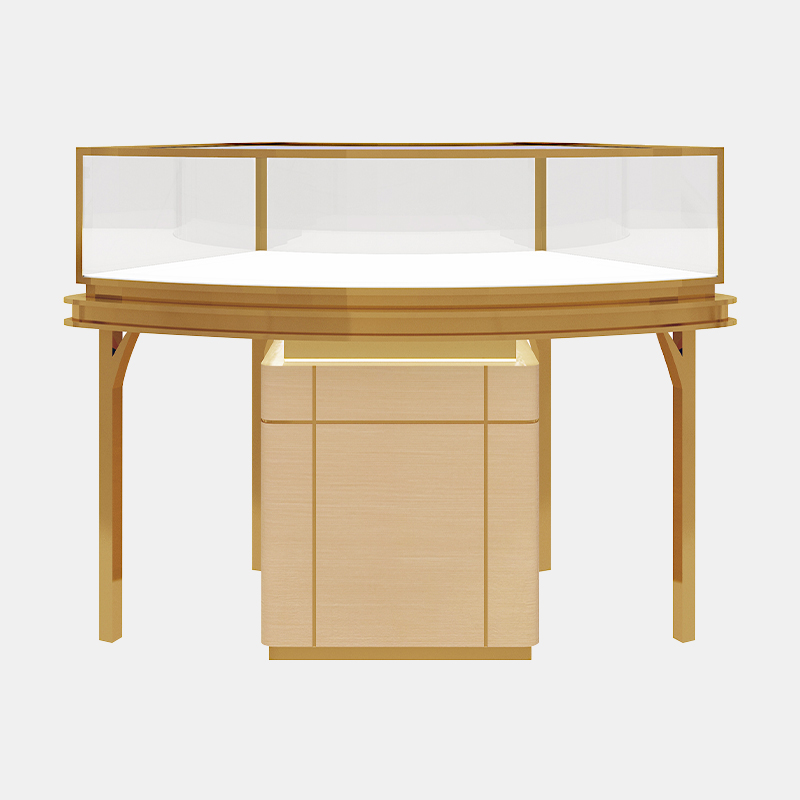
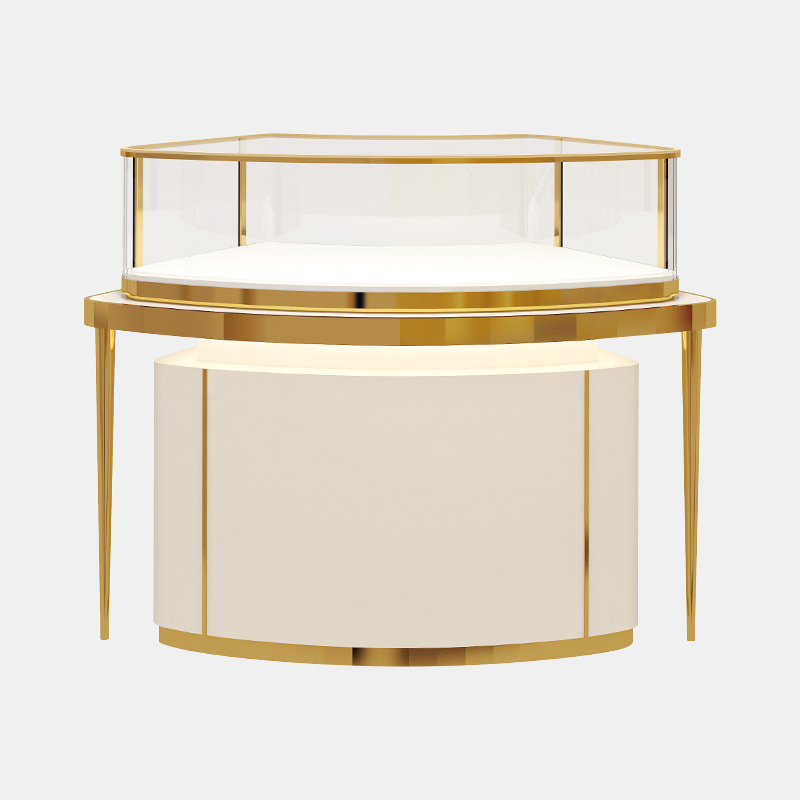
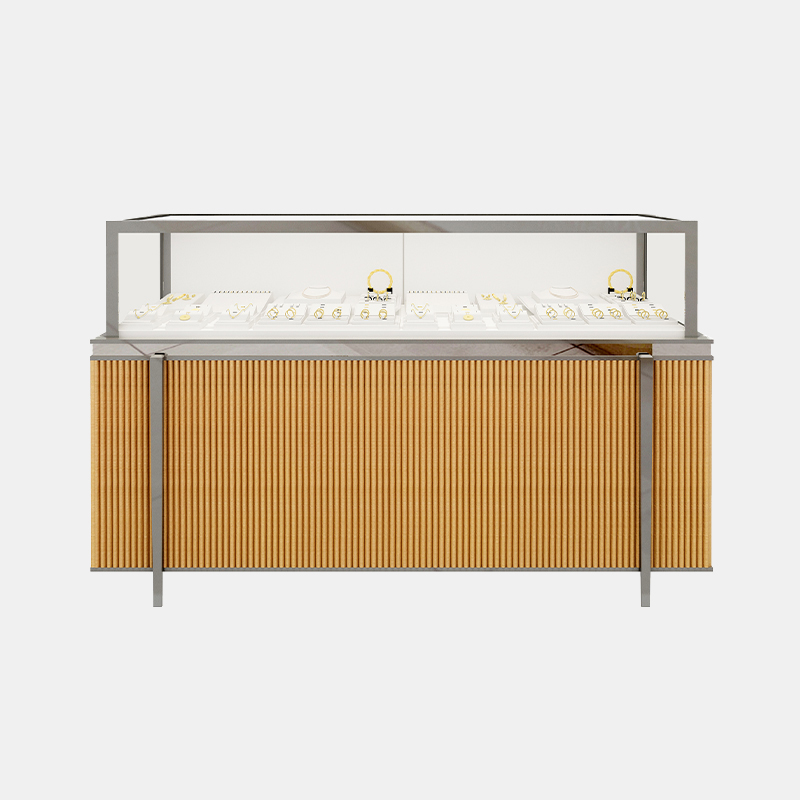
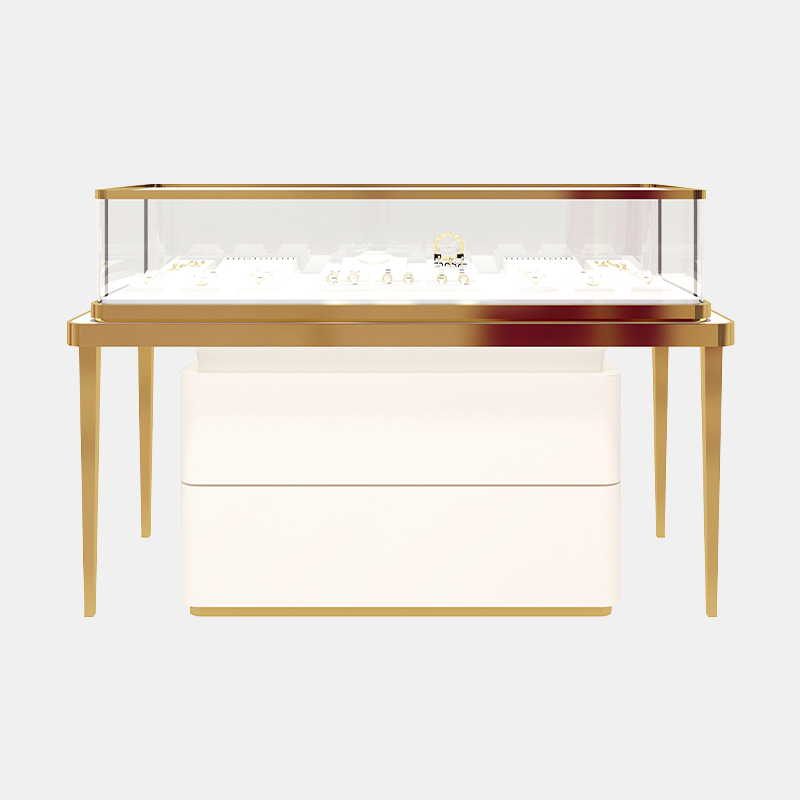
A customized display cabinet—designed specifically for your product dimensions, brand identity, lighting needs, and target customer—performs far better than a generic shelving unit because it eliminates visual noise, focuses shopper attention, and communicates brand value before a single word is read. The sections below explain exactly how this works and what it takes to get it right.
Generic store shelving is designed to hold products—not to sell them. The difference in sales performance between standard fixtures and customized display cabinets comes down to several measurable factors:
A 2019 study by the Point of Purchase Advertising International (POPAI) found that products displayed in branded, purpose-built fixtures saw an average sales lift of 44% compared to the same products on standard shelving in the same store.
Eye-tracking research shows that shoppers scan retail environments in predictable patterns. A well-positioned custom display cabinet intercepts that visual path and holds attention. Internal LED lighting draws the eye from up to 6 meters away, while structured product tiers guide attention from hero products (eye level) to supporting items (below) in a deliberate sequence that mirrors effective sales copy.
The container communicates the value of what's inside. A perfume displayed in a backlit, mirrored cabinet with premium materials is perceived as more luxurious than the identical product on a wire rack—even at the same price. Luxury brands consistently invest in custom display infrastructure precisely because it justifies premium pricing. Apple's in-store product tables, for example, are custom-engineered fixtures that reinforce the brand's premium positioning at every touch point.
Custom cabinets are built around your exact product SKUs. This means every shelf height, slot width, and angle is optimized so products face forward, stand upright, and remain accessible without requiring the shopper to reach awkwardly or search. Studies on retail ergonomics show that reducing the effort required to pick up a product increases conversion rates by up to 15%.
A customized cabinet can be designed with intentional product adjacencies—placing complementary items within the same visual field to encourage multi-item purchases. A skincare brand, for example, might design a cabinet where serums are displayed at eye level and the matching moisturizer is positioned directly below, with a visible "complete your routine" prompt built into the cabinet graphics. This spatial storytelling is impossible on a standard shelf.
Consistent brand presentation builds trust, and trust drives conversion. A custom display cabinet that precisely reflects your brand's visual language—colors, typography, materials, tone—functions as a three-dimensional advertisement. Brands with consistent presentation across all touchpoints see revenue increases of 10% to 23% according to Lucidpress research, and the physical retail environment is one of the highest-impact touchpoints available.
While almost any retail product benefits from a well-designed display, the following sectors see the most dramatic and measurable sales improvements:
| Industry | Typical Sales Lift | Primary Cabinet Function | Key Design Feature |
|---|---|---|---|
| Cosmetics & Skincare | 30%–80% | Brand immersion, product trial facilitation | Integrated lighting, mirror panels, testers |
| Jewelry & Watches | 50%–150% | Security, spotlighting, perceived exclusivity | Lockable glass, velvet lining, accent LEDs |
| Electronics & Gadgets | 20%–60% | Interactive demo, product comparison layout | Cable management, demo stations, modular shelves |
| Wine & Spirits | 25%–70% | Atmosphere creation, pairing suggestions | Warm lighting, label-forward display, wood finishes |
| Collectibles & Figurines | 40%–120% | Protection, individual spotlighting, collection display | Glass doors, adjustable shelves, dust protection |
| Food & Confectionery | 20%–50% | Impulse purchase stimulation, hygiene | Transparent panels, easy-access openings, branding |
Not all custom cabinets perform equally. The difference between a cabinet that boosts sales and one that merely looks good comes down to these design decisions:
Lighting is the single highest-ROI design element in a display cabinet. Warm white LEDs (2700K–3000K) enhance food, jewelry, and lifestyle products, while cool white (4000K–5000K) suits electronics and pharmaceuticals. Backlit shelving creates a floating effect that elevates perceived quality. Avoid fluorescent lighting—it creates harsh shadows and color distortion that reduces product appeal.
Products placed at eye level (approximately 145–165 cm from the floor) generate the highest sales. In a custom cabinet, shelves can be angled 5–15 degrees toward the customer to ensure labels and product faces are fully visible without the shopper needing to bend or tilt their head—a small engineering detail that measurably increases engagement time and conversion.
Cabinet materials directly communicate brand tier. High-gloss acrylic or tempered glass suggests premium quality. Natural wood veneers convey craftsmanship and authenticity. Matte powder-coated metal reads as modern and technical. Mismatching cabinet materials with your brand positioning is one of the most common and costly display design mistakes.
Cabinets that allow customers to touch, pick up, or try products convert at significantly higher rates than fully enclosed "look but don't touch" designs. For electronics and cosmetics especially, incorporating tester stations or open-access zones within the custom cabinet structure can increase conversion rates by 25% to 40% compared to fully enclosed alternatives.
The quality of your brief directly determines the quality of the cabinet you receive. A strong brief should include:
| Criteria | Customized Display Cabinet | Standard Retail Fixture |
|---|---|---|
| Brand alignment | Fully brand-specific | Generic; no brand expression |
| Product fit | Precision-fit for your SKUs | Approximate; gaps and misalignment common |
| Lighting | Integrated, product-optimized | Relies on ambient store lighting |
| Sales impact | 20%–150% average lift | Baseline (no additional lift) |
| Initial cost | Higher upfront investment | Lower upfront cost |
| Long-term ROI | Strong; typically recovers cost in 3–12 months | Limited; no incremental revenue generation |
| Adaptability | Can be designed for seasonal updates | Fixed; no customization possible |
Cost varies widely based on size, materials, lighting complexity, and production volume. A single mid-range customized display cabinet for retail use typically ranges from $500 to $5,000 USD, while high-end luxury brand installations can exceed $20,000 per unit. For bulk orders (10+ units), per-unit costs drop substantially—often by 30% to 50%. The key question is not the upfront cost but the payback period: a cabinet that generates a 30% sales lift on a $10,000/month product line pays back a $3,000 investment in roughly one month.
Lead times depend on complexity and order volume. A standard custom cabinet with moderate complexity typically takes 3 to 6 weeks from approved design to delivery. More complex builds with integrated electronics, custom fabricated metal, or large production runs may require 8 to 12 weeks. Always build in buffer time when planning for seasonal launches or retail rollouts, and request a production timeline milestone schedule from your manufacturer before signing off on the brief.
Yes—and for small businesses entering competitive retail environments, a custom display cabinet can be a critical differentiator. Even a modest custom cabinet investment of $300 to $800 can dramatically outperform generic alternatives for small brands in specialty retail, farmers markets, boutique stores, or pop-up events. The key is to focus the investment on the highest-traffic placement point and ensure the design clearly communicates brand identity and product benefit at a glance. Many manufacturers offer low-minimum-order options specifically for emerging brands.
For high-traffic retail environments, powder-coated steel frames with tempered glass panels offer the best combination of durability, aesthetics, and long-term cost efficiency. MDF with a high-pressure laminate (HPL) surface is a cost-effective alternative for lower-traffic environments. Acrylic is visually striking but scratches over time and is best reserved for premium, controlled-access displays. For outdoor or semi-outdoor installations, marine-grade aluminum with UV-resistant finishes is the most durable option.
The most reliable method is an A/B test: place your product in the new custom cabinet at one retail location and keep it on standard shelving at a comparable location for 4 to 8 weeks, then compare sales velocity (units sold per day). You can also track sell-through rate (percentage of inventory sold within a period) and average transaction value before and after installation. If a full A/B test is not feasible, comparing weekly sales data from 4 weeks before and 4 weeks after installation at the same location provides a strong directional signal.
Yes—if designed with adaptability in mind from the start. Modular shelf systems, interchangeable graphic panels, and adjustable LED strip lighting allow cabinets to be reconfigured for new SKUs, seasonal promotions, or brand refreshes without requiring a full replacement. When briefing your manufacturer, explicitly request a modular design if you anticipate product line changes. The incremental cost at the design stage is minimal compared to the cost of replacing an entire cabinet every product cycle.


 ਪੰਜਾਬੀ
 English
 عربى
عربى русский
 中文简体
中文简体