Content
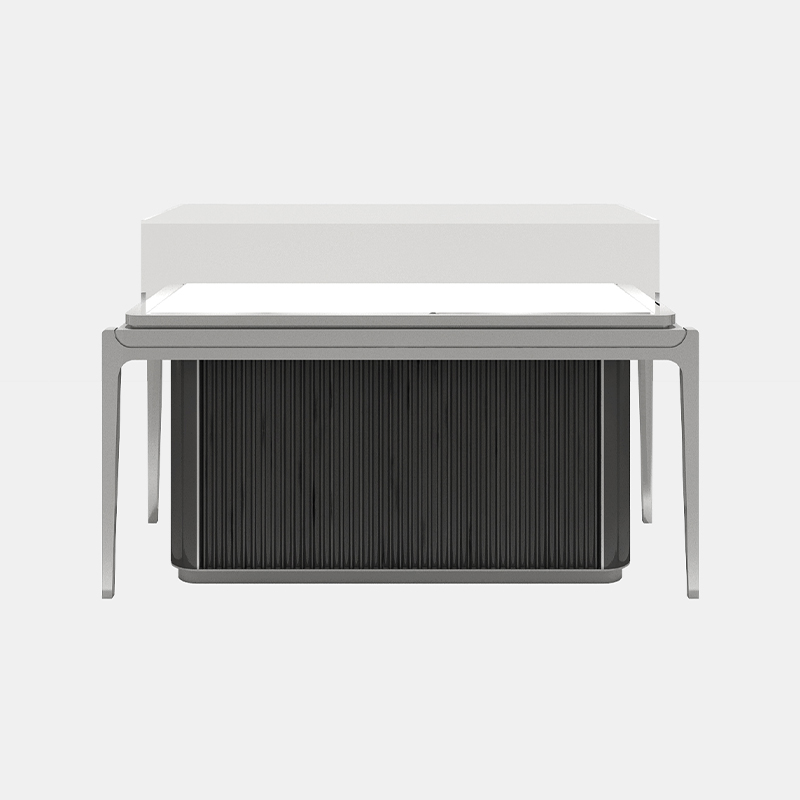
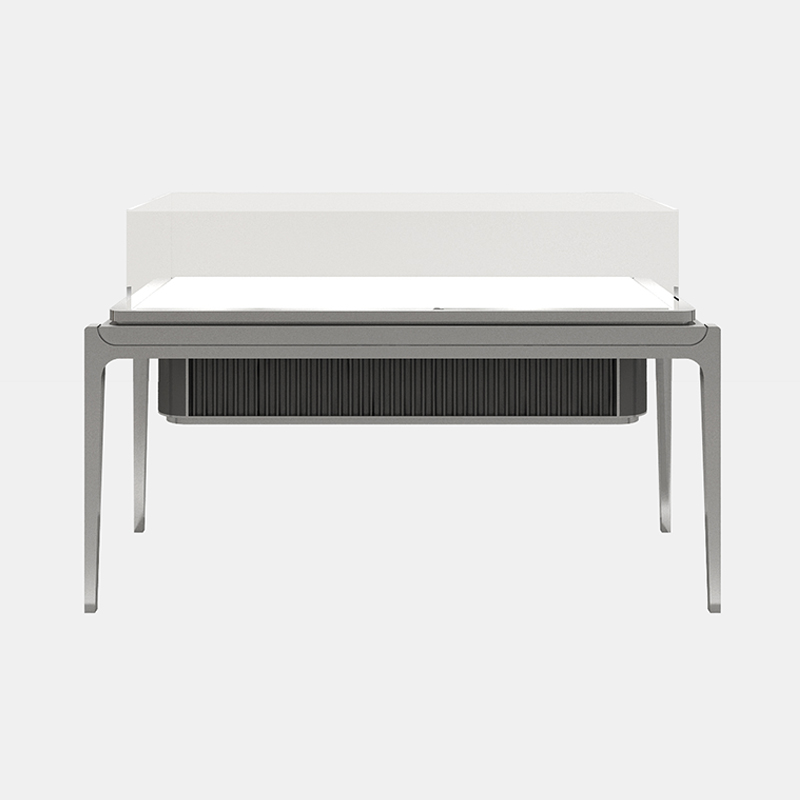
The right Museum Display Cabinet must provide museum-grade protection, stable environmental control, high security, and optimal visibility for artifacts. Selection should be based on artifact sensitivity, exhibition duration, lighting requirements, and visitor interaction level. Cabinets that fail to control humidity, UV exposure, or vibration can shorten artifact lifespan by years.
Below, we break down the essential technical and practical factors that determine the most suitable cabinet for professional museum environments.
Temperature and humidity stability are critical for preserving historical objects. Organic materials such as textiles and paper require relative humidity (RH) between 45%–55%, while metals often need lower humidity levels below 40% to prevent corrosion.
Even small humidity fluctuations of ±10% can accelerate deterioration, especially for fragile manuscripts and wooden artifacts.
High-transparency low-iron glass improves color accuracy by up to 15% compared to standard float glass. Laminated safety glass also enhances protection against breakage.
UV radiation is one of the primary causes of fading. A qualified Museum Display Cabinet should block at least 97%–99% of UV rays.
Interior panels must use VOC-free and acid-free materials. Powder-coated steel and museum-grade MDF are commonly preferred.
Proper lighting enhances visibility without damaging artifacts. Light intensity should vary by material type:
| Artifact Type | Recommended Lux Level | Notes |
|---|---|---|
| Textiles & Paper | 50 lux | Highly light-sensitive |
| Paintings | 150–200 lux | Moderate sensitivity |
| Stone & Metal | Up to 300 lux | Low sensitivity |
LED lighting with minimal heat emission is strongly recommended to avoid internal temperature increases.
Security is non-negotiable. A high-quality Museum Display Cabinet should include:
For high-value artifacts, cabinets may be integrated with alarm sensors connected to central security systems.
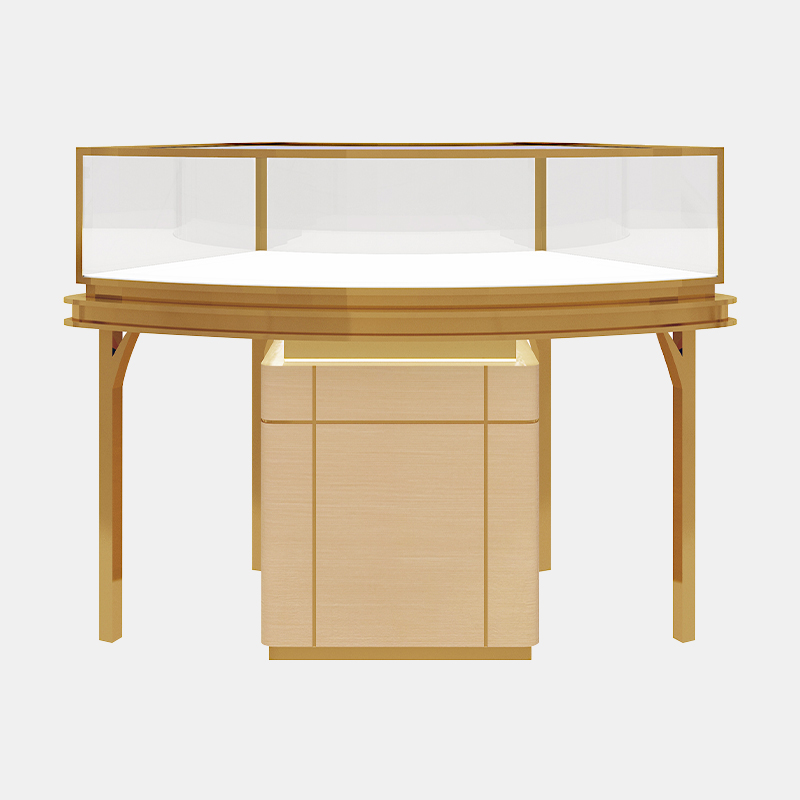
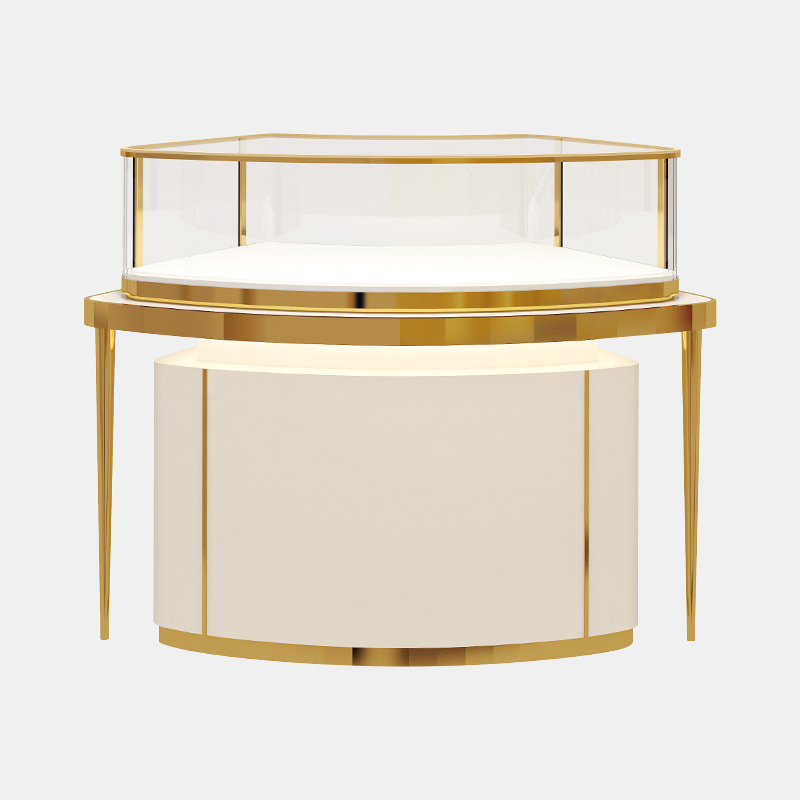
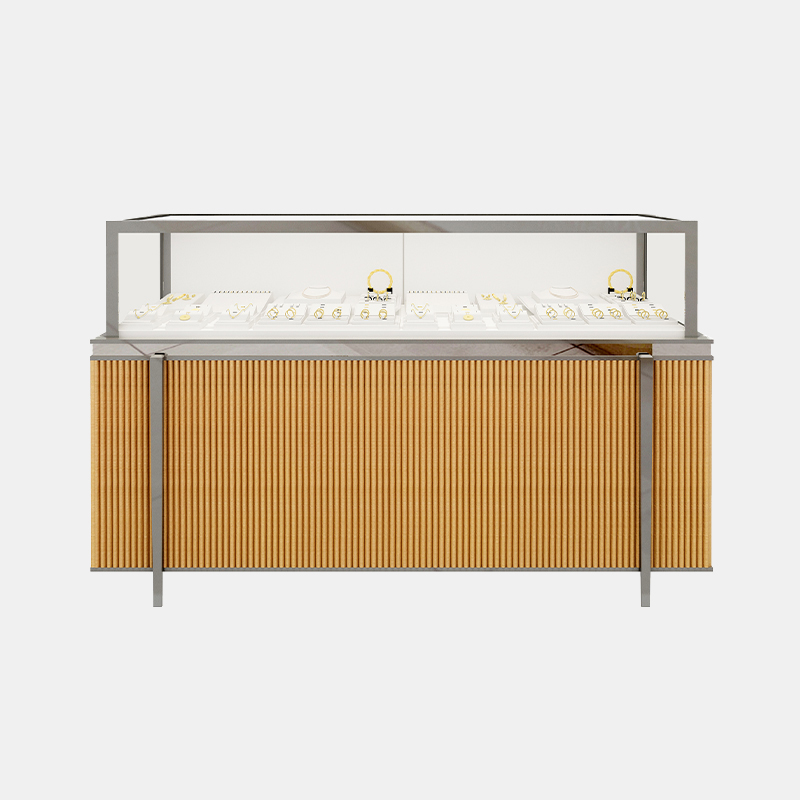
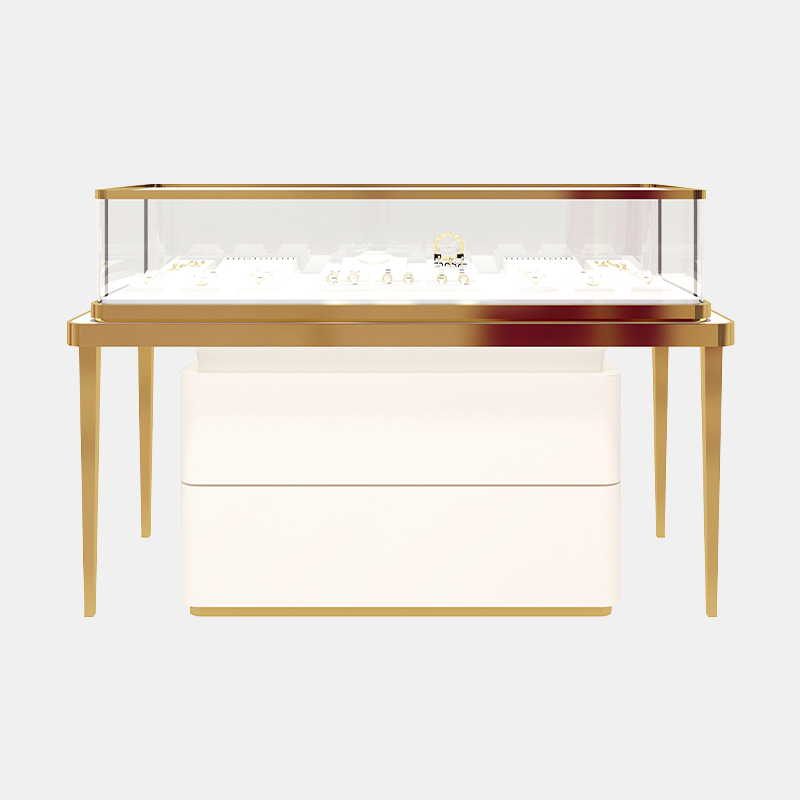
Cabinet type should align with gallery layout and visitor flow. Common configurations include:
Ensure sufficient viewing height (typically 900–1100mm center height) to improve visitor comfort and engagement.
Ideally, the air exchange rate should be below 0.1 per day to maintain stable humidity levels.
Yes. UV protection of at least 97% is critical to prevent fading and material degradation.
LED lights produce minimal UV and heat, making them safe when lux levels are properly controlled.
Continuous digital monitoring is recommended, with manual verification at least once per month.
Avoid untreated wood, high-VOC adhesives, and acidic foam boards.
For valuable or uniquely sized artifacts, custom Museum Display Cabinets provide better preservation and presentation, often extending artifact lifespan significantly.


 ਪੰਜਾਬੀ
 English
 عربى
عربى русский
 中文简体
中文简体