Content
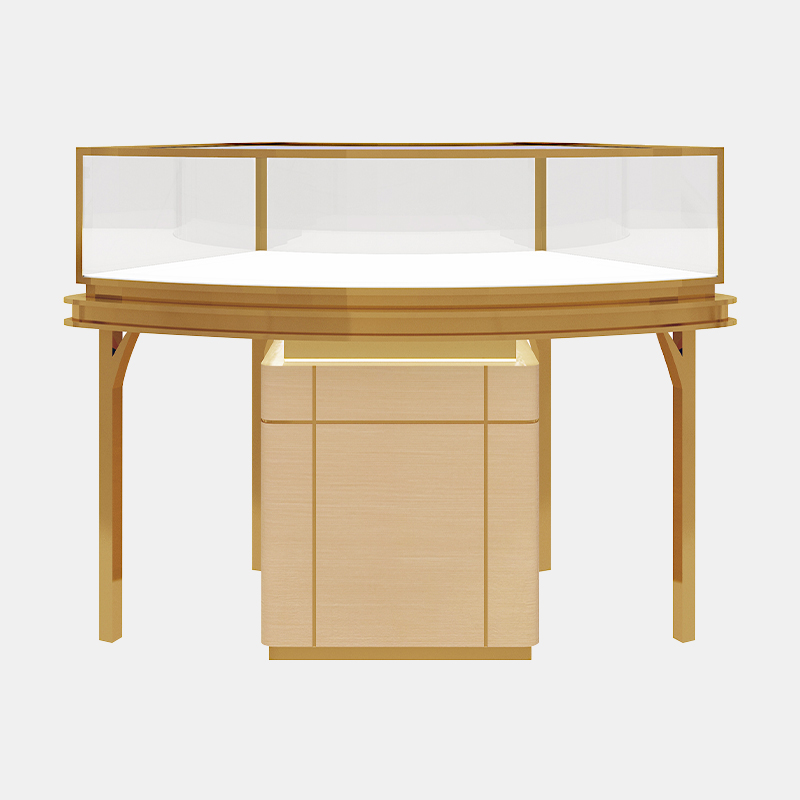
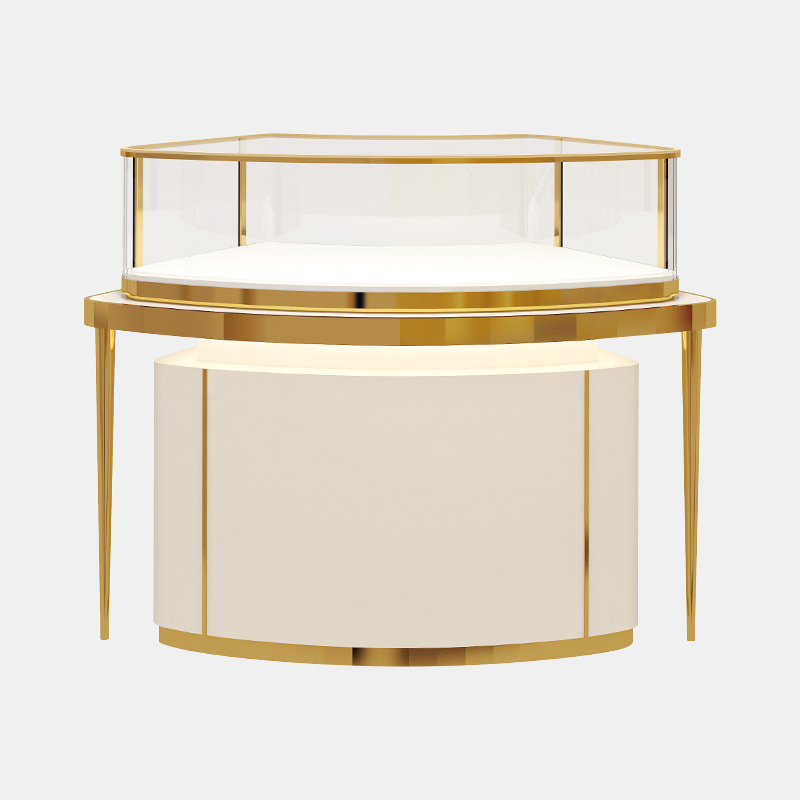
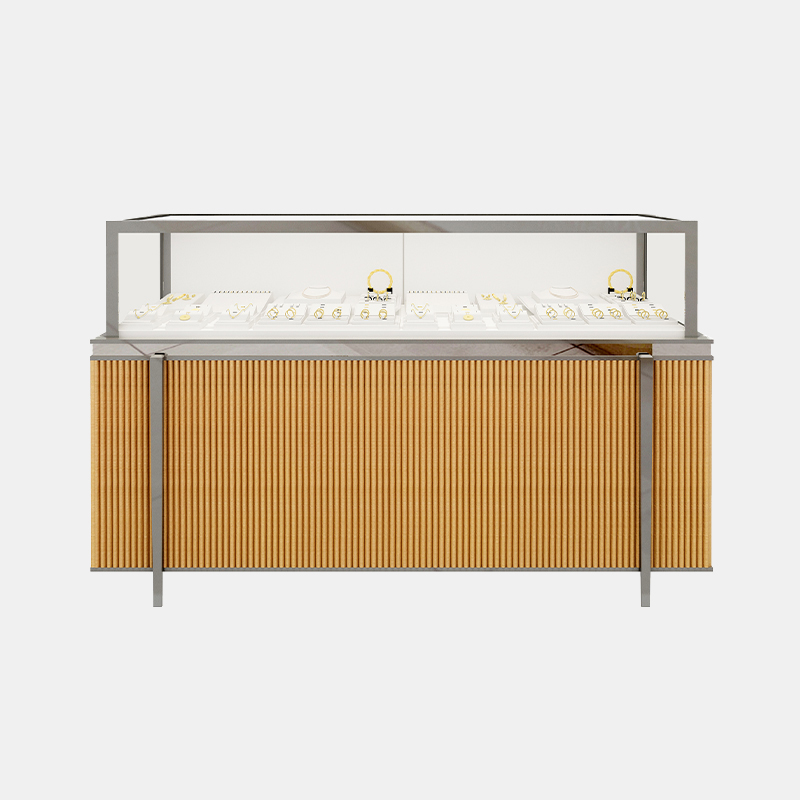
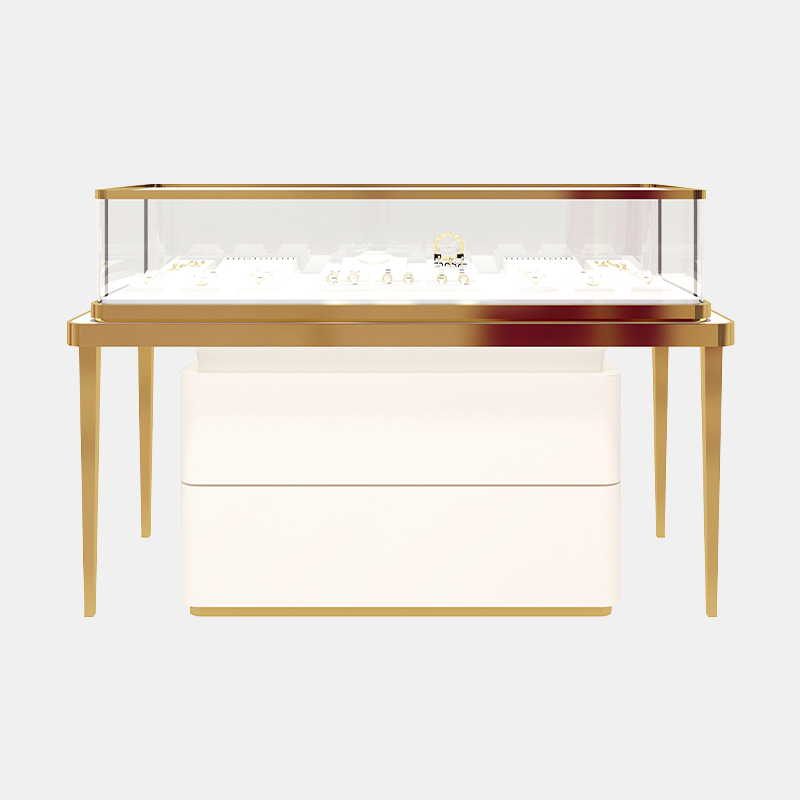
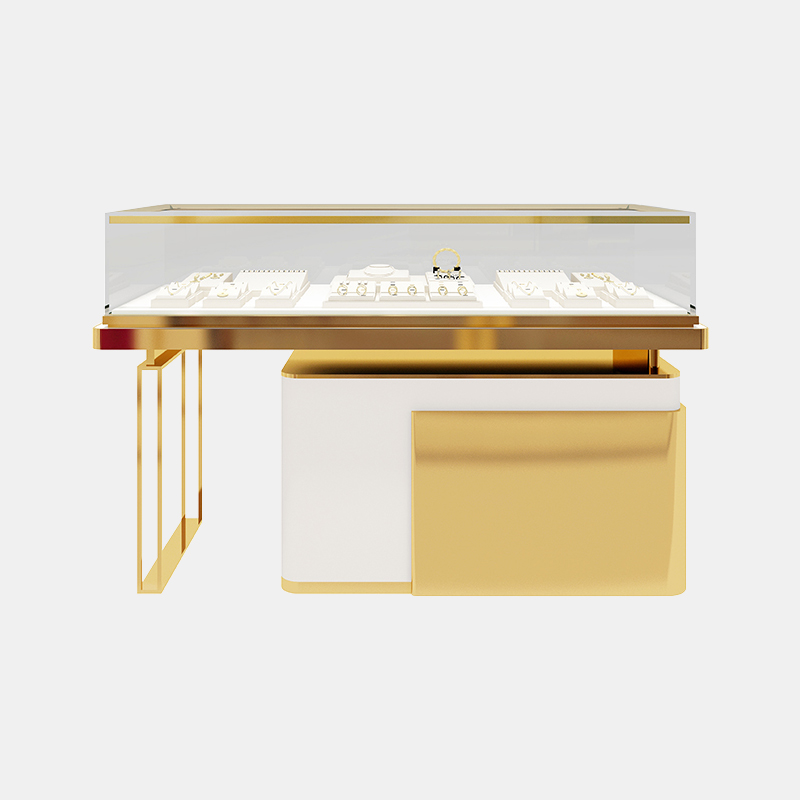
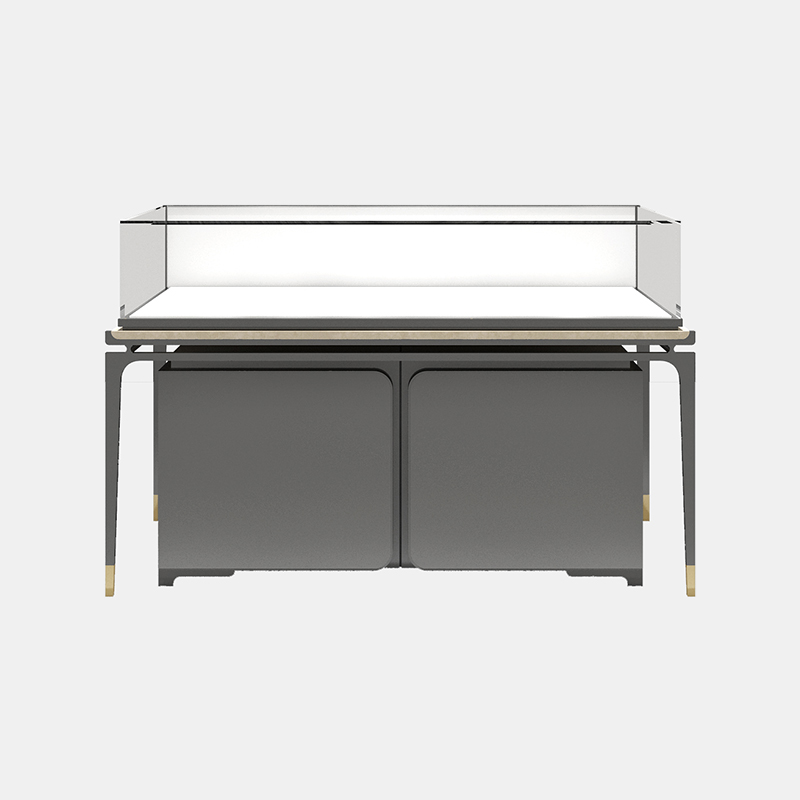
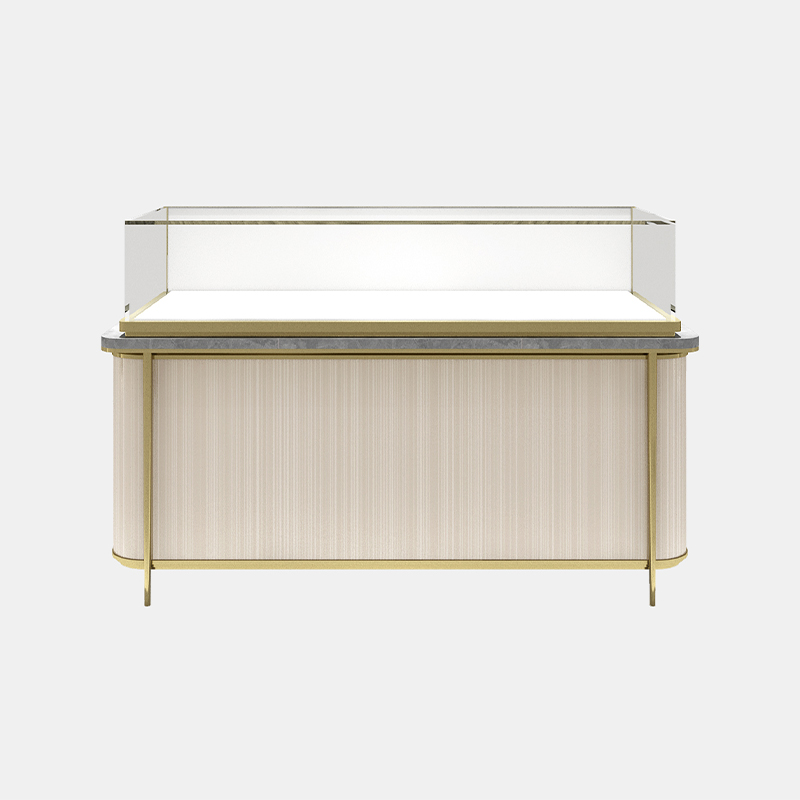
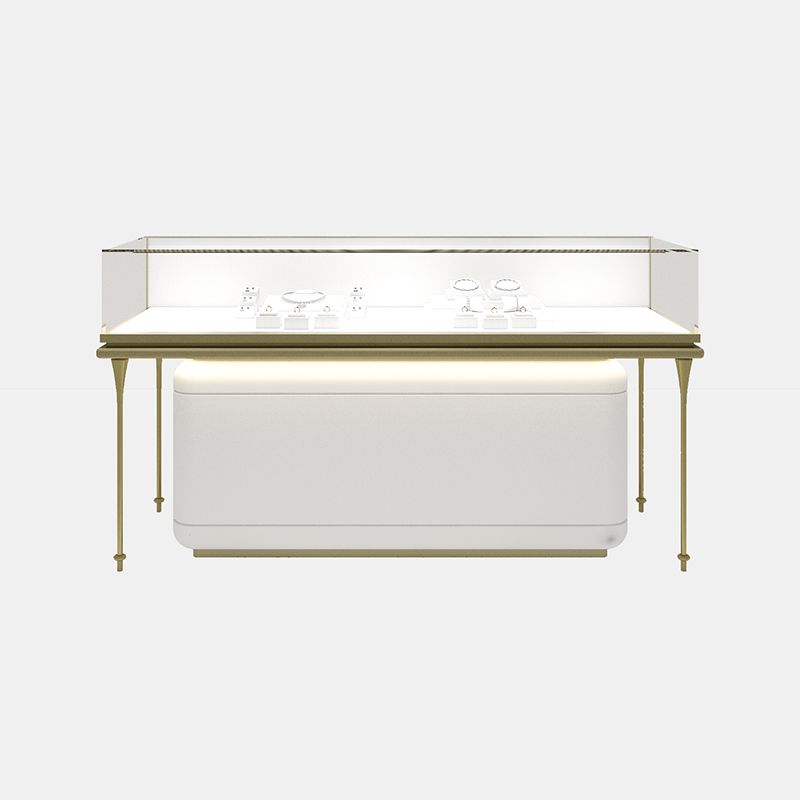
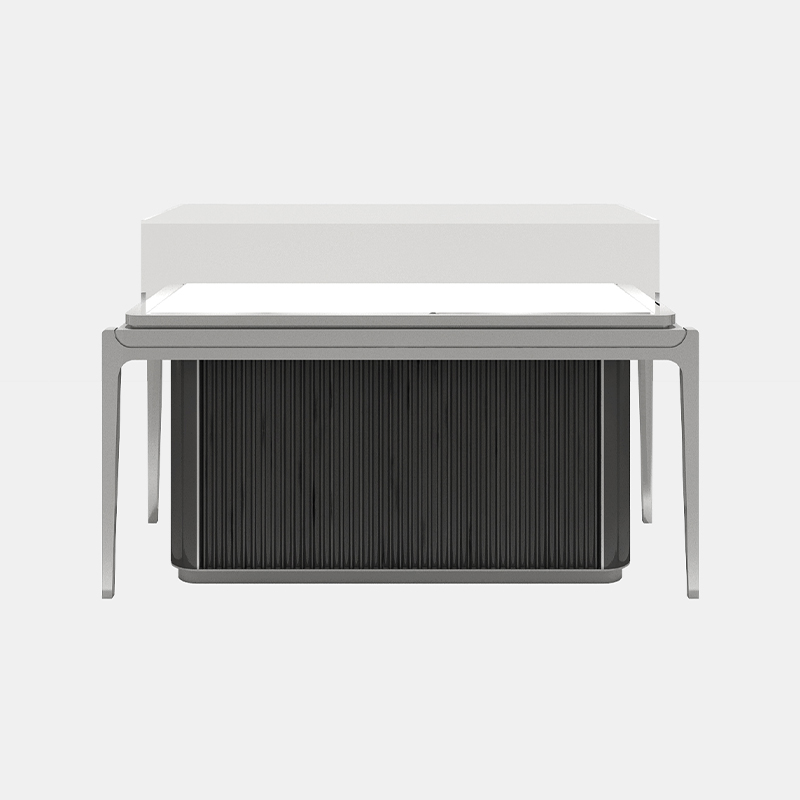
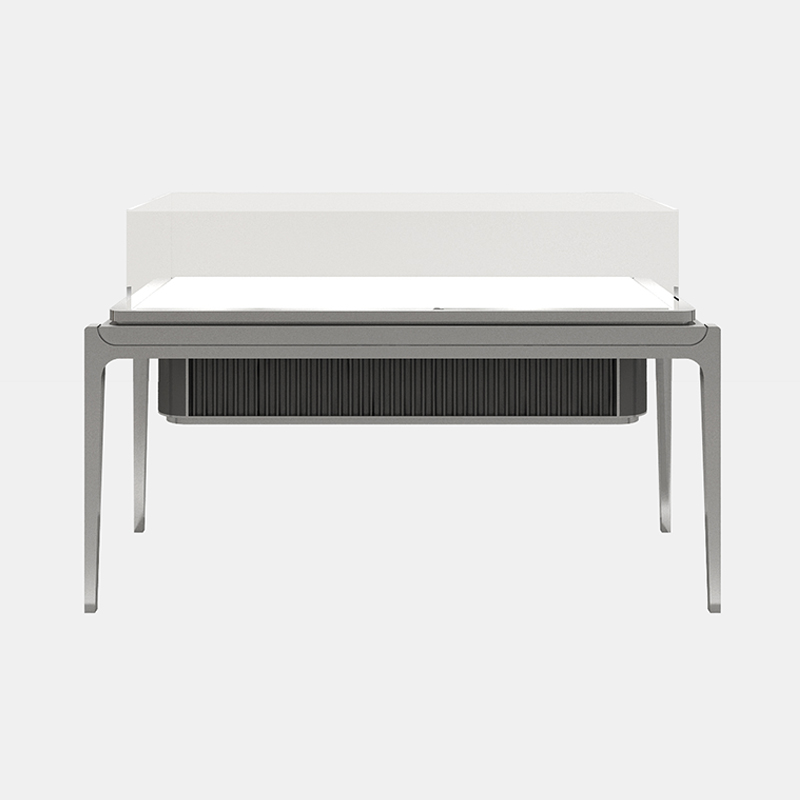
Museum display cabinets are essential for protecting and showcasing valuable artifacts, artworks, and historical items. These cabinets provide a secure environment that allows visitors to appreciate and admire the items without the risk of damage. Designed with security, visibility, and style in mind, museum display cabinets are key to preserving the integrity and history of the pieces they hold.
Museum display cabinets come in a variety of designs, offering flexibility in how items are presented. Common features include:
Selecting the right museum display cabinet depends on several factors such as the type of items to be displayed, the size of the space, and the required security features. Some of the key considerations include:
1. How do I clean a museum display cabinet?
To clean the glass, use a soft cloth and non-abrasive cleaner to avoid scratching the surface. Dust the shelves regularly and ensure that the locks remain lubricated for easy access.
2. Are museum display cabinets fireproof?
Some museum display cabinets are designed with fire-resistant materials, but it is important to check the specifications when selecting a display cabinet for fire protection.
3. Can I display artwork in a museum display cabinet?
Yes, museum display cabinets are ideal for showcasing paintings, sculptures, and other forms of artwork, as they provide a protective and visible environment.
4. What is the best material for a museum display cabinet?
Tempered glass is the most common material used for the display panels, as it provides clarity, strength, and protection. The base and shelves are often made from wood, metal, or acrylic.
5. Can museum display cabinets be customized?
Yes, many manufacturers offer customizable options, including size, color, and shelving configurations, to suit specific display needs.
6. How secure are museum display cabinets?
High-quality museum display cabinets feature locking mechanisms, reinforced glass, and other security features to prevent unauthorized access and protect valuable items.


 ਪੰਜਾਬੀ
 English
 عربى
عربى русский
 中文简体
中文简体