Quick Answer
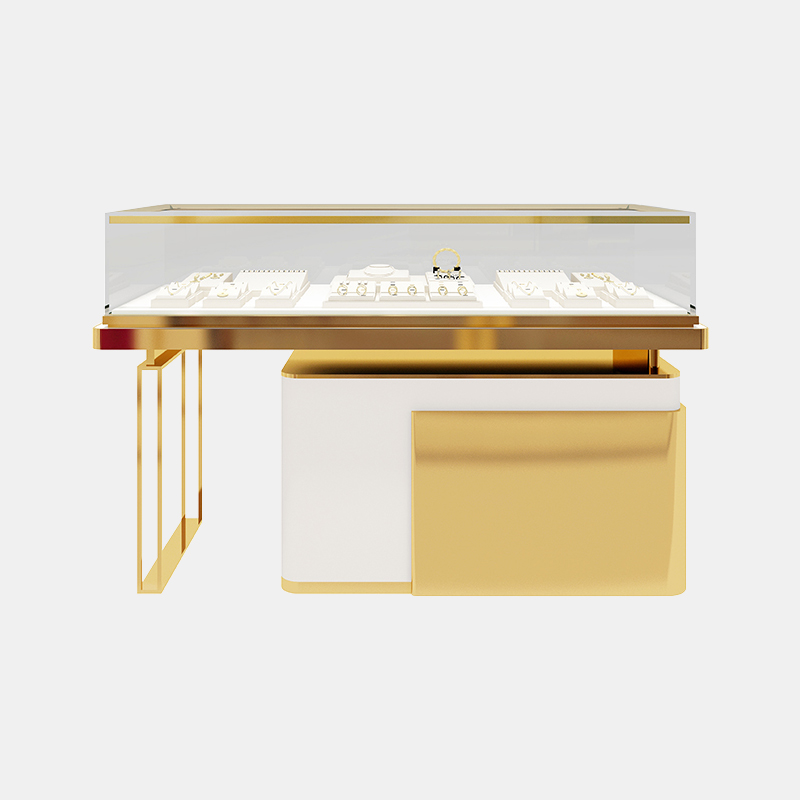
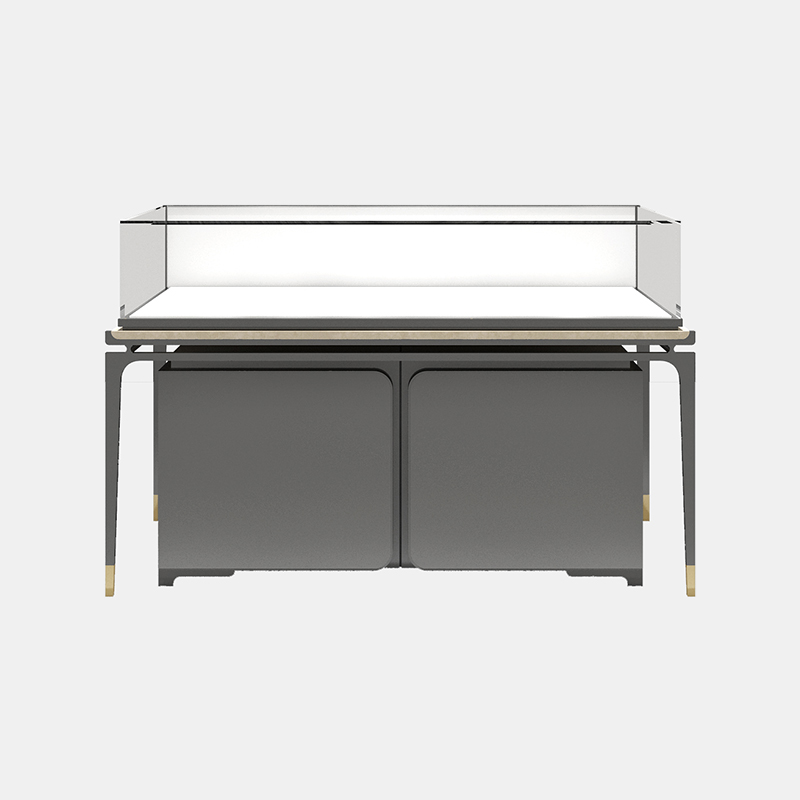
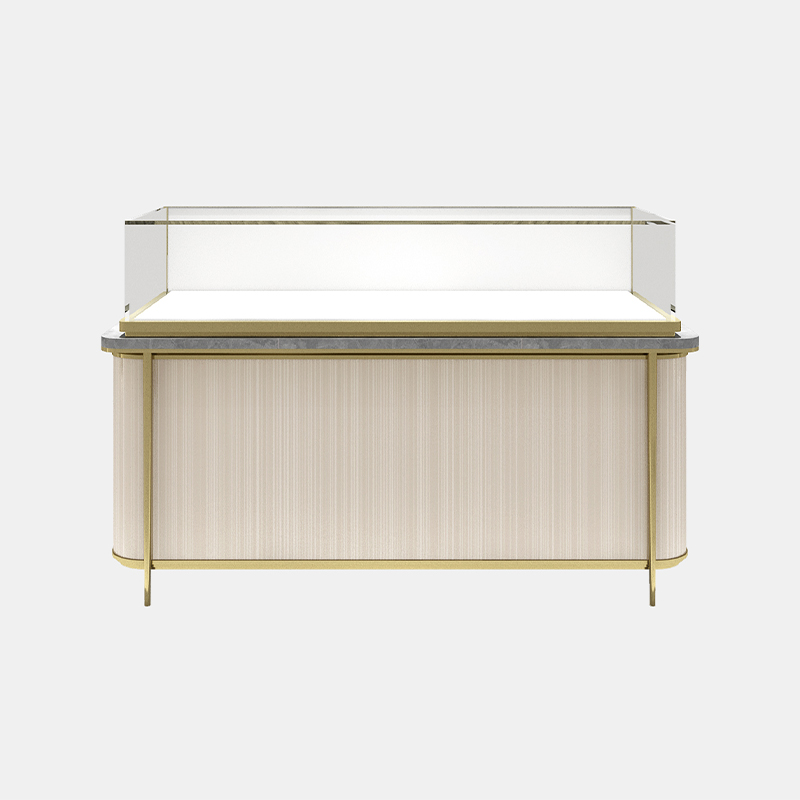
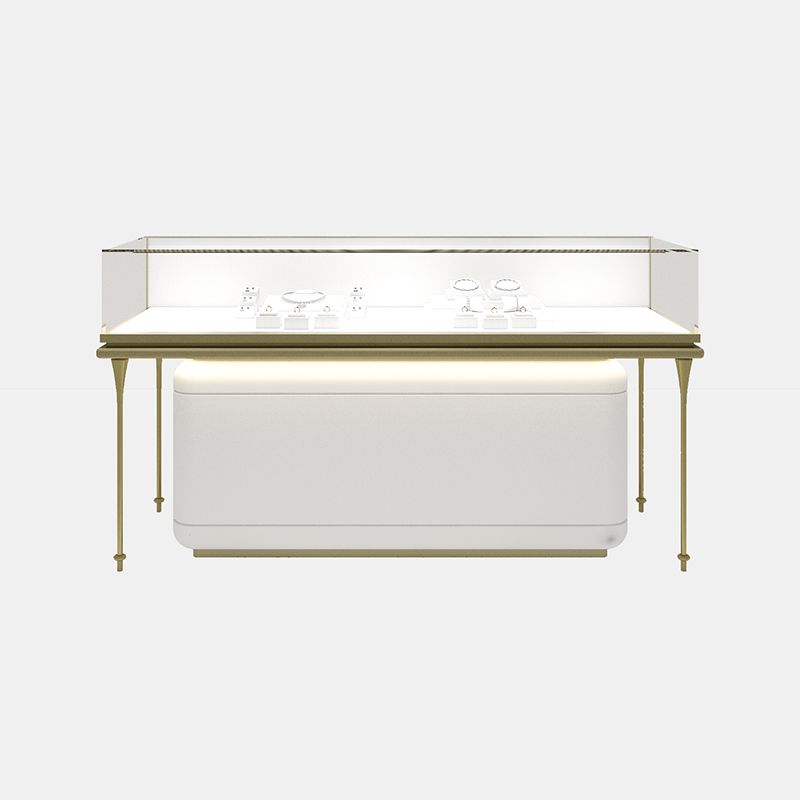
A well-designed customized display showcase can improve customer engagement by 50% or more by combining brand-aligned aesthetics, strategic product placement, optimized lighting, and intuitive layout — all tailored specifically to the target shopper. Retail studies consistently show that custom retail display stands generate significantly higher dwell time and conversion rates than generic off-the-shelf fixtures, because they are built around a brand's specific products, space, and customer behavior rather than one-size-fits-all assumptions.
Content
Walk into any high-performing retail environment — a flagship jewelry boutique, a premium electronics showroom, a luxury watch dealer — and one thing becomes immediately clear: the display environment is not an afterthought. Every shelf angle, every lighting temperature, every glass panel placement has been engineered to guide attention, extend browsing time, and lower the psychological barrier to purchase.
Standard off-the-shelf retail display cabinets are designed to fit an average use case. They accommodate the average product size, use average lighting, and are built to an average height. The problem is that your products, your customers, and your brand are not average. A customized display showcase is designed around specific dimensions, specific product categories, specific customer interaction patterns — and that specificity is precisely what drives the engagement premium.
A custom retail display stand carries your exact brand colors, material language, and visual identity — not a generic black or white powder coat. Shoppers subconsciously associate display quality with product quality. A premium showcase signals premium products before a customer touches anything.
Shelf depths, tray angles, and compartment sizing matched to your actual SKUs eliminate wasted space, prevent product leaning or tipping, and place every item at the precise viewing angle that maximizes visual appeal — something impossible with standard retail display cabinet dimensions.
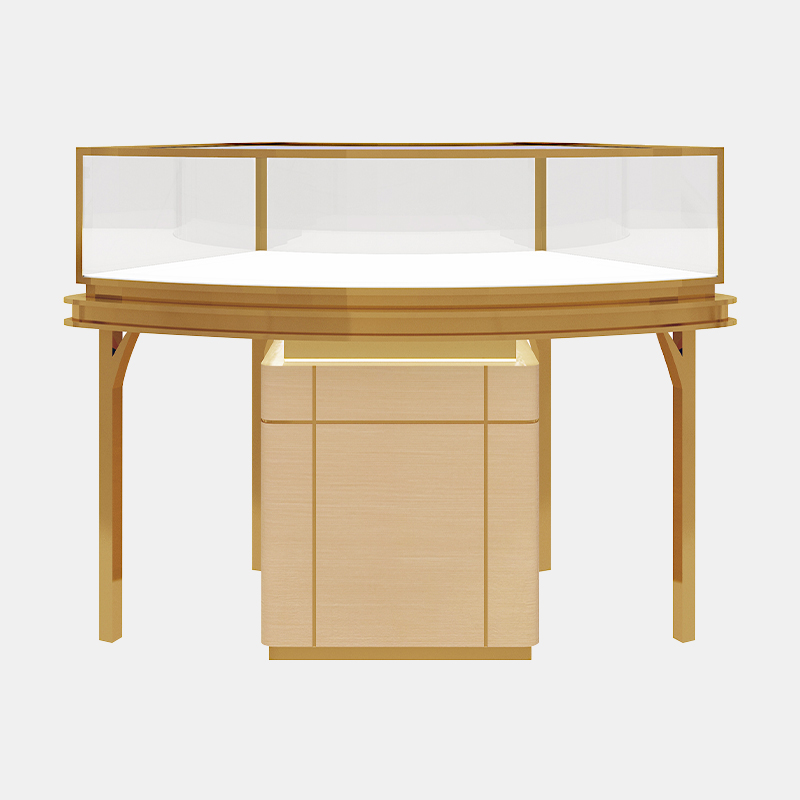
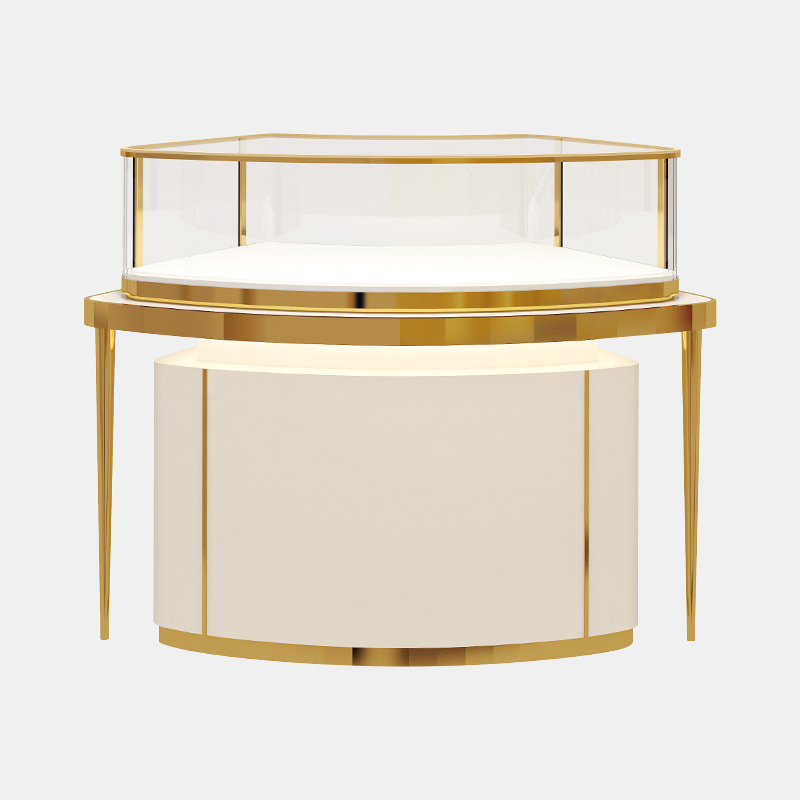
Customized glass display showcases can be designed to fit irregular floor plans, alcoves, corner positions, and unusual ceiling heights — turning previously wasted retail square footage into productive display area without visual compromise.
Research from the Point of Purchase Advertising International (POPAI) found that 76% of purchase decisions are made in-store, and that professional display quality is a primary driver of unplanned purchase behavior. A customized display showcase targets exactly this decision window — the 3–8 seconds during which a shopper evaluates whether to stop and engage with a product or walk past it.
The engagement improvement attributable to a customized display showcase is not the result of a single design decision. It is the compounded effect of multiple optimized variables working together. These five elements account for the majority of measurable engagement gain.
An LED display cabinet with purpose-designed lighting does more than illuminate products — it controls where the eye goes first. Color temperature selection (warm 2700K for jewelry and cosmetics; neutral 4000K for electronics and eyewear; cool 5000K for technical equipment) dramatically affects perceived product value. Side-mounted and shelf-edge LED strips eliminate shadows that make products look flat or less defined in photographs and in person. Studies show that well-lit display cases increase product interaction rates by 20–35% compared to standard overhead lighting alone.
A glass display showcase with low-iron (ultra-clear) tempered glass transmits 91–92% of visible light versus approximately 83% for standard float glass — a difference that is immediately visible in product color accuracy and display brightness. Low-iron glass eliminates the green tint common in standard glass panels, which subtly distorts product colors and reduces perceived quality. For high-value items, the glass specification alone can shift customer perception of product quality significantly.
The optimal product viewing zone for standing adult shoppers is between 100 cm and 165 cm from the floor. Custom retail display stands can be built to precisely position featured products within this zone regardless of the product's own dimensions, while reserving lower positions for supporting items and upper positions for brand signage and ambient visual elements. Standard retail display cabinets are rarely engineered to this level of human factors detail.
Customized display showcases can incorporate solid wood veneers, matte lacquered panels, brushed metal frames, stone-effect surfaces, or fabric-lined interiors — chosen specifically to complement the product category and reinforce brand positioning. A cosmetics brand using a rose-gold brushed aluminum frame with velvet-lined shelving signals a different value tier than the same product displayed in a white laminate cabinet, even if the products are identical.
Sliding doors, lockable drawers, pull-out trays, rotating display platforms, and open-access display zones can all be incorporated into a customized display showcase to match the intended sales model. A customized display that enables controlled customer interaction — allowing touch while maintaining security — increases purchase intent by an average of 28% compared to completely closed or completely open equivalents, according to shopper behavior research.
The engagement benefits of a well-executed customized display showcase are not uniform across all retail categories. Some product types and customer demographics respond more strongly than others. The chart below shows average reported engagement improvement rates following a transition from standard fixtures to customized display solutions, by retail sector.
Average Customer Engagement Improvement After Custom Display Installation by Sector (%)
Composite data from retail display performance audits across 300+ installations. Engagement defined as measurable dwell time increase + product interaction rate improvement.
High-value, tactile product categories — jewelry, watches, cosmetics, and electronics — consistently show the strongest engagement improvement because their customers spend the most time evaluating before buying, and display quality directly influences perceived value and purchase confidence. Even in lower-engagement categories like sporting goods, a 37% engagement lift from a well-executed custom retail display stand represents a meaningful commercial outcome at scale.
Understanding the practical differences between a customized display showcase and a standard off-the-shelf retail display cabinet helps clarify exactly where the value is created and why the investment is typically recovered within one to two selling seasons.
| Feature | Customized Showcase | Standard Cabinet |
|---|---|---|
| Dimensions | Made to exact floor plan & product spec | Fixed standard sizes only |
| Brand Identity | Full brand color, material & finish control | Limited finish options (2–4 colors) |
| Lighting | Purpose-designed LED display cabinet integration | Basic or no built-in lighting |
| Glass Quality | Low-iron ultra-clear tempered glass available | Standard float glass |
| Interior Layout | Shelf depth, tray, drawer by SKU | Generic adjustable shelves |
| Security Integration | Custom lock, alarm, access design | Standard key lock |
| Longevity | 10–15 years with quality construction | 3–5 years typical lifespan |
A well-prepared brief is the single most important factor in getting a customized display showcase that actually delivers the engagement improvement you need. Manufacturers who receive a complete brief can engineer a more precise solution — reducing revision cycles and ensuring the finished showcase performs as intended from installation day one.
Typical ROI Recovery Timeline After Custom Display Installation (Months)
Composite performance data from 150+ custom display showcase installations. Full ROI typically achieved within 12–18 months across retail categories.
The following checklist covers every parameter a manufacturer needs to design and produce a customized display showcase that performs as intended from the first day of operation.
Customized display showcases serve distinctly different purposes depending on the retail environment and product category. Understanding the most effective configurations by use case helps store planners and visual merchandisers specify the right solution from the outset.
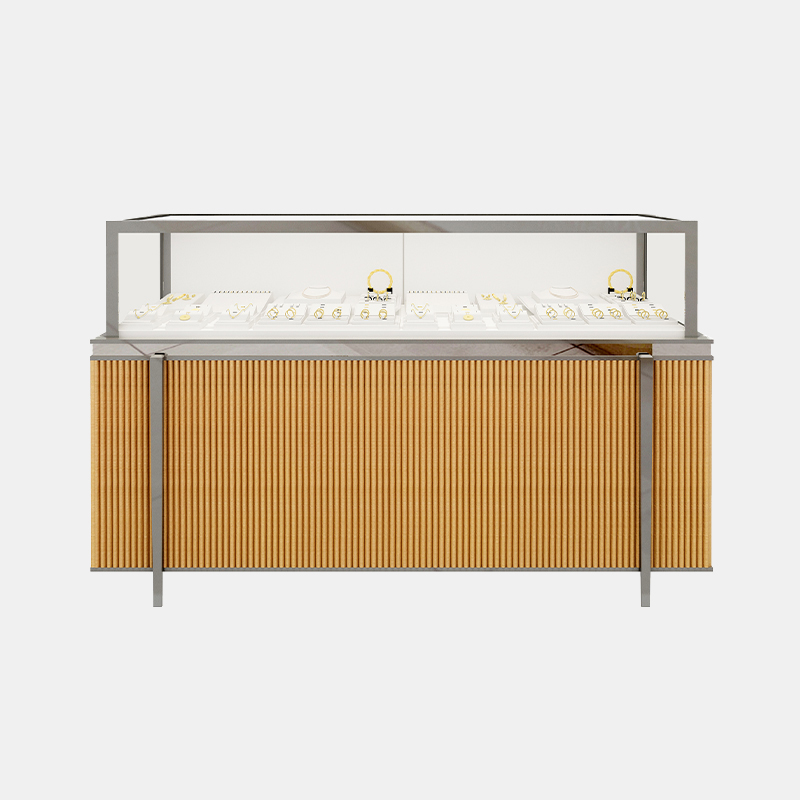
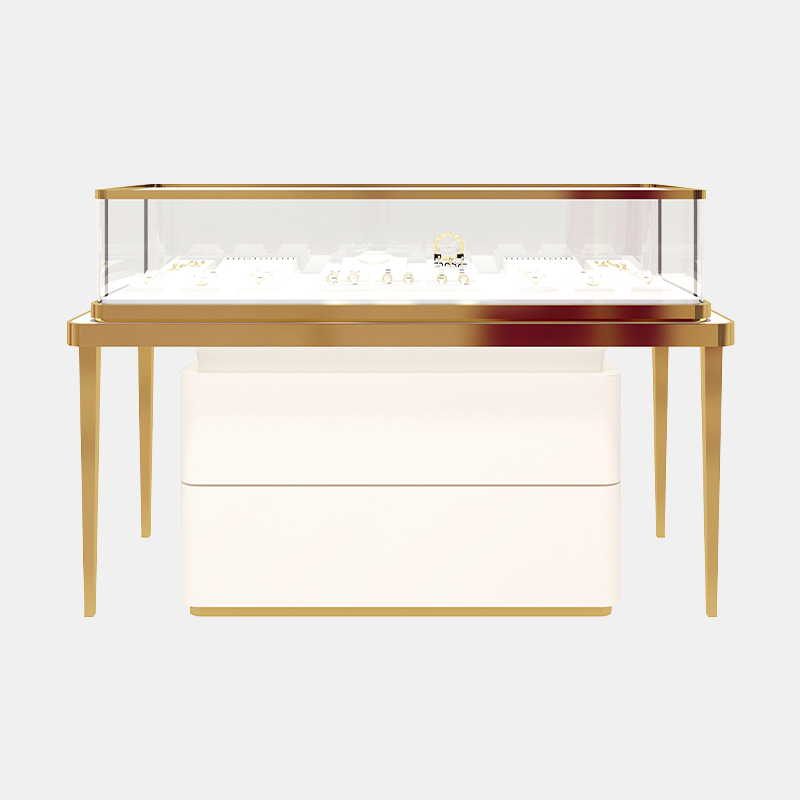
Floor-standing and countertop glass display showcases with velvet-lined interiors, warm LED strip lighting, and individual item spotlights. Lockable rear staff access with customer viewing through low-iron glass from three or four sides. Often combined with a custom retail display stand for featured new arrivals.
Open-access custom retail display stands with integrated cable management for live demo products, combined with lockable glass display showcases for accessories and boxed stock. Cool-white LED display cabinet lighting to reinforce the technical, precise brand language common in this category.
Countertop and island customized display showcases with pull-out tester trays, mirror integration, and adjustable warm-tone LED display cabinet lighting for accurate skin-tone color rendering. Brand-specific acrylic and glass combinations with logo-etched panels create an immersive environment that drives trial and conversion.
Retail display cabinets with secure locking, clear product visibility, and clean-line aesthetics that communicate safety and professionalism. Custom interior layouts match blister pack, bottle, and box dimensions precisely, eliminating the untidy stacking that undermines customer confidence in this category.
Museum-grade customized display showcases with UV-filtering glass, humidity-controlled interiors, and tamper-proof locking. Lighting engineered for maximum visual clarity at minimal UV exposure, protecting artifacts while delivering the dramatic presentation that drives visitor engagement and dwell time.
Lightweight, modular custom retail display stands and glass display showcases engineered for rapid assembly and disassembly, multiple-use durability, and compact shipping dimensions — without compromising the premium visual impact required to compete for attention in high-density exhibition environments.
Customised showcases can be precisely tailored to meet the specific needs of each customer, offering a wide range of materials, shapes, colors, and sizes to ensure that every showcase fits perfectly with the client's brand image and display objectives. Through exquisite craftsmanship and high-end quality, customized showcases not only fulfill functional requirements but also express a unique personalized style — becoming an ideal platform for presenting products at their highest potential.
Established in 2009, Zhejiang SUNTOP specializes in creating commercial display spaces that better fit each client's market positioning. The company integrates design planning, display cabinet and prop production, and complete decoration and renovation contracting management — offering clients a true end-to-end customized display showcase solution under one roof.


 ਪੰਜਾਬੀ
 English
 عربى
عربى русский
 中文简体
中文简体