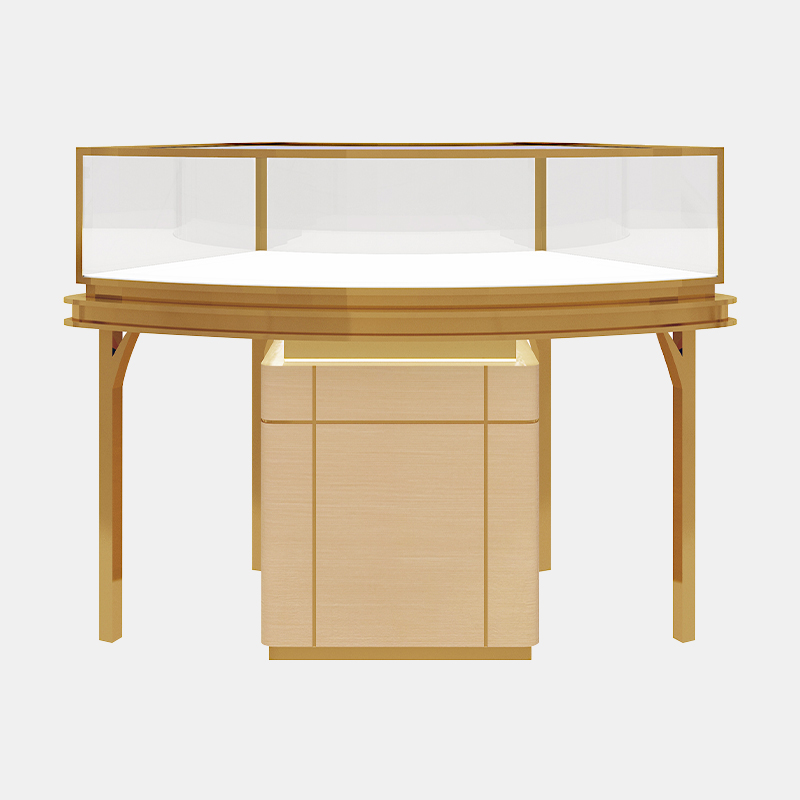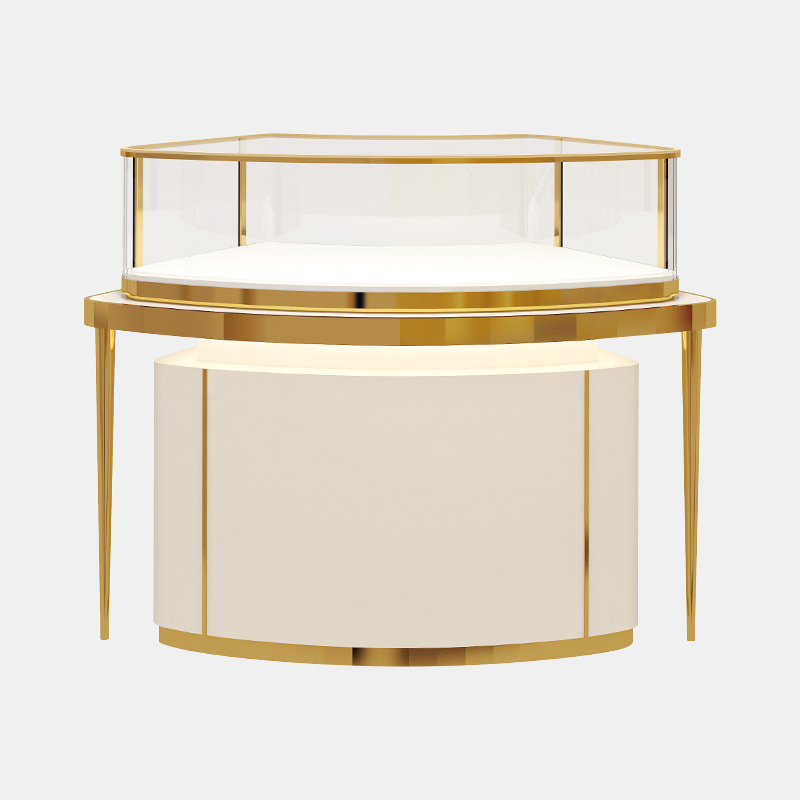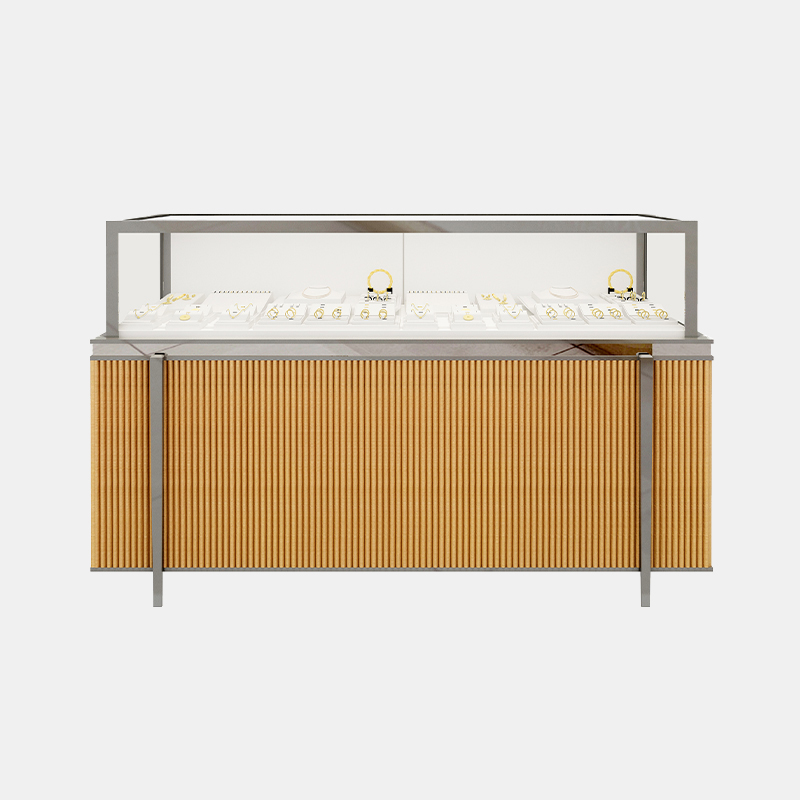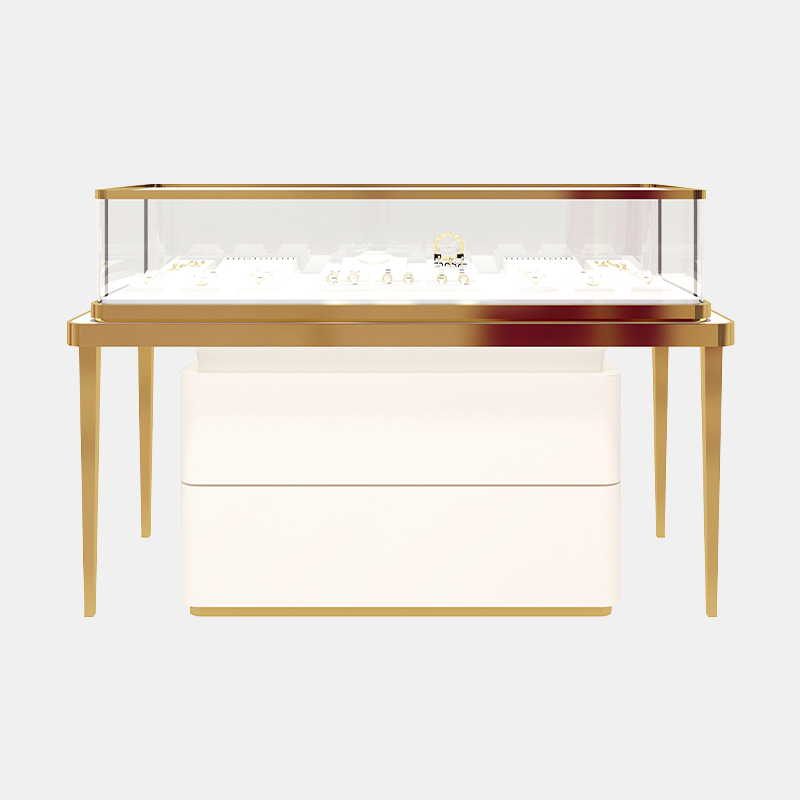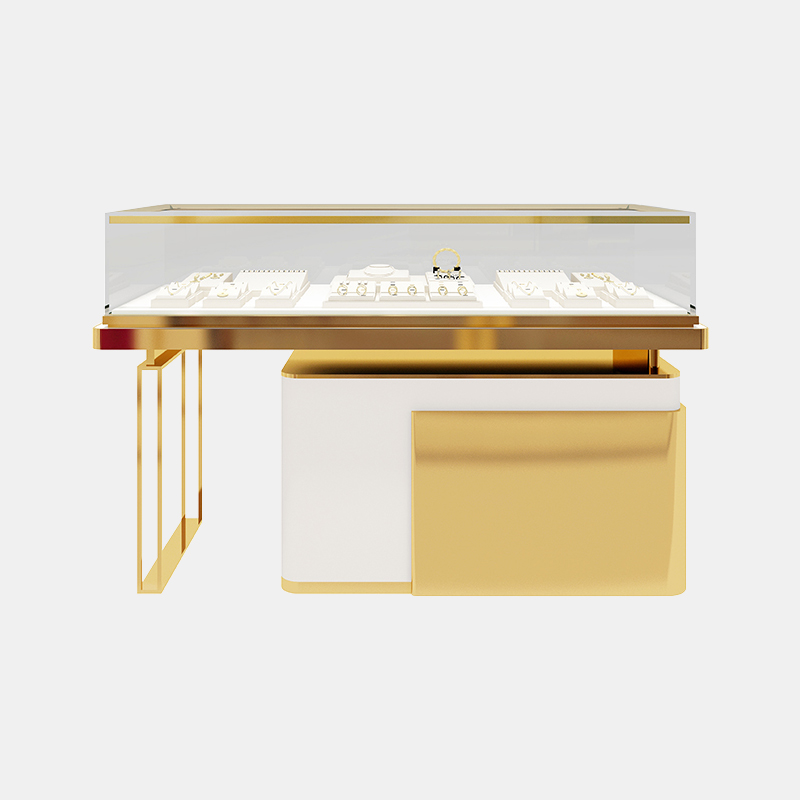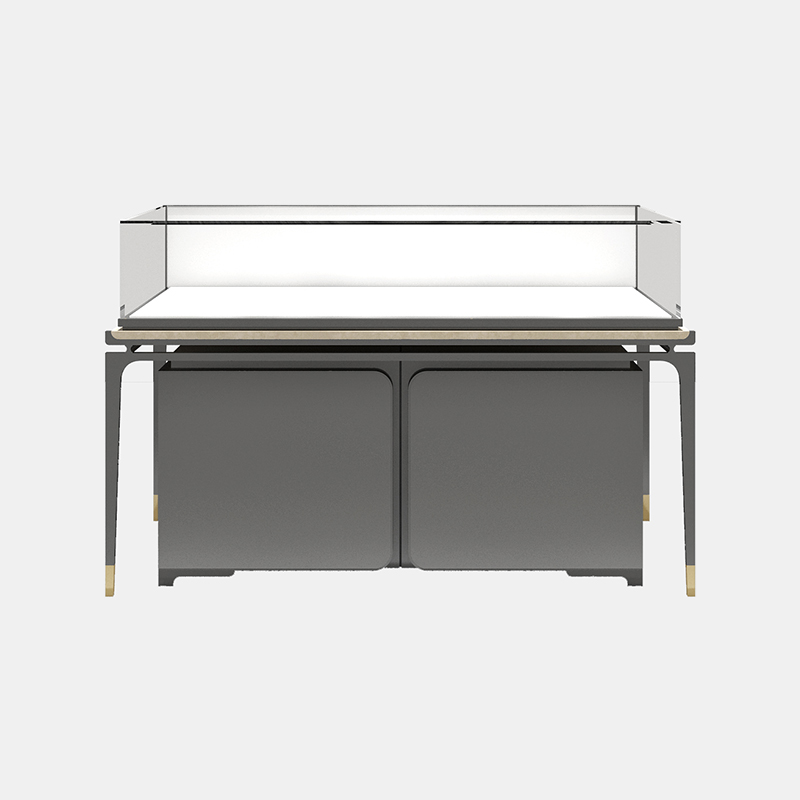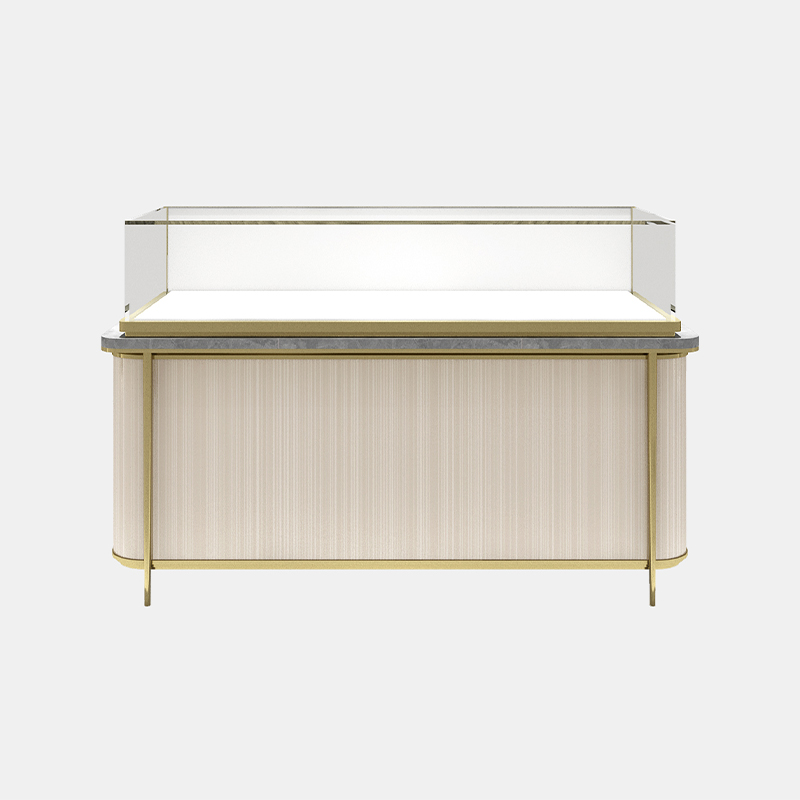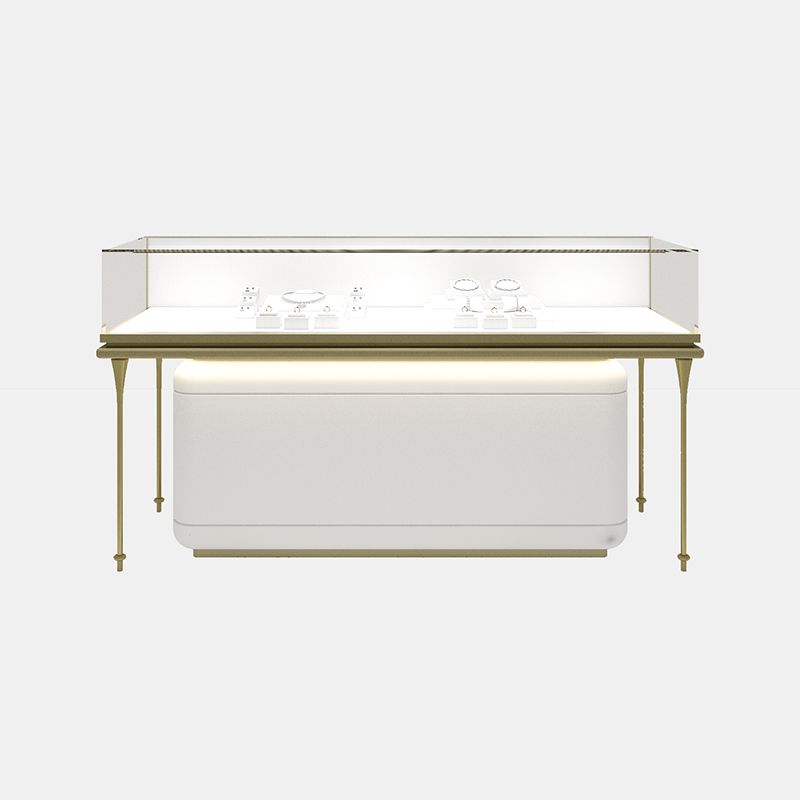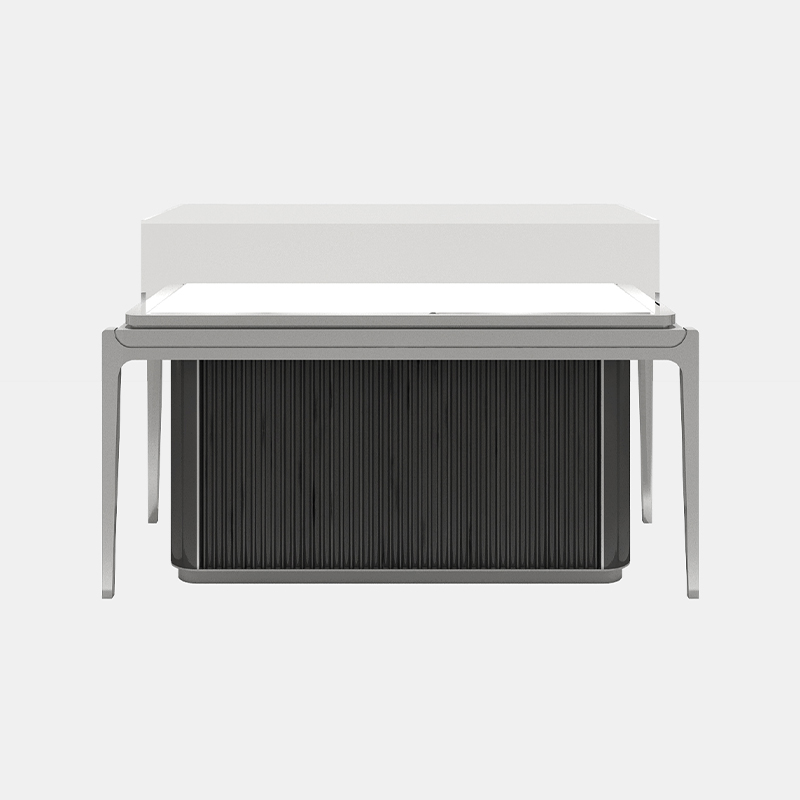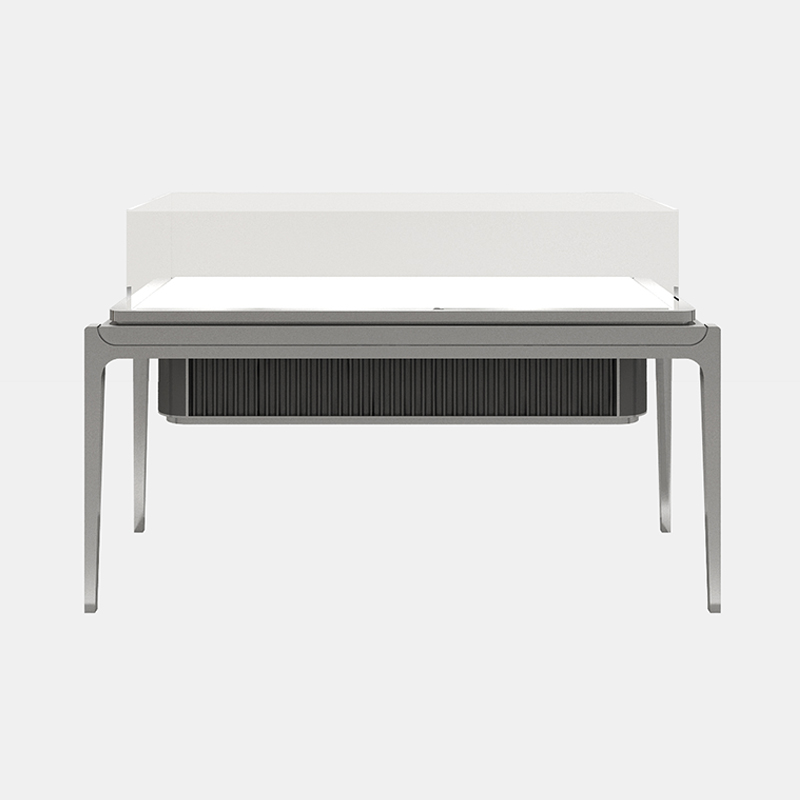
A well-designed Window Display Showcase is one of the highest-return investments a retail store can make. Research from retail analytics firm Envirosell found that window displays influence the purchase decisions of up to 24% of shoppers who would otherwise have walked past without entering. The display does not need to be elaborate — it needs to be intentional, well-lit, and immediately legible from the street.
The most effective window displays combine three elements: a focal product or story, a Retail Window Display Showcase structure that frames and elevates that product, and lighting that makes the whole composition impossible to ignore. This article walks through every practical decision — from cabinet selection and product arrangement to lighting strategy and seasonal refresh cycles — that separates displays that attract foot traffic from those that go unnoticed.
Content
Foot traffic conversion starts before a customer steps through the door. A Storefront Display Showcase functions as a silent salesperson operating 24 hours a day — communicating brand identity, product range, and quality level to every person who passes. Studies by the National Retail Federation show that retail stores with regularly updated window displays report 30–40% higher foot traffic conversion rates than those with static or empty windows.
The window display also sets price perception before a customer reads a single tag. A cluttered, poorly lit display signals a discount environment. A clean, curated display inside a quality Glass Window Display Cabinet signals premium value — which directly affects the price point customers expect and are willing to pay.
Impact of Window Display Quality on Retail Foot Traffic Conversion (%)
Illustrative conversion benchmarks based on retail industry research; results vary by store type and location
The physical cabinet or showcase structure is the foundation of the entire display. Choosing the wrong format undermines everything placed inside it — even with excellent product and lighting.
A Glass Window Display Cabinet is the benchmark choice for jewelry, watches, accessories, cosmetics, and any product where close-up visibility of detail is a selling point. Full-glass construction on three or four sides eliminates visual barriers — customers see the product from every angle, which builds the kind of confidence that converts browsers into buyers. For high-value or fragile items, the enclosed structure also provides security without sacrificing presentation quality.
Key specifications to evaluate: tempered safety glass (typically 5–8mm for display cabinets), aluminum or steel frame construction for structural stability, integrated LED channel options, and lockable access panels for security.
For apparel, lifestyle products, and larger items, an open Retail Window Display Showcase — using shelving systems, risers, mannequins, and hanging bars — allows greater flexibility in arrangement and makes it easier to create layered, editorial-style compositions. Open displays also allow ambient store lighting and natural light to interact with the merchandise more naturally, which works well for textiles and soft goods where texture is part of the appeal.
Many high-performing retail windows combine enclosed glass cabinets for hero products with open display elements for context and visual interest. A luxury handbag retailer might place the season's key bag inside a glass showcase at eye level, surrounded by open lifestyle props that communicate the brand's aesthetic. This hybrid approach works across most retail categories and gives visual merchandisers the greatest compositional flexibility.
| Display Structure | Best Product Categories | Key Advantage | Limitation |
|---|---|---|---|
| Glass Window Display Cabinet | Jewelry, watches, cosmetics | 360° visibility + security | Limited for large items |
| Open Showcase / Shelving | Apparel, footwear, lifestyle | Flexible composition | No product security |
| Hybrid Storefront Display | Luxury goods, accessories, bags | Visual depth + product focus | Requires careful styling |
The showcase structure holds the display. Visual merchandising principles determine whether that display communicates clearly and compellingly. These are the fundamentals that professional window stylists apply consistently:
Human visual perception finds odd-numbered groupings more naturally engaging than even ones. Displaying products in groups of three — at varying heights to create a triangular composition — is the single most widely used technique in professional window display styling. It creates visual rhythm without symmetry, which keeps the eye moving across the display rather than settling on a single point.
Every effective window display has a single hero element — the product, prop, or visual element that anchors the entire composition. Research from retail design consultancy Paco Underhill's group shows that passers-by spend an average of 3–8 seconds glancing at a window display. In that window, there is only time to communicate one primary message. Displays that try to feature too many focal points communicate nothing. A single hero product inside a well-positioned Glass Window Display Cabinet, lit clearly, with minimal surrounding distraction, consistently outperforms cluttered multi-product arrangements.
A flat, single-level display reads as a shelf — functional but not compelling. Using risers, pedestals, stacked platforms, and varied hanging heights creates a layered composition with foreground, midground, and background. This three-dimensional depth makes a window display visually richer and draws the eye to explore, which increases the time a passer-by spends looking — directly correlated with increased likelihood of entry.
Color is the first thing the eye registers at distance — before shape, text, or product detail. Organizing display items by color family (rather than product type) creates visual coherence that reads clearly from across the street. Equally important is negative space — empty areas that allow the eye to rest and give featured items room to breathe. Overcrowded displays signal bargain retail; generous negative space signals premium positioning.
Lighting is arguably the most impactful single variable in window display performance — yet it is consistently underinvested by independent retailers. A well-lit display in an average cabinet outperforms a poorly lit display in a premium cabinet every time.
A window display has a novelty lifespan. Regular customers notice when a display has not changed — and the absence of change communicates stagnation. The most effective retailers treat their Retail Window Display Showcase as a living communication channel that responds to seasons, promotions, and cultural moments.
Repeat Customer Re-Entry Rate vs. Window Display Age (Weeks Without Refresh)
Repeat customer re-entry rates decline significantly when a window display remains static beyond 2–3 weeks
As a practical framework, most successful independent retailers operate on the following refresh schedule:
When specifying or purchasing a Window Display Showcase or Storefront Display Showcase, these technical parameters directly affect long-term performance and presentation quality:
| Specification | Recommended Standard | Why It Matters |
|---|---|---|
| Glass Type | 5–8mm tempered safety glass | Safety, clarity, scratch resistance |
| Frame Material | Aluminum alloy or powder-coated steel | Structural stability, finish durability |
| Internal Lighting | LED strip or spotlight, 2700–3500K | Product enhancement, energy efficiency |
| Shelving Adjustability | Adjustable in 2–3cm increments | Flexibility for varied product heights |
| Access Configuration | Rear sliding or hinged lockable door | Security and easy restocking access |
| Base / Mobility | Leveling feet or lockable casters | Stability on uneven floors; repositioning flexibility |
Clothing and luggage display cabinets are specialized retail furniture designed to display a wide range of merchandise. These showcases typically incorporate shelves, drawers, and hanging bars for different product types — constructed with a focus on visibility and accessibility, with glass panels that allow customers to view products clearly from outside.
Zhejiang SUNTOP Commercial Display Products Co., Ltd. was established in 2009 and specializes in creating commercial display environments. The company integrates design planning, display cabinet and prop production, and decoration and renovation contracting management — delivering complete display space solutions that align with each client's brand positioning.
The SUNTOP facility covers 25 acres of factory land with up to 25,000 square meters of floor space and an annual production capacity exceeding 100 million in output value. Whether you need a single custom glass window display cabinet or a complete storefront display system, SUNTOP provides end-to-end manufacturing and design support for retail projects worldwide.


 ਪੰਜਾਬੀ
 English
 عربى
عربى русский
 中文简体
中文简体