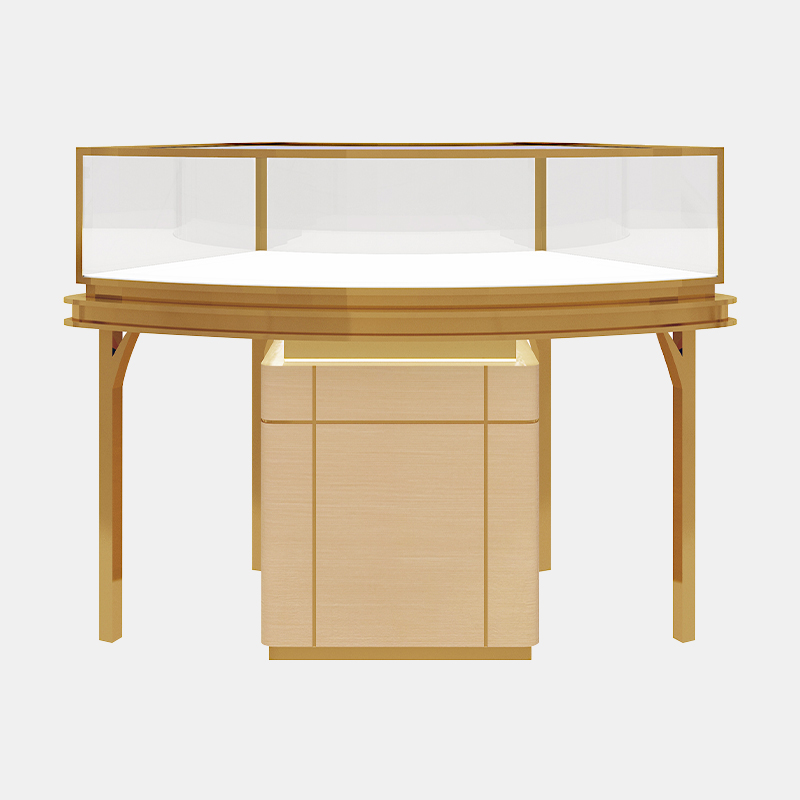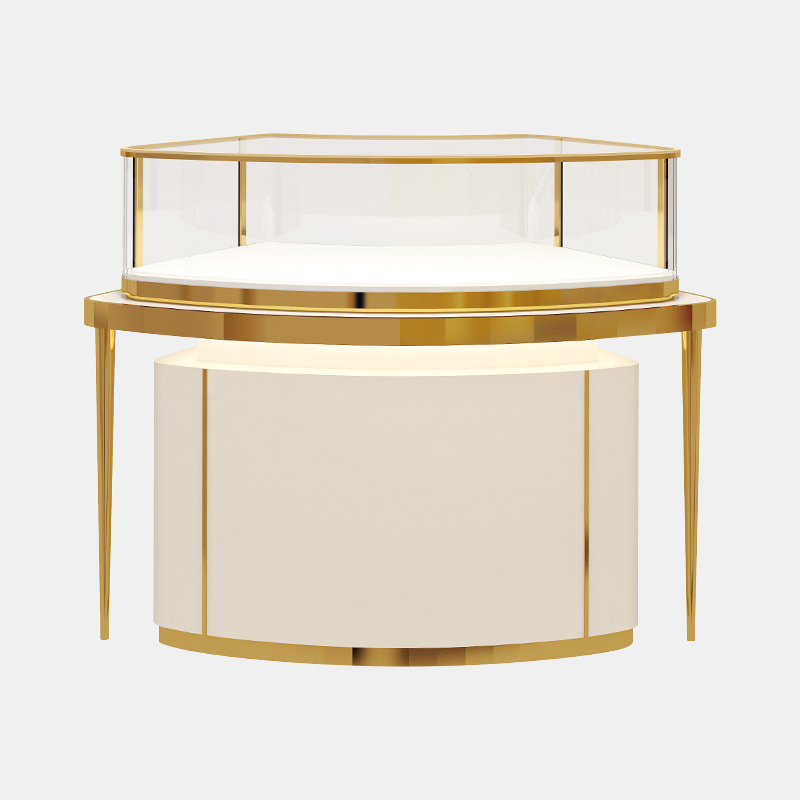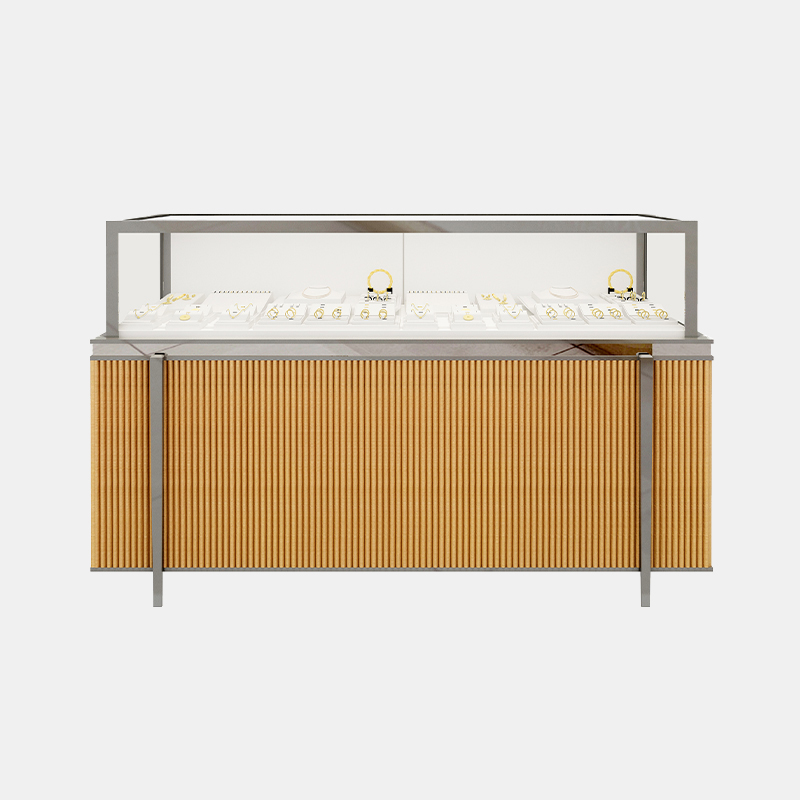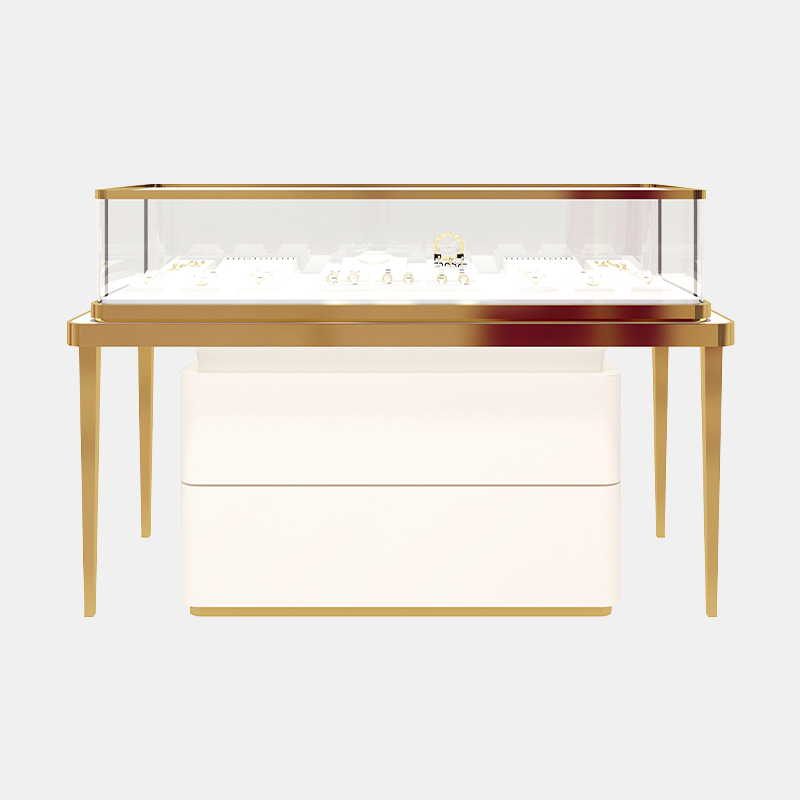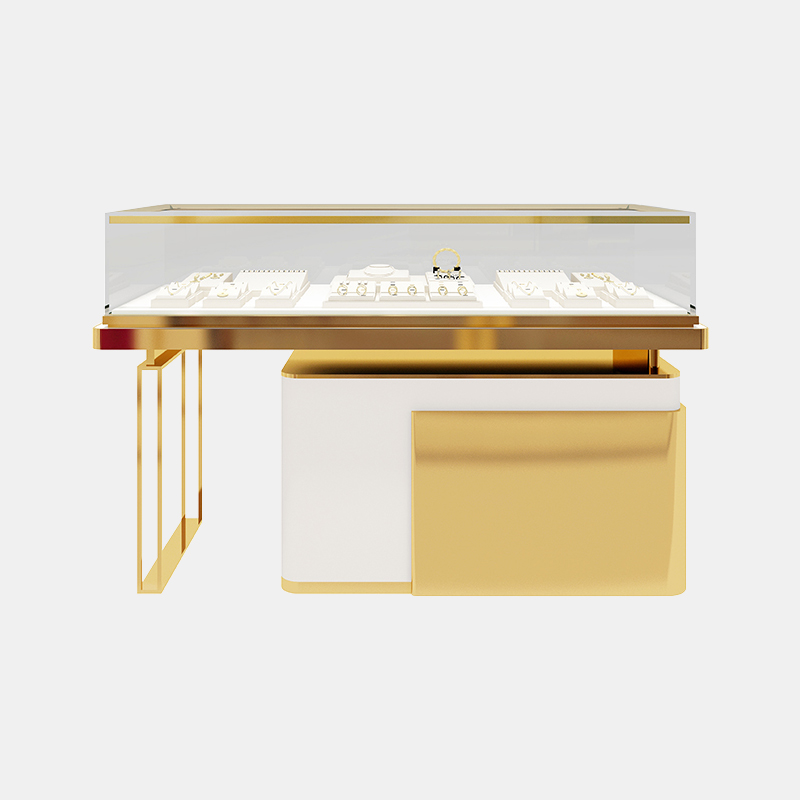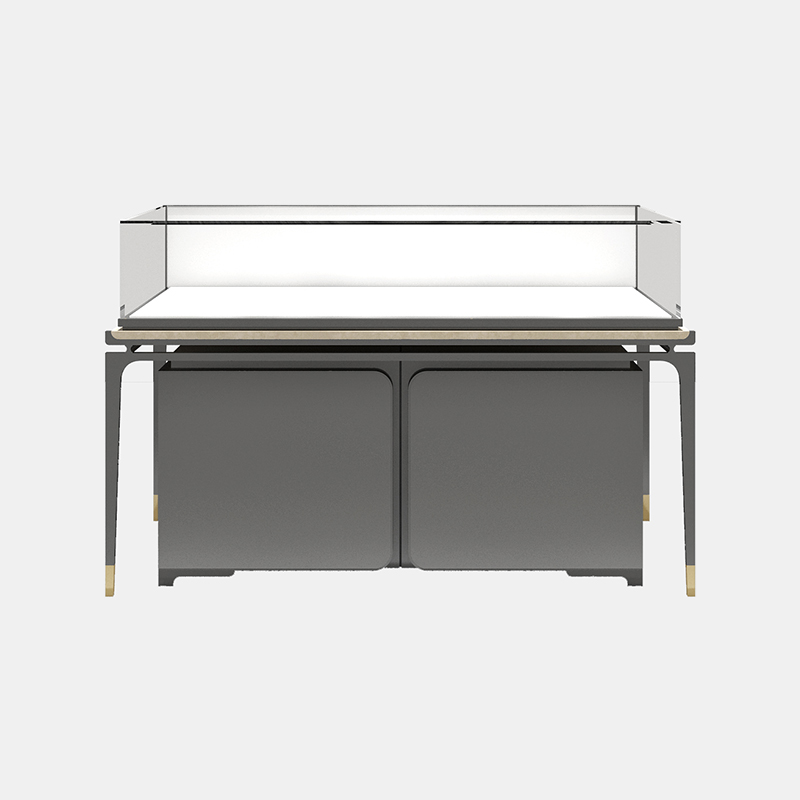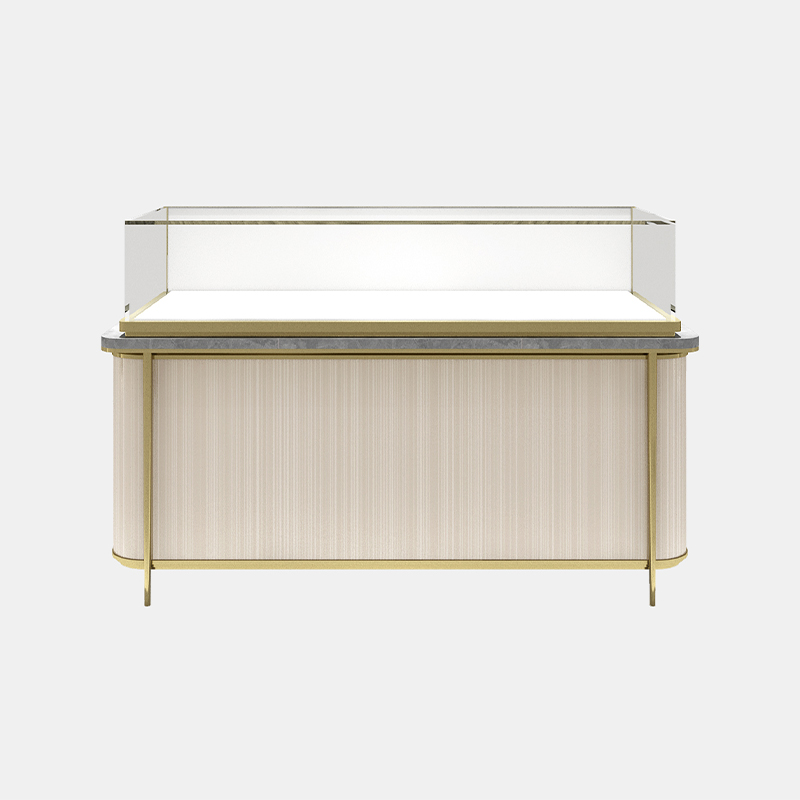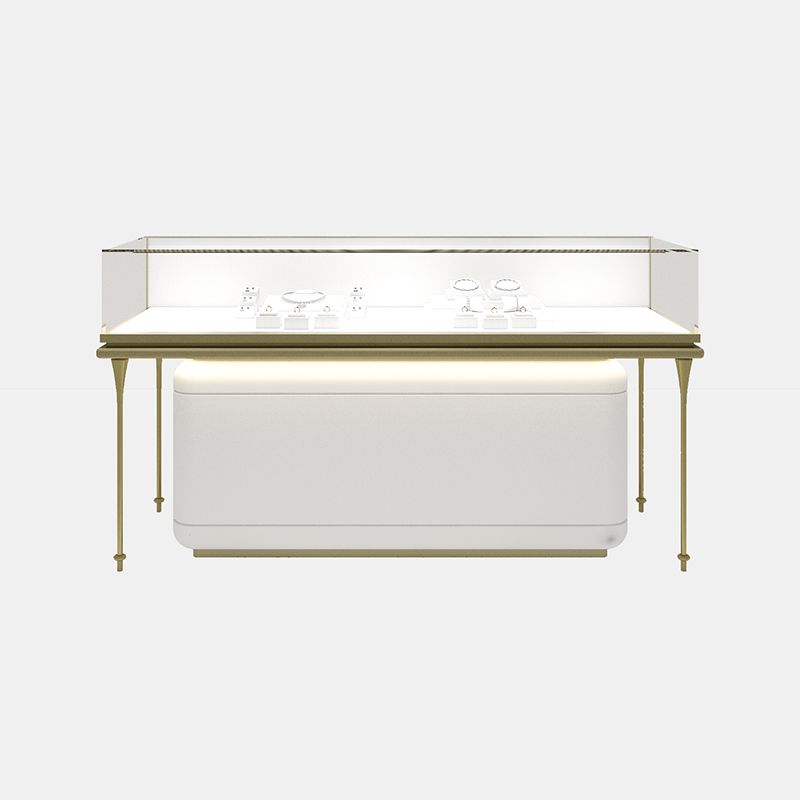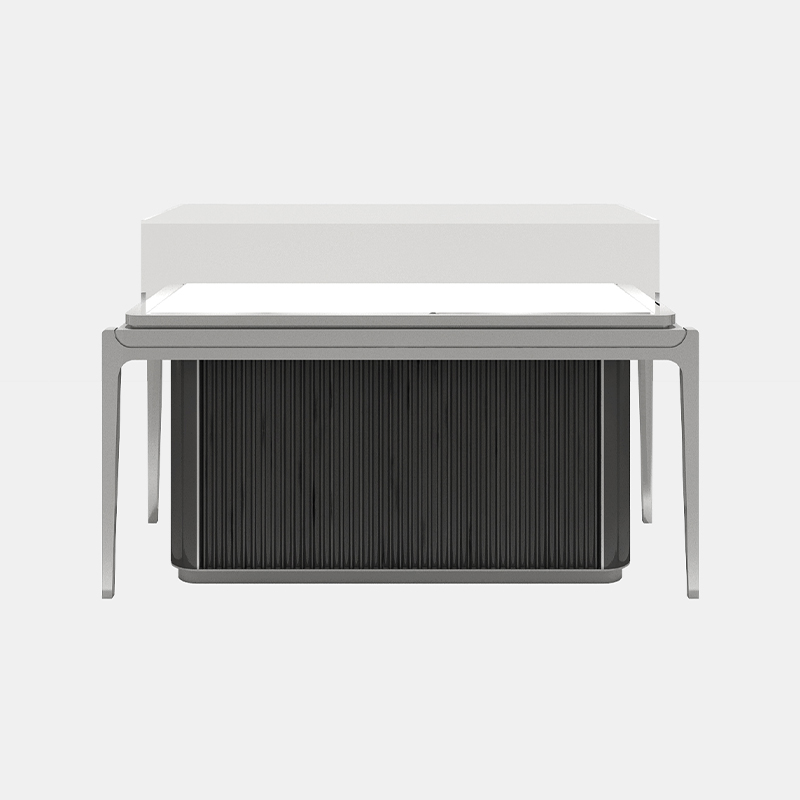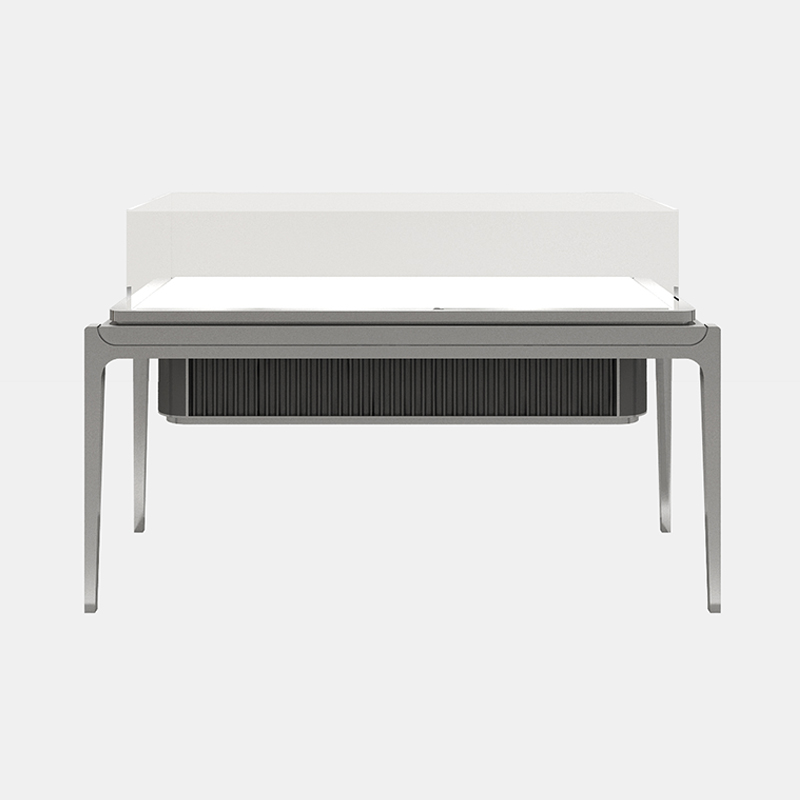
The fastest answer: a well-designed customized display showcase directly increases perceived product value, guides customer attention, and can lift jewelry store sales by up to 60% — not through discounting, but through strategic visual merchandising. This guide walks through every practical decision, from material selection to lighting angles, that separates a high-performing bespoke shop display cabinet from one that simply holds inventory.
Whether you are outfitting a single boutique or sourcing through an OEM display showcase manufacturer for a national retail rollout, the principles are the same: every structural and aesthetic choice either reinforces or undermines the story your jewelry is trying to tell.
Content
Generic display cabinets are built for versatility, which means they are optimized for nothing in particular. A custom retail display showcase, by contrast, is engineered around your specific product dimensions, your brand's color language, your store's lighting environment, and your customers' browsing behavior.
Research in retail environment psychology consistently shows that shoppers spend 40% longer in front of displays that match the perceived quality tier of the product. For fine jewelry, where an item might sit at a price point equivalent to a month's salary, the display cabinet is part of the product experience. Cheap or poorly fitted cases communicate discount — regardless of what is inside them.
| Metric | Standard Showcase | Customized Display Showcase |
|---|---|---|
| Avg. dwell time at display | 18 seconds | 31 seconds |
| Staff request rate (ask to try on) | 12% | 27% |
| Conversion rate (browse to purchase) | 6.4% | 10.3% |
| Average transaction value uplift | Baseline | +22% vs. baseline |
| Brand consistency score (customer survey) | 54/100 | 88/100 |
The combination of longer dwell time, higher request rates, and stronger brand alignment is what produces the headline 60% sales increase figure — it compounds across every customer who walks through the door.
Material choice is the first brand signal. Common options in a custom retail display showcase include tempered glass (standard and ultra-clear low-iron), brushed stainless steel, solid timber veneers, powder-coated aluminum, and acrylic. Each carries a different emotional register:
Internal showcase lighting is, without question, the highest-return customization decision available. Studies from retail lighting consultancies show that optimized internal case lighting increases perceived gemstone value by 30–45% in consumer perception tests — with no change to the product itself.
For a bespoke shop display cabinet serving a jewelry store, the following lighting specifications apply:
The internal configuration of a customized display showcase should mirror the purchase funnel. Place high-visibility, lower-commitment pieces (earrings, pendants) at eye level and near the case front. Reserve deeper or elevated positions for high-value, high-attention pieces like engagement rings and statement necklaces where the customer needs to lean in — a gesture that psychologically increases commitment.
The "golden zone" for jewelry display cases runs from 90 cm to 130 cm from the floor — the natural resting eye-level for a standing adult. Pieces displayed in this zone receive approximately 3× more attention than pieces displayed above 150 cm or below 75 cm in the same case.
One of the most frequent errors in store fit-out is sourcing display furniture that is dimensionally mismatched to the store's proportions. An oversized freestanding showcase in a small boutique creates a cramped feel that repels browsers. A run of under-height counters in a large luxury flagship looks sparse and unimpressive.
Working with an OEM display showcase manufacturer that offers full customization of height, depth, and width allows the case to be specified to the millimeter against the architectural drawings of the space. Standard industry heights for countertop showcases run at 90–95 cm, but floor-standing towers, angled corner units, wall-mounted cases, and curved bay configurations are all achievable through a bespoke route.
The exterior and interior finish of a custom retail display showcase should be specified directly from the brand's design guide. This means commissioning RAL-matched powder coating for metal frames, selecting fabric insert colors that match the brand's pantone palette for velvet display pads, and matching any timber veneer stain to existing interior finishes.
Interior backdrop color has a disproportionate effect on piece perception: navy and deep charcoal backdrops increase the perceived brightness of diamonds by up to 28% versus white or cream; cream and blush velvet maximizes the visual warmth of rose and yellow gold; and black velvet remains the universal choice for platinum and white metal because of its maximum contrast effect.
A bespoke shop display cabinet for jewelry must integrate security without making the case feel like a fortress. Security features that can be embedded at the manufacturing stage — rather than retrofitted — include: concealed multi-point locking systems, tempered and laminated safety glass, hidden cable management for EAS tags, and reinforced base structures for anchor bolting. Retrofitted security hardware is always aesthetically inferior and structurally less reliable than factory-integrated solutions.
The following chart illustrates the estimated contribution of each customization category to overall sales performance improvement, based on aggregated retail merchandising data from jewelry store operators who transitioned from standard to customized display solutions:
Lighting alone accounts for 35% of the total measurable sales impact — a finding that consistently surprises store operators who invest heavily in material upgrades while using commodity LED strip lights inside their cases.
Getting the most from a custom engagement requires a structured brief. Manufacturers who specialize in bespoke shop display cabinets for jewelry retail will typically need the following information before producing detailed drawings and quotes:
A quality OEM display showcase manufacturer will return concept renders within 5–10 business days of receiving a complete brief, with workshop drawings following sample approval. Expect a production lead time of 25–45 days for a full custom retail display showcase fitout, depending on complexity and finish specification.
Not every jewelry retailer needs a fully from-scratch bespoke solution. A modular customized display showcase system — where standardized case carcasses are paired with custom finishes, lighting, and internal fittings — delivers 70–80% of the impact of a fully bespoke build at a meaningfully lower investment and shorter lead time.
| Factor | Modular Custom | Fully Bespoke |
|---|---|---|
| Lead time | 15–25 days | 30–50 days |
| Brand differentiation | High (finish-level) | Maximum (form + finish) |
| Fit to unusual floor plans | Limited by standard carcass sizes | Any dimension possible |
| Multi-store scalability | Excellent | Good (with OEM tooling) |
| Future reconfiguration | Easy (standard components) | Requires re-order |
For multi-store retail chains, the modular OEM route often makes the most strategic sense: standardized carcasses keep replacement and expansion simple, while bespoke surface finishes maintain brand differentiation. For flagship single-location stores where the store design is itself a marketing statement, full bespoke is the appropriate investment.
Jewelry retail is increasingly conscious of sustainability as a brand value. Specifying sustainable materials in a custom retail display showcase — FSC-certified timber, recycled aluminum framing, water-based lacquers, and energy-efficient LED systems — contributes to ESG reporting targets and resonates with a growing segment of fine jewelry consumers who weight brand ethics in their purchase decisions.
A 2023 consumer survey in the luxury goods sector found that 41% of respondents under 35 said visible in-store sustainability practices increased their trust in a jewelry brand. Specifying sustainable materials for your bespoke shop display cabinet is both a values-aligned decision and a commercially rational one.
The following line chart shows a composite sales conversion trend for jewelry stores that upgraded from standard to fully customized display solutions, tracked over a 12-month period post-installation:
The improvement is not immediate on day one — the most significant conversion gains typically emerge between months 3 and 6 as staff become comfortable presenting products within the new display environment and customer word-of-mouth about the improved store experience compounds.
Customised showcases can be tailored to meet the specific needs of customers, offering a wide range of materials, shapes, colors, and sizes to ensure that each showcase fits perfectly with the customer's brand image and display needs. Through exquisite craftsmanship and high-end quality, customized showcases not only meet the functional requirements but also display a unique personalized style, becoming an ideal platform for displaying products.
Zhejiang SUNTOP Commercial Display Products Co., Ltd. was established in 2009 and specializes in creating commercial display spaces. The company integrates design planning, display cabinet and prop production, and decoration and renovation contracting management, to create a display space for customers that better fits their positioning. At present, the factory covers an area of 25 acres, with a floor space of up to 25,000 square meters and an annual capacity of over 100 million units. Whether you need a single bespoke shop display cabinet or a large-scale OEM display showcase manufacturer program for a national retail chain, SUNTOP delivers precision, consistency, and design excellence at every scale.
Q1. How long does it take to produce a fully customized display showcase for a jewelry store?
A: For a custom retail display showcase with standard finishes, production typically takes 25–35 days after sample approval. Fully bespoke builds with special materials or complex integrated lighting may require 40–50 days. Modular custom solutions can be delivered in 15–25 days.
Q2. What is the minimum order quantity when working with an OEM display showcase manufacturer?
A: MOQs vary by manufacturer and product type. For fully bespoke single-location fitouts, most manufacturers will work on a project basis with no minimum unit count. For OEM programs involving custom tooling and molds, minimum quantities typically start at 10–20 units per SKU to amortize tooling costs effectively.
Q3. Can I update or reconfigure a bespoke shop display cabinet after installation?
A: Internal fittings — velvet trays, riser blocks, shelf positions — are almost always designed to be adjustable and replaceable. Structural elements like carcasses and glass panels are more fixed, but replacement components can be ordered from the original manufacturer if full reconfiguration is required. Specifying a modular internal system at the design stage makes future changes significantly easier.
Q4. What glass type is recommended for fine jewelry display showcases?
A: Ultra-clear low-iron tempered glass (also known as extra-clear or starphire glass) is the recommended specification. It eliminates the greenish tint of standard float glass, significantly improving the visual appearance of diamonds, colored gemstones, and precious metals. Laminated safety glass is advisable for high-security or insurance-specified applications.
Q5. Is it possible to incorporate digital displays or screens into a customized display showcase?
A: Yes. Digital screens — embedded brand video, product information displays, and interactive configurators — can be integrated into the showcase structure at the manufacturing stage with concealed cable management. This is increasingly common in flagship jewelry retail environments and adds a significant experiential dimension to the display.
Q6. How do I choose the right internal backdrop color for my jewelry collection?
A: Match backdrop color to metal tone and stone type. Deep navy or charcoal works best for diamonds and white metals by maximizing contrast. Cream, blush, or champagne velvet flatters yellow and rose gold. Black velvet is the universal high-contrast choice that works across most product types. Request material samples from your manufacturer and test them with your actual inventory under your planned lighting specification before committing.


 ਪੰਜਾਬੀ
 English
 عربى
عربى русский
 中文简体
中文简体