Content
The right customized display cabinet comes down to matching material, lighting, and structural design to the specific retail environment it will serve. Before exploring every detail, here are the core factors that most directly influence how well a customized display showcase performs once installed on a sales floor.
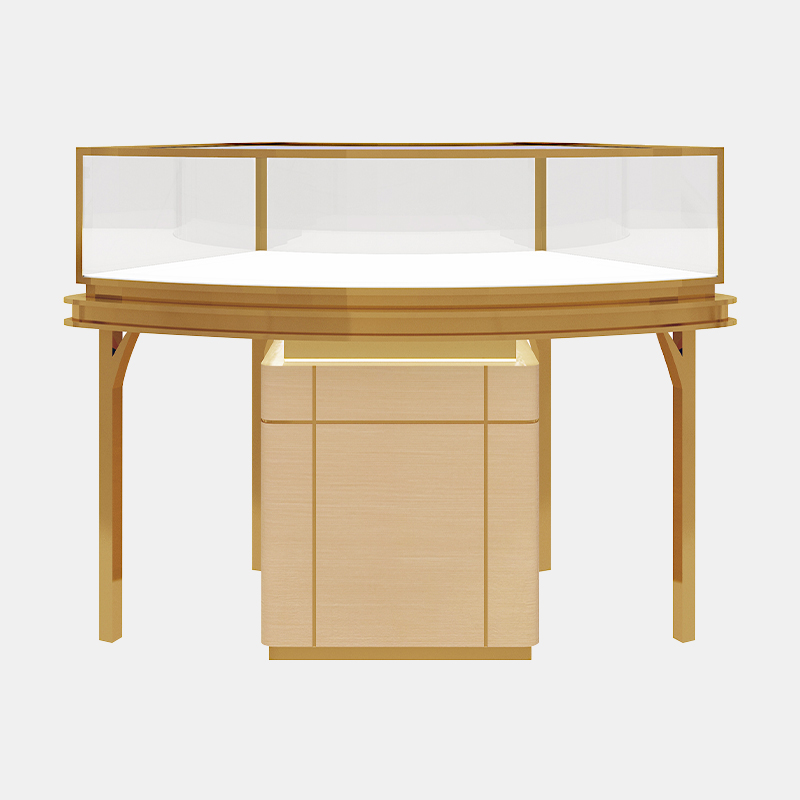
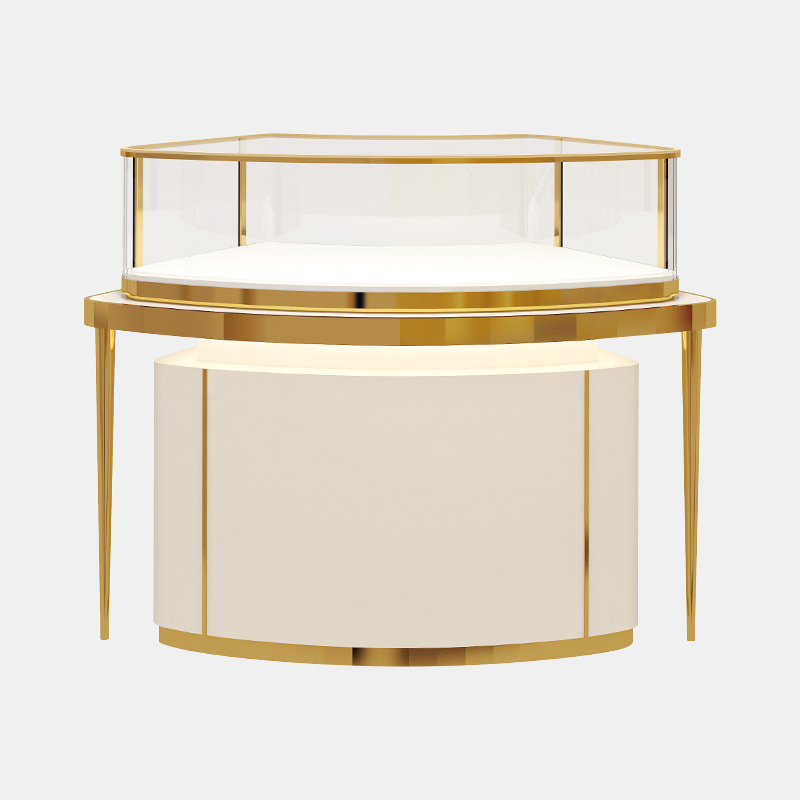
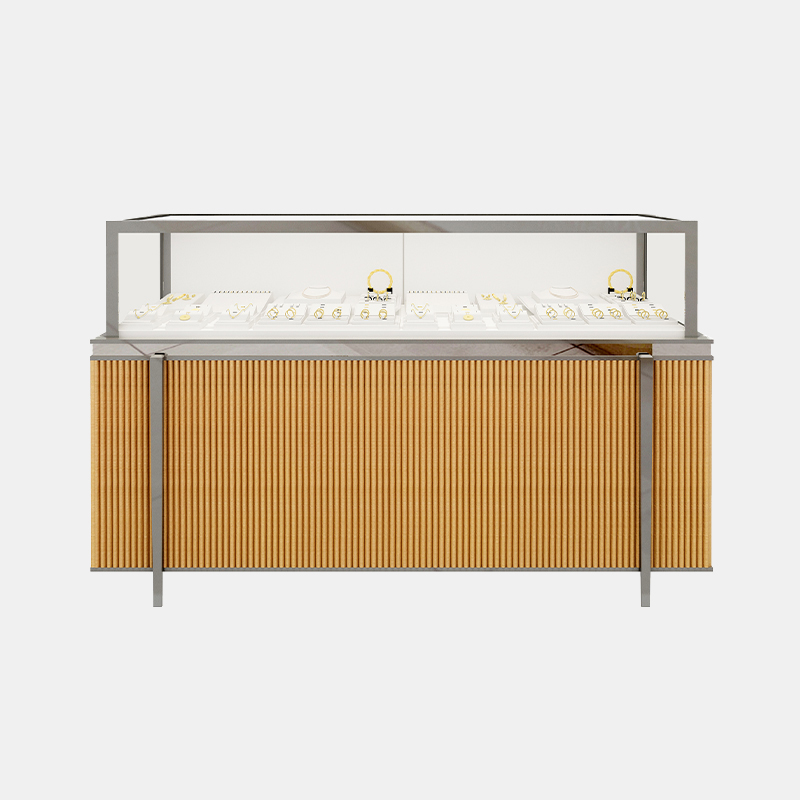
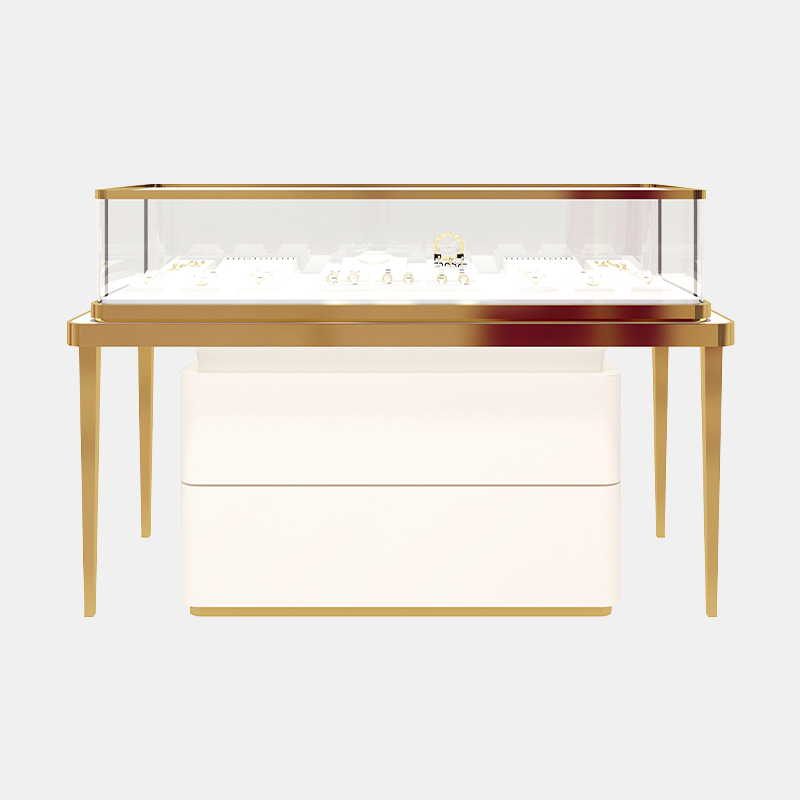
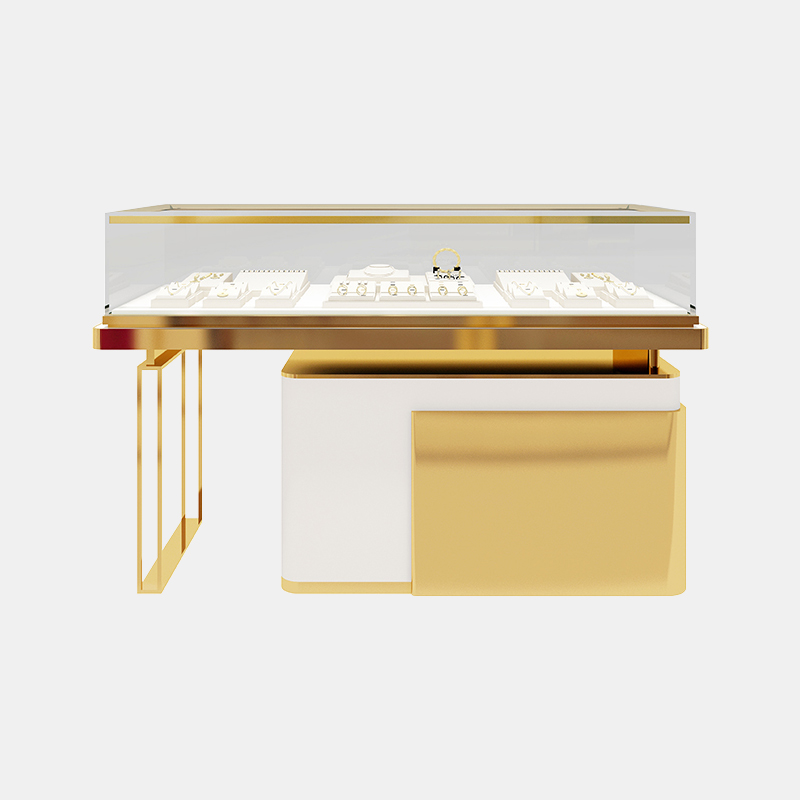
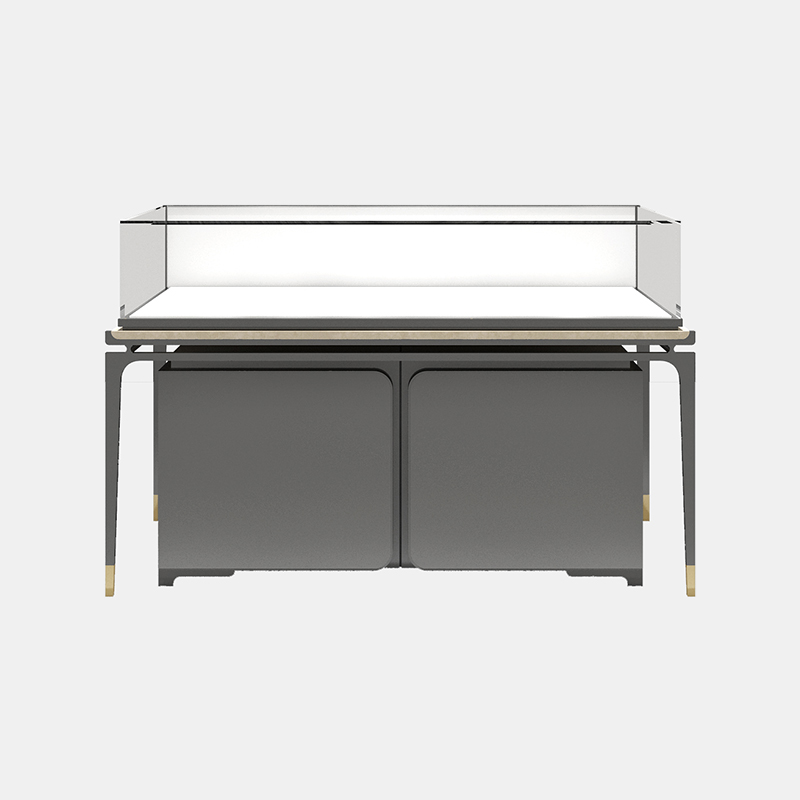
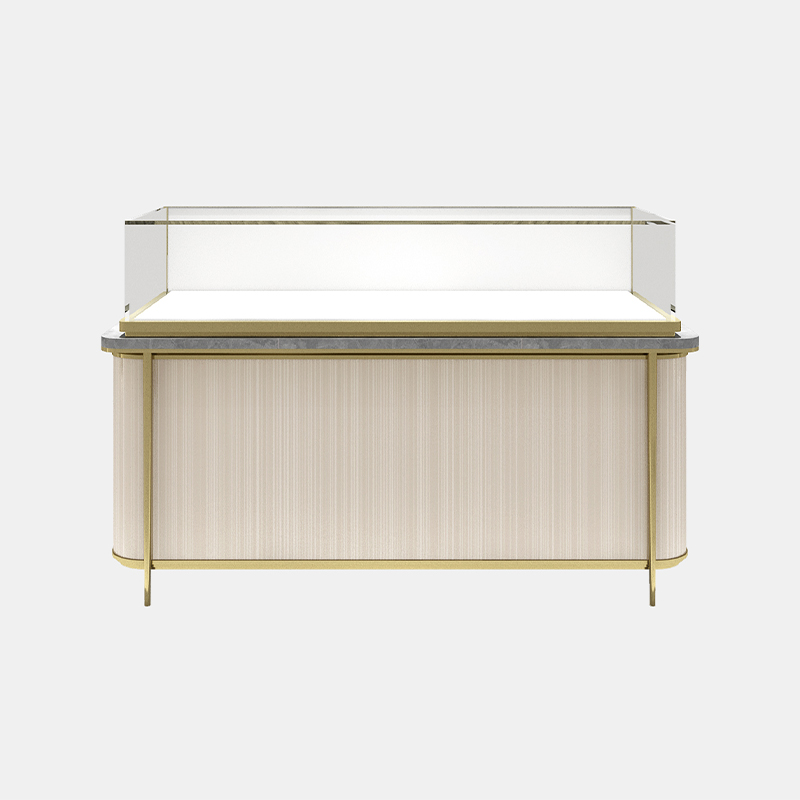
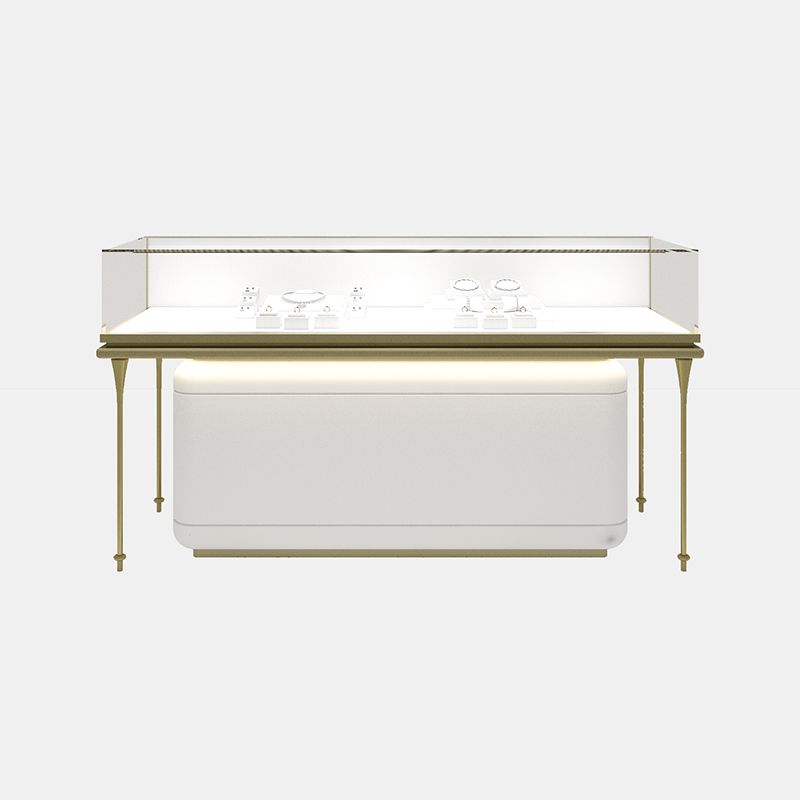
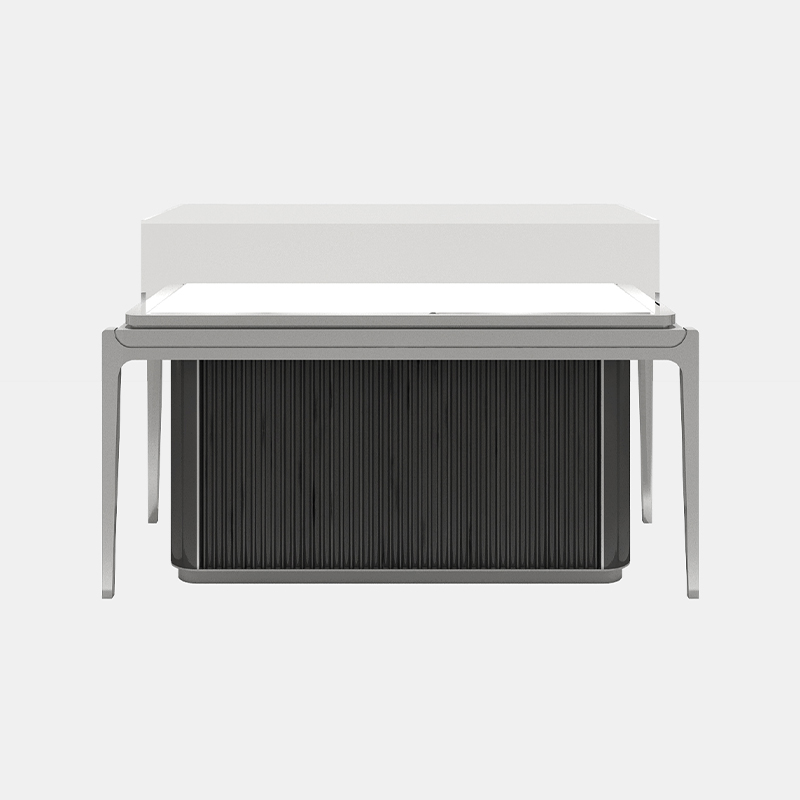
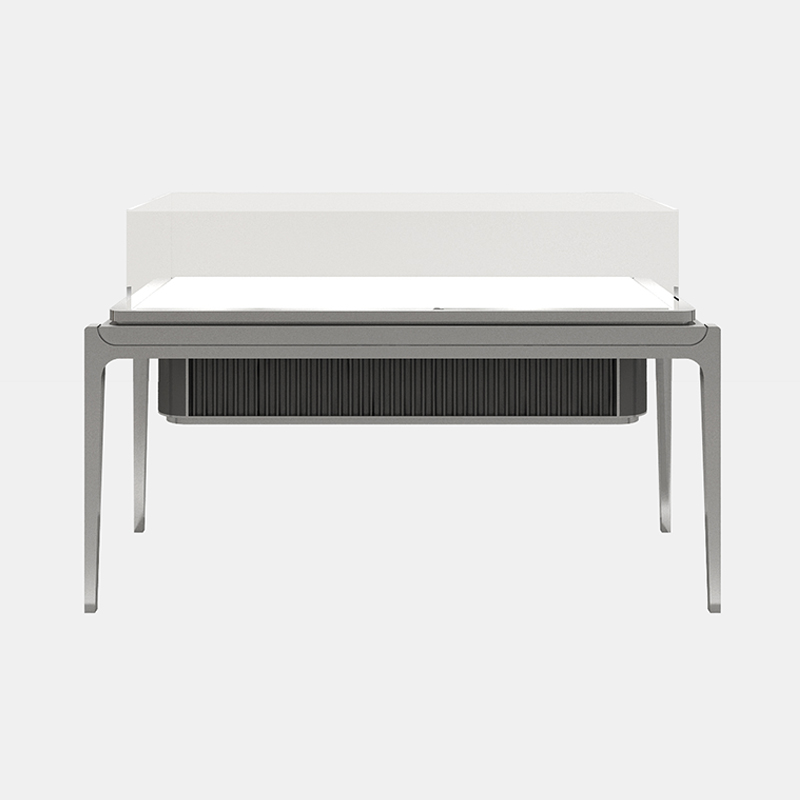
A customized display cabinet is built around a specific brief rather than selected from a fixed catalog of standard shapes and sizes. This approach allows a retail brand to align cabinet dimensions, finish, and internal layout with its actual product range and store footprint, rather than adjusting merchandising plans around an off the shelf unit.
A customized display showcase typically starts with a design brief covering product dimensions, expected foot traffic, lighting needs, and any branding elements the retailer wants reflected in the cabinet structure itself. From there, a manufacturer translates those requirements into technical drawings before moving into material selection and production.
Because retail environments vary so widely, from jewelry counters to electronics showrooms to grocery deli sections, the customization process tends to focus heavily on matching cabinet function to the specific product category rather than applying a single universal design across every use case.
Material choice shapes both the appearance and the practical function of a display cabinet. Tempered glass remains a common choice for visibility focused displays, while engineered wood and metal framing are frequently used where structural weight or a warmer aesthetic is preferred. The chart below illustrates a general distribution of material preference commonly observed across custom display cabinet projects.
Illustrative share of material selection across typical custom display cabinet briefs
Tempered glass tends to lead in projects where full product visibility is the priority, particularly for jewelry counters, cosmetics displays, and boutique retail settings. Engineered wood and metal framing are more common in cabinets built for durability and structural support, such as large format retail fixtures or commercial display cabinet units placed in high traffic areas.
Different retail categories call for distinct cabinet formats. The table below outlines several common configurations found across custom retail fixtures projects.
| Cabinet Type | Typical Structure | Common Retail Use |
|---|---|---|
| Glass display cabinet | Tempered glass panels with metal or wood base | Jewelry, cosmetics, boutique retail |
| LED display cabinet | Integrated lighting strips within shelving units | Electronics, specialty retail, flagship stores |
| Store display cabinet | Modular wood or laminate panels | General merchandise, apparel |
| Commercial display cabinet | Reinforced metal frame with glass or acrylic front | Supermarkets, convenience stores, malls |
| Custom showcase cabinet | Fully bespoke shape and finish | Brand flagship spaces, exhibitions |
Lighting has a direct effect on how a product is perceived inside a cabinet. Poorly placed lighting can create glare on glass panels or leave shadowed areas that reduce product visibility, while well placed LED strips highlight texture, color, and detail without overwhelming the surrounding display.
Most LED display cabinet projects position lighting along the underside of shelves or within the top canopy of the unit, directing light downward across the product surface. Some designs also include accent lighting along cabinet edges to draw attention from a distance, which is particularly useful in larger retail floors where a display needs to stand out among competing fixtures.
LED lighting is generally favored in modern display cabinet builds due to lower heat output compared with older lighting types, which also helps protect temperature sensitive products such as cosmetics or certain food items from prolonged heat exposure.
Different cabinet types bring different strengths depending on what a retail brand prioritizes most. The radar chart below offers an illustrative comparison across five common attributes considered during the design phase of a customized display showcase project.
Illustrative comparison of relative attribute strength across common display cabinet formats
As the comparison suggests, a glass display cabinet generally scores well on visibility but may need added structural reinforcement for security sensitive items, while a modular custom showcase tends to offer stronger branding flexibility and portability, which is useful for brands that rotate displays across multiple retail locations or seasonal events.
Understanding the general production sequence helps a business plan realistic timelines when working with a display showcase manufacturer.
Skipping the prototype review stage is one of the more common reasons a finished cabinet does not fully match the original design brief, particularly around lighting placement and shelf spacing.
Retail lighting preferences have shifted gradually over recent project cycles, with more brands requesting LED integration as a standard feature rather than an optional add on. The line chart below illustrates this general upward pattern in relative interest observed across custom display cabinet inquiries.
Illustrative trend of relative interest in LED integrated display cabinets across recent project cycles
This gradual shift reflects a broader retail preference toward cabinets that combine structural function with built in lighting, reducing the need for separate lighting installation once the cabinet reaches its final store location.
When retail brands submit a design brief for a customized display cabinet, certain features tend to appear as higher priorities than others. The column chart below illustrates a general pattern of feature priority commonly observed across such briefs, scored on a relative scale.
Illustrative priority scoring across common display cabinet design briefs
Lighting integration and branding elements tend to rank highest among these priorities, reflecting how much retail brands rely on visual presentation to support product positioning on the sales floor.
Selecting a customized display cabinet manufacturer involves reviewing more than finished photos of past work. Since every project is built around a unique brief, evaluating production capability and communication style matters just as much as reviewing a portfolio.
A custom display cabinet supplier with integrated design, production, and installation support tends to reduce coordination effort for retail brands managing several store openings within a short timeframe.
An OEM display cabinet program typically allows a retail brand to specify finish colors, branding elements, and material combinations that align closely with its existing store identity. This is particularly relevant for flagship locations where the display cabinet itself becomes part of the overall store design language.
Once a design is finalized, an OEM program supports repeat production runs so that display cabinets remain consistent across multiple store locations, which helps maintain a unified visual identity as a retail brand expands into new markets.
Zhejiang SUNTOP Commercial Display Products Co., Ltd was established in 2009 and focuses on creating commercial display spaces through integrated design planning, display cabinet and prop production, and decoration and renovation contracting management. This approach allows the company to support retail brands from initial concept through to a finished display space that fits their positioning.
The production facility covers an area of 25 acres, with floor space reaching up to 25,000 square meters and an annual capacity exceeding 100 million. As a display showcase manufacturer and display cabinet factory, the company applies this scale of production capability to support both boutique scale orders and larger multi location retail rollouts.
Before finalizing an order with a display cabinet factory, reviewing a short internal checklist can help avoid design mismatches or delayed installation later in the process.
|
Q1. What is a customized display cabinet? It is a display fixture designed and built around a specific brief covering dimensions, materials, and branding needs rather than a standard catalog unit. |
Q2. What materials are used in display cabinets? Common materials include tempered glass, engineered wood, metal framing, and acrylic panels, often combined depending on the design. |
|
Q3. How to choose a display cabinet manufacturer? Look at design capability, in house production facilities, prototype review process, and experience with similar retail projects. |
Q4. Can I customize the size? Yes, dimensions are typically adjusted to fit the exact floor space and product range specified in the design brief. |
|
Q5. Can I add LED lighting? LED lighting can be integrated into shelving, canopies, or edge details depending on the cabinet structure and design preference. |
Q6. How long does production usually take? Timelines vary depending on design complexity, though a prototype review stage is generally recommended before full production begins. |


 ਪੰਜਾਬੀ
 English
 عربى
عربى русский
 中文简体
中文简体