Content
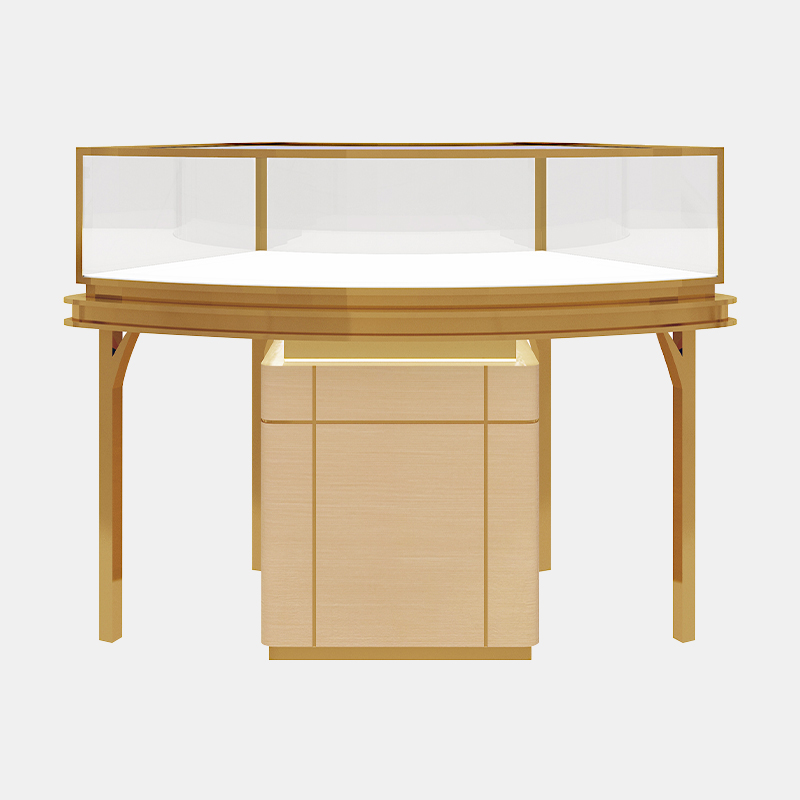
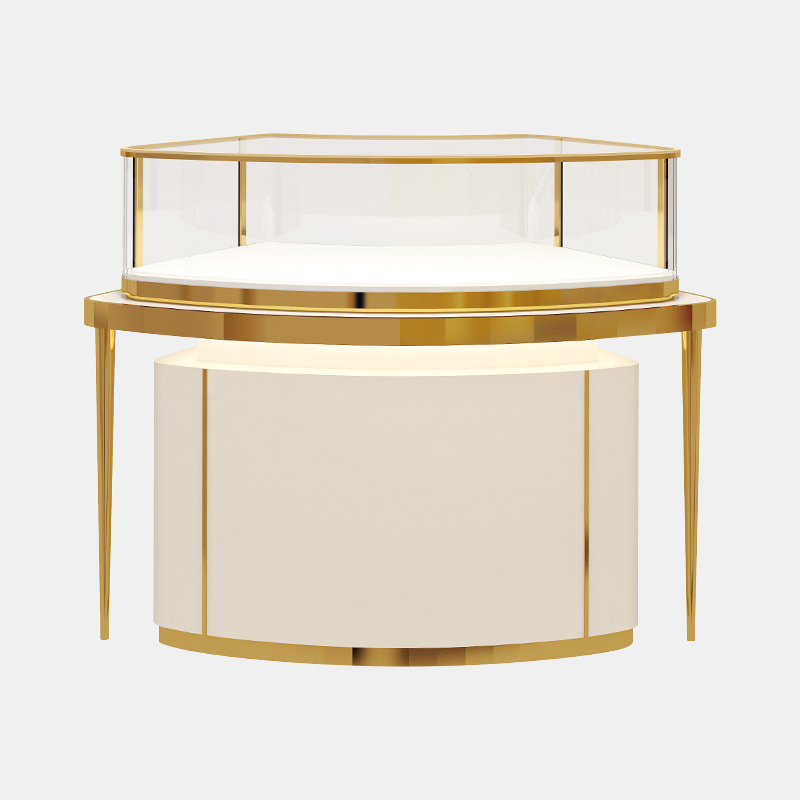
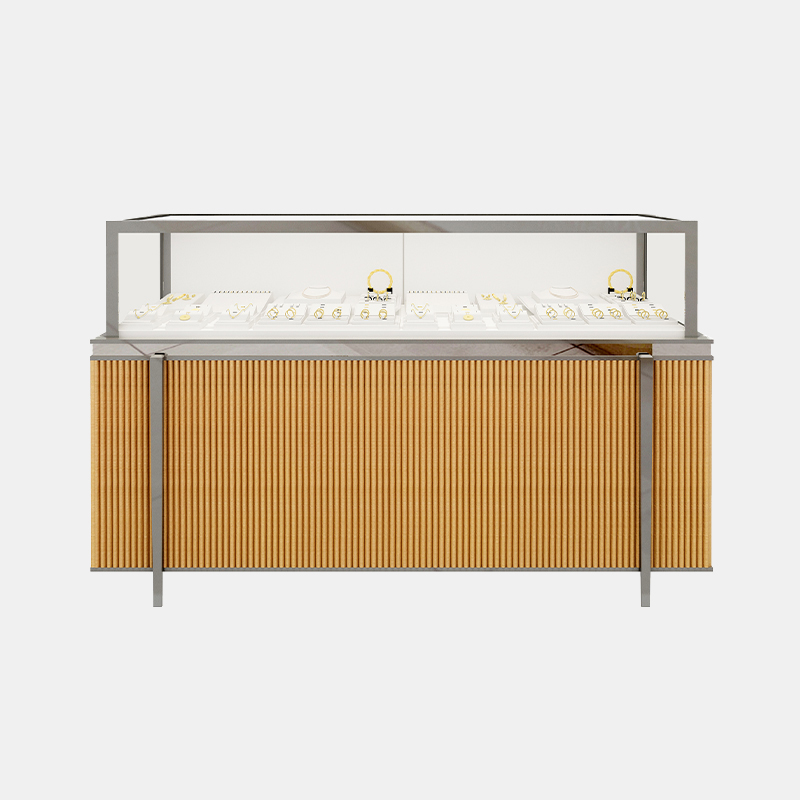
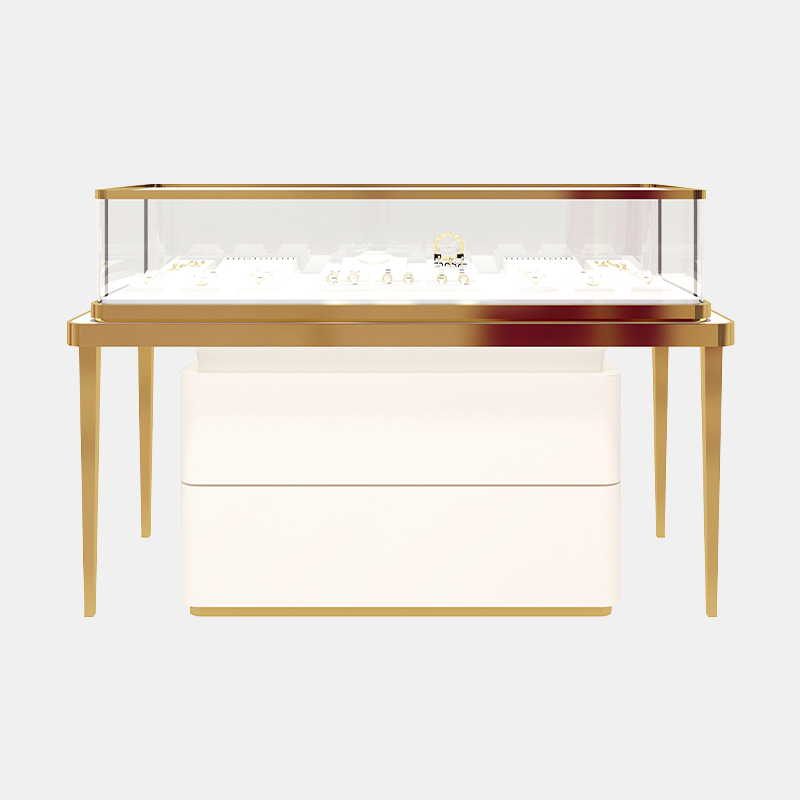
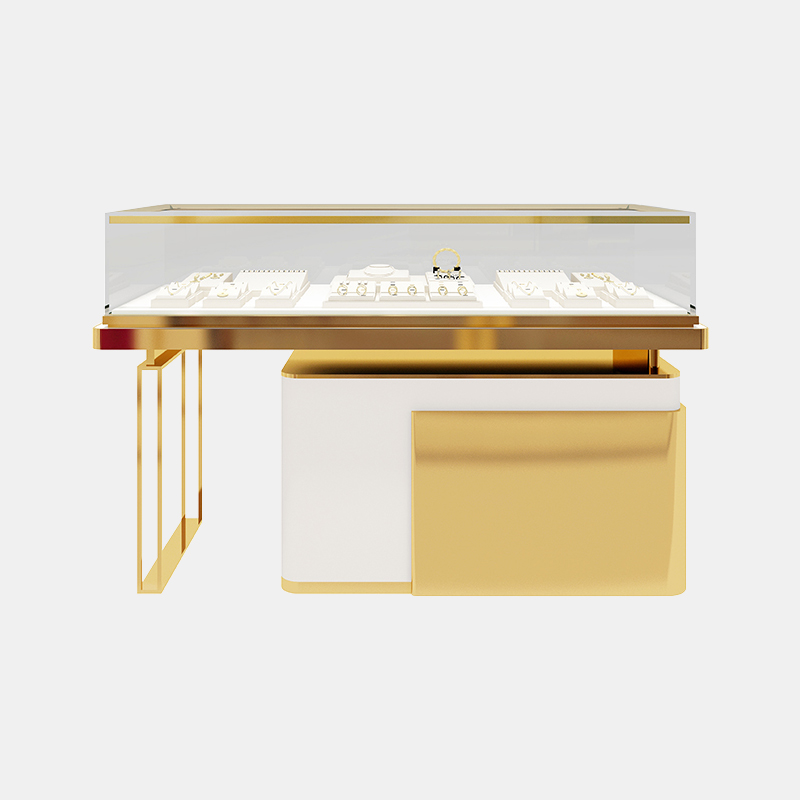
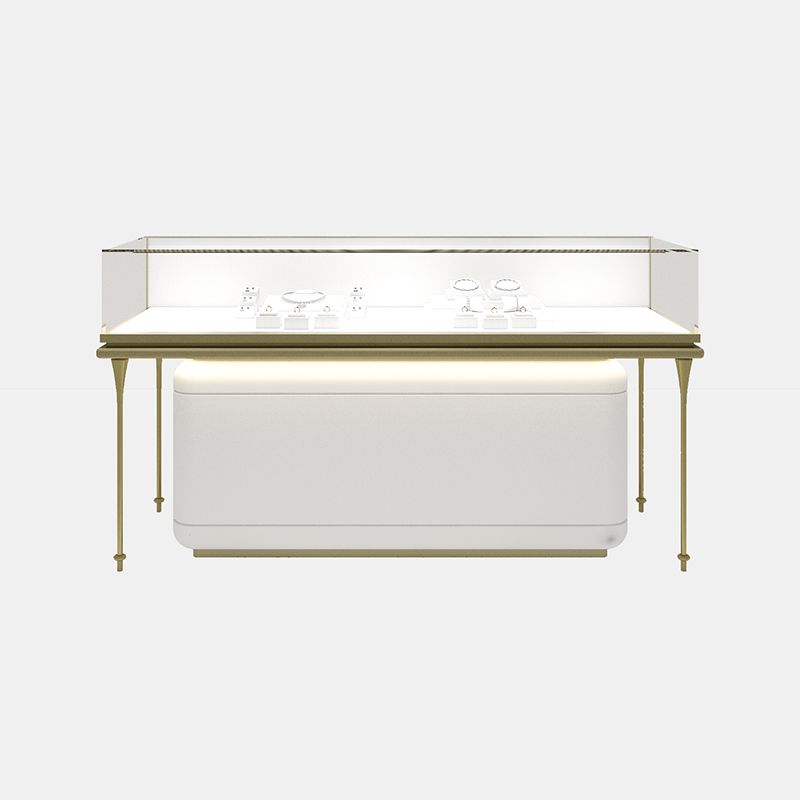
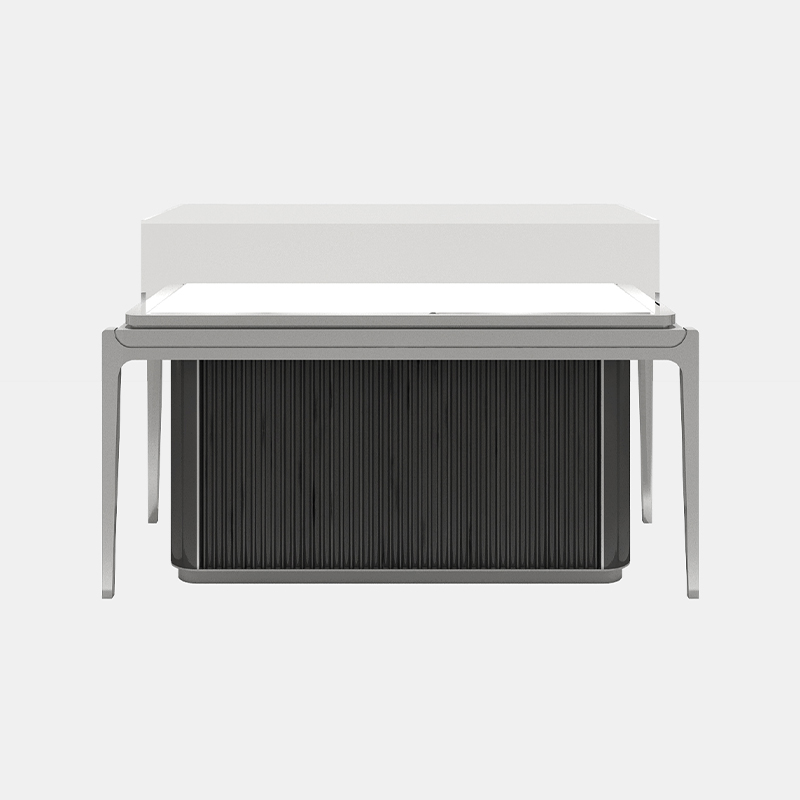
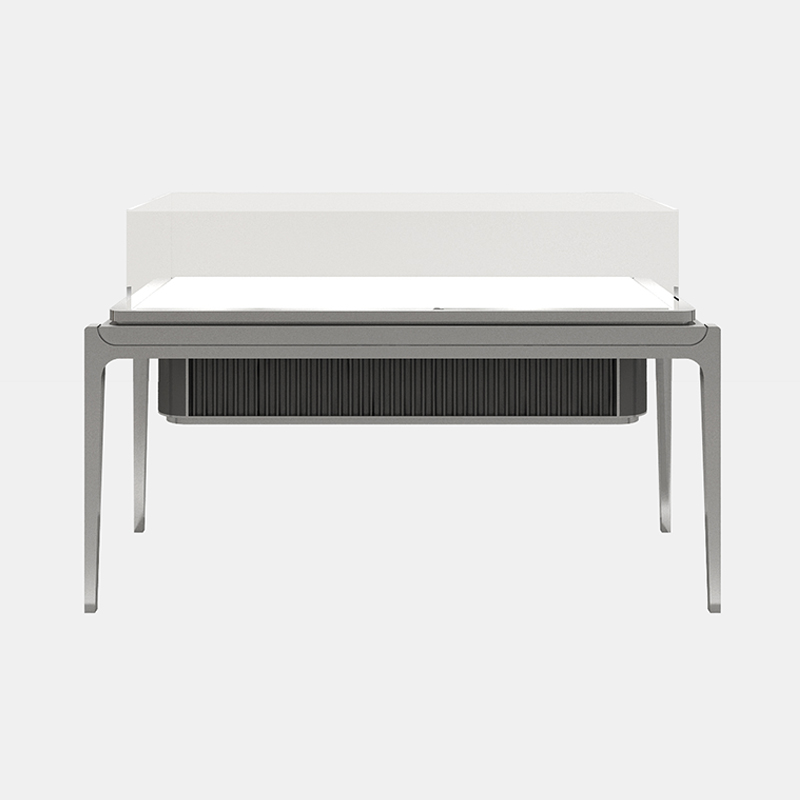
A jewelry showcase is a secure, purpose-built display fixture that presents rings, necklaces, watches, and other fine pieces while protecting them from theft, dust, and handling damage. The direct answer to why it matters is simple: the right showcase directly influences how long a customer lingers at a counter and how premium a product appears, which in turn affects conversion rates on the sales floor. A well-lit, well-organized jewelry display case does more than store inventory; it frames each piece the way a gallery frames art, guiding the customer's eye toward focal items.
Retailers searching for a modern jewelry display cabinet for store use are typically balancing three priorities at once: visual appeal, physical security, and durability under daily handling. A showcase that fails on any one of these areas creates friction, either through a dated appearance, a security gap, or frequent maintenance issues. Understanding the categories, materials, and design trends below helps narrow that decision before requesting samples or quotes from a manufacturer.
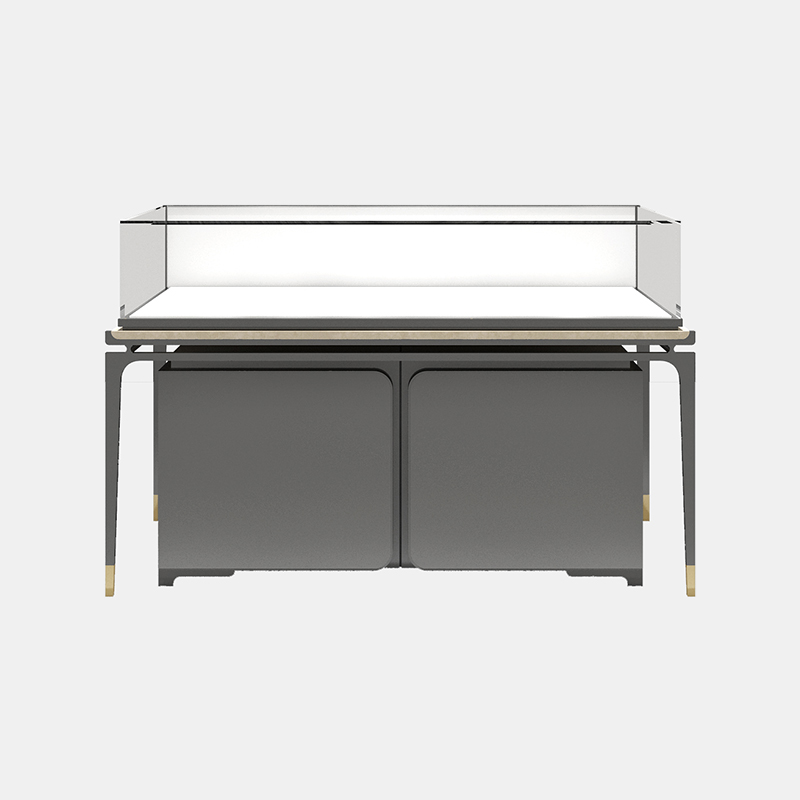
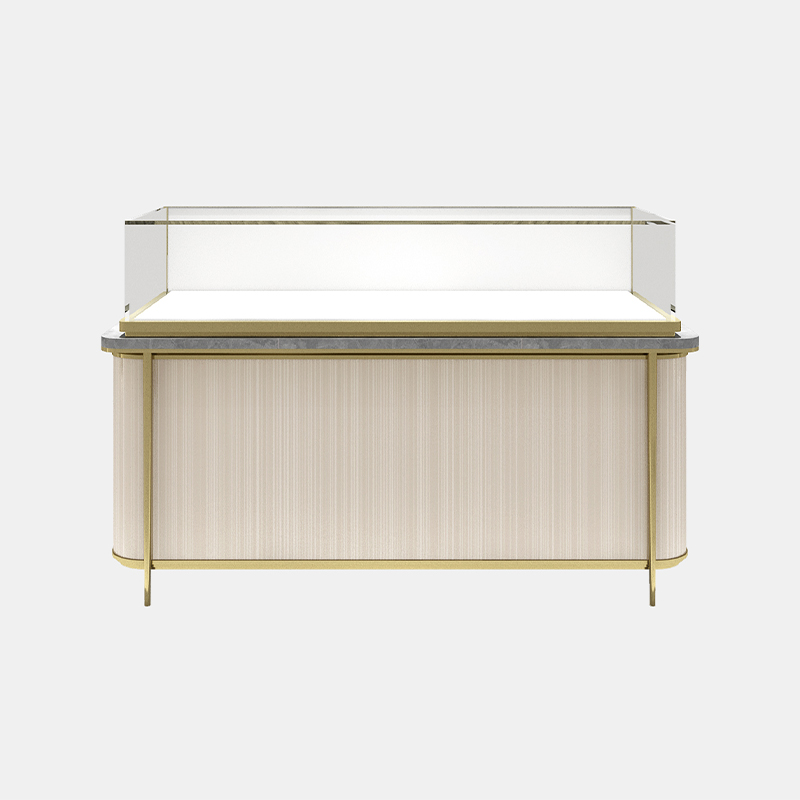
Most retail jewelry programs rely on a combination of case types rather than a single format. Each type serves a distinct role on the sales floor, and mixing them strategically tends to produce a more layered, professional store layout.
This horizontal bar chart reflects a typical distribution of showcase types found across mid-sized jewelry retail stores. Counter showcases and wall cabinets together account for more than 60 percent of installed display fixtures because they combine high security with strong customer sightlines near staff assistance points. Island showcases are gaining share in stores that want an open, boutique-style layout, while tower and pop-up cases remain more specialized, used mainly for featured collections or temporary events. Retailers planning a full store fit-out often start with counter and wall units before layering in island or tower pieces for visual variety.
Material choice affects both the perceived value of a display and its long-term durability. A glass jewelry showcase remains the industry standard for visibility, but the surrounding frame material and lighting system are what ultimately shape the overall look and cost of ownership.
| Material | Visual Effect | Best Use Case |
|---|---|---|
| Tempered Glass | Clear, modern, maximizes visibility | Counter and island showcases |
| Solid Wood Framing | Warm, luxury, boutique feel | High-end wall cabinets |
| Metal Frame | Sleek, industrial, durable | High-traffic counter units |
| Mirror-Backed Panels | Expands visual depth | Wall and tower cases |
| LED Strip Lighting | Enhances sparkle and focal points | All showcase types |
Tempered glass remains the preferred surface material because it combines clarity with impact resistance, an important factor for any glass jewelry showcase handling daily customer interaction. Wood framing tends to be selected by boutique and luxury retailers who want a warmer, more tactile presentation, while metal frames are favored in high-traffic settings where durability against scratches and dents is a priority. A luxury jewelry display case with LED lighting is now considered close to standard rather than optional, since directed lighting significantly increases how gemstones and metals catch the eye.
Lighting position affects perceived sparkle more than lighting brightness alone. Top-down LED strips paired with a mirrored or light-colored base tend to outperform single-source overhead lighting because they reduce shadowing on faceted stones. Warm white LED temperatures, generally between 2700K and 3500K, are widely favored for gold and warm-toned jewelry, while cooler tones closer to 4000K are often used for platinum, silver, and diamond-focused displays.
Design preferences in jewelry retail have shifted noticeably over the past several years, moving away from bulky, heavily framed cases toward slimmer, more minimal profiles that let the product remain the visual focus.
This line chart reflects the general upward adoption trend of slim-profile, LED-integrated showcases reported across commercial display manufacturing over a five-year period. The steepest increase appears between year three and year five, coinciding with wider availability of low-heat LED components that made slimmer frame construction structurally practical. Retailers renovating stores today are increasingly requesting minimal metal or glass edging, integrated lighting channels, and modular units that can be reconfigured as a collection changes. This shift is closely tied to broader retail design trends favoring open, gallery-style layouts over dense, traditional counter walls.
Security is a non-negotiable requirement for any jewelry display cabinet, and the answer to "what makes a showcase secure" comes down to a combination of lock quality, glass strength, and structural design rather than any single feature alone.
The darker shape represents a typical counter showcase, while the lighter shape represents a standard wall display cabinet. Counter showcases generally score higher across nearly every security category because they are designed to hold the highest-value items and face direct customer handling, which requires reinforced glass, stronger lock mechanisms, and tighter structural tolerances. Wall cabinets still perform well on rear access control since staff can typically reach them from a back room, but they are usually built with slightly lighter glass specifications. When comparing quotes from a jewelry store glass display counter factory, it is worth asking specifically about glass thickness, lock type, and whether alarm sensor mounting points are pre-installed rather than added after production.
Selecting a supplier is as important as selecting the showcase design itself, since fixture quality, lead time, and after-sales support all depend on the manufacturer's capability. A dependable custom jewelry showcase manufacturer should be able to demonstrate production capacity, material sourcing transparency, and a track record of completed store projects.
| Evaluation Area | What to Ask |
|---|---|
| Production Capacity | Factory size, annual output, and current lead times |
| Customization Ability | In-house design team versus outsourced drafting |
| Material Sourcing | Glass, wood, and hardware origin and specifications |
| Project Experience | Prior retail or showroom installations completed |
| Logistics Support | Packaging method and shipping coordination for fragile glass units |
Buyers comparing a wholesale jewelry showcase supplier against an OEM jewelry showcase factory in China should prioritize factories that manage design, production, and installation coordination under one roof, since this typically reduces miscommunication between drawing approval and final delivery. Requesting material samples and reviewing photos or videos of completed shop fitting jewelry display cases projects is one of the most reliable ways to verify real production capability before committing to a full order.
It displays and protects jewelry items while allowing customers to view products clearly under controlled lighting and secure conditions.
Tempered glass paired with a metal or wood frame is generally preferred for its clarity, strength, and long-term durability.
Start by mapping customer flow, then place counter showcases near checkout and wall cabinets along high-visibility walls with layered LED lighting.
Use warm directional LED lighting, neutral background tones, minimal frame lines, and consistent spacing between pieces.
Established commercial display manufacturers with in-house design and production capability are generally the most reliable sourcing option for custom orders.
Material selection, lighting complexity, security hardware, and customization level are the main factors influencing overall project scope.
Zhejiang SUNTOP Commercial Display Products Co., Ltd has specialized in commercial display spaces since 2009, integrating design planning, showcase and prop production, and decoration contracting under one coordinated process. The factory covers 25 acres with up to 25,000 square meters of floor space and an annual production capacity exceeding 100 million, supporting large-scale retail rollouts as well as fully custom single-store projects.
For retailers and brands evaluating a retail jewelry showcase manufacturer for custom design work, working with a single supplier that manages design, fabrication, and installation coordination typically shortens project timelines and reduces the risk of specification mismatches between drawings and finished fixtures. Whether the requirement is a single glass jewelry showcase for a boutique counter or a full jewelry display cabinet supplier wholesale program across multiple store locations, sharing store dimensions, brand color direction, and security requirements early in the process allows a manufacturing partner to propose the most practical layout and material combination.
Requesting a design consultation with reference photos of the intended retail space is generally the most efficient first step toward a custom quote, allowing the design team to align case dimensions, lighting placement, and security features with the specific needs of the store before production begins.


 ਪੰਜਾਬੀ
 English
 عربى
عربى русский
 中文简体
中文简体