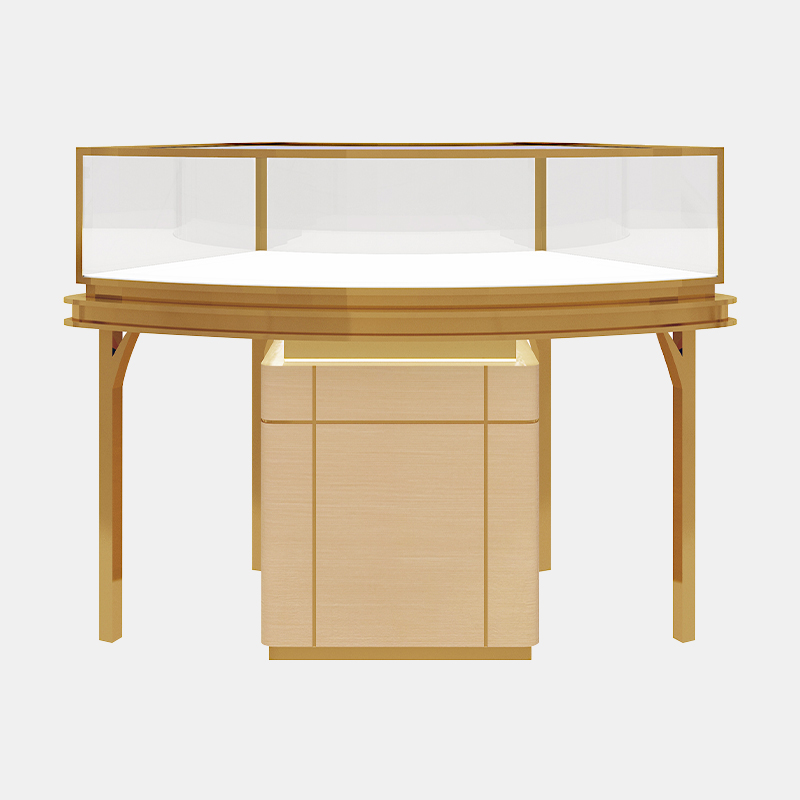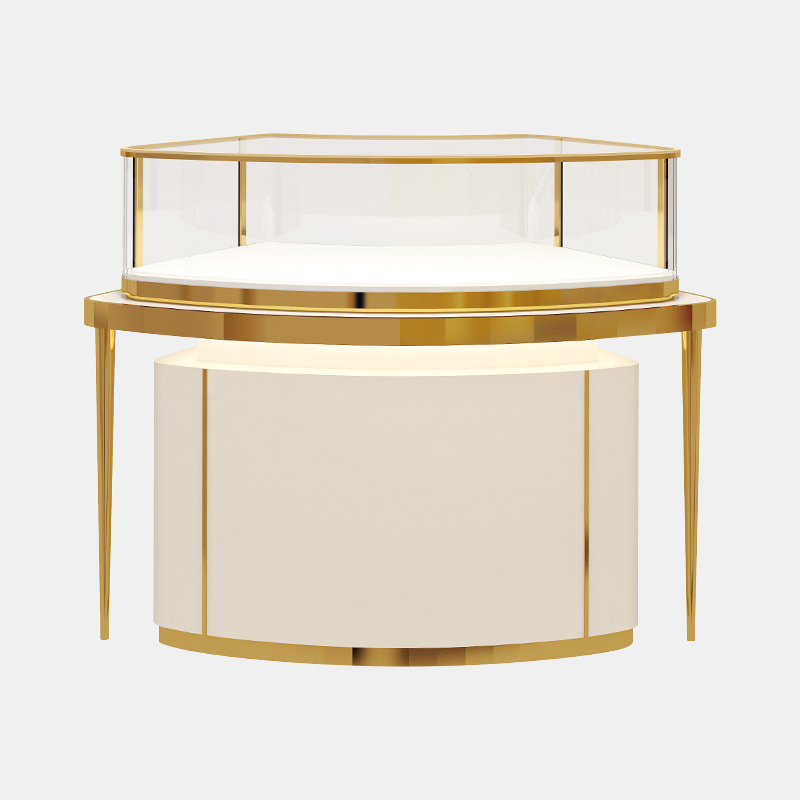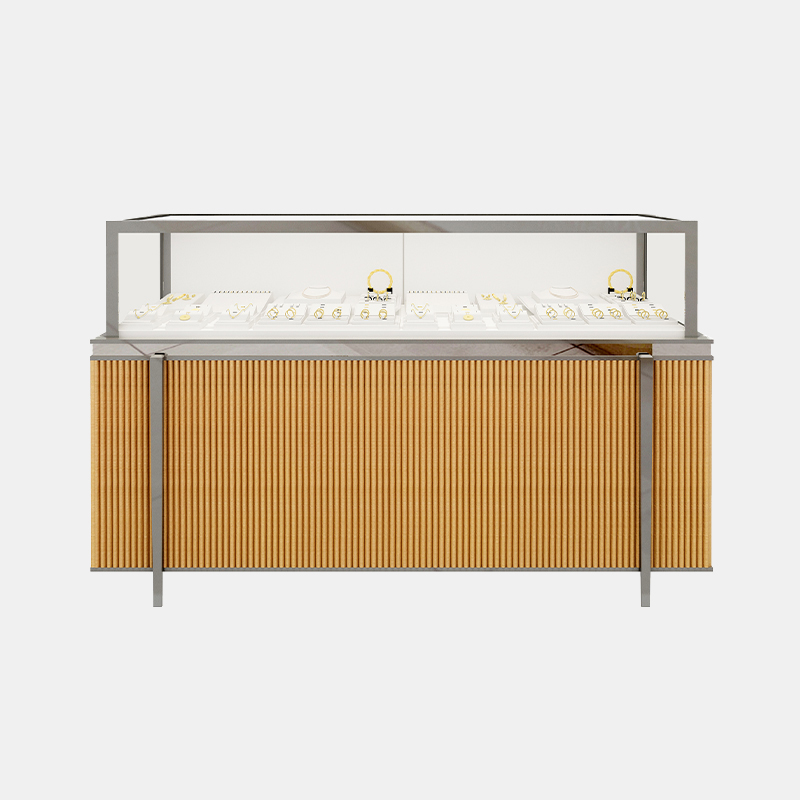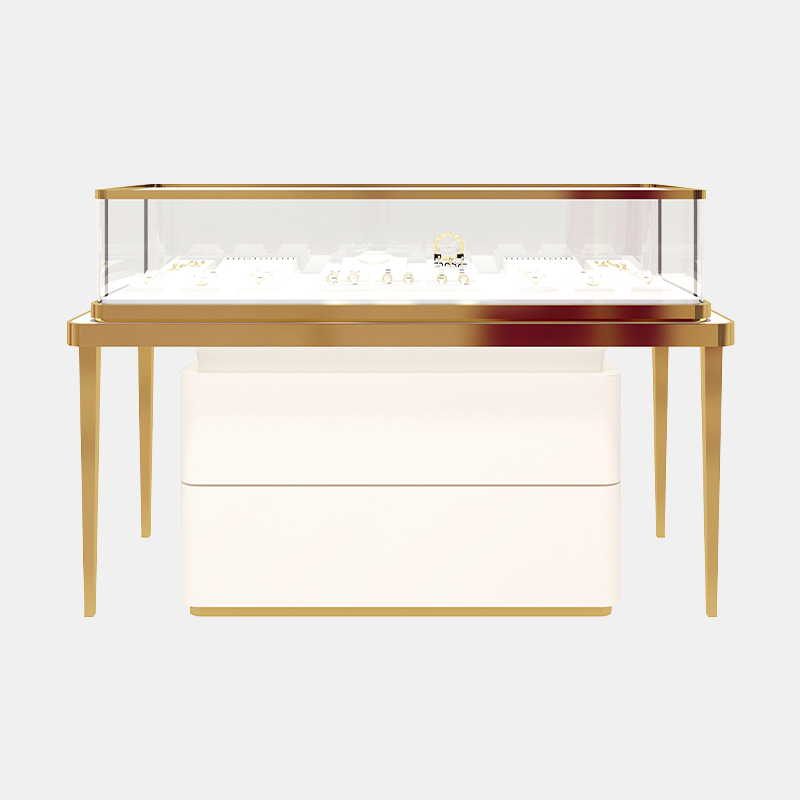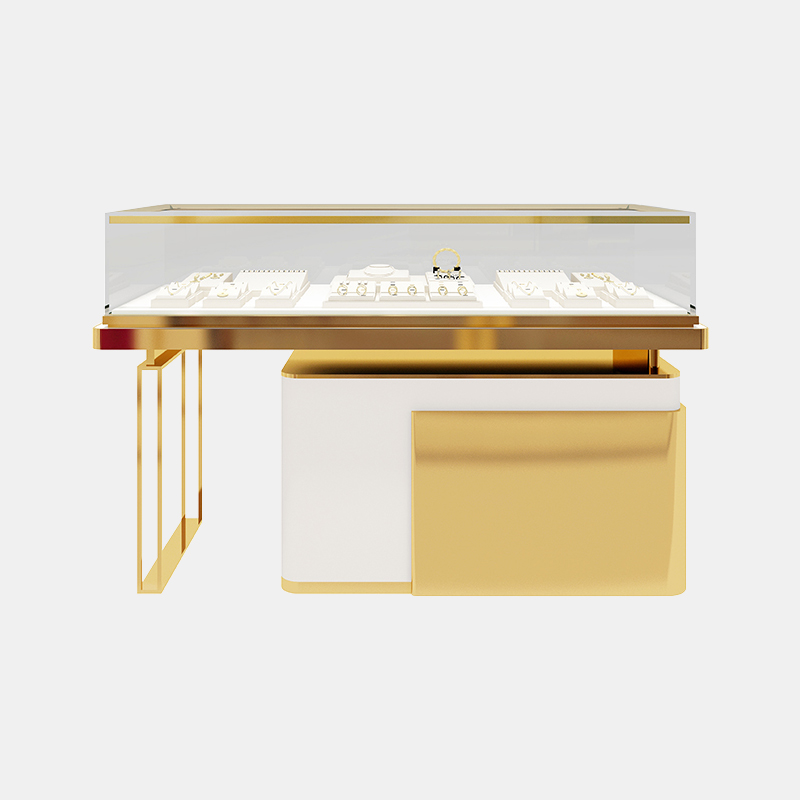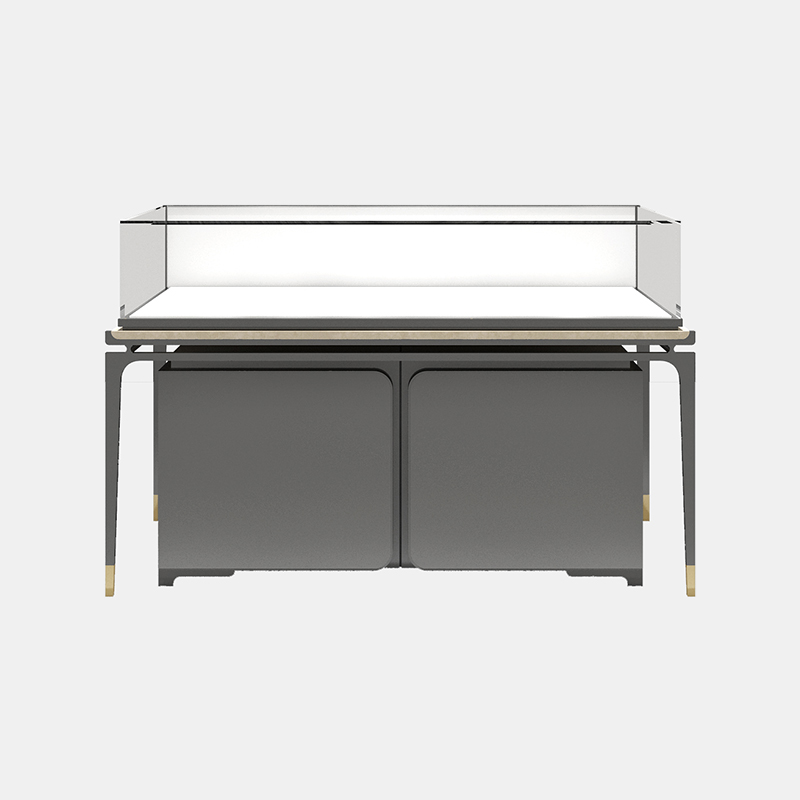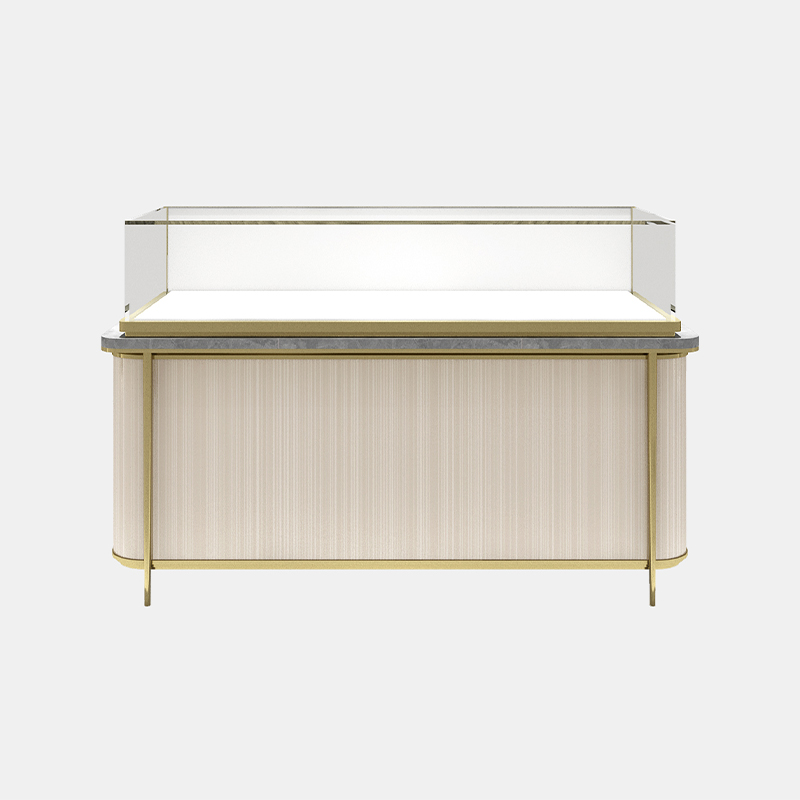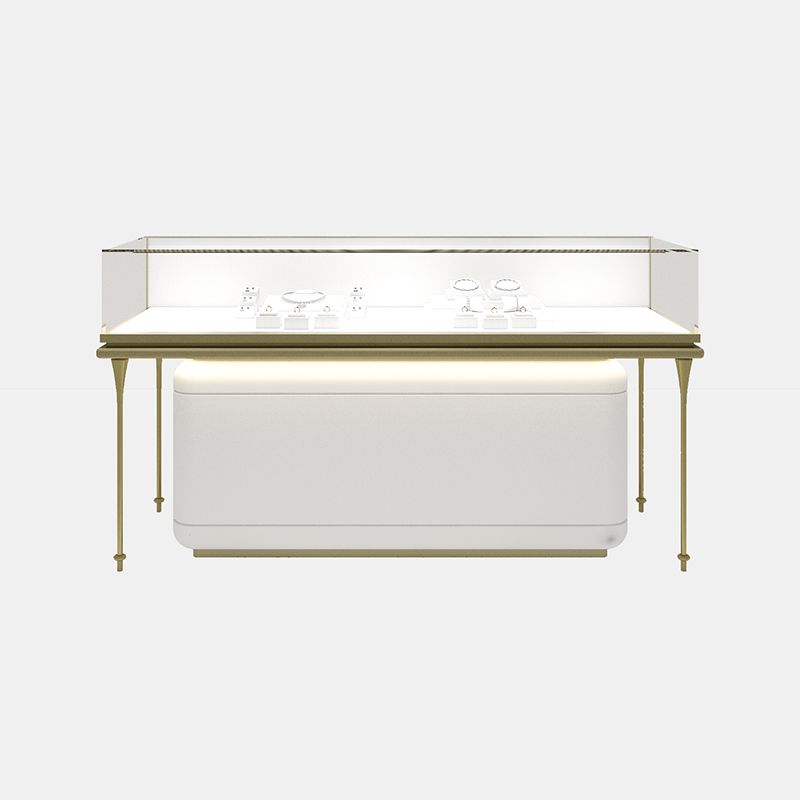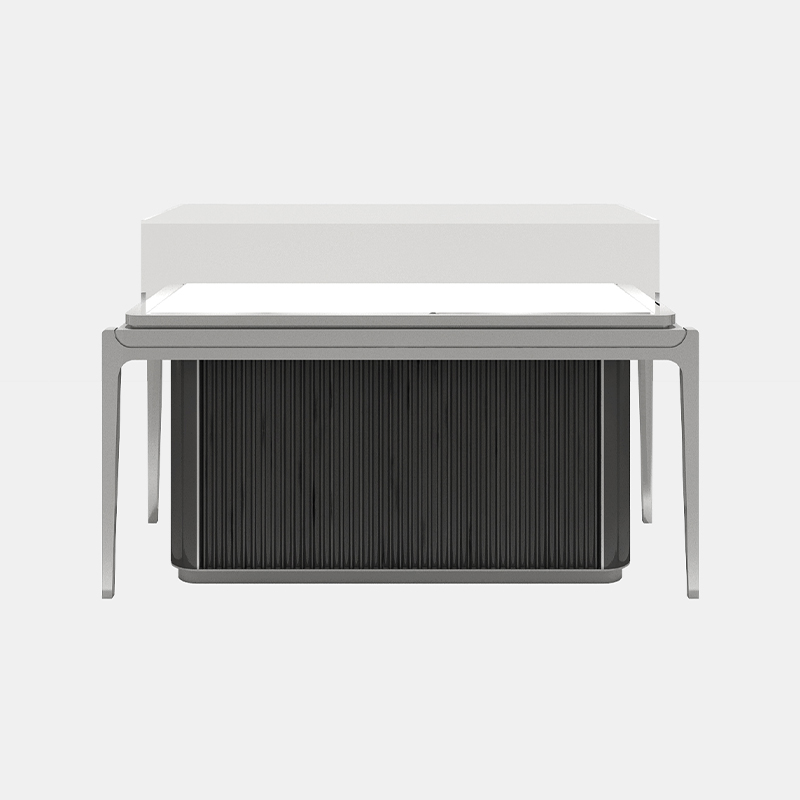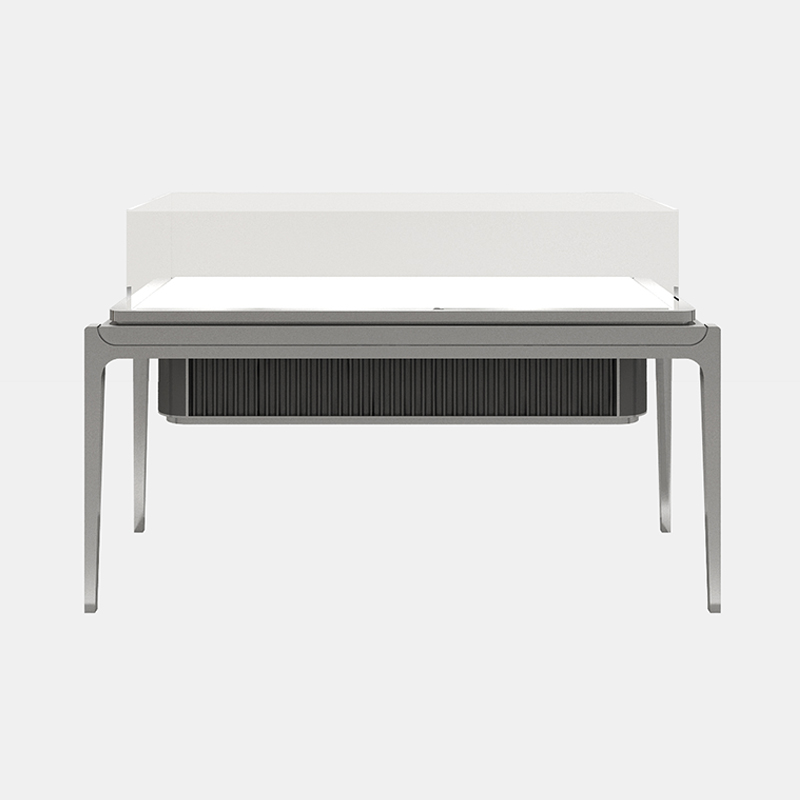
The answer is clear: a well-designed jewelry display case directly increases sales conversion rates by making products more visible, desirable, and trustworthy. Research from the Retail Design Institute shows that up to 76% of purchasing decisions in specialty retail are made at the point of display — not before customers enter the store. For jewelry retailers, the showcase is not just storage; it is your most powerful silent salesperson.
Whether you operate a high-end boutique or a wholesale jewelry shop, the design, lighting, layout, and material of your jewelry showcase profoundly shape how customers perceive product value. A poorly lit, cluttered glass jewelry display case signals low quality — regardless of what is inside. Conversely, a thoughtfully curated, well-illuminated retail jewelry display cabinet elevates even modest pieces and encourages customers to linger, touch, and buy.
This article explores the psychology, design science, and practical strategies behind effective jewelry showcase design — drawing on industry data, real-world case studies, and manufacturing insights from leading custom jewelry showcase manufacturers.
Content
Visual merchandising is the art and science of presenting products in ways that stimulate emotional responses and purchasing behavior. In jewelry retail, customers are not just evaluating a product — they are imagining themselves wearing it, gifting it, or cherishing it. The display environment either supports or destroys that fantasy.
According to the Journal of Retailing and Consumer Services (2021), ambient factors including lighting color temperature, display height, and case organization collectively influence a shopper's perceived product quality by up to 40%. A customer standing in front of a disorganized, harshly lit showcase is physiologically less likely to feel excited about a purchase than one presented with warm, focused LED jewelry showcase lighting and elegantly spaced pieces.
Furthermore, trust signals embedded in display design — locked glass panels, premium frame finishes, clean branding — reduce perceived purchase risk. Customers who trust a store environment spend 23% more per visit on average (PwC Consumer Insights, 2022).
Key Factors Influencing In-Store Jewelry Purchase Decisions (%)
The structural and aesthetic choices made in a jewelry store showcase design directly trigger identifiable consumer behaviors. Understanding these mechanisms allows retailers to make smarter investments in their display infrastructure.
When fewer items are displayed per shelf, the brain interprets this as scarcity and elevated exclusivity. Studies at the Cornell Center for Behavioral Economics found that reducing display density by 30% increases perceived product value by up to 18%. A glass jewelry display case with breathing room between pieces communicates luxury; a crowded one suggests bargain merchandise.
The "golden zone" in retail — typically between 90cm and 150cm from the floor — captures the highest customer attention. Products placed in this range of a retail jewelry display cabinet receive 35% more visual engagement than items positioned outside this zone (PACO Underhill, "Why We Buy," 2009). Custom jewelry showcases that allow height-adjustable shelving give retailers control over which pieces command attention.
The showcase frame material and interior lining color significantly affect how jewelry appears. Dark velvet interiors — black, navy, or deep burgundy — create high contrast that makes gold, silver, and gemstones pop visually. Wholesale jewelry display cabinets with neutral interiors may be cost-effective, but custom finishes aligned to brand identity yield measurably higher sales engagement. Stainless steel frames project modern luxury, while wood-finish frames align with artisan or vintage positioning.
A glass jewelry display case does more than provide visibility — it communicates confidence. Full-view tempered glass on all sides allows customers to inspect pieces from multiple angles, mimicking the online 360-degree product experience that modern consumers expect. Retailers using all-glass display cases report 22% higher customer inquiry rates versus opaque or partial-view alternatives.
Lighting is arguably the single most impactful variable in jewelry display performance. The difference between a piece that looks dull under fluorescent ceiling lights and one that sparkles under targeted LED jewelry showcase lighting is not subtle — it is the difference between a customer walking past and a customer asking to try it on.
LED showcase lighting offers advantages across three critical dimensions: color rendering, heat management, and energy efficiency. A high Color Rendering Index (CRI) of 95+ ensures that diamonds appear brilliant, gold glows warmly, and colored gemstones reproduce true-to-life hues. Poor CRI lighting (below 80) can make a premium piece look artificial or washed out.
Sales Uplift (%) vs. LED CRI Rating in Jewelry Stores
Color temperature also matters. Research by Philips Lighting (2020) found that jewelry sells best under warm white LEDs at 2700K–3000K, which enhances gold tones and skin warmth. Cool white lighting (above 5000K), while popular in electronics stores, makes jewelry appear clinical and reduces purchase intent. Modern luxury retail display cases increasingly integrate dual-temperature LED systems to allow zone-by-zone customization.
The spatial arrangement of your jewelry store showcase systems shapes how customers flow through your space and which products receive the most attention. A strategically designed jewelry store interior display layout increases dwell time, guides purchasing journeys, and creates natural upsell opportunities.
Customers need 3–5 feet after entering a store to mentally transition from outside. Placing showcase displays too close to the entrance means the first products are largely ignored. Leading with a striking jewelry wall showcase or statement display table creates a visual hook without demanding immediate sales attention.
Research consistently shows that shoppers in Western markets naturally move counterclockwise, but visually track to the right. Placing high-margin jewelry pieces in right-side retail jewelry display cabinets as customers enter maximizes exposure to your best-selling and highest-value items. Jewelry wall cabinets along the right perimeter are particularly effective for rings, necklaces, and statement pieces.
Island jewelry showcases — freestanding cases accessible from multiple sides — generate 40% more customer touchpoints than perimeter-only displays (VM+SD Magazine, 2021). They allow staff to serve customers from any angle and are ideal for high-turn items like wedding bands and fashion jewelry. Perimeter displays, meanwhile, are optimal for narrative-driven category stories, such as a complete bridal collection or a curated gemstone series.
Average Sales Index by Display Position Type
One of the most consequential decisions a jewelry retailer makes is whether to source wholesale jewelry display cabinets from a catalog or commission a custom jewelry showcase manufacturer. Both paths have merit, and the right choice depends on brand positioning, store size, and long-term growth plans.
| Feature | Wholesale Jewelry Display Cabinets | Custom Jewelry Showcase Manufacturer |
|---|---|---|
| Brand Differentiation | Low (standard designs) | High (fully branded) |
| Lead Time | 1–2 weeks | 4–8 weeks |
| Minimum Order | 1 unit | Varies by factory |
| Size Flexibility | Limited to catalog options | Fully customizable |
| LED Integration | Basic or optional add-on | Fully integrated |
| OEM/ODM Services | Not available | Available |
| Ideal For | Startups, kiosks, pop-ups | Established retailers, chains |
For retailers seeking consistency across multiple locations, working with a China jewelry showcase factory offering OEM services provides significant advantages: cost efficiency at scale, quality consistency, and the ability to embed brand-specific design elements — logos, colors, proprietary locking systems — into every unit. Many leading brands in the luxury retail segment source their display infrastructure from specialized Chinese manufacturers who combine craftsmanship with competitive production capacity.
When asking "where to buy retail display cabinets wholesale," the answer increasingly points to direct-from-factory sourcing, particularly from manufacturers with verifiable production capacity and established export experience. This approach reduces intermediary markups and allows closer quality control collaboration.
Not every jewelry showcase is suited to every store type. A luxury boutique, a mall chain store, and an independent artisan jeweler all have distinct display requirements. The radar chart below compares four common showcase configurations across five key performance attributes.
Showcase Type Performance Radar (Score out of 10)
Jewelry wall showcases and jewelry wall cabinets serve a dual purpose: they maximize vertical display space while simultaneously defining the visual identity of a store's perimeter. When executed well, a wall showcase system transforms a plain retail wall into an immersive product experience that draws customers deeper into the store.
Key design principles for effective jewelry wall cabinets include:
Retailers who integrate a cohesive jewelry wall showcase system report that customers spend an average of 2.7 minutes longer in the store compared to environments with standalone floor cases only (Retail Times, 2022). That additional dwell time correlates directly with higher transaction values.
The long-term performance and aesthetic durability of a jewelry showcase depends heavily on material quality and construction standards. Understanding what separates a professional-grade display from a budget alternative helps retailers make decisions that protect their investment.
Tempered glass — typically 5mm or 8mm — is standard in quality glass jewelry display cases. It offers 4–5 times the strength of standard glass and shatters into blunt pebbles rather than sharp shards if broken. Laminated tempered glass provides an additional security layer and is required in some jurisdictions for display cases in public retail settings. Ultra-clear low-iron glass eliminates the greenish tint found in standard float glass, ensuring that white gold and diamond pieces render with true-to-life clarity.
Common frame materials include stainless steel, aluminum alloy, MDF with veneer, and solid wood. Stainless steel frames with brushed or mirror finishes dominate luxury retail display cases due to their durability, clean aesthetics, and resistance to warping. MDF-based frames are cost-effective and accept a wide range of surface finishes — lacquer, veneer, upholstered fabric — making them popular in custom jewelry showcase applications where brand color matching is required.
The interior lining material of a jewelry showcase cabinet affects both product presentation and anti-tarnish performance. High-quality velvet, leatherette, and suede-effect fabrics are the most common choices. Anti-tarnish linings — treated fabrics that absorb airborne pollutants — are particularly valuable for silver jewelry displays, where tarnishing can occur within days in polluted urban environments.
Zhejiang SUNTOP Commercial Display Products Co., Ltd, established in 2009, is a leading custom jewelry display case supplier specializing in full-service commercial display space creation. The company integrates design planning, display cabinet and prop production, and decoration and renovation contracting — delivering cohesive retail environments that align with each client's brand positioning.
With a factory covering 25 acres and a floor space of 25,000 square meters, SUNTOP operates at an annual capacity exceeding 100 million units of output, making it one of the most capable jewelry showcase manufacturers for wholesale and OEM/ODM projects. Whether you are outfitting a single boutique or rolling out a chain retail network, SUNTOP offers scalable solutions with consistent quality across every glass jewelry display case, jewelry wall showcase, and retail jewelry display cabinet produced.
As a trusted China jewelry showcase factory with OEM capabilities, SUNTOP partners with brands worldwide to develop display infrastructure that is not just functional — but a genuine competitive asset.
Real questions from jewelry retailers and store designers — answered concisely.
Q1: What is the best jewelry display for retail stores?
Glass-top counter showcases with integrated LED lighting are the most versatile option for most retail stores. For high-end boutiques, custom-built luxury retail display cases with low-iron glass and tempered panels deliver the strongest visual impact and brand consistency.
Q2: How do you design a jewelry store showcase layout?
Start with customer flow — place high-value items on the right-side perimeter and island showcases in the center. Allocate the decompression zone (near the entrance) for brand storytelling. Use jewelry wall cabinets for category zoning and ensure all displays sit within the golden zone (90–150cm from floor).
Q3: What lighting is best for jewelry display cases?
LED lighting with a CRI of 95 or above and a color temperature of 2700K–3000K is ideal. This combination renders gold warmly and brings out the brilliance of diamonds and colored gemstones. Integrated LED jewelry showcase lighting avoids the heat and UV degradation issues associated with halogen alternatives.
Q4: How do you arrange jewelry in a showcase?
Group by category and metal type, leaving adequate space between pieces to avoid visual clutter. Place focal hero pieces at eye level in the center, with supporting items radiating outward. Use graduated display props (busts, stands, ramps) to create visual depth and hierarchy within the case.
Q5: Are glass jewelry cases secure enough for retail use?
Tempered glass jewelry display cases are significantly more resistant to impact than standard glass. Pairing them with quality lock mechanisms and laminated glass panels provides a high level of in-store security. For very high-value inventories, showcases with reinforced frames and alarm integration are available from specialist manufacturers.
Q6: What material is best for jewelry display cabinets?
Stainless steel frames with low-iron glass panels are the top choice for durability and premium aesthetics. MDF with lacquer or veneer finish is an excellent alternative for custom color-matched displays. Interior linings of velvet or leatherette provide the best product presentation and anti-scratch protection.
Q7: How do I protect jewelry in display cases?
Use anti-tarnish interior linings for silver pieces, avoid direct sunlight exposure that can fade gemstone colors, and ensure proper ventilation within sealed cases to prevent condensation. LED lighting is preferred over halogen as it produces minimal UV radiation that can damage certain stones and materials over time.
Q8: Do LED showcases help increase jewelry sales?
Industry data consistently supports that high-CRI LED showcase lighting increases customer engagement and sales conversion. Retailers upgrading to CRI 95+ LED systems have reported sales uplifts of 15–23% for the displayed categories. LED lighting also reduces operating costs by up to 70% compared to traditional halogen display lighting.


 ਪੰਜਾਬੀ
 English
 عربى
عربى русский
 中文简体
中文简体