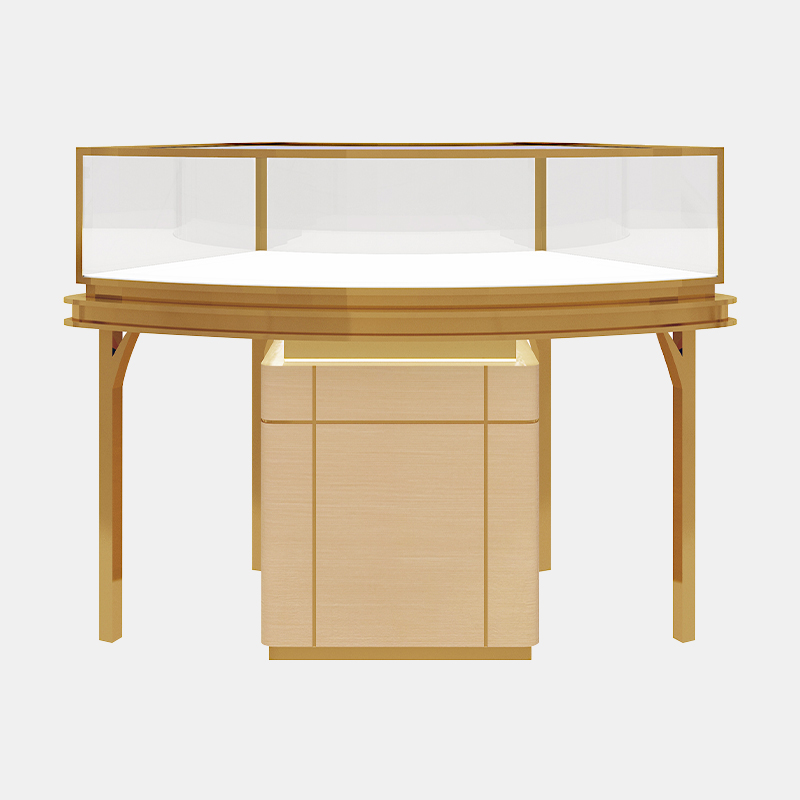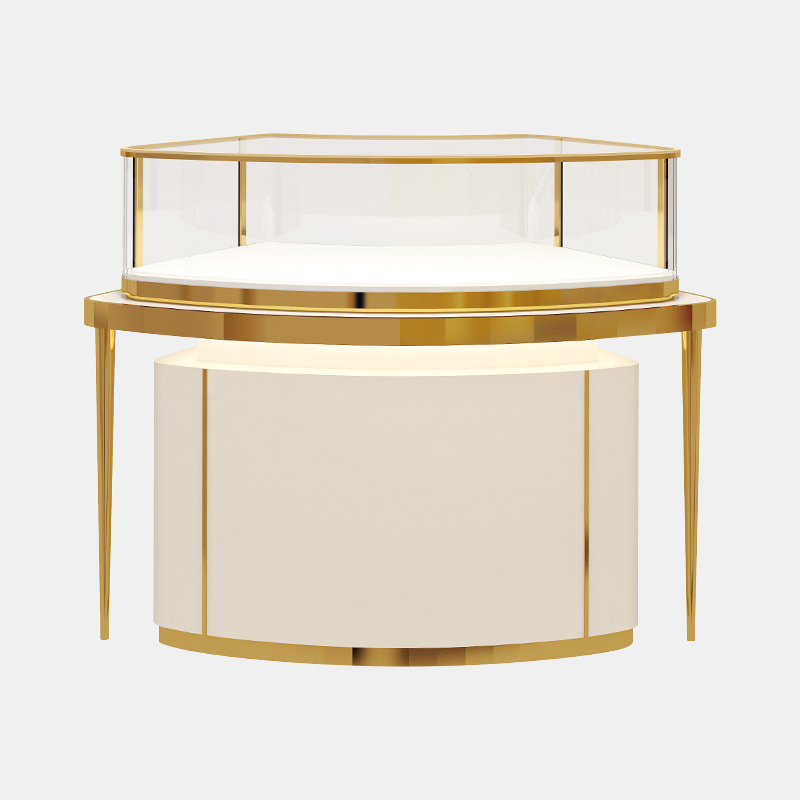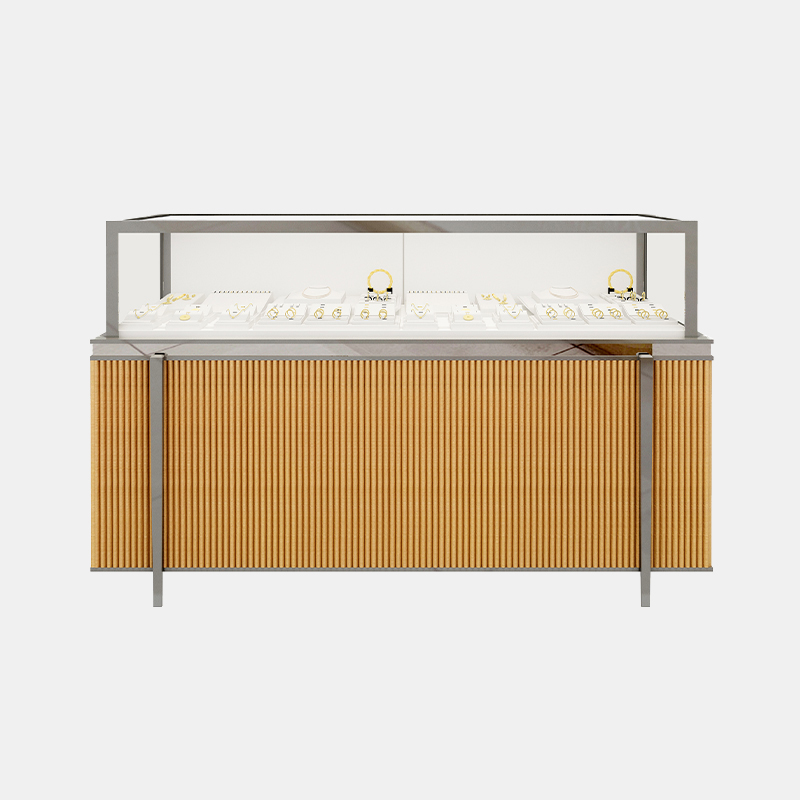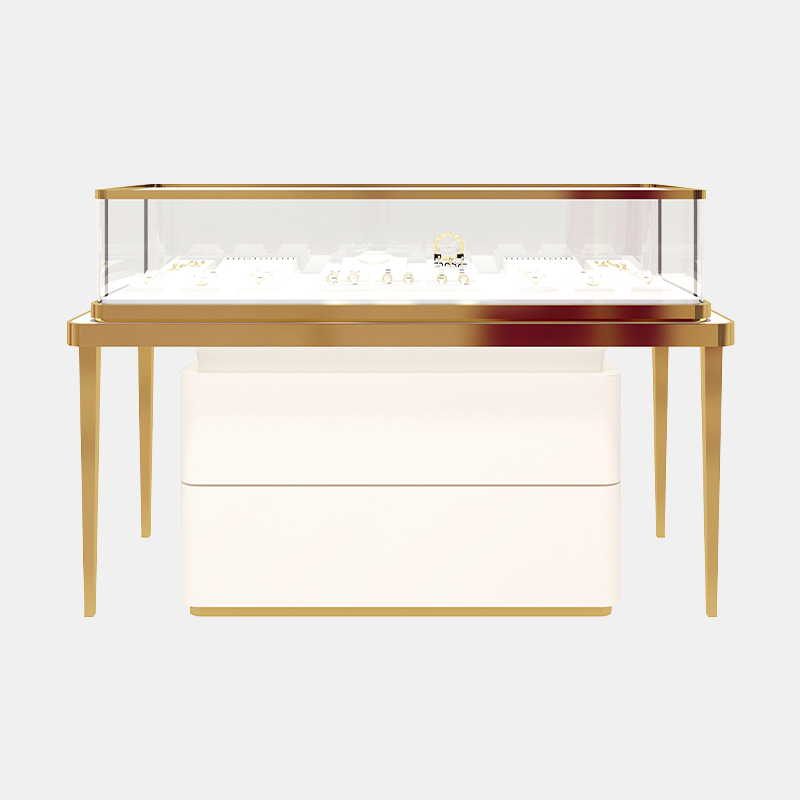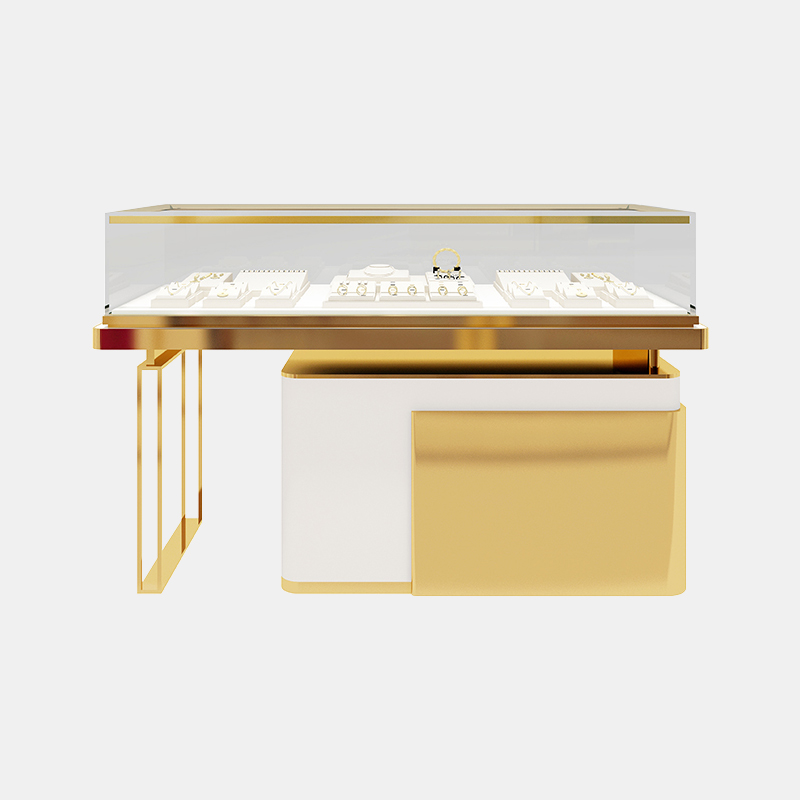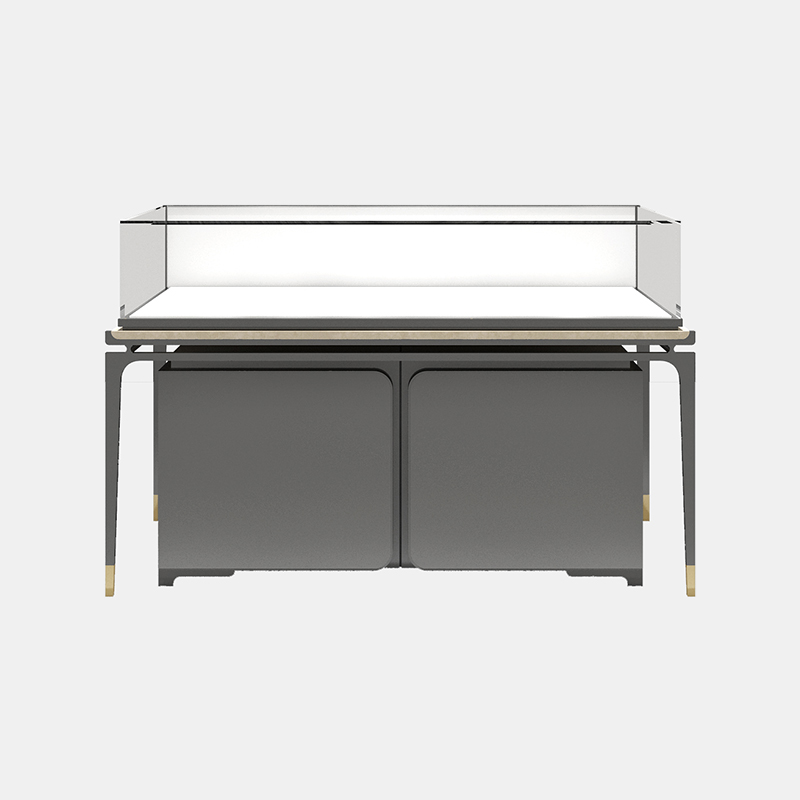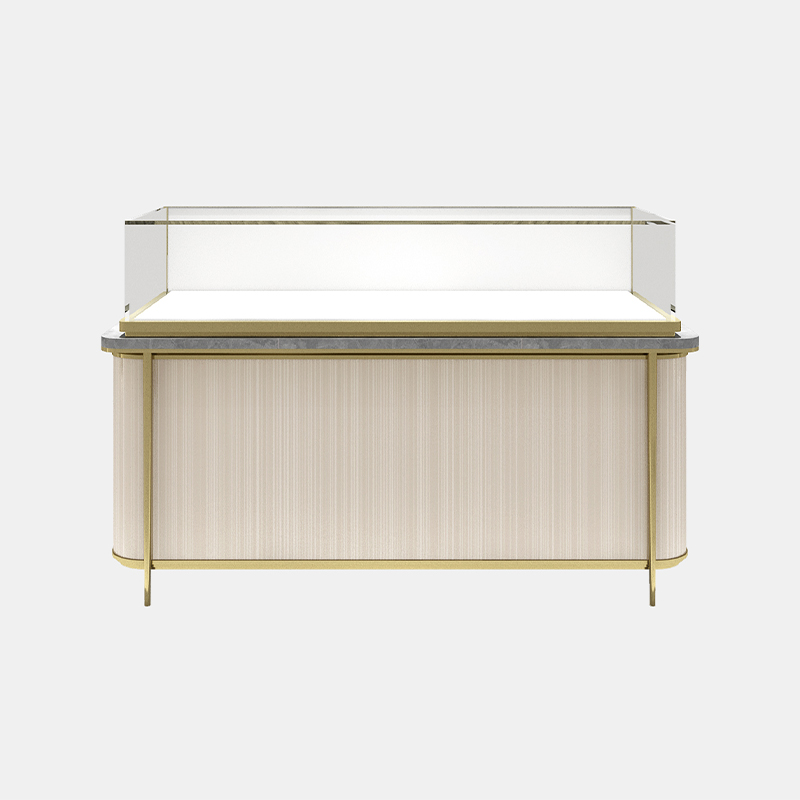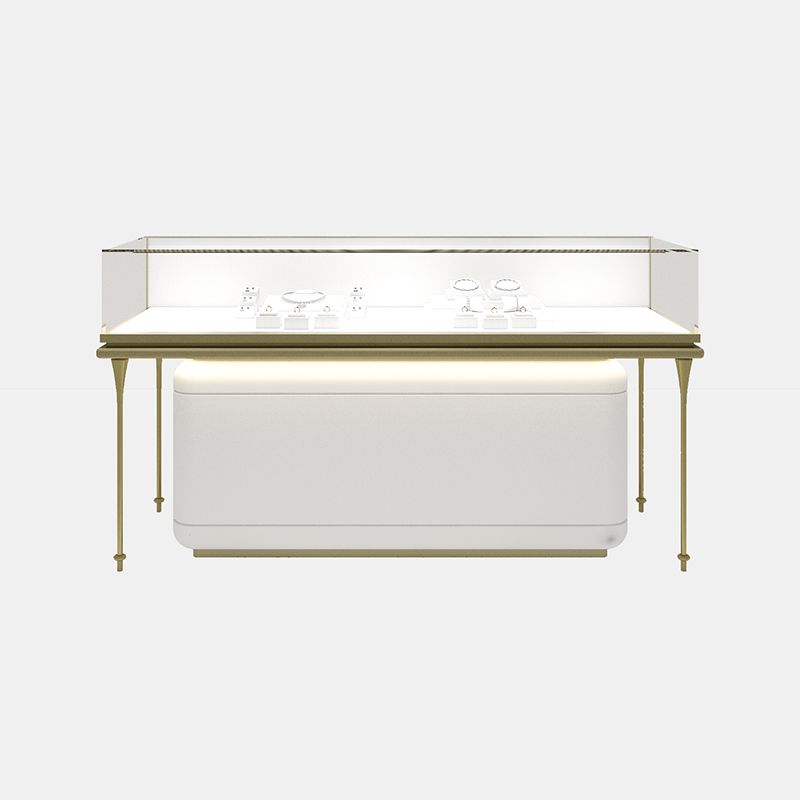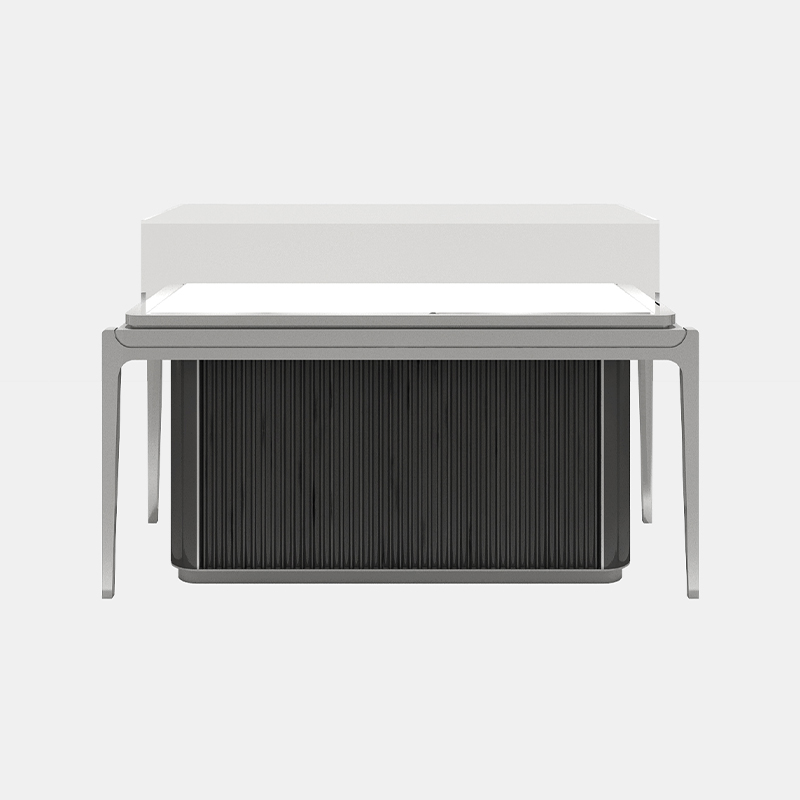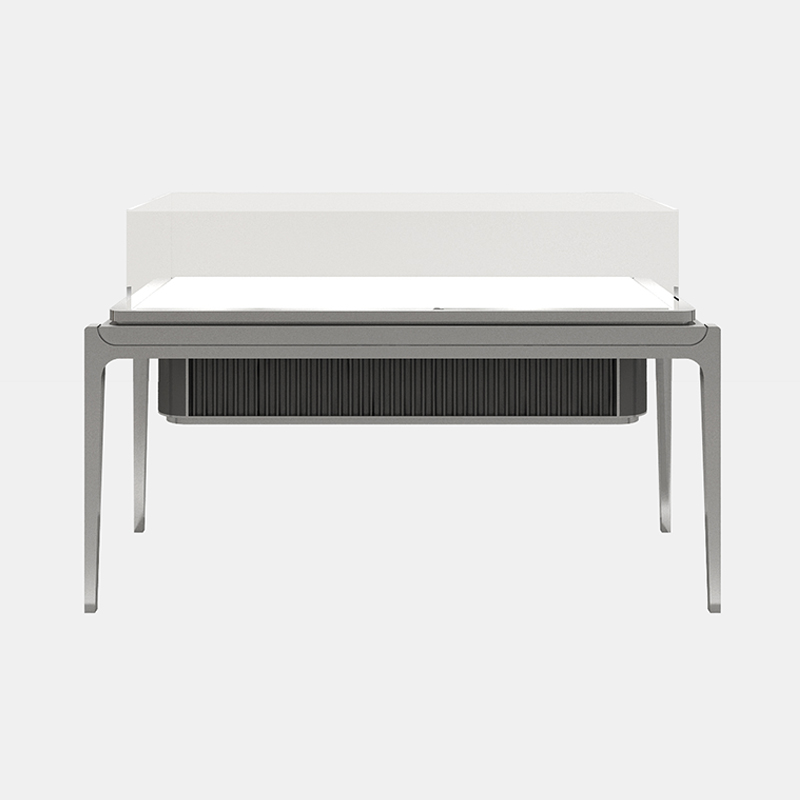
In the jewelry retail industry, lighting design almost entirely determines a customer's first impression. A high-quality jewelry showcase not only needs an aesthetically pleasing appearance but also a scientifically designed lighting layout to make diamonds sparkle, gold shine brighter, and colored gemstones appear purer.
Lighting is like a "makeup artist" for jewelry, instantly enhancing the perceived value of the product. So, how should the lighting of a jewelry showcase be designed to truly attract customers?
(1) Choosing a High Color Rendering Index (CRI) Light Source
The most crucial aspect of a jewelry showcase is using a light source with a high CRI (CRI>90). High CRI lights can accurately reproduce the colors of gemstones, gold, and platinum, avoiding distortions such as a yellowish or bluish tint.
For example:
Diamonds are best suited to cool white light, emphasizing fire and refraction.
Gold is best suited to slightly warm light sources, such as warm white light around 3000K, to make the gold appear fuller.
Colored gemstones require neutral light with a high CRI to highlight their natural colors. A well-chosen light source makes the colors of gemstones appear more realistic to customers, increasing their confidence in purchasing.
(2) Appropriate Lighting Angles
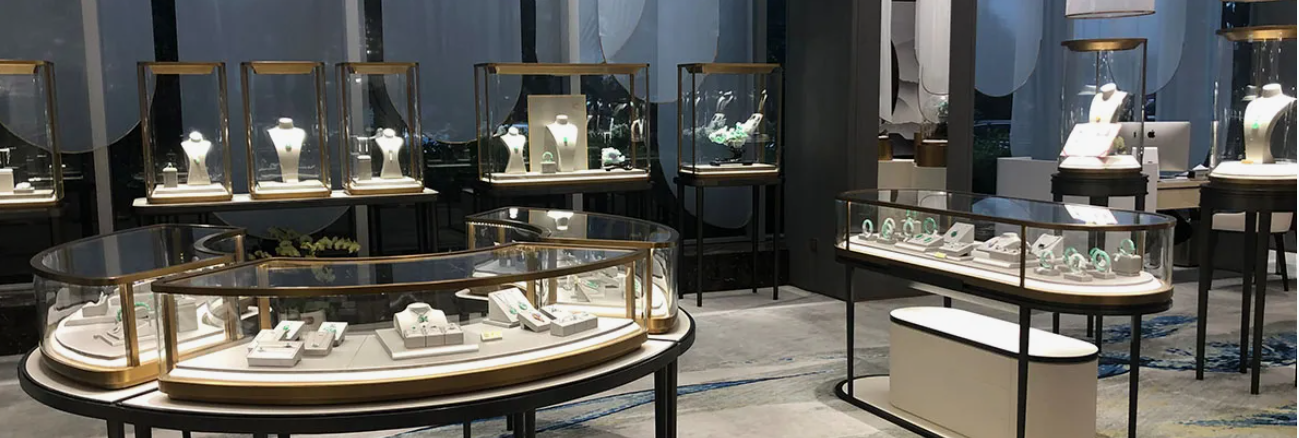
The design of the lighting angles directly affects the brightness and fire of the jewelry. Jewelry showcases generally use multi-angle lighting:
Top Lighting: Used to illuminate the jewelry as a whole, making the showcase bright and clear.
Slanted Front Lighting: Enhances the refraction effect on the surface of the jewelry, allowing light to enter the gemstone from different directions.
Local Point Light Sources: Used to highlight key jewelry pieces, such as high-priced flagship pieces or new collections.
Multi-angle lighting reduces shadows, giving the jewelry a three-dimensional luster and making each gemstone appear more transparent and bright.
(3) Adjusting Color Temperature According to Material
Different colors of light create different visual atmospheres, making the color temperature selection for jewelry showcases crucial:
Diamonds and Platinum: Suitable for using 5500K–6500K cool white light to highlight a cool and bright texture.
Gold: Use 3000K–3500K warm light to make the gold more mellow. Jade and emerald: Use neutral light of 4000K–4500K to maintain a natural green luster.
The more precise the color temperature matching, the more prominent the material texture of the jewelry, the more sophisticated the visual appeal, and the easier it is to attract customers.
(4) Accent Lighting Design
In the lighting arrangement of jewelry display cases, accent lighting areas should be set up.
For example:
Place the season's featured or high-value jewelry in the strongest light position.
Use spotlights and mini LEDs to focus light on core products.
Utilize differences in light intensity to enhance visual hierarchy, naturally drawing customers' attention to key pieces.
Accent lighting not only increases customer attention but also enhances the "presence" of the jewelry, significantly increasing the likelihood of sales.
(5) Avoid Overheating Lights
While jewelry showcases require strong lighting, excessively high light temperatures can cause problems:
Some gemstones may lose their luster due to prolonged heat exposure.
Increased internal temperature of the showcase can affect the lifespan of the equipment.
Customers may feel uncomfortable while lingering near the display case.
Therefore, low-heat LED light sources should be selected, and a reasonable distance should be maintained to ensure the safest and most comfortable display environment for the jewelry.
(6) Integrate Lighting with Cabinet Layout
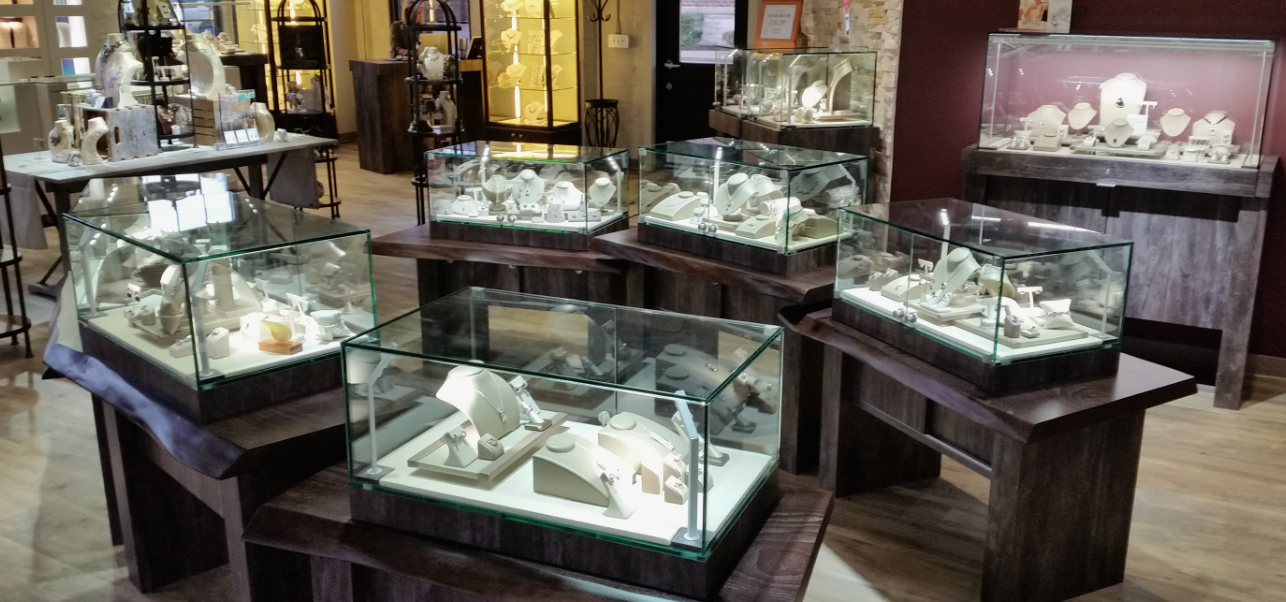
The lighting in a jewelry showcase should not only illuminate the jewelry but also create an atmosphere. The overall visual appeal can be enhanced in the following ways:
Hidden LED strips along the edges of the cabinet create a softer light.
Using linear lighting enhances the sense of depth in the showcase.
Using mirrored materials to reflect light makes the jewelry appear brighter.
A beautiful and layered lighting environment can enhance the brand image, build customer trust, and thus increase sales.
A good jewelry showcase is often not defined by its complex structure but by its professional lighting design. By selecting appropriate light sources, precise angles, correct color temperatures, and reasonable accent lighting, the brilliance of the jewelry can be maximized.
The better the lighting design, the brighter the jewelry, the easier it is to attract customers, and the easier it is to sell.


 ਪੰਜਾਬੀ
 English
 عربى
عربى русский
 中文简体
中文简体