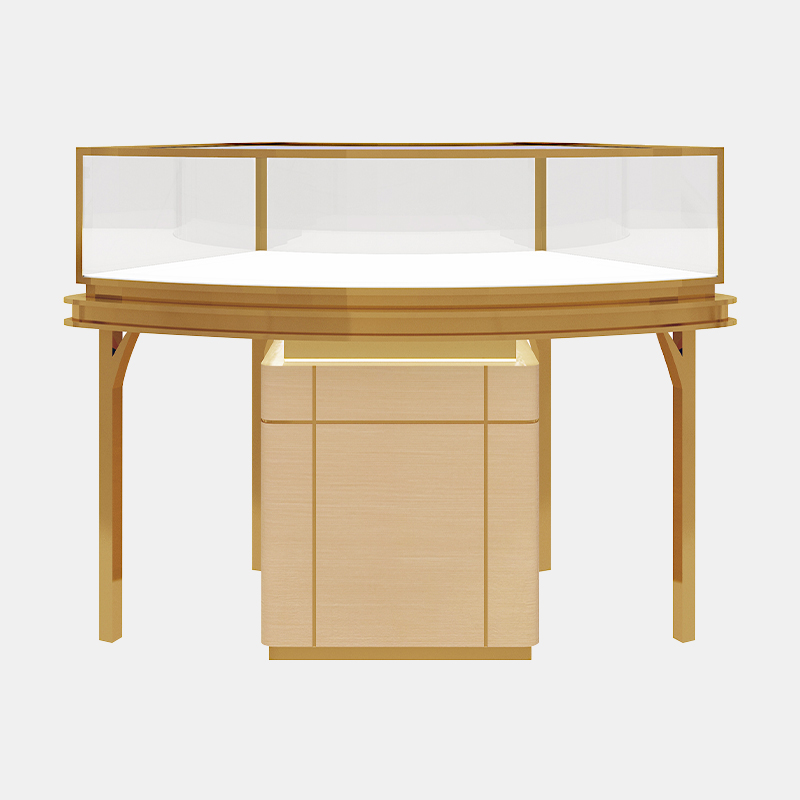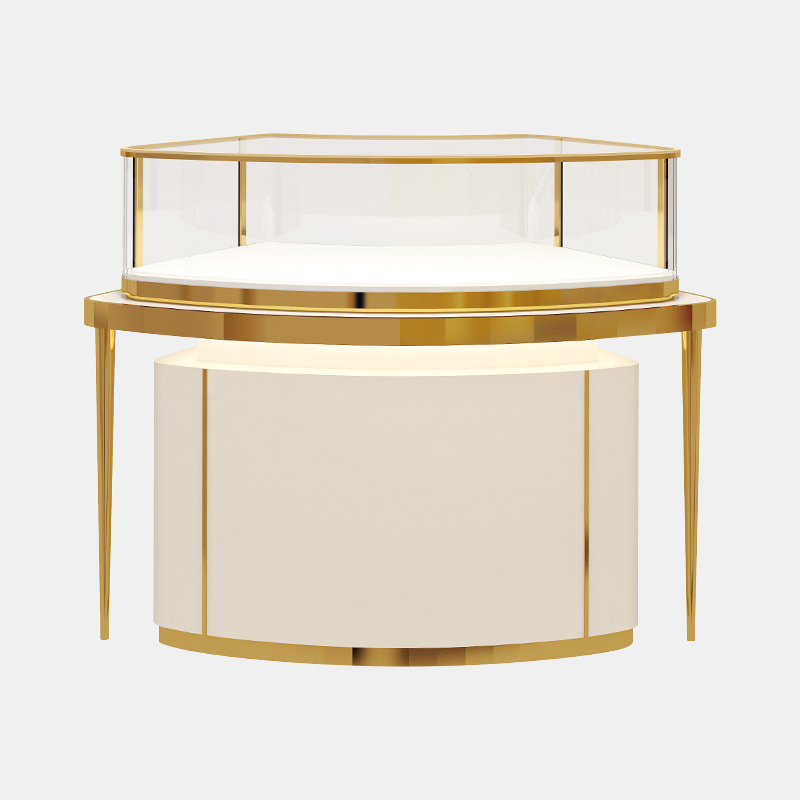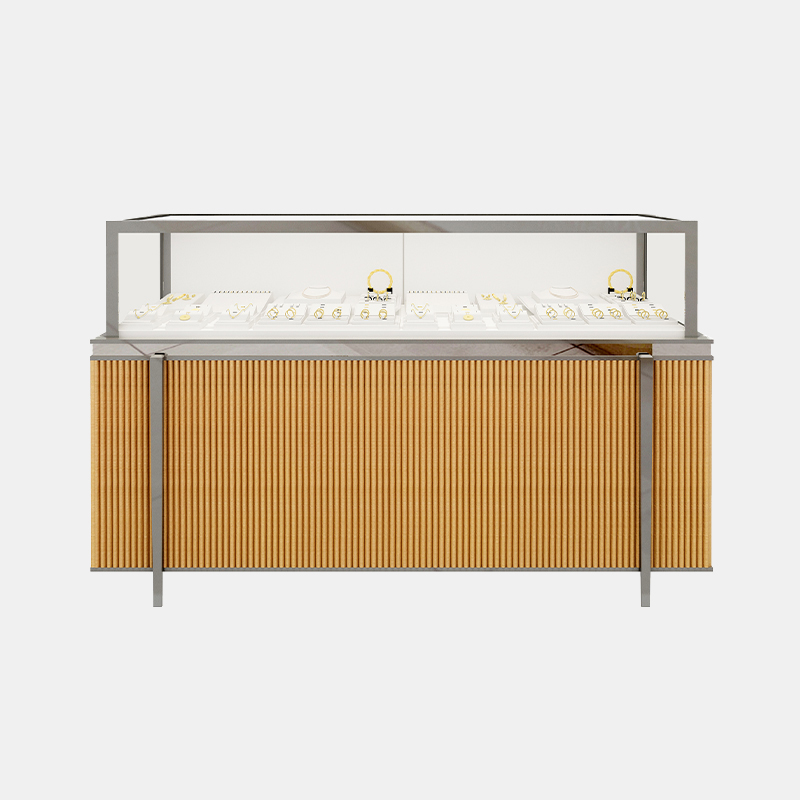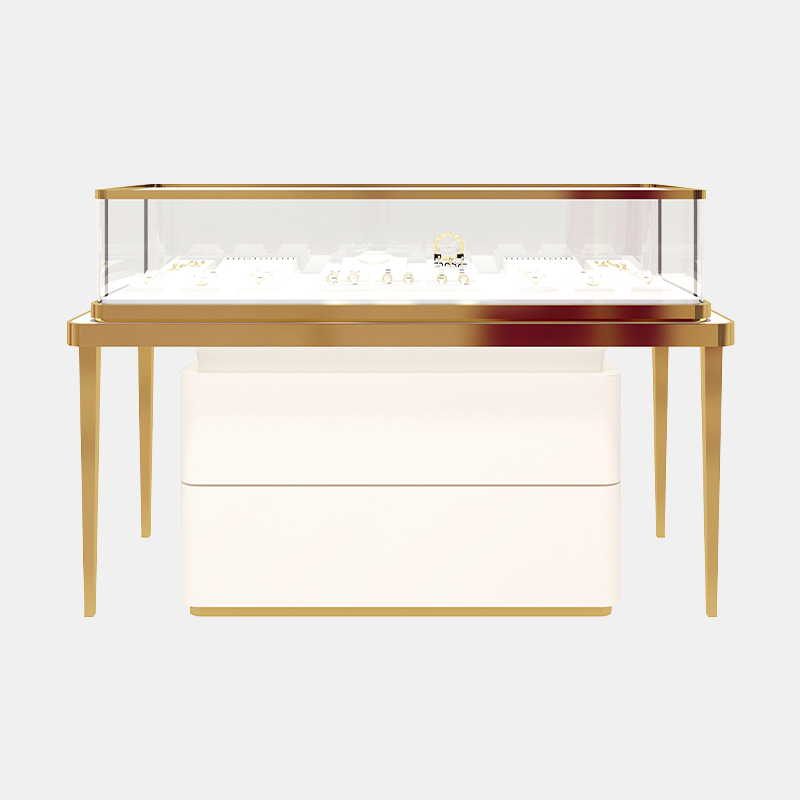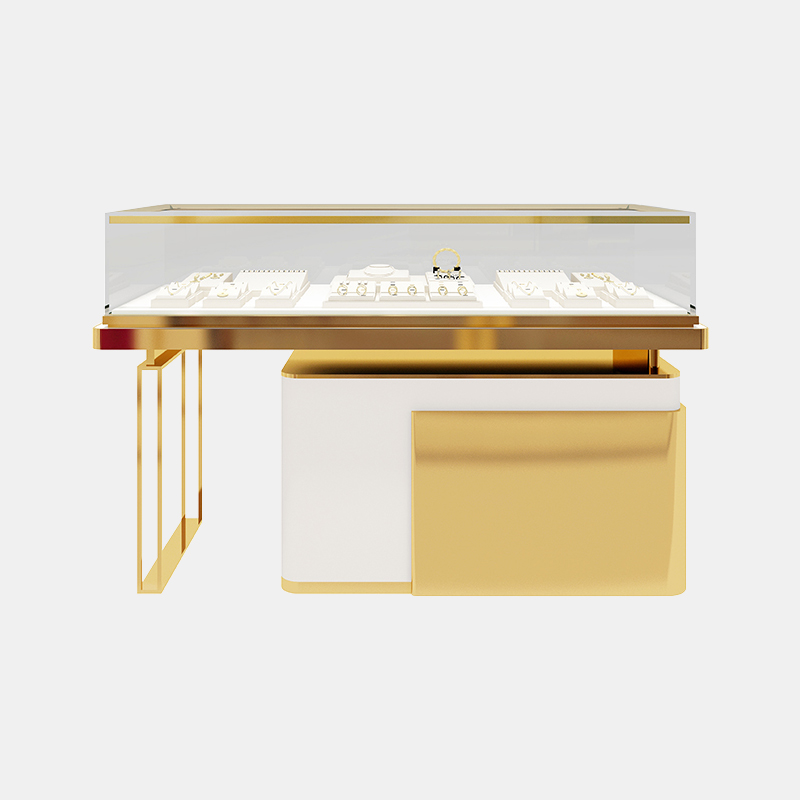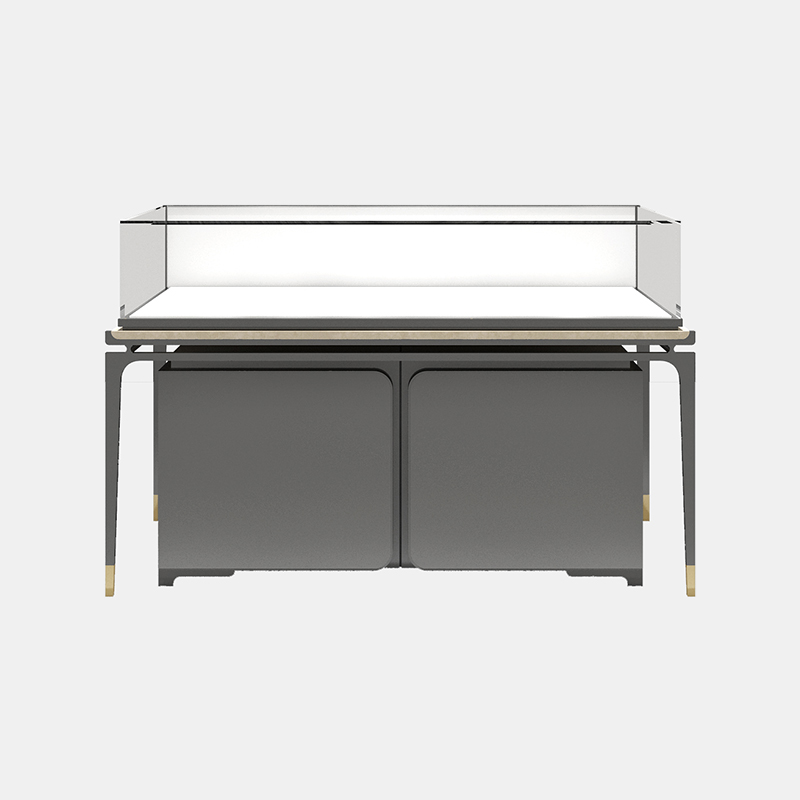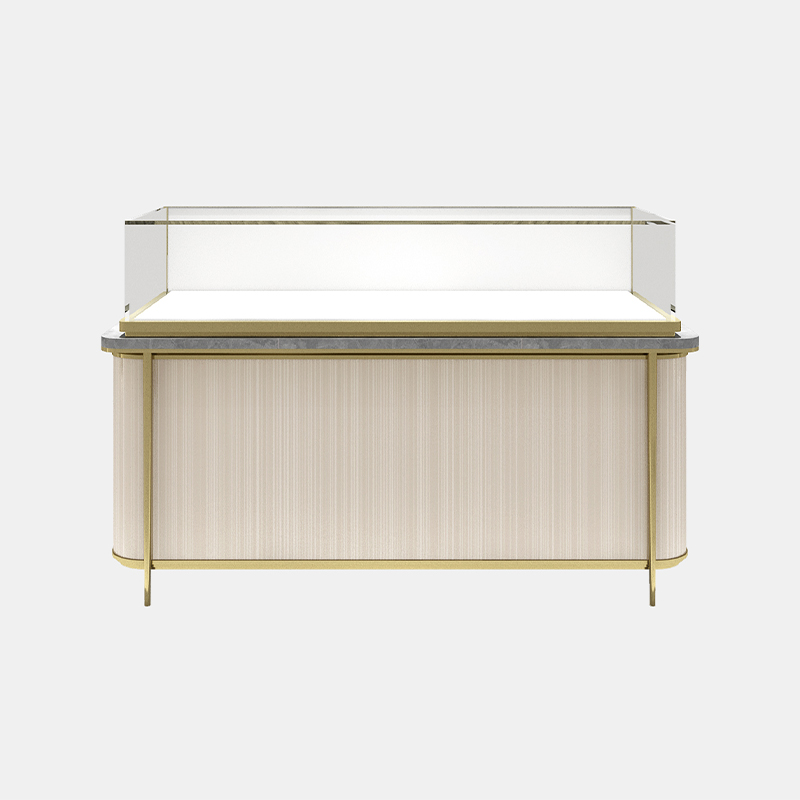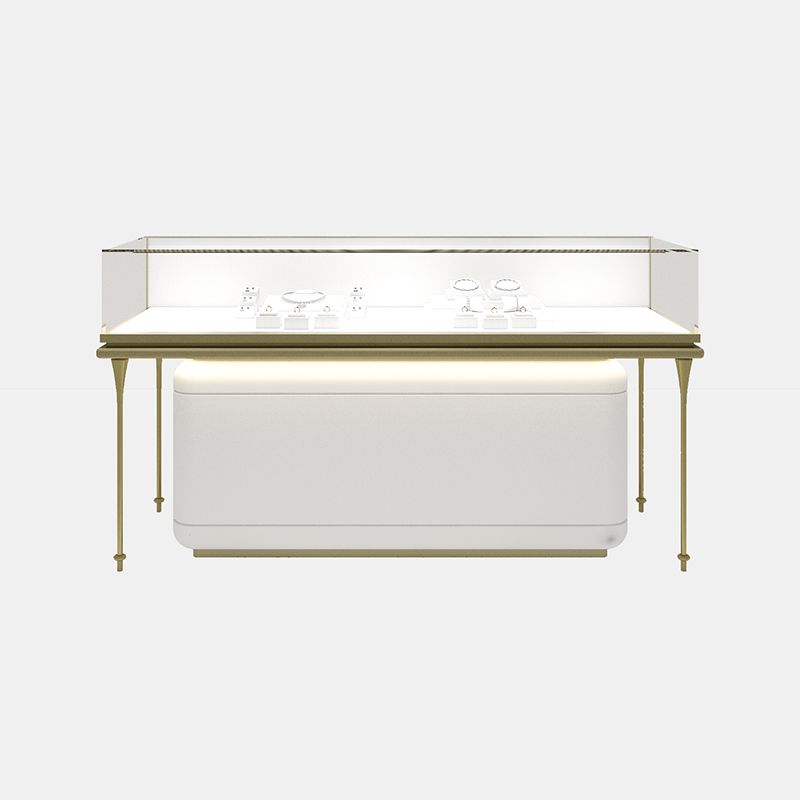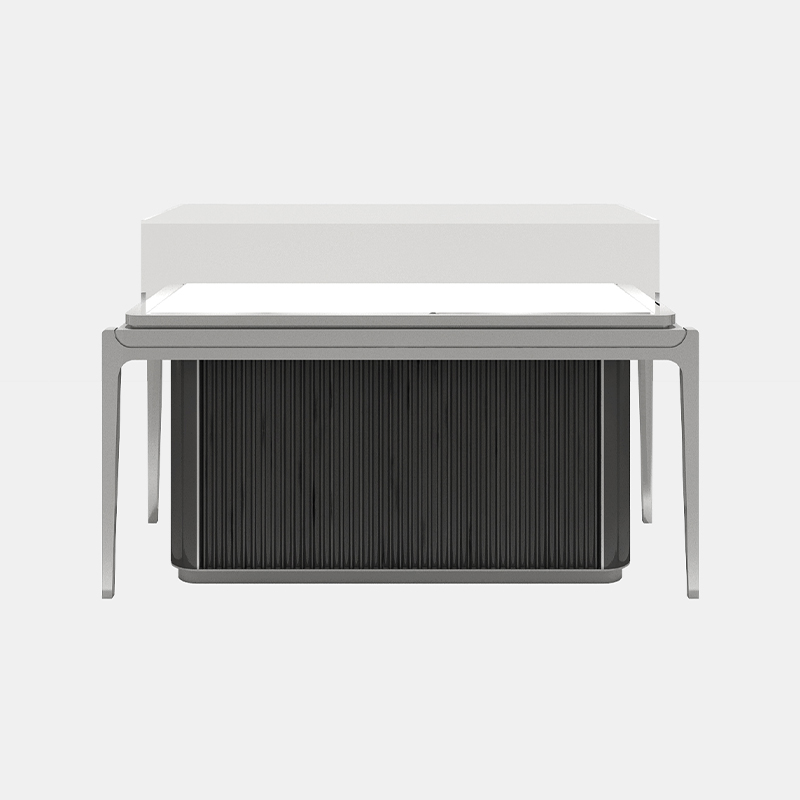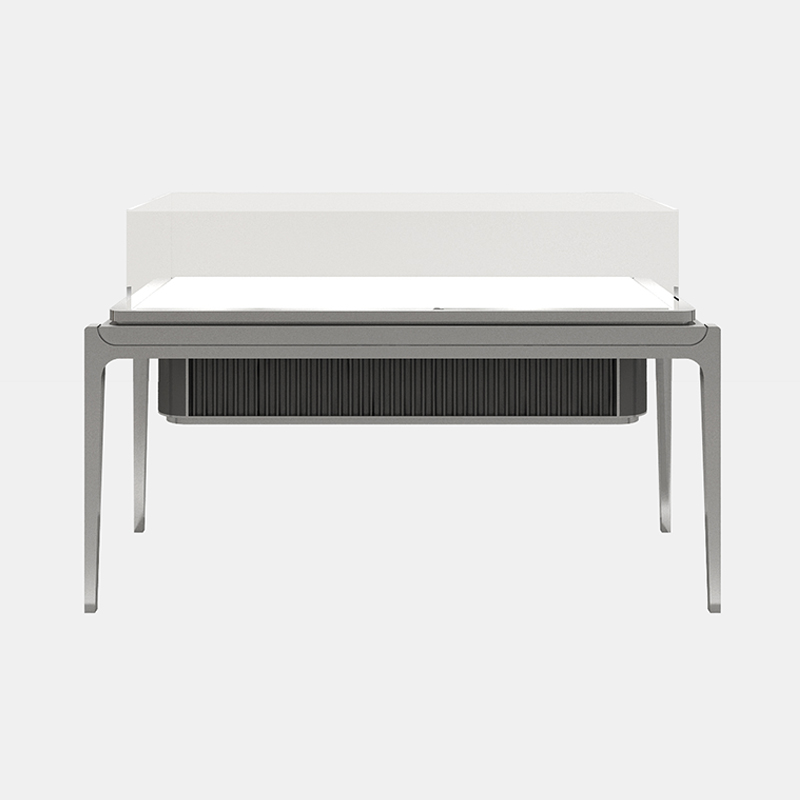
As a precision timepiece, a watch not only represents the passage of time but also often symbolizes the wearer's taste and status. In retail stores, the design and placement of watch display cases play a crucial role in attracting customers, enhancing brand image, and showcasing the unique charm of the watches. Customizing watch display cases is done to better showcase brand characteristics and product design while meeting practical needs. So, what details need to be considered when customizing watch display cases?
1. Understanding Brand Style and Positioning
The primary consideration when customizing watch display cases is the brand's style and market positioning. The display case is not only a display space for products but also an extension of the brand image. Therefore, when designing the display case, it is essential to fully consider the brand's visual style, target consumer group, and the brand values to be conveyed. The following are key factors to consider:
Brand Image Consistency
The overall design of the display case should be consistent with the brand's logo, colors, and philosophy. For example, if it is a high-end luxury brand, the display case should use luxurious materials (such as stainless steel, glass, and wood) and a simple and elegant design to highlight the exquisite and unique nature of the products. If it is a young and fashionable brand, modern materials and creative designs can be used to highlight the brand's vitality and modernity.
Needs of the Target Customer Group
Customize according to the brand's target customer group. If the target customers are mainly young people, a lively and innovative design style can be adopted; if they are high-end customers, simple and luxurious materials and designs can be used to make the display case more professional and high-quality.
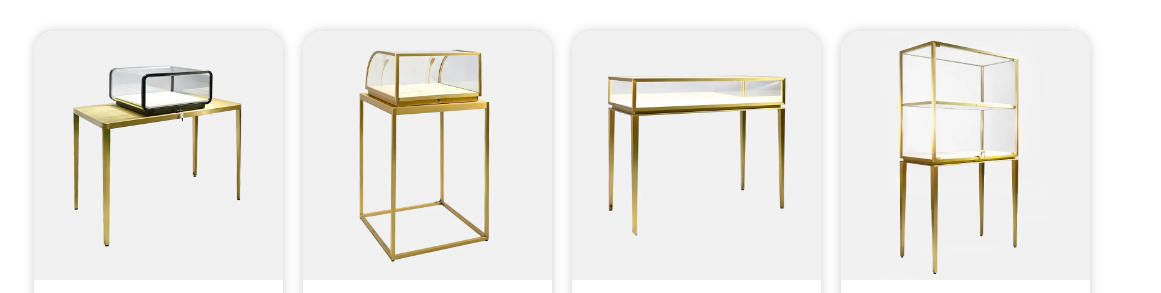
2. Material Selection and Durability
The material of the display case directly affects the display effect of the watches and the durability of the display case. For customized watch display cases, material selection is crucial. The following are some commonly used materials and their characteristics:
Glass
Glass is the most common choice for display cases, especially transparent glass, which can effectively display the details and overall design of the watches. High-quality glass, such as tempered glass and laminated glass, can ensure both visual effect and safety. Glass display cases are also relatively easy to clean, but require regular cleaning to maintain transparency and luster.
Wood
Wood is a material with a warm and high-end feel, suitable for display cases of high-end brands. Materials such as solid wood, composite wood, or wood veneer can present a natural texture, enhancing the display case's sense of stability and luxury. For watch display cases, the quality of the wood is crucial; choosing durable and moisture-resistant wood can extend the lifespan of the case.
Metal
Display cases made of metal (such as stainless steel, aluminum alloy, etc.) are suitable for modern or high-tech brands. Metal materials are not only sturdy and durable but also present a modern and minimalist aesthetic. The combination of a metal frame and glass panels is both simple and elegant, while also possessing a modern feel.
Leather and Fabric
Some high-end watch brands may choose leather or fabric materials as padding inside the display case to complement the watches' elegance and sophistication. These materials not only enhance the luxurious feel of the display case but also effectively prevent watches from being scratched.
3. Lighting Design
Lighting design plays a crucial role in watch display cases. Appropriate lighting can not only highlight the details and craftsmanship of the watches but also enhance the customer's shopping experience. The following aspects should be considered when choosing appropriate lighting:
Avoid overly strong lighting
Overly strong lighting can cause reflections, affecting customers' ability to observe the details of the watches, and may also negatively impact the materials of the watches, especially those with metal and leather straps. Therefore, the lighting should be soft and not dazzling, avoiding direct light on the watches.
Use LED lighting
LED lighting is the most commonly used option for display case lighting because of its energy efficiency, long lifespan, and low heat generation. Dimmable LED lights allow for flexible brightness adjustment, ensuring that the watches in the display case maintain optimal display effects at different times and in different environments.
Lighting color selection
The color temperature of the lighting is also crucial. Generally, warm white light can highlight the details and texture of the watches, while cool white light is suitable for brands with a strong technological feel. Choosing the appropriate color temperature and angle of light can better showcase the design features of the watches.
4. Space and Layout Design
The spatial layout of the display case directly affects the customer's perception and shopping experience. Reasonable space allocation ensures that each watch receives sufficient display space and attracts the customer's attention. Here are some considerations for layout design:
Number of watches displayed
The display case should not be overcrowded; there should be enough space to display each watch. Avoid displaying watches too densely, as this not only affects the visual effect but also makes it difficult for customers to clearly observe the details of each watch. Appropriate spacing makes each watch appear more refined.
Zoned Display
Displaying watches in zones based on type, function, or brand characteristics makes it easier for customers to find watches they are interested in. For example, dividing them into men's watches, women's watches, sports watches, luxury watches, etc., or arranging them by different series, makes the display more orderly and clear.
Flexibility and Adjustability
Watch display cases should have a certain degree of flexibility and can be adjusted according to different seasons, events, or promotional needs. Adjustable shelves or rotating display stands can easily display watches of different sizes and shapes.
5. Security and Protection
As high-value goods, the security of watch display cases requires special attention. The following are some key points to ensure the safe display of watches:
Anti-theft Design
Watch display cases should have an anti-theft design. Glass panels can be equipped with locks to prevent theft. At the same time, the structure of the display case should be stable to prevent watches from falling due to accidental collisions.
UV Protection Design
Prolonged exposure to ultraviolet light can cause watch straps to fade or be damaged. Therefore, choosing glass panels with UV protection can effectively reduce the damage caused by ultraviolet light to watches.
Shock-resistant Design
Especially in high-traffic areas, the shock resistance of the display case also needs to be considered to ensure that the display case can protect watches from damage in the event of unforeseen circumstances (such as earthquakes, collisions, etc.).
Customized watch display cases are not just simple display racks; they are an important embodiment of brand image and affect the customer's shopping experience. Choosing appropriate materials, designing a reasonable layout, carefully designing lighting, and ensuring security are all important factors that must be considered when customizing display cases. Through careful customization, the display case can better showcase the charm of watches, attract customers' attention, and enhance the brand's professional image.


 ਪੰਜਾਬੀ
 English
 عربى
عربى русский
 中文简体
中文简体