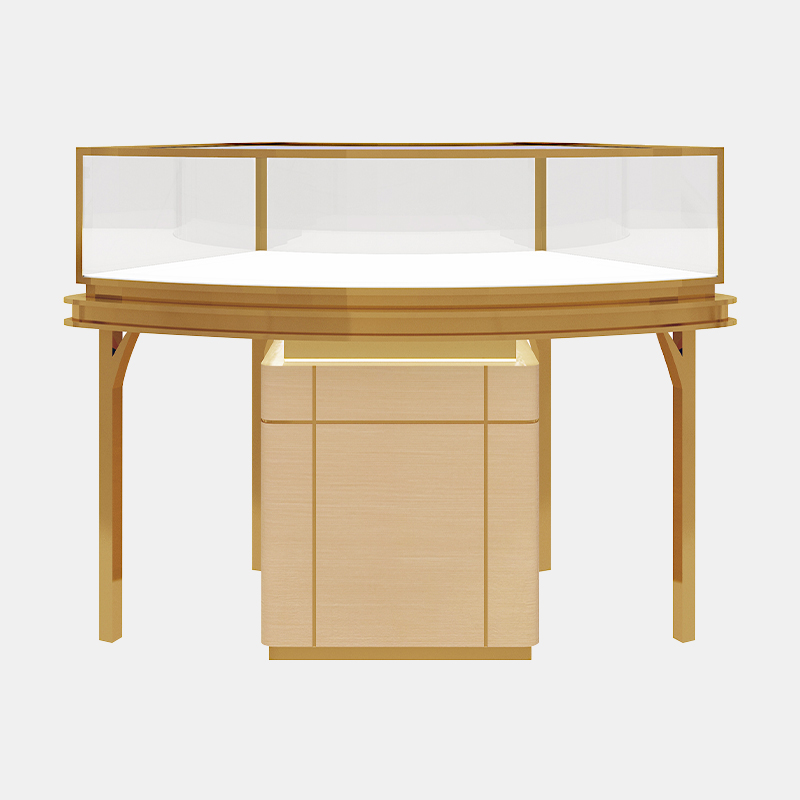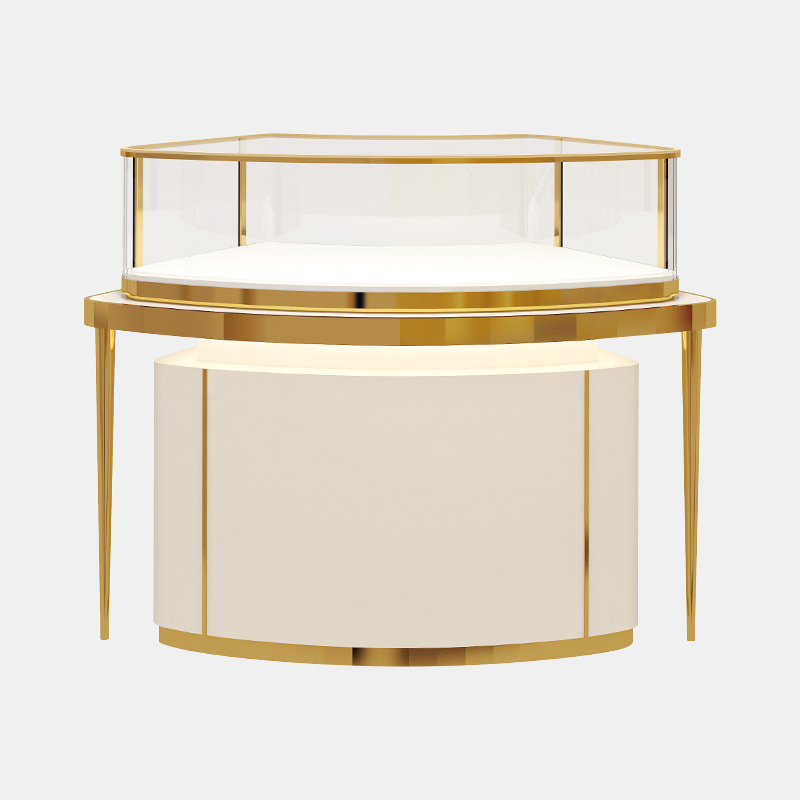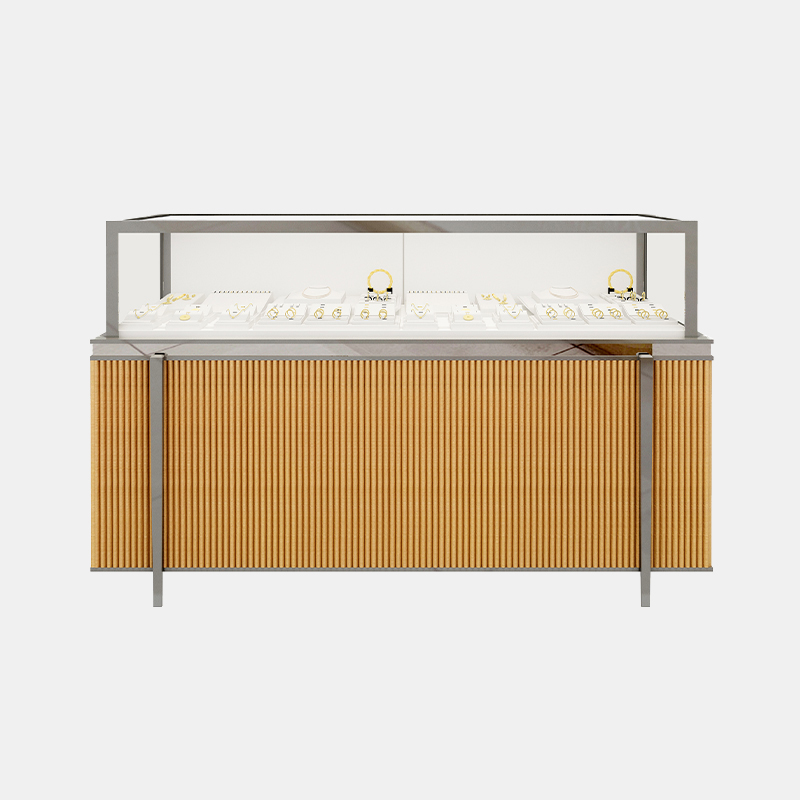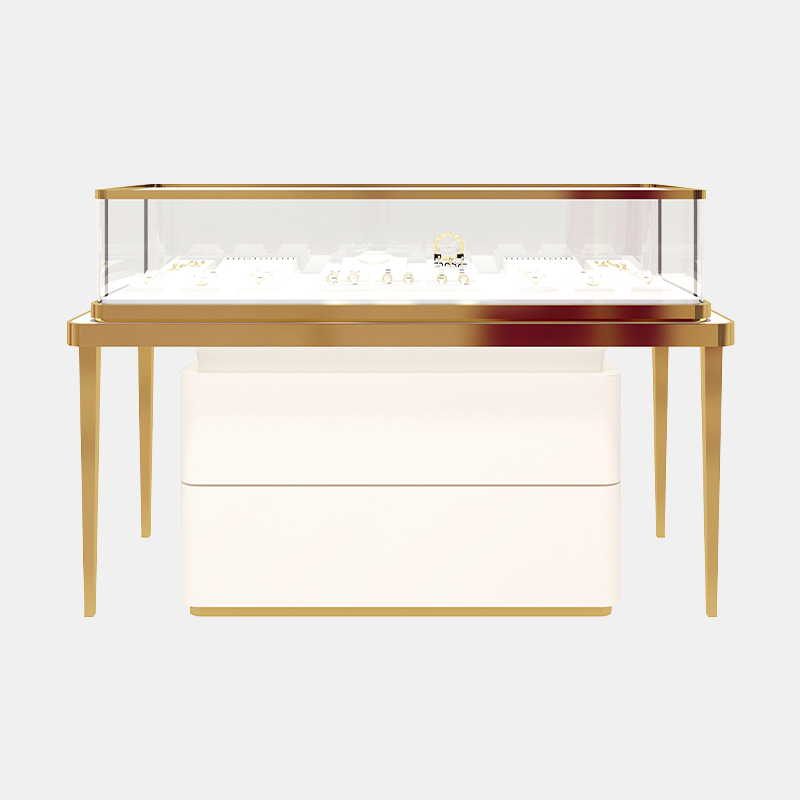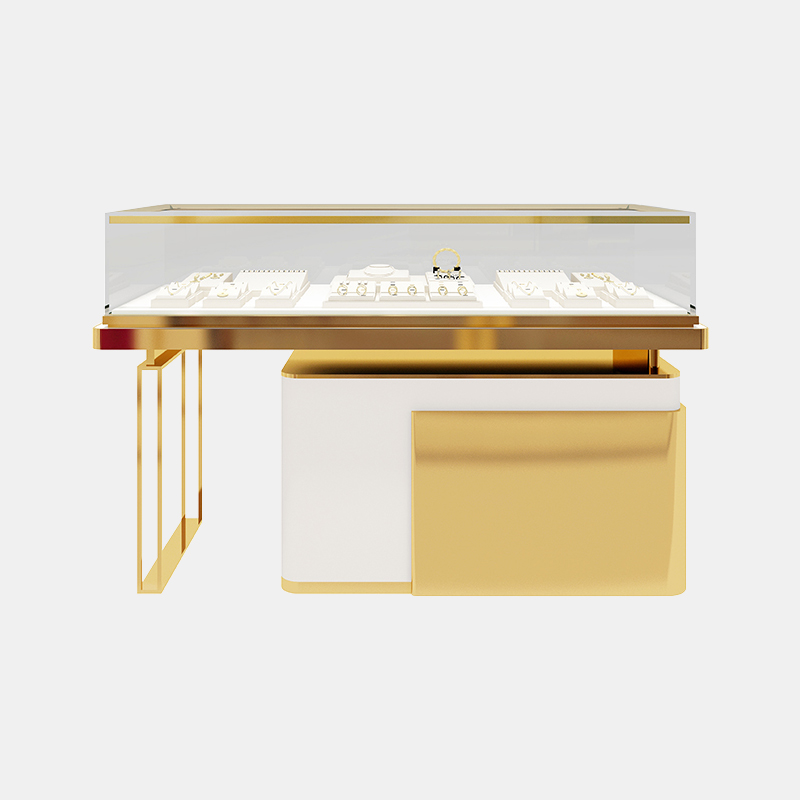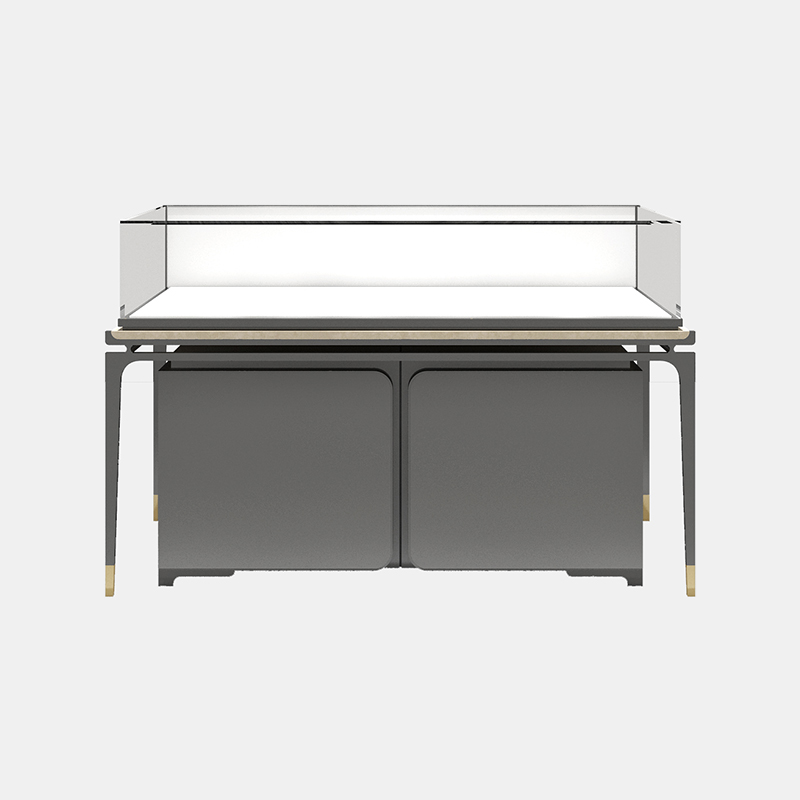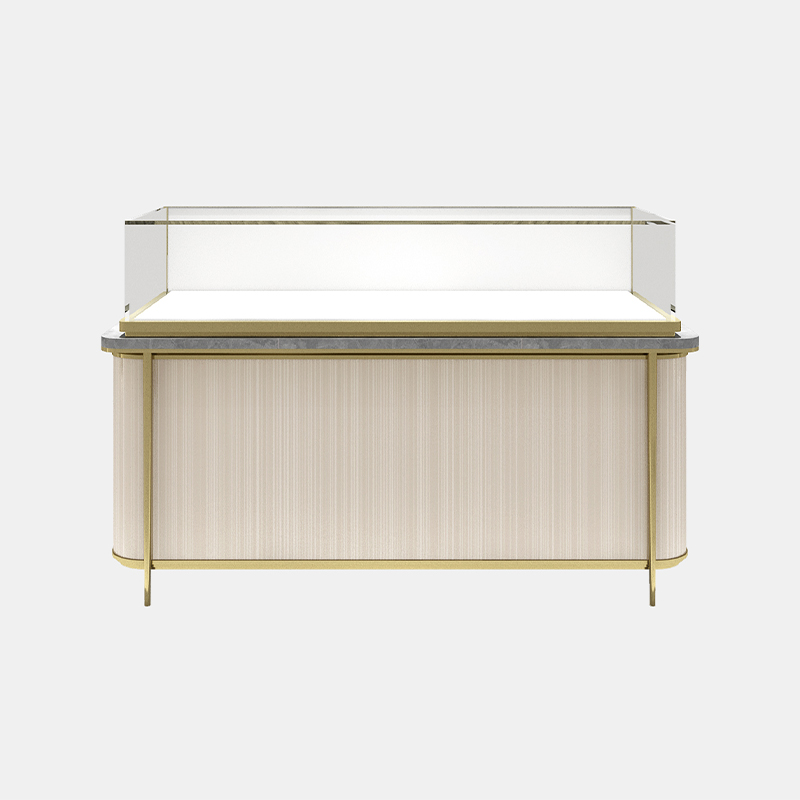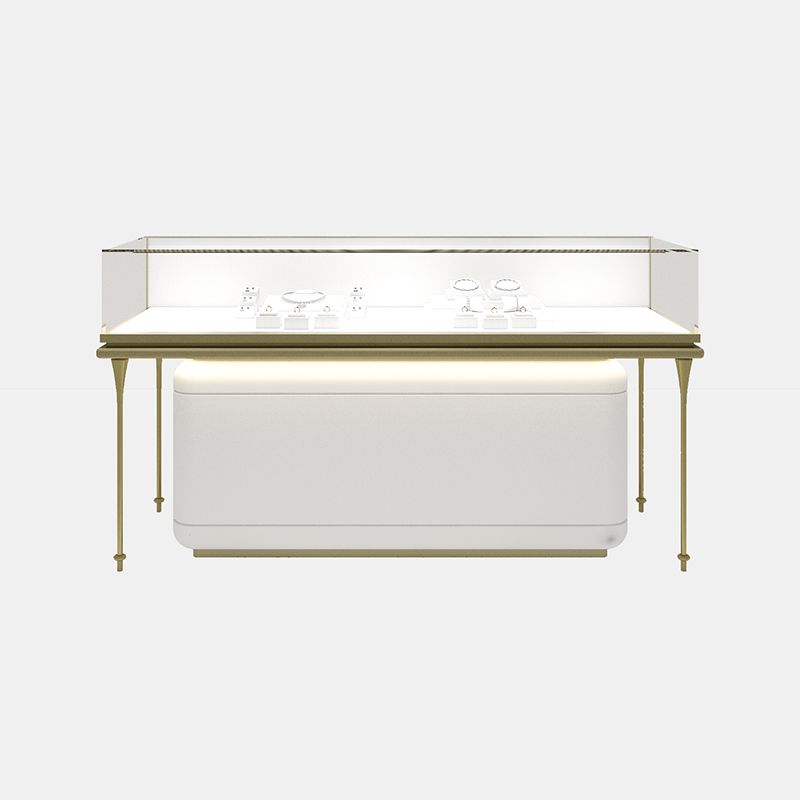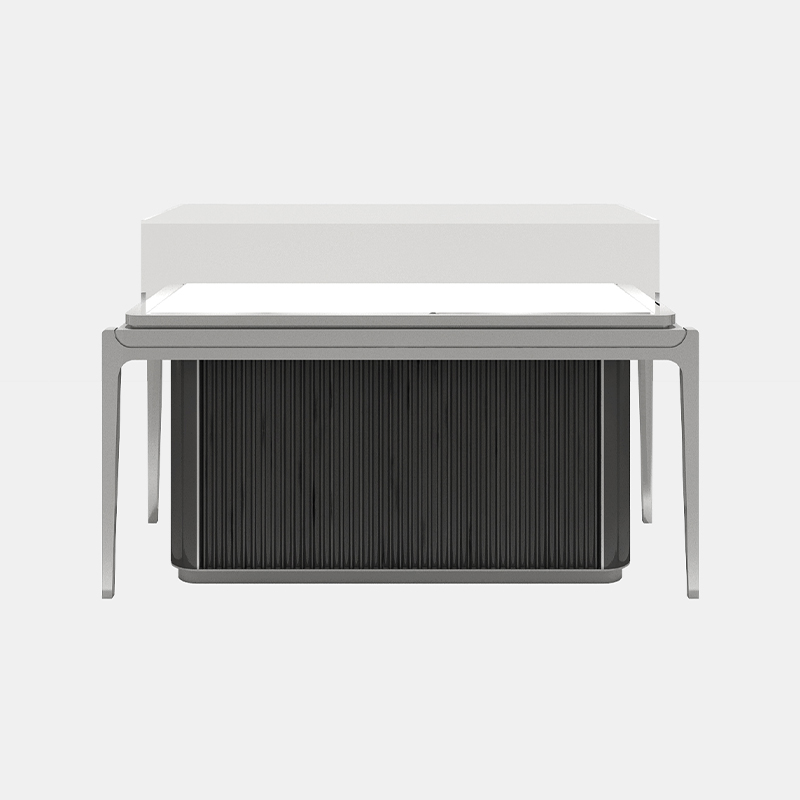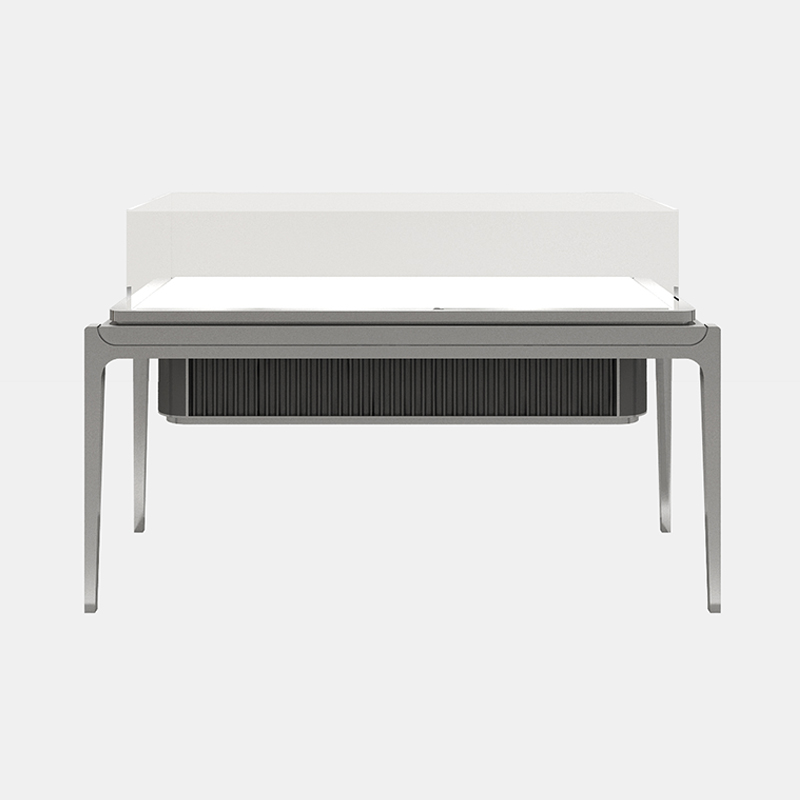
A well-organized cosmetics showcase can improve product visibility by up to 80% — and that directly translates into higher customer engagement, longer dwell time, and increased sales conversion. The difference between a cluttered counter and a thoughtfully structured display is not aesthetic preference; it is measurable retail performance. Studies in visual merchandising consistently show that shoppers make purchase decisions within the first 8 seconds of product contact, and display organization is the single most influential factor in whether a product gets noticed at all.
This article covers the principles, layout strategies, cabinet selection criteria, and lighting techniques that turn a cosmetics display into a high-performing retail asset — whether you are fitting out a single boutique counter or planning a multi-zone store environment.
Content
Cosmetics retail is a high-competition, visually driven environment. Customers browse, compare, and select products based primarily on what they can see and access easily. When a product is buried behind taller items, placed below eye level without differentiation, or grouped without clear logic, it effectively disappears from the shopper's consideration set — regardless of its quality or brand strength.
Research from retail analytics firms indicates that products displayed at eye level (approximately 140–160 cm from the floor) sell up to 35% more than identical products placed at floor level. When combined with proper lighting and organized category groupings, the cumulative visibility improvement reaches the 80% threshold referenced in most professional visual merchandising frameworks.
The three core drivers of cosmetics display visibility are: physical placement and height, category logic and flow, and lighting quality. All three must be addressed together — improving only one delivers diminishing returns.
The cabinet format you select defines the spatial logic of your entire display. Each configuration serves a different retail context and product density requirement.
| Cabinet Type | Best For | Visibility Strength | Space Efficiency |
|---|---|---|---|
| Freestanding Showcase | Floor displays, hero products | 360-degree | Moderate |
| Customized Cosmetics Wall Cabinets | Full product range, perimeter display | High (front-facing) | High |
| Counter Display Case | Premium SKUs, fragrance, skincare | High (enclosed, lit) | Moderate |
| Gondola / Island Unit | Self-service categories, high volume | Dual-side access | Very High |
| Customized Cosmetics Display Showcase | Brand flagship zones, unique layouts | Brand-defined | Fully optimized |
Standard off-the-shelf display units serve generic retail needs. Customized cosmetics cabinets become the correct choice when your store layout has non-standard dimensions, when your product mix requires specific shelf depths or angled display surfaces, or when brand identity requires a distinctive visual language that generic cabinets cannot deliver.
Custom cabinets also allow integration of brand-specific lighting positions, lockable sections for high-value products, adjustable shelf systems for SKU range changes, and modular expansion as your product line grows. Retailers who invest in custom solutions report 15–25% higher product interaction rates compared to those using standard shelving, because the display is engineered to the product rather than the other way around.
Organizing a cosmetics showcase for maximum visibility requires applying proven retail layout principles systematically. The following five principles form the foundation of high-performing display organization.
Divide your display vertically into three zones: reach zone (above 170 cm), eye-level zone (120–170 cm), and floor zone (below 120 cm). The eye-level zone generates approximately 60–70% of total purchase decisions in a cosmetics display. Place your highest-margin products, newest launches, and hero SKUs in this zone without exception. Use the reach zone for aspirational items or brand imagery. Reserve the floor zone for bulk, replenishment stock, or products with loyal repeat buyers who will actively seek them.
Category blocking groups all lipsticks together, all foundations together, and so on — regardless of brand. Brand blocking groups all products from one brand together regardless of category. For multi-brand retailers, category blocking increases basket size by an average of 18% because it facilitates comparison and cross-product discovery. For single-brand or flagship stores, brand blocking reinforces brand identity and lifestyle narrative. Choose based on your retail model, and be consistent — mixed approaches create visual confusion that reduces visibility for all products.
Arrange products within each category in a deliberate color sequence — typically light to dark from left to right, or cool to warm tones from top to bottom. This creates a visual gradient that the eye follows naturally, increasing the number of individual products a shopper notices during a single scan. Random color placement forces the eye to stop and restart repeatedly, reducing total products viewed per minute by up to 30%.
Every product should face forward with its label, color, and brand mark fully visible from the customer's approach angle. Pull all products to the front edge of the shelf — a practice called facing or fronting. Gaps between products should be eliminated by tightening spacing, not by moving items to random positions. A consistently faced display looks fully stocked and well-maintained, which increases perceived product quality and brand trust.
Overcrowding is the most common visibility error in cosmetics displays. When every available surface is packed, no single product stands out. Intentional negative space — leaving gaps between product groups, using risers to create height variation, or placing a hero product on a dedicated pedestal — directs attention and creates visual hierarchy. Premium cosmetics categories in particular benefit from reduced density: a display with 20% less product density in the luxury tier shows a 25% increase in individual product interaction.
Lighting is the single highest-return investment in a cosmetics showcase environment. Poorly lit products look flat, colors appear muted, and texture and finish details that differentiate premium cosmetics from mass-market alternatives become invisible to shoppers. Correct lighting solves all of these problems simultaneously.
For cosmetics displays, always specify lighting with a CRI of 90 or above. CRI measures how accurately a light source renders object colors compared to natural daylight. At CRI 80 (standard retail LED), lipstick shades look flat and foundations appear shifted in undertone. At CRI 95+, colors are rendered with the accuracy that allows customers to trust what they see — which directly reduces returns and increases purchase confidence.
Different cosmetics categories perform better under different color temperatures:
Integrated shelf-edge LED strips or top-mounted spotlights built into a customized cosmetics display showcase outperform external general retail lighting in almost every visibility metric. Integrated lighting eliminates shadows between shelf levels, creates a glowing product presentation effect, and allows color temperature to be calibrated precisely to the products displayed on each shelf. External ceiling lighting, by contrast, creates harsh top-down shadows that obscure product labels and diminish color accuracy.
Wall space is the most underutilized asset in most cosmetics retail environments. Customized cosmetics wall cabinets transform vertical wall surfaces into structured, high-density display zones that can accommodate three to four times more SKUs than an equivalent floor footprint of standard shelving — without creating visual clutter when organized correctly.
Effective wall cabinet design for cosmetics incorporates several specific features:
Working with a professional cosmetics showcase supplier or cosmetics cabinets manufacturer on a custom project requires a structured brief that communicates your retail objectives, spatial constraints, product mix, and brand standards clearly. Incomplete briefs lead to revisions, delays, and designs that solve the wrong problem.
A complete brief for a custom display project should include the following information:
Zhejiang SUNTOP Commercial Display Products Co., Ltd. was established in 2009 and specializes in creating commercial display spaces. The company integrates design planning, display cabinet and prop production, and decoration and renovation contracting management, to create a display space for customers that better fits their positioning.
At present, the factory covers an area of 25 acres, with a floor space of up to 25,000 square meters and an annual capacity exceeding 100 million. As a trusted partner for commercial cosmetics display projects, SUNTOP delivers integrated solutions from design concept through to installation, supporting retailers in creating display environments that maximize product visibility, brand impact, and sales performance.


 ਪੰਜਾਬੀ
 English
 عربى
عربى русский
 中文简体
中文简体