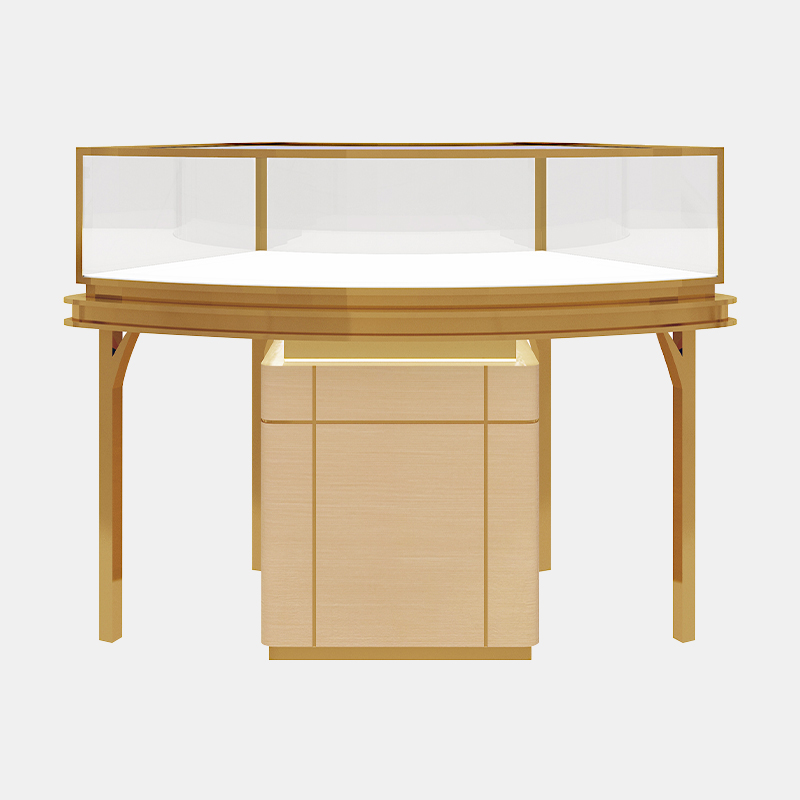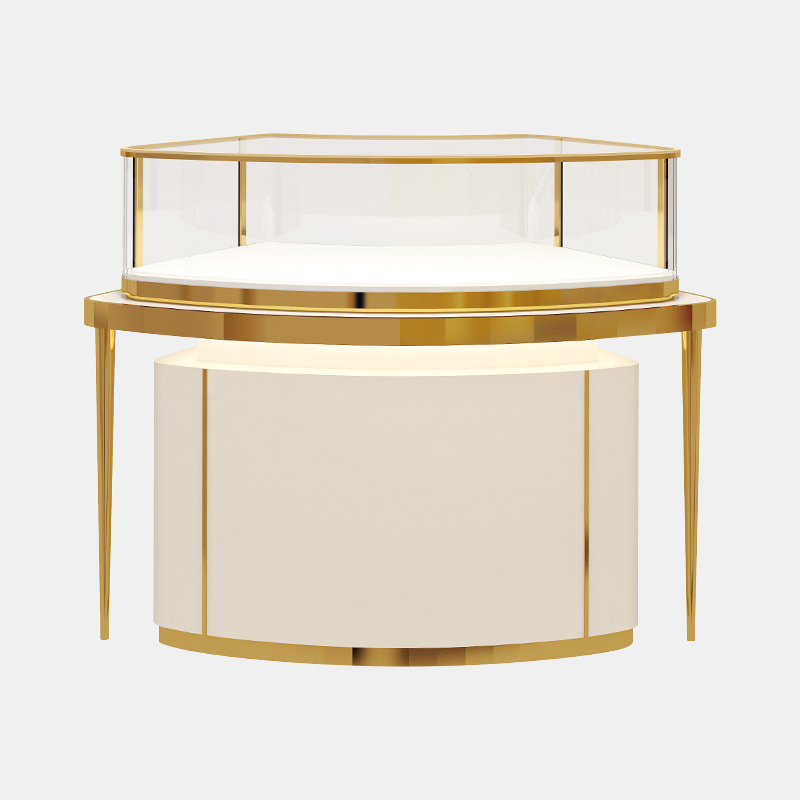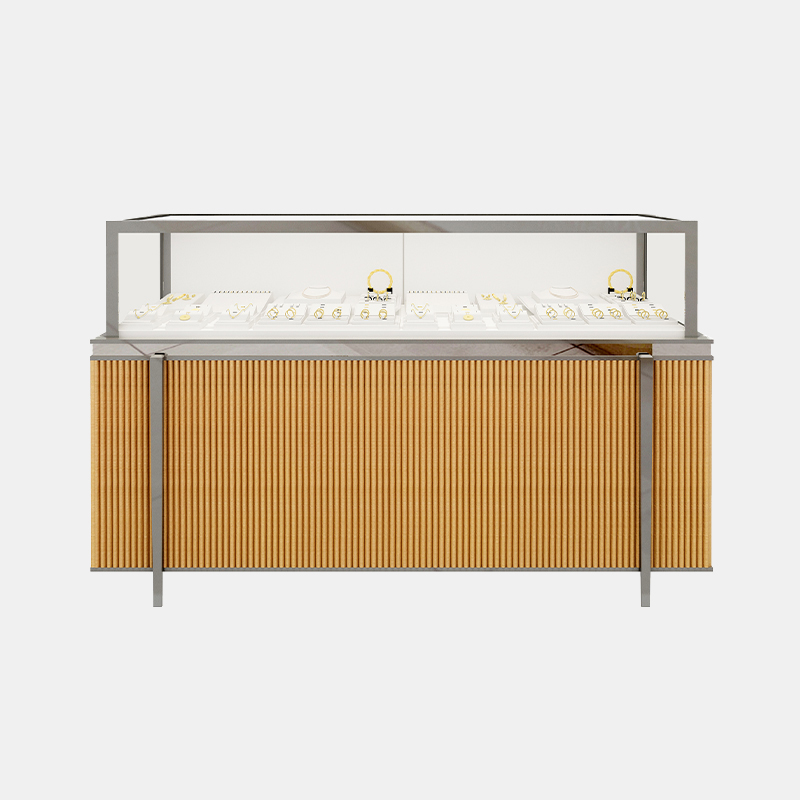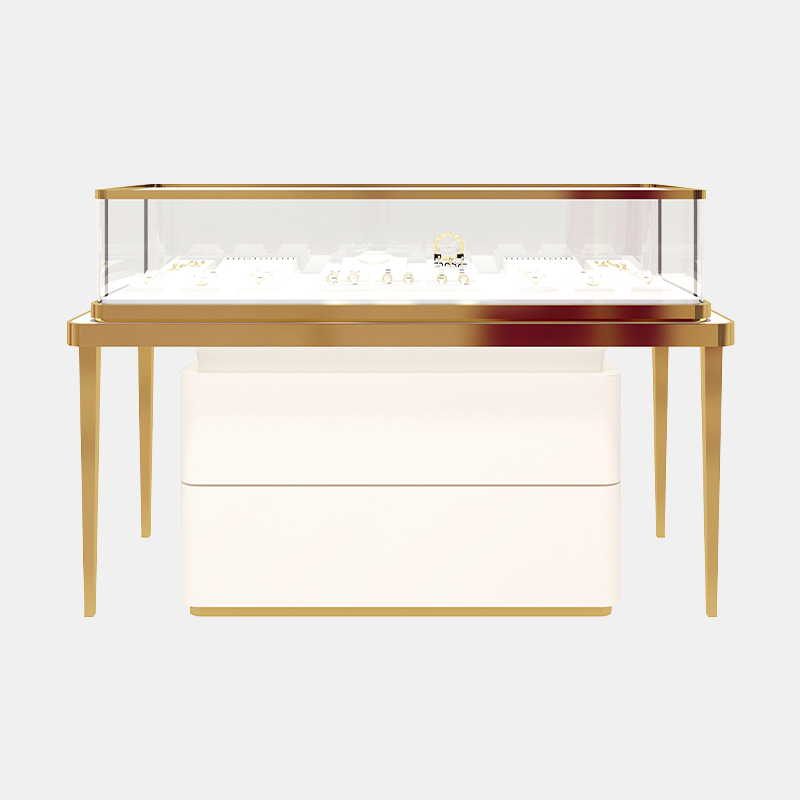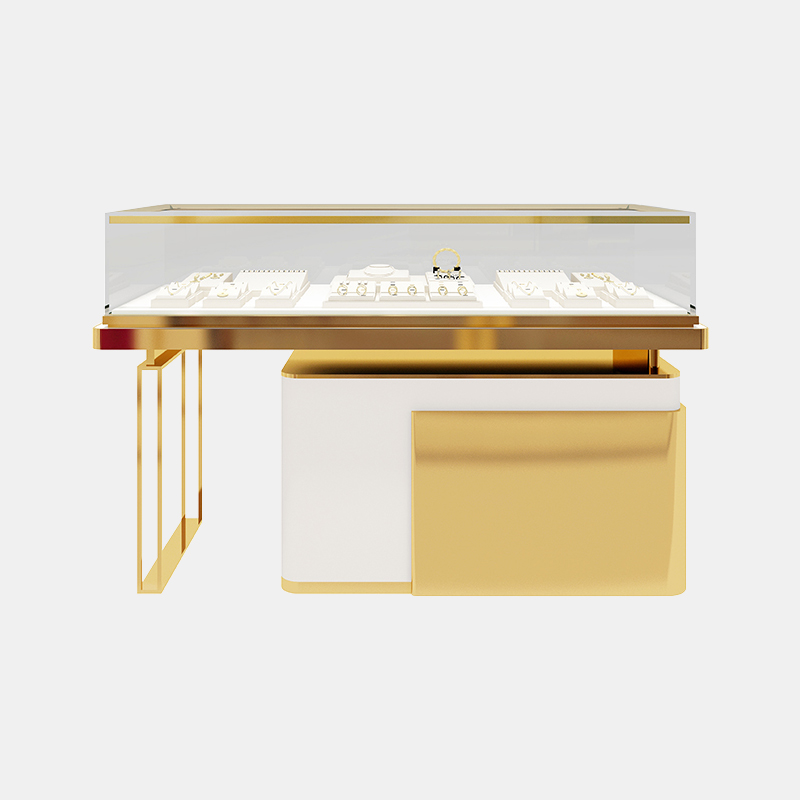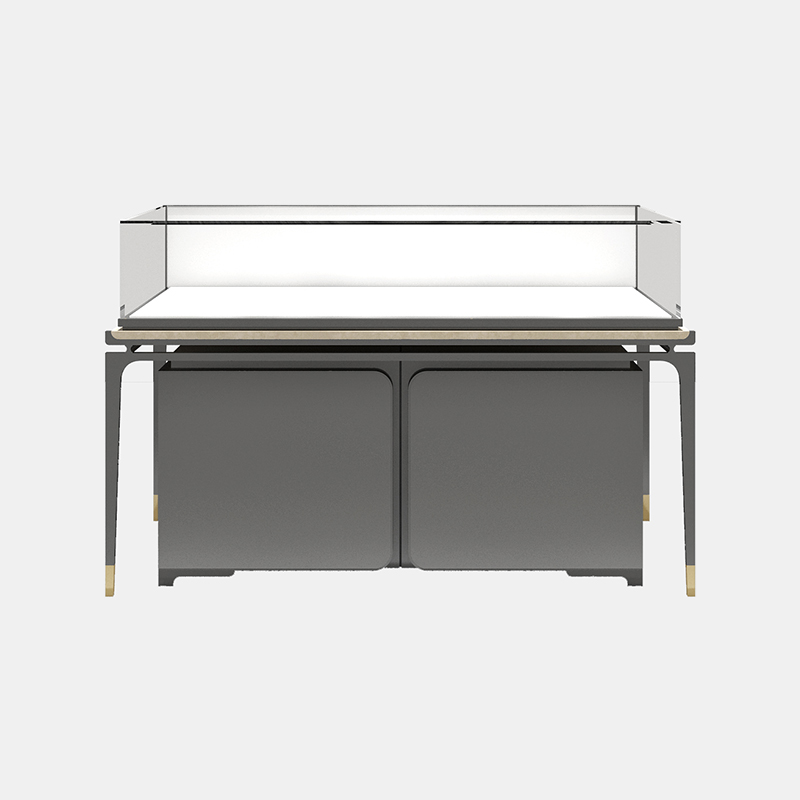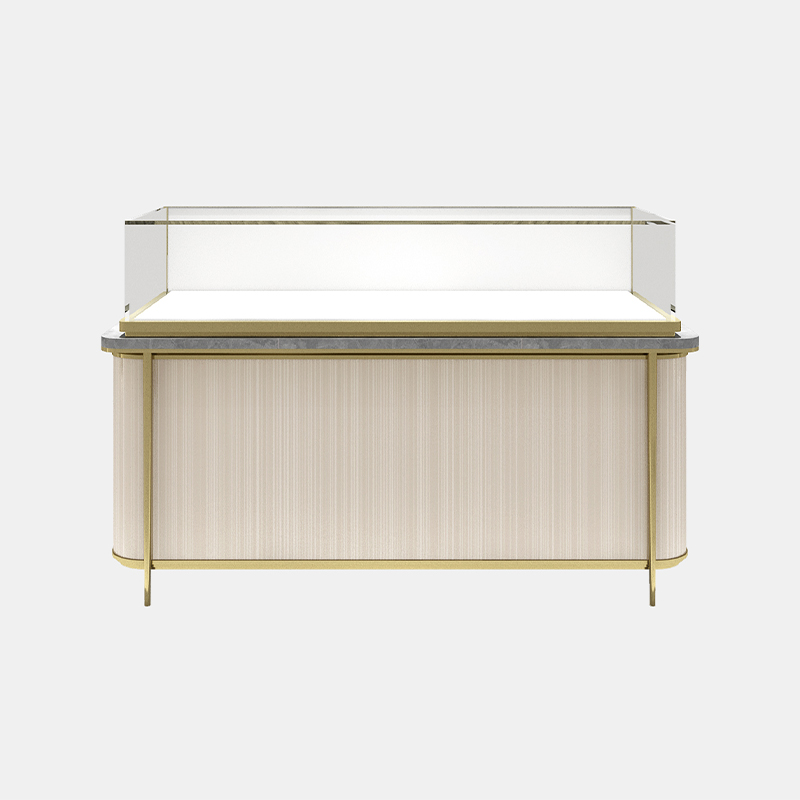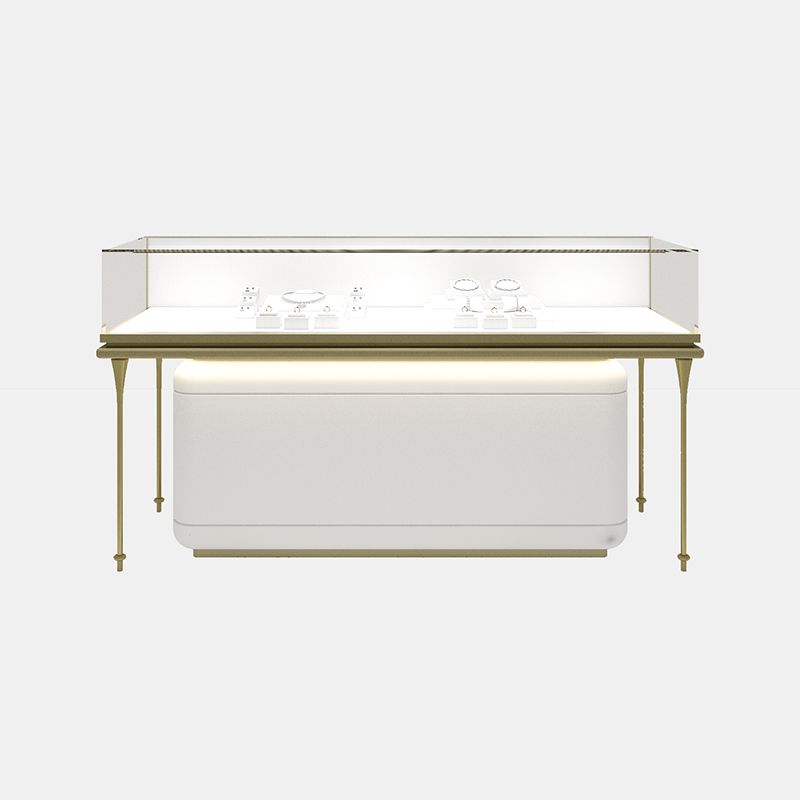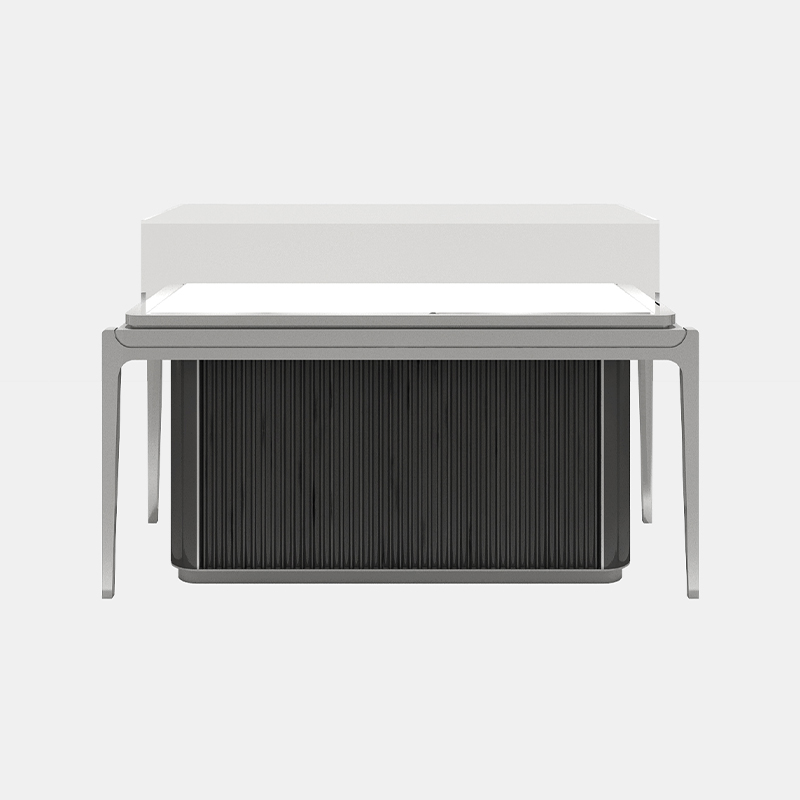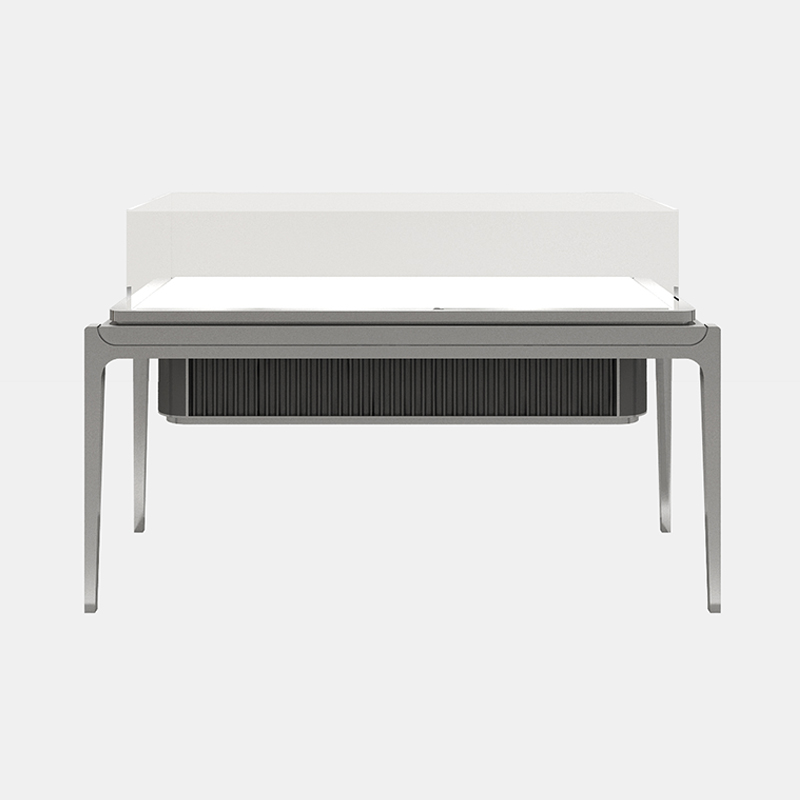
Yes — a well-designed jewelry showcase can meaningfully increase jewelry sales, often by 20–40% compared to open or unstructured displays. The way jewelry is presented directly influences how customers perceive its value, how long they spend browsing, and ultimately whether they make a purchase. A professional jewelry showcase does far more than store inventory; it frames each piece as desirable, positions the brand as credible, and guides the customer's eye toward high-margin items.
Retail psychology research consistently shows that visual merchandising accounts for up to 70% of purchasing decisions made in-store. For jewelry — a category where perceived value, sparkle, and tactile appeal are paramount — the display environment is not secondary to the product. It is part of the product experience. From glass-fronted jewelry cabinets on the sales floor to illuminated jewelry wall showcases lining the perimeter of a store, every display decision shapes customer behavior and revenue outcomes.
Content
The connection between display quality and purchase intent is rooted in cognitive psychology. When customers enter a jewelry store, their brains rapidly assess the environment for cues about quality, trustworthiness, and product desirability. A professionally manufactured jewelry showcase sends clear signals: this product is worth protecting, worth illuminating, and worth your attention.
Integrated LED lighting — standard in high-quality jewelry showcases — dramatically affects how gemstones and metals appear to the eye. Research from the Lighting Research Center found that jewelry illuminated at 3,000–4,000 Kelvin with a Color Rendering Index (CRI) of 90+ appears 35–50% more brilliant than the same pieces viewed under standard ambient retail lighting. This directly translates into higher perceived value and greater purchase intent. A jewelry showcase that optimizes internal lighting is, in effect, continuously enhancing every item it holds.
Locked glass jewelry cabinets also reinforce the message that what is inside is genuinely valuable. Customers associate secured displays with authenticity and quality. Open-tray displays, by contrast, can inadvertently signal lower value — even when the merchandise is identical. This "scarcity and exclusivity" cue is a well-documented driver of luxury purchasing behavior.
Different showcase configurations serve different merchandising goals. Understanding which format to use — and where — is essential for maximizing their sales contribution.
| Showcase Type | Best Placement | Primary Sales Function | Typical Revenue Lift |
|---|---|---|---|
| Countertop Jewelry Showcase | Sales counter, point of service | Close-up viewing, add-on sales | 15–25% |
| Freestanding Jewelry Cabinets | Store floor, central display zone | Traffic flow, 360° browsing | 20–35% |
| Jewelry Wall Showcase | Perimeter walls, category zones | Large-volume display, brand story | 25–40% |
| Jewelry Wall Cabinets | Back wall, feature collections | Hero product focus, premium feel | 20–30% |
| Tower / Rotating Showcase | Entrance area, high-traffic spots | Impulse viewing, customer draw | 10–20% |
A jewelry wall showcase transforms unused wall space into a high-impact display area. Floor-to-ceiling illuminated wall systems can display 3 to 5 times more SKUs per square meter than countertop cases, allowing retailers to segment collections by metal type, gemstone, or price tier without crowding the sales floor. Well-organized jewelry wall showcases also reduce staff consultation time — customers pre-select items of interest before approaching the counter, making the sales conversation more efficient and conversion-focused.
Jewelry wall cabinets with backlit shelving and integrated mirrors create focal points that draw customers deeper into the store. Retailers who install a dedicated feature wall using jewelry wall cabinets report that customers spend an average of 40% longer in the store — and longer dwell time is one of the strongest predictors of higher average transaction value.
Not all jewelry showcases are equally effective. The following features distinguish high-performing display systems from generic alternatives:
Estimated Sales Contribution by Showcase Feature (%)
Figure 1: Estimated relative sales contribution of individual jewelry showcase features based on retail merchandising studies
The placement of jewelry showcases is as important as their design. Retail traffic studies show that customers in a jewelry store follow predictable movement patterns — typically turning right upon entry and moving counterclockwise. Strategic placement of jewelry cabinets and showcases along these natural pathways ensures maximum exposure to high-margin items.
Retailers who implement a coherent, zone-based showcase strategy — combining jewelry wall showcases, freestanding jewelry cabinets, and countertop display units — report average sales increases of 28–42% within the first six months of a store redesign.
The difference between a generic display cabinet and a purpose-built jewelry showcase is significant — both in construction quality and commercial outcome. A professional manufacturer of jewelry showcase integrates design expertise, material science, and retail merchandising knowledge into every unit. This results in showcases that are structurally sound, visually optimized, and built to withstand years of daily commercial use.
Key advantages of working with a specialized jewelry showcase manufacturer include:
Monthly Sales Index Before and After Professional Jewelry Showcase Installation
Figure 2: Illustrative sales index trend showing typical uplift following professional jewelry showcase installation
Even high-quality jewelry showcases underperform when set up incorrectly. The following are the most common merchandising errors and how to avoid them:
Zhejiang SUNTOP Commercial Display Products Co., Ltd. was established in 2009 and has since grown into a leading specialist in commercial display space solutions. The company integrates design planning, display cabinet and prop production, and decoration and renovation contracting management to create display environments that precisely fit each client's brand positioning and commercial objectives.
As a professional manufacturer of jewelry showcase systems, SUNTOP brings together deep expertise in jewelry cabinets, jewelry wall showcases, and jewelry wall cabinets to serve retailers worldwide. The factory covers an area of 25 acres, with floor space of up to 25,000 square meters and an annual production capacity exceeding 100 million RMB. With proven capabilities across the full spectrum of commercial display — from concept and design through to production and on-site installation — SUNTOP is committed to helping jewelry retailers create spaces that elevate their brand and drive measurable sales results.
Q1: What type of jewelry showcase is best for a small retail store?
A: For small retail spaces, a combination of a countertop jewelry showcase and a jewelry wall showcase along the perimeter is typically most effective. Wall-mounted display systems maximize vertical space without consuming floor area, while a countertop unit at the service desk keeps key items accessible. This layout can double displayable inventory within the same square footage.
Q2: How important is lighting in a jewelry showcase?
A: Lighting is arguably the single most important factor in jewelry showcase performance. High-CRI LED lighting (CRI 90 or above) makes gemstones appear more brilliant and metals more lustrous — directly increasing perceived value and purchase intent. Studies indicate that correctly specified showcase lighting alone can increase jewelry sales by 25–35% compared to standard ambient retail illumination.
Q3: Can jewelry wall cabinets be customized to fit specific store dimensions?
A: Yes. Working with a professional manufacturer of jewelry showcase allows full customization of dimensions, finishes, internal shelf configurations, lighting color temperature, and hardware details. Custom-built jewelry wall cabinets achieve a seamless, built-in appearance that significantly elevates store aesthetics compared to off-the-shelf alternatives.
Q4: How often should I rearrange items in my jewelry cabinets?
A: A general best practice is to rotate featured pieces every 2–4 weeks and refresh the overall display layout seasonally (every 3 months). Regular updates give returning customers new reasons to browse and prevent the "eye fatigue" that occurs when a display becomes too familiar. Even small changes — swapping display props, adjusting shelf heights, or highlighting a new collection — can meaningfully increase browsing time and conversion rates.
Q5: What materials are commonly used in professional jewelry showcases?
A: High-quality jewelry showcases typically feature low-iron tempered glass panels, aluminum or stainless steel frame profiles, MDF or solid wood carcasses with lacquered or veneered finishes, and brushed or polished metal hardware. Interior surfaces often use mirror glass or velvet-lined trays to enhance visual presentation. The choice of materials should reflect the store's brand tier — from polished contemporary metals for modern concepts to warm timber finishes for classic or bespoke jewelry environments.


 ਪੰਜਾਬੀ
 English
 عربى
عربى русский
 中文简体
中文简体