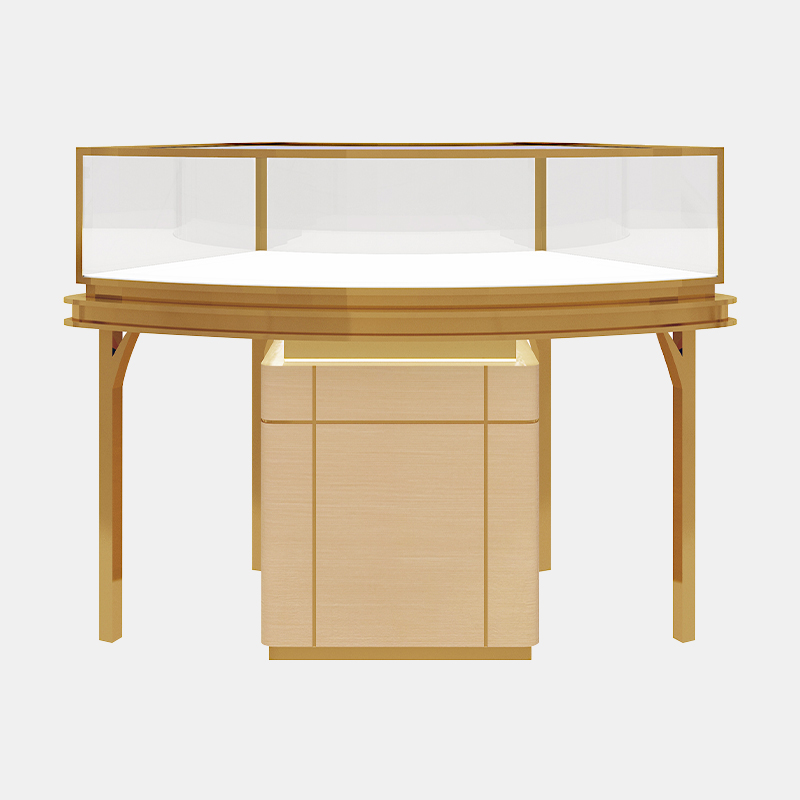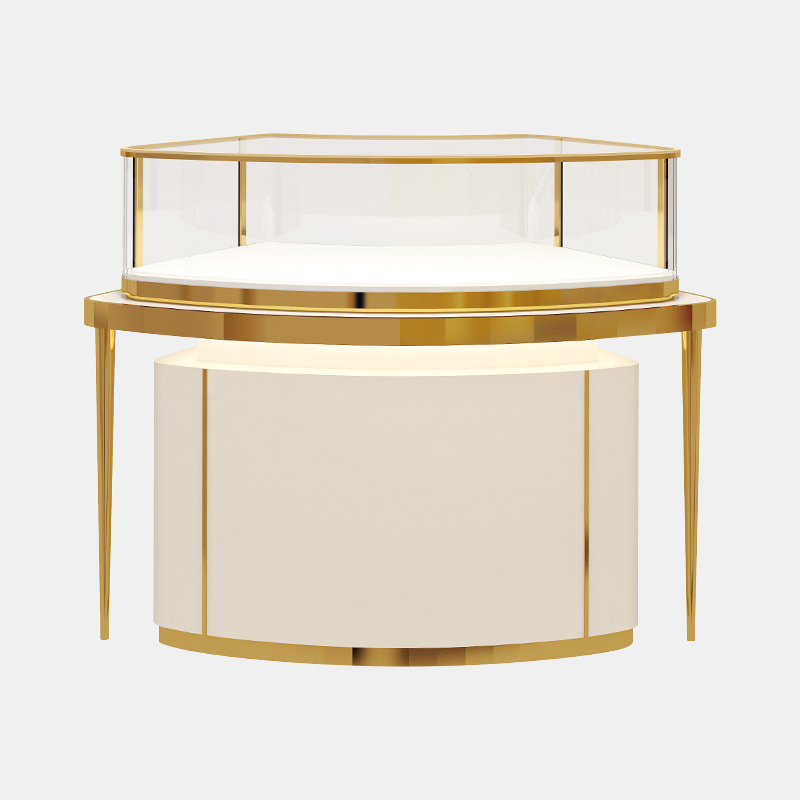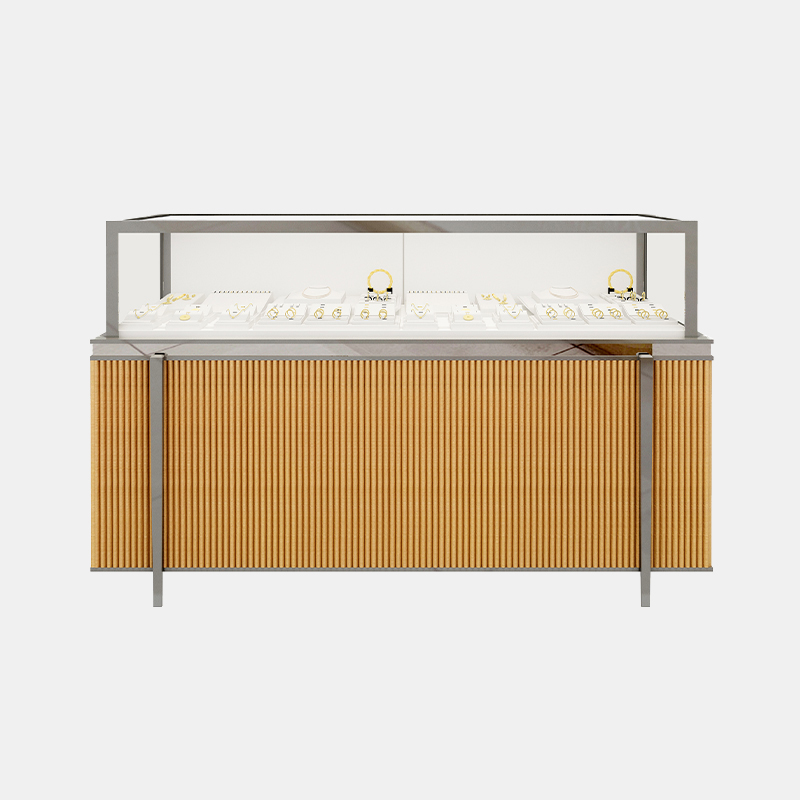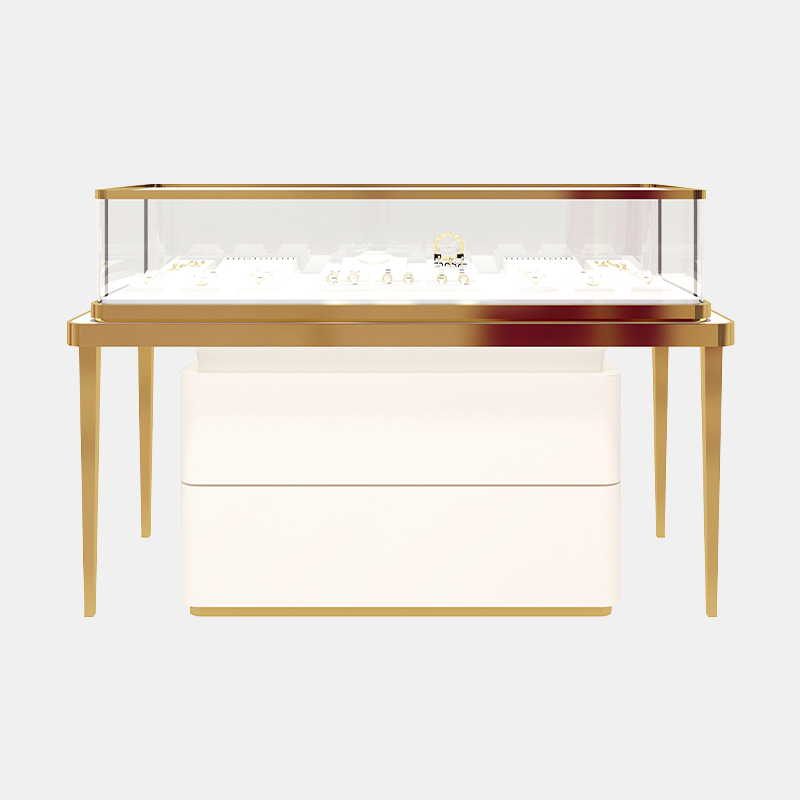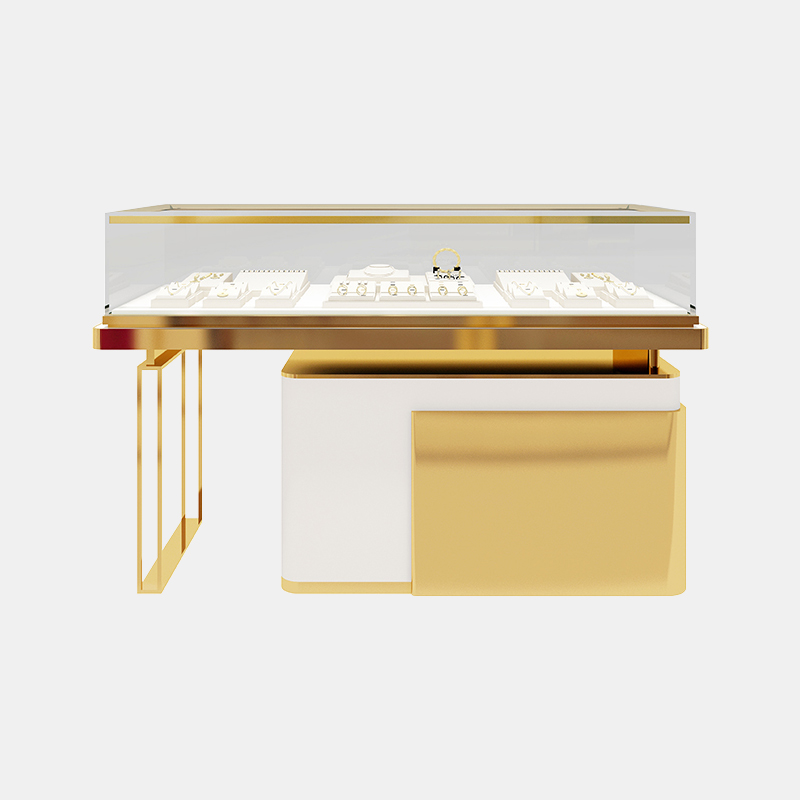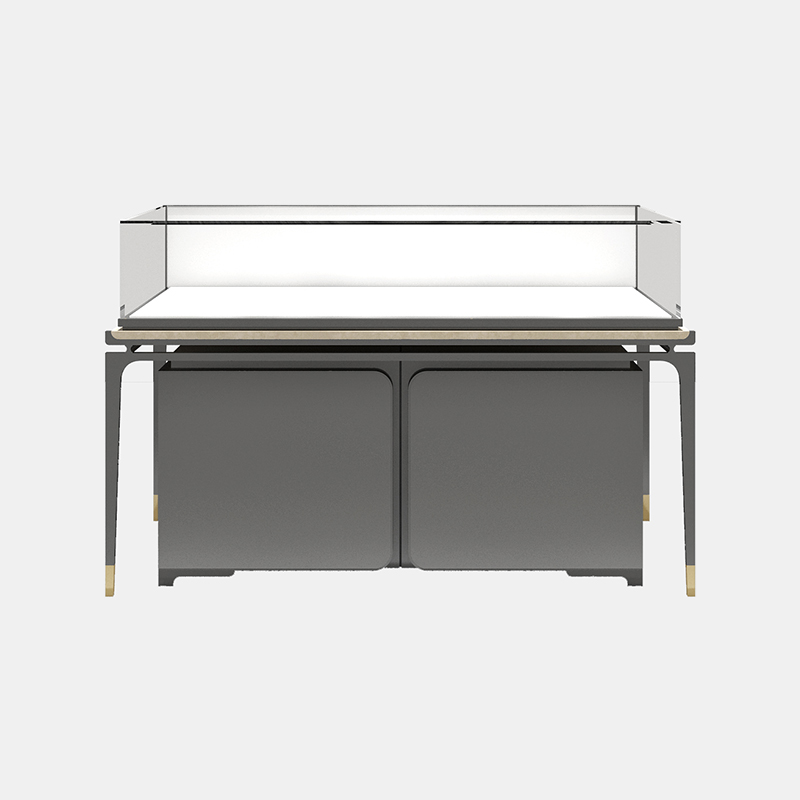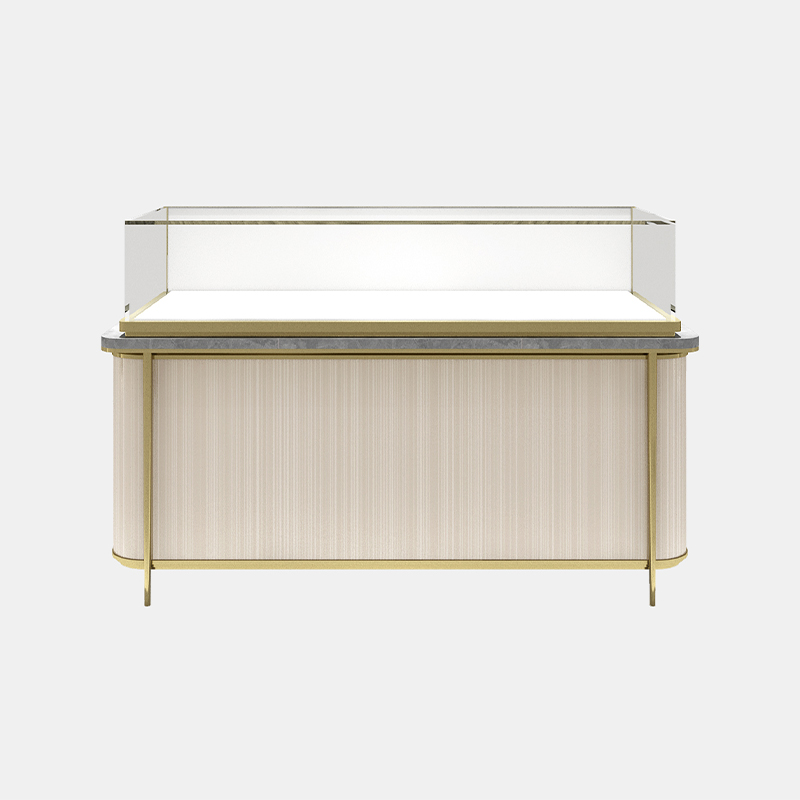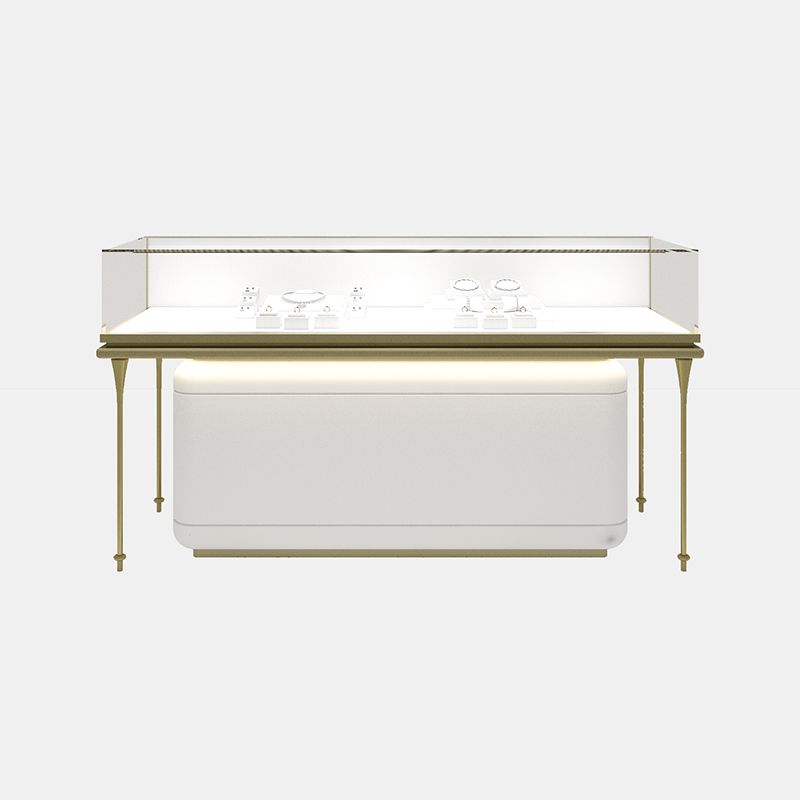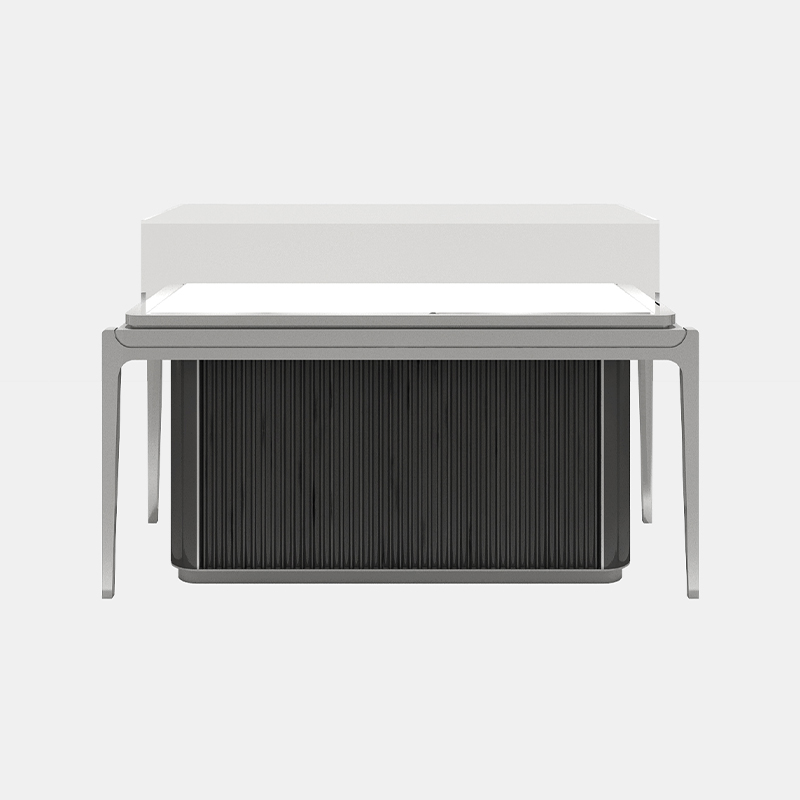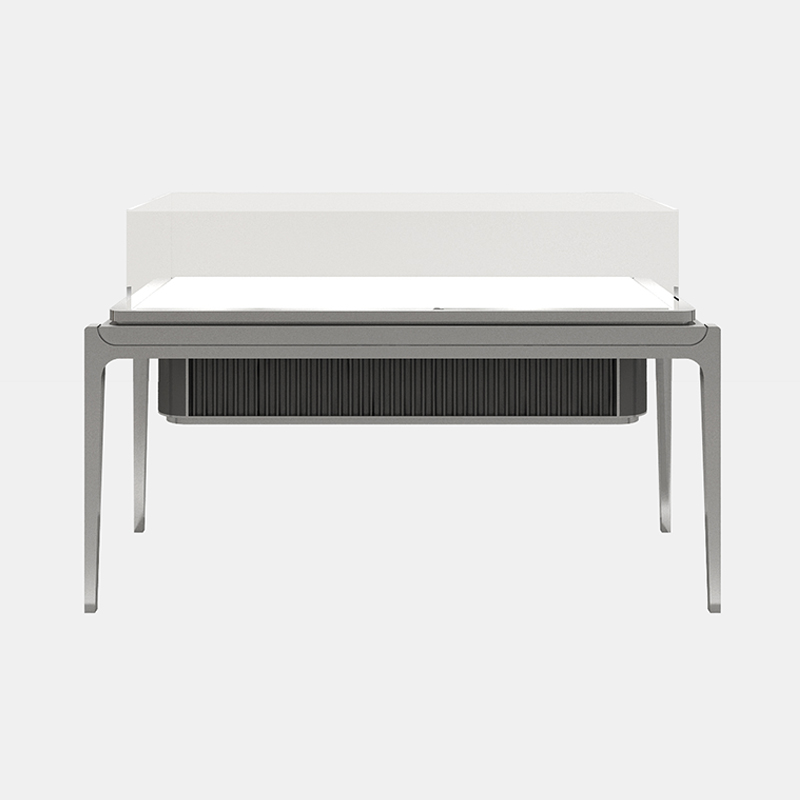
A Museum Display Cabine is primarily used to protect, preserve, and showcase valuable artifacts while enhancing visibility and visitor engagement. It provides a controlled environment that shields items from dust, light, humidity, and physical damage, while presenting them in an organized and visually appealing way.
Content
One of the most important functions of a Museum Display Cabine is protection. Artifacts such as historical documents, sculptures, and rare objects are often fragile and sensitive to environmental conditions.
Display cabinets act as a physical barrier, preventing direct contact and reducing exposure to harmful elements.
Proper display solutions can reduce physical damage risks by over 50% in high-traffic environments.
Environmental control is critical for preserving sensitive materials. Museum Display Cabine systems are often designed to regulate humidity, temperature, and light exposure.
| Material Type | Humidity Level | Light Sensitivity |
|---|---|---|
| Paper | 45%-55% | High |
| Textiles | 50%-60% | High |
| Metal | 35%-45% | Low |
Maintaining these conditions helps extend the lifespan of exhibits and prevents degradation.
Museum Display Cabine solutions are designed not only for protection but also for presentation. Proper lighting, layout, and transparency improve how visitors perceive exhibits.
Well-designed display cabinets can increase visitor engagement by 30%–40% by making exhibits more accessible and visually appealing.
Security is another essential function of a Museum Display Cabine. Many cabinets are equipped with locking systems and reinforced glass to prevent theft or tampering.
In museums and exhibitions, secure display systems can reduce theft incidents by over 60% when combined with surveillance systems.
Modern Museum Display Cabine designs are highly customizable, allowing institutions to adapt displays based on different exhibitions and themes.
This flexibility allows museums to refresh displays efficiently and keep exhibitions engaging.
| Feature | Without Cabinet | With Cabinet |
|---|---|---|
| Protection Level | Low | High |
| Visitor Engagement | Moderate | High |
| Preservation Quality | Low | High |
Zhejiang SUNTOP Commercial Display Products Co., Ltd was established in 2009 and specializes in creating commercial display spaces.
The company integrates design planning, display cabinet production, and decoration management to deliver customized display solutions that align with client positioning.
The factory covers 25 acres with a floor space of 25,000 square meters and an annual production capacity exceeding 100 million, supporting large-scale and high-quality production.
A1: Common materials include glass, metal, and wood for durability and visibility.
A2: Yes, many cabinets are designed to control humidity levels for preservation.
A3: Yes, modern cabinets can be tailored to fit different exhibition needs.
A4: They ensure protection, preservation, and effective presentation of valuable artifacts.


 ਪੰਜਾਬੀ
 English
 عربى
عربى русский
 中文简体
中文简体