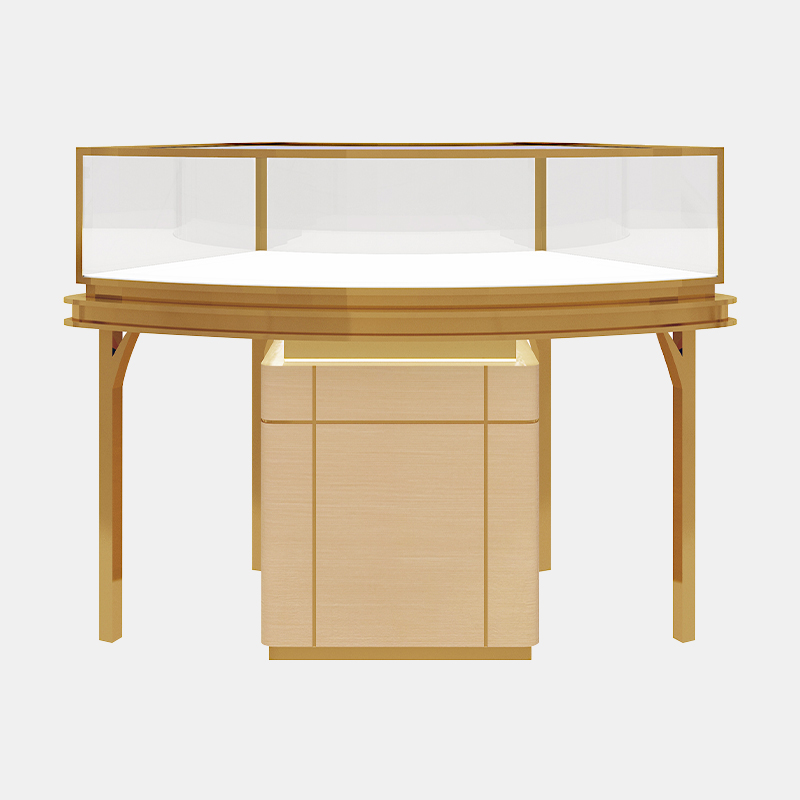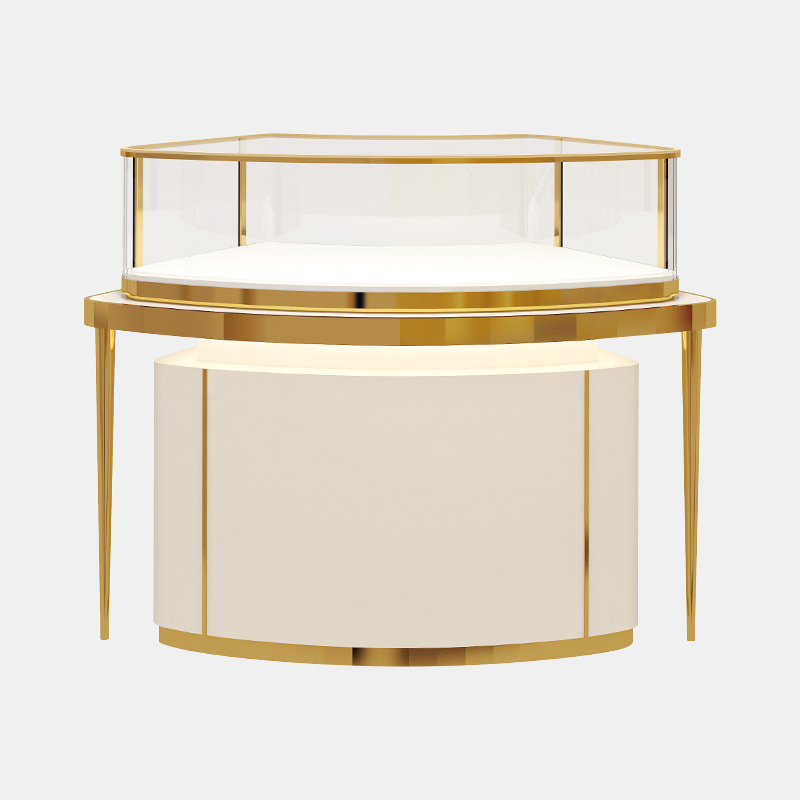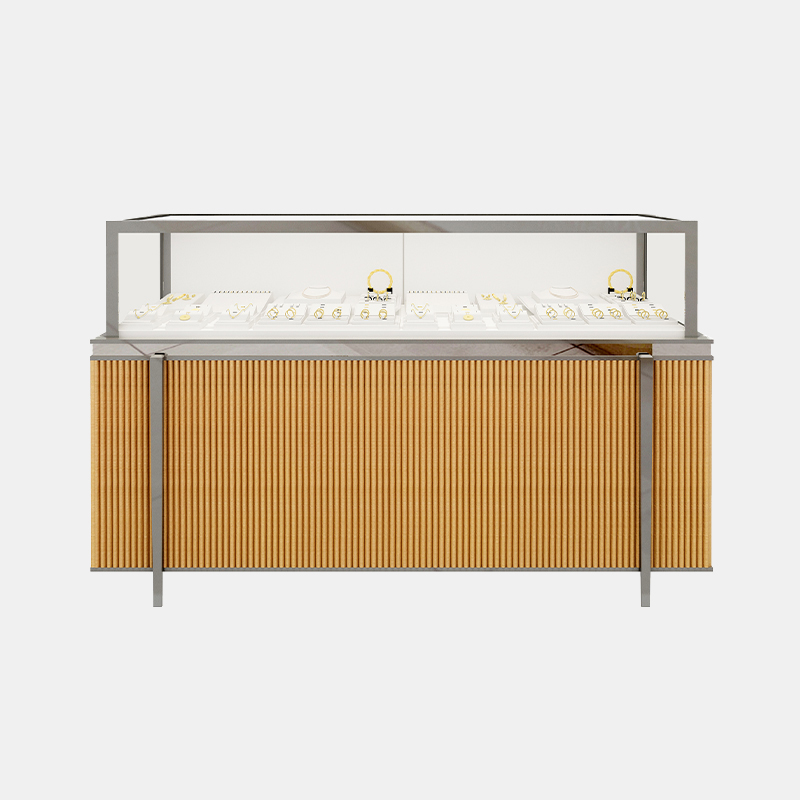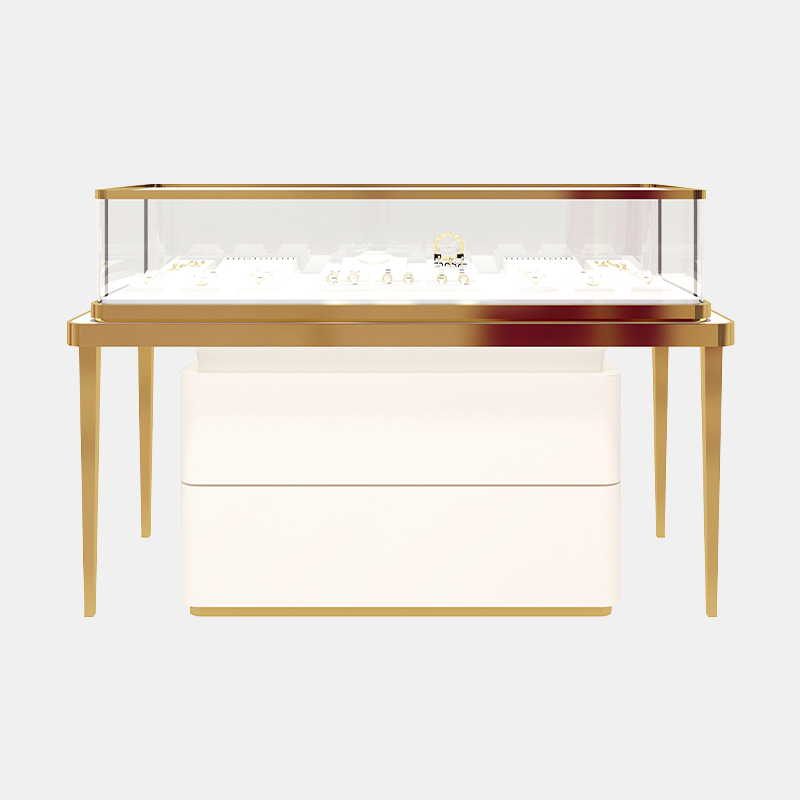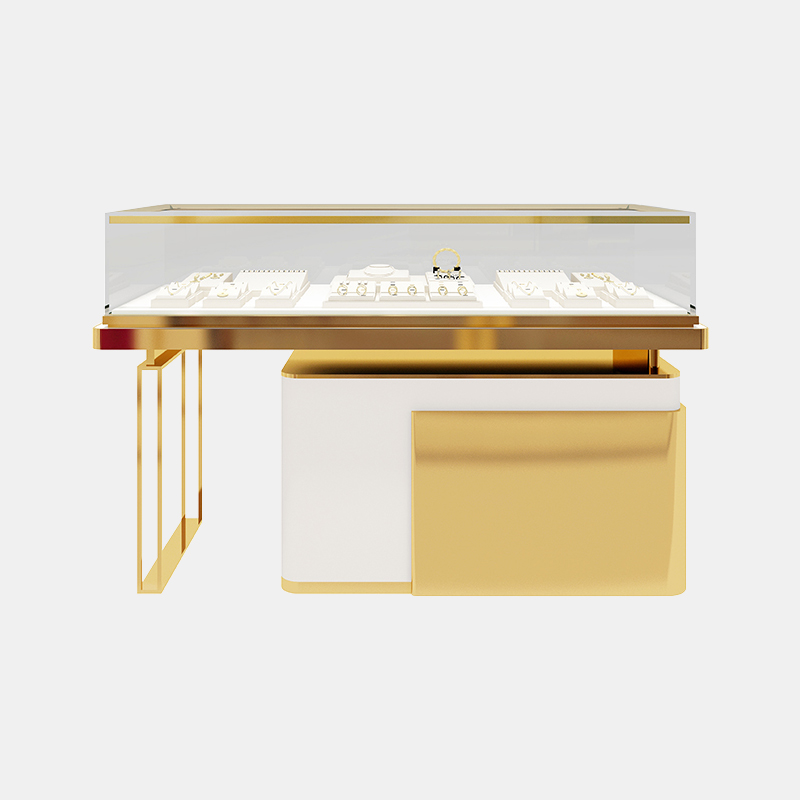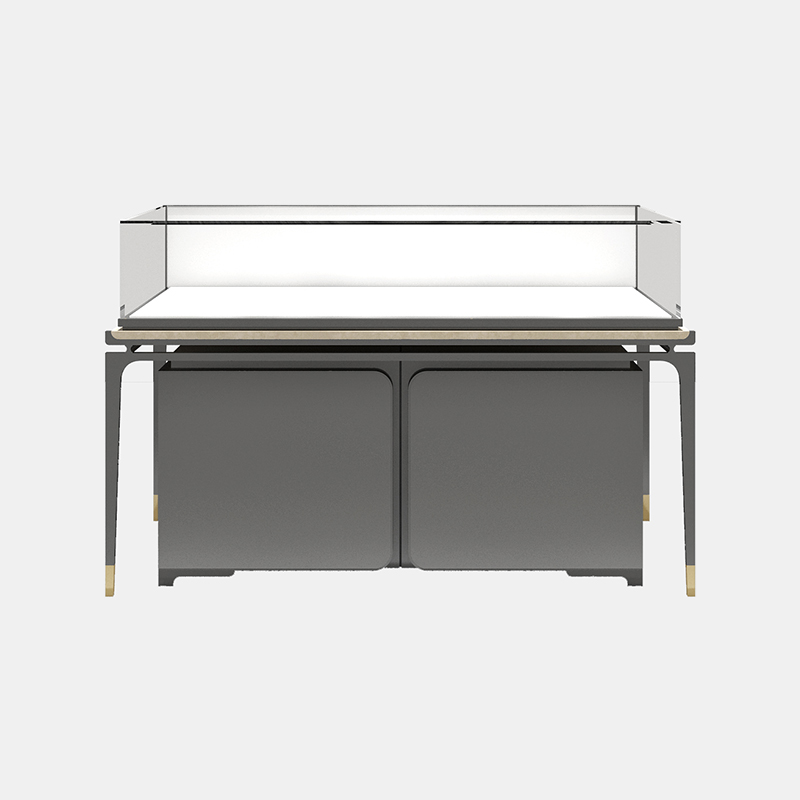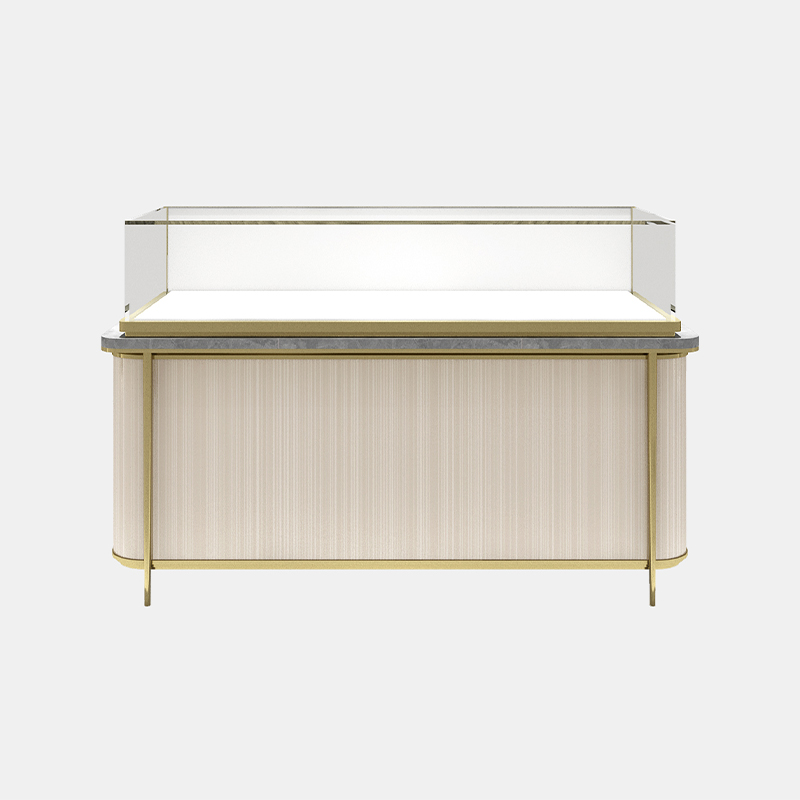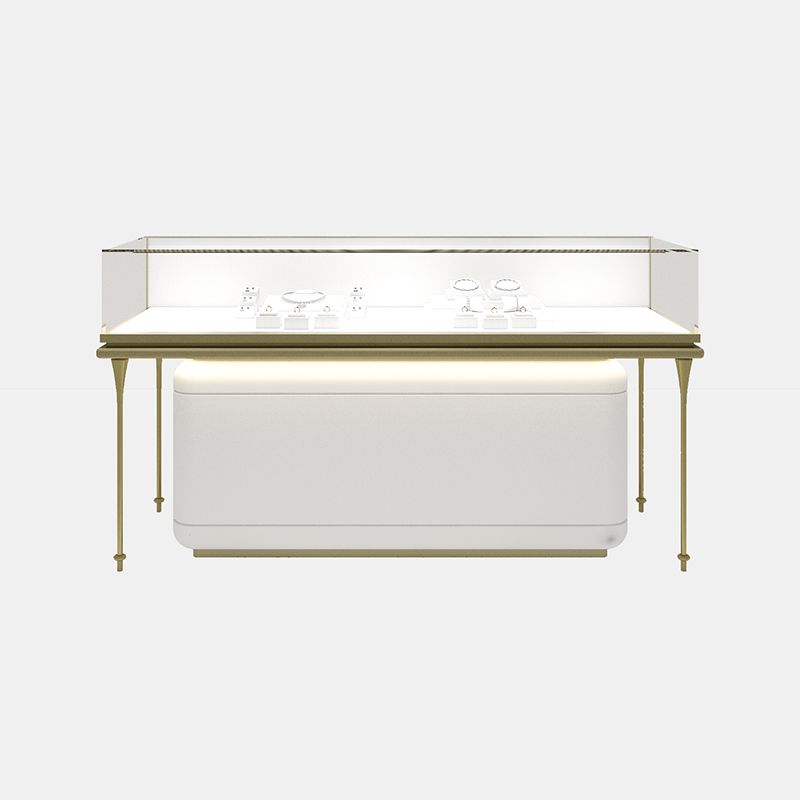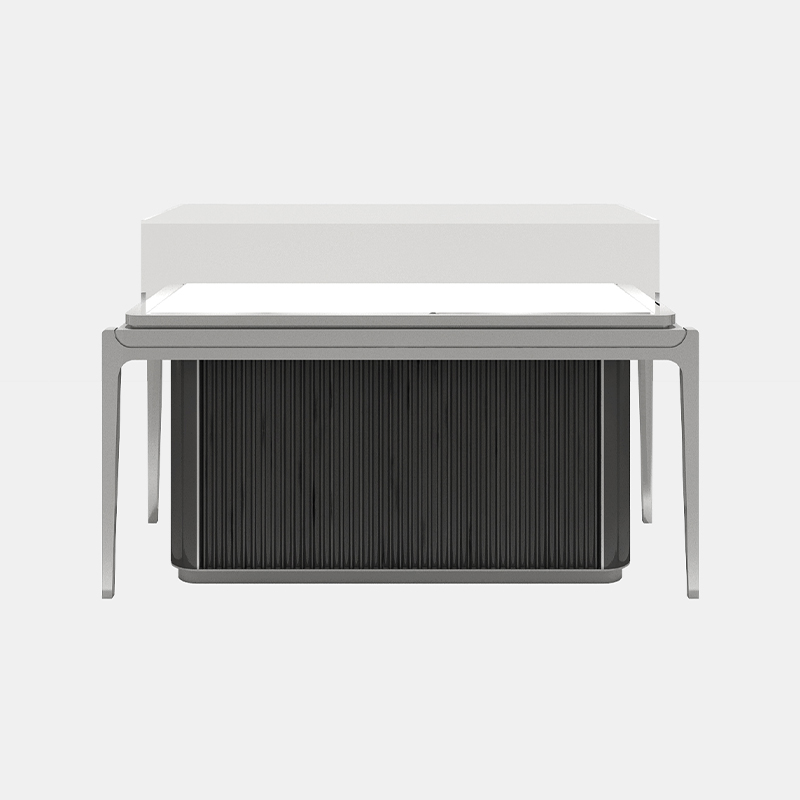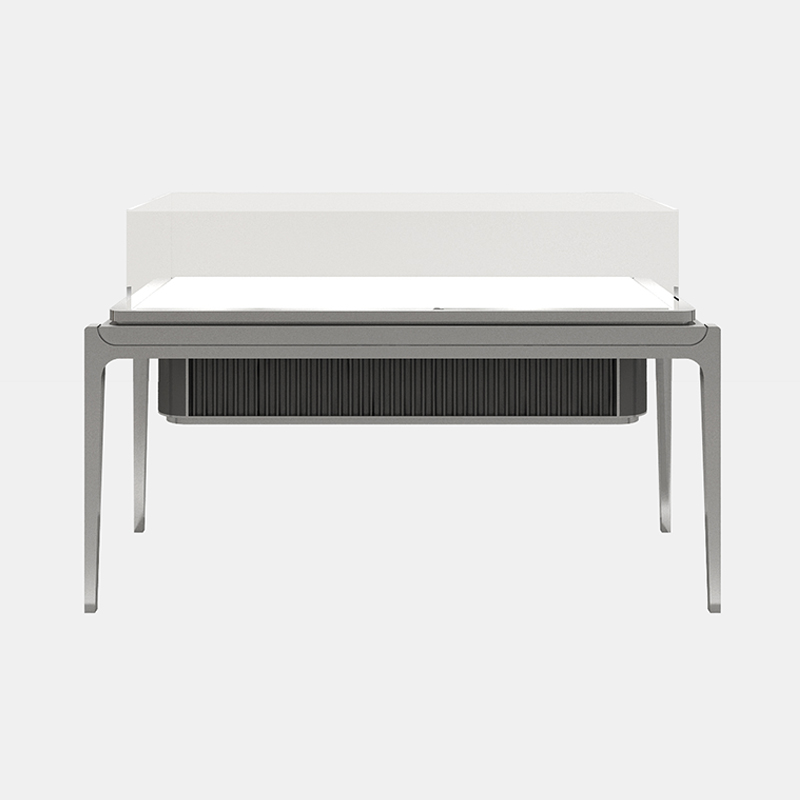
A well-designed watch display case does more than hold inventory — it communicates brand value, guides buyer attention, and directly lifts conversion rates on the retail floor. Retailers who invest in professional watch display showcases consistently report higher average transaction values and improved sell-through rates compared to those using generic shelving. This article explores the data, mechanisms, and best practices behind effective watch presentation, from luxury watch showcases to compact watch organizer boxes.
The short answer: structured, well-lit, and brand-aligned display environments increase perceived product value. When a shopper sees a watch resting inside a glass top watch case with precise lighting, the product instantly commands more attention and trust than the same piece placed on a bare tray. Research from the Retail Design Institute suggests that professional product presentation can increase dwell time by up to 37%, and longer dwell time correlates directly with purchase intent.
Content
Watch retail is a visual category. Unlike commodities purchased on specification alone, watches are sold heavily on appearance, emotion, and perceived craftsmanship. The display environment either amplifies or diminishes those qualities. A retail watch display stand crafted from premium materials — polished metal frames, velvet-lined inserts, tempered glass panels — communicates quality by association. Shoppers unconsciously transfer the quality of the case to the product inside.
Independent jeweler surveys conducted across North America and Europe have found that stores investing in upgraded watch collector display units saw average basket size grow by 18–24% in the first six months post-installation. The mechanism is straightforward: a structured display environment makes upselling feel natural, because the surrounding presentation already establishes a premium context.
This chart illustrates how display quality directly influences how long shoppers linger in a watch retail zone. Customers exposed to a dedicated luxury watch showcase spend over twice as long examining products compared to those encountering an open tray setup. Prolonged engagement is a strong predictor of purchase — industry benchmarks suggest every additional 30 seconds of dwell time increases the likelihood of a transaction by roughly 8–12%. Upgrading to a professional watch display case is therefore not merely an aesthetic decision but a measurable revenue strategy.
Beyond dwell time, display quality shapes price anchoring. When a watch storage case is designed to evoke luxury — mirrored backs, climate-controlled glass, integrated LED strips — the perceived price ceiling for products inside rises accordingly. Retailers frequently report that the same watch, moved from a basic tray to a high-specification acrylic watch showcase, commands a higher willingness-to-pay without any change to the product itself.
Not all display cases are equal. The following attributes have the most documented impact on retail conversion and should be prioritized when sourcing from a watch display showcase manufacturer or a customized watch cabinets supplier.
Integrated LED lighting inside a watch showcase supplier's product is among the single highest-return features. Warm-white LEDs (2700–3200K) bring out the warm tones of gold and rose-gold dials, while cool-white LEDs (5000–6000K) accentuate the crisp details of steel and titanium cases. Properly lit displays have been linked to a 29% increase in product pickup rates — the critical micro-interaction that precedes most watch purchases.
Materials telegraph brand positioning. A wooden watch display box with dovetail joinery and matte lacquer communicates heritage and craftsmanship — ideal for watchmakers emphasizing traditional horology. An acrylic watch showcase with sharp edges and polished surfaces signals modernity and precision, suited for contemporary and sportswear-adjacent brands. Customized watch wall cabinets clad in brushed aluminum or tempered smoked glass project the industrial-luxury aesthetic increasingly preferred by younger affluent buyers.
A glass top watch case maximizes visibility from multiple angles, reducing the friction a customer faces when trying to evaluate a product before requesting staff assistance. Lower friction correlates with higher interaction rates. Designs that allow customers to pick up products without waiting for a sales associate result in a measurably shorter path to purchase — particularly important in high-traffic retail environments.
This radar chart scores six core display features against their measured impact on key retail performance indicators including conversion rate, dwell time, and average transaction value. Lighting and visibility emerge as the top-performing factors, reinforcing the priority retailers should place on illuminated, transparent enclosures. Customization ranks highly as well, reflecting the growing need for brand-specific display environments sourced from a dedicated watch cabinets manufacturer. Security features, while important, have comparatively less direct impact on front-of-store conversion performance.
The spatial arrangement of watch display cases within a store is as important as the quality of individual units. Eye-tracking studies in jewelry and watch retail consistently show that shoppers follow a predictable scan pattern — entering from the front-left, sweeping right, and returning along the center. Placing hero products or high-margin pieces in luxury watch showcases positioned at the natural scan endpoints captures maximum attention.
Counter-height retail watch display stands (around 90–100 cm) create a natural face-to-face engagement zone between the watch and the shopper. Wall-mounted customized watch wall cabinets at eye level (140–160 cm from floor) are ideal for brand storytelling — displaying archival or limited-edition pieces that set the aspirational context for items available for immediate purchase below.
Zoning matters too. Segmenting a shop floor by brand, price tier, or complication type — each zone anchored by its own dedicated watch storage case cluster — reduces decision fatigue and directs customers efficiently toward their natural purchase point. Retailers who implement clear zoning with consistent display systems report a reduction in staff-assist time per sale of approximately 22%, freeing associates for higher-value consultative selling.
This line chart tracks a composite sales index for a mid-sized specialty watch retailer across an 11-month period, with a professional display upgrade installed in April. In the three months prior to the upgrade, the sales index plateaued between 69 and 72, reflecting a stagnant retail environment with no meaningful growth trend. Following the installation of integrated LED watch showcases and customized watch wall cabinets, the index climbed steadily, reaching 107 by November — a gain of over 50 index points. The trajectory underlines that display investment produces a durable, compounding uplift rather than a one-time spike, as customers return to a store that has demonstrably elevated its browsing experience.
Off-the-shelf display cases rarely match a retailer's spatial constraints, brand palette, or product range depth. A watch cabinets manufacturer with genuine customization capability allows retailers to specify everything from internal pillow dimensions (accommodating cases from 36mm to 50mm+) to exterior finish, lighting temperature, lock mechanism, and signage integration. This alignment between brand identity and physical display environment is a distinguishing factor for top-performing watch retailers globally.
Customized watch cabinets sourced directly from a specialist manufacturer also deliver better long-term economics than retail-channel alternatives. Custom units are built to specification and last considerably longer under daily retail conditions. Retailers working with a dedicated watch showcase supplier — especially one with integrated design and production capabilities — benefit from single-source accountability, faster lead times on replacements, and the ability to evolve display configurations as product ranges change.
| Attribute | Standard Off-the-Shelf Case | Customized Watch Cabinet |
|---|---|---|
| Brand Alignment | Generic | Fully tailored |
| Watch Size Compatibility | Limited range | All case sizes |
| Lighting Options | Fixed or none | Adjustable LED, warm/cool |
| Material Choices | 1–2 options | Wood, acrylic, glass, metal |
| Spatial Fit | Fixed dimensions | Bespoke to floor plan |
| Lead Time (reorder) | Variable, stock dependent | Manufacturer-direct, consistent |
Different retail segments require different display strategies. A boutique authorized dealer has different needs from a multi-brand department store counter or an independent collector-focused shop. Understanding these distinctions helps retailers choose the right combination of units from their watch display showcase manufacturer.
For luxury environments, the luxury watch showcase must function as an extension of the brand's architecture. Materials like smoked glass, brushed brass, and dark-stained wood complement the restrained, high-end aesthetic. Display capacity is intentionally limited — presenting five to eight pieces per case signals exclusivity. Customized watch wall cabinets with backlit branding panels are increasingly used in boutique contexts to integrate product display with brand narrative.
In multi-brand environments, visual segmentation is critical. Each brand zone should be anchored by its own watch display case format, ideally supplied as part of a modular system that allows reconfiguration without new investment. Acrylic watch showcases are particularly popular in this context because they are lightweight, damage-resistant, and provide excellent clarity for self-service browsing. A standardized retail watch display stand format across the counter maintains visual coherence while allowing brand-specific inserts and color accents.
Independent retailers and vintage/collector-focused shops benefit from displays that convey curation and connoisseurship. A wooden watch display box or a handcrafted watch collector display case with felt-lined compartments tells a story of thoughtful selection. These environments prioritize tactile richness over clinical precision — warm materials, lower lighting levels, and accessible open-lid designs that invite handling. The watch organizer box format is also well-suited to this segment for displaying watch rolls, straps, and accessories alongside timepieces.
This grouped column chart compares average monthly unit sales across three retail segments — luxury boutiques, multi-brand counters, and independent shops — under basic and premium display conditions. In every segment, the premium display configuration produces meaningfully higher output: luxury boutiques see a 73% lift, multi-brand counters gain 56%, and independent retailers achieve a 75% improvement. These findings demonstrate that the positive effect of professional watch display investment is not confined to any single retail tier — the principle applies whether the store carries entry-level fashion watches or high-complication timepieces. The multi-brand segment shows the greatest absolute volume, making it an especially high-value target for display investment.
Beyond their functional role, watch displays are active communication tools. Every material choice, proportion decision, and lighting approach sends signals to the customer about the brand's values, heritage, and price positioning. Retailers who treat display selection as a brand activity — rather than a procurement exercise — see consistently stronger results across customer retention metrics.
A watch collector display unit with a walnut veneer exterior and hand-stitched leather interior communicates a different brand proposition than a sleek acrylic watch showcase with cold-cathode backlighting — even if both contain products from the same manufacturer. Customers use the display environment as a contextual cue when evaluating whether a brand aligns with their personal identity. This is especially pronounced among collector-segment buyers, who tend to be more knowledgeable and brand-critical than impulse purchasers.
Retailers sourcing from a watch display showcase manufacturer with design and engineering capability — such as Zhejiang SUNTOP Commercial Display Products Co., Ltd — can develop displays that precisely embody the brand narrative, from initial concept through to production and installation. SUNTOP's facility covers 25,000 square meters with an annual capacity exceeding 100 million units, supporting both boutique-scale customization and large-format retail rollouts with equal precision.
A display case is a long-term retail asset. Choosing units designed for easy cleaning, bulb replacement, and lock servicing reduces total cost of ownership significantly. Tempered glass top watch cases resist scratching and are easy to sanitize — a practical advantage in high-traffic environments. Acrylic watch showcases are lighter and shatter-resistant but require non-abrasive cleaning products to maintain optical clarity.
Security is a parallel concern, particularly for high-value inventory. Quality watch storage cases should feature discrete locking mechanisms that do not interrupt the visual experience — slim-profile cylinder locks recessed into the frame are preferred over bulky pad-locks that signal insecurity. For high-value environments, laminated glass panels offer significantly greater resistance to smash-and-grab attempts than standard float glass, with only a marginal visual difference.
Selecting the right watch showcase supplier is as strategic as any other retail infrastructure decision. Key evaluation criteria include: production capability (can the supplier handle a full store fit-out at scale?), customization depth (does design consultation come as part of the service?), material quality (are raw material sources documented?), and post-delivery support (is replacement hardware available within a reasonable lead time?).
Zhejiang SUNTOP, established in 2009, integrates design planning, display cabinet and prop production, and decoration and renovation contracting under one roof. This integrated model eliminates the coordination friction that typically arises when retailers work with separate design agencies, cabinet fabricators, and fit-out contractors. The result is faster project timelines, tighter quality control across every touchpoint, and a single point of accountability from concept to completion.
When evaluating a potential watch cabinets manufacturer, retailers should request sample units before committing to large-volume orders, verify the supplier's experience with watch-specific display requirements (pillow sizing, anti-reflective glass options, humidity-controlled environments for leather strap displays), and confirm the manufacturer's capacity to meet delivery timelines for new store openings or seasonal resets.
This horizontal bar chart presents retailer satisfaction scores across six key attributes when evaluating watch display showcase manufacturers. Delivery reliability scores highest at 89%, reflecting how critical timeline adherence is for store openings and seasonal resets that operate against strict commercial deadlines. Design consultation follows closely, underscoring retailers' need for a supplier who contributes creative value rather than simply fulfilling orders. After-sales support, while still positive, shows the greatest opportunity for improvement — indicating that manufacturers who invest in robust post-installation service programs will have a meaningful competitive advantage among buyers making long-term supplier commitments.
Q1: What is the best type of watch display case for a small retail boutique?
For a small boutique, a counter-height glass top watch case with integrated LED lighting is typically the strongest choice. It maximizes visibility in a compact footprint, keeps the browsing experience self-directed, and creates a premium atmosphere without requiring a large floor area. A wooden watch display box format works well for collector-focused boutiques aiming for a heritage aesthetic.
Q2: Can I get watch display cases custom-made to fit my store layout?
Yes. A specialist watch cabinets manufacturer with in-house design capability — such as SUNTOP — can produce customized watch cabinets and customized watch wall cabinets built to your specific spatial dimensions, brand palette, and product range requirements. The process typically begins with a design consultation, followed by sampling and then production.
Q3: What materials are most durable for a retail watch showcase?
Tempered glass and powder-coated aluminum frames offer the best combination of durability and clarity for high-traffic retail. Acrylic watch showcases are lighter and shatter-resistant, making them a practical choice for pop-up events or secondary displays. For counter units, wooden watch display boxes with lacquered finishes provide excellent longevity when maintained properly.
Q4: How many watches should I display in a single showcase unit?
There is no universal answer, but retail experience suggests that overcrowding a watch display case reduces perceived value. Luxury formats typically present 5–8 pieces per case, while mid-range multi-brand counters can display 15–20 pieces without visual clutter, provided spacing and lighting are carefully managed. The goal is clarity and visual breathing room rather than maximum inventory density.
Q5: Is LED lighting inside a watch showcase worth the investment?
For most retail applications, yes. An LED watch showcase with appropriately calibrated color temperature brings out the visual detail in watch dials, case finishing, and strap materials in a way that ambient store lighting rarely achieves. The effect on product pickup rate — the micro-interaction preceding purchase — is well-documented, making lighting one of the higher-return features in any watch display investment.
Q6: How do I choose between a watch organizer box and a full display case for my store?
A watch organizer box is most suited to personal or back-of-counter storage, or to accessory merchandising in a collector environment. For front-of-store retail display, a purpose-built watch storage case or full showcase offers better security, lighting options, and visual impact. Many retailers use organizer boxes as supplementary display elements — for straps, watch rolls, or travel cases — placed alongside a primary retail watch display stand.


 ਪੰਜਾਬੀ
 English
 عربى
عربى русский
 中文简体
中文简体