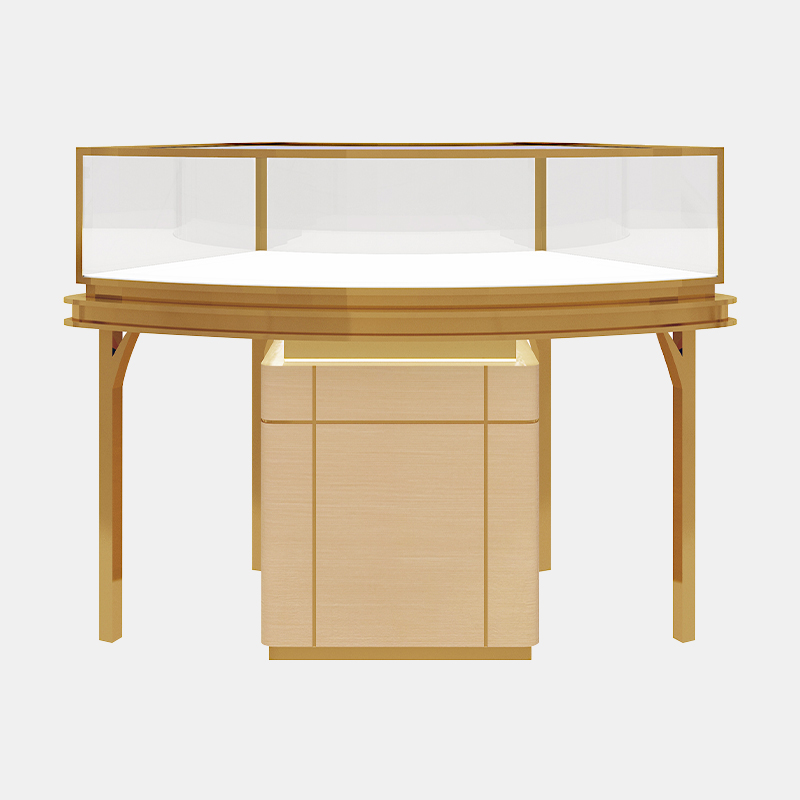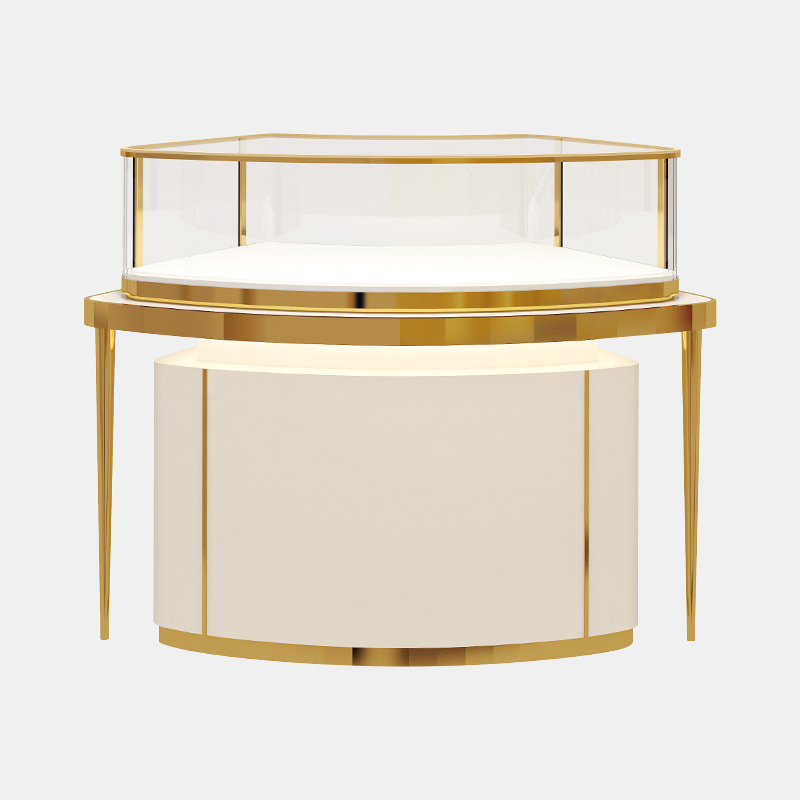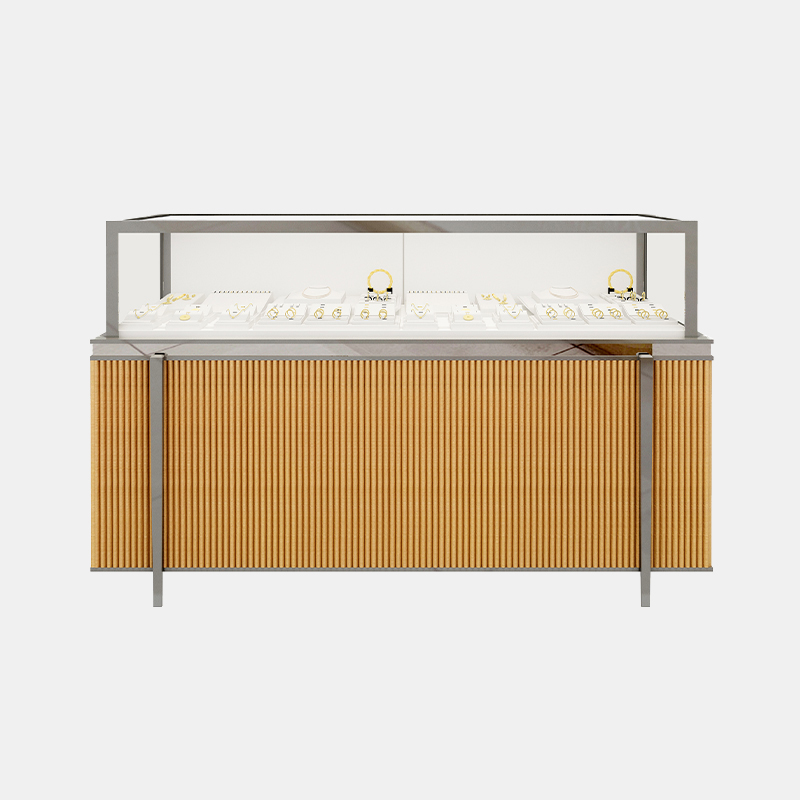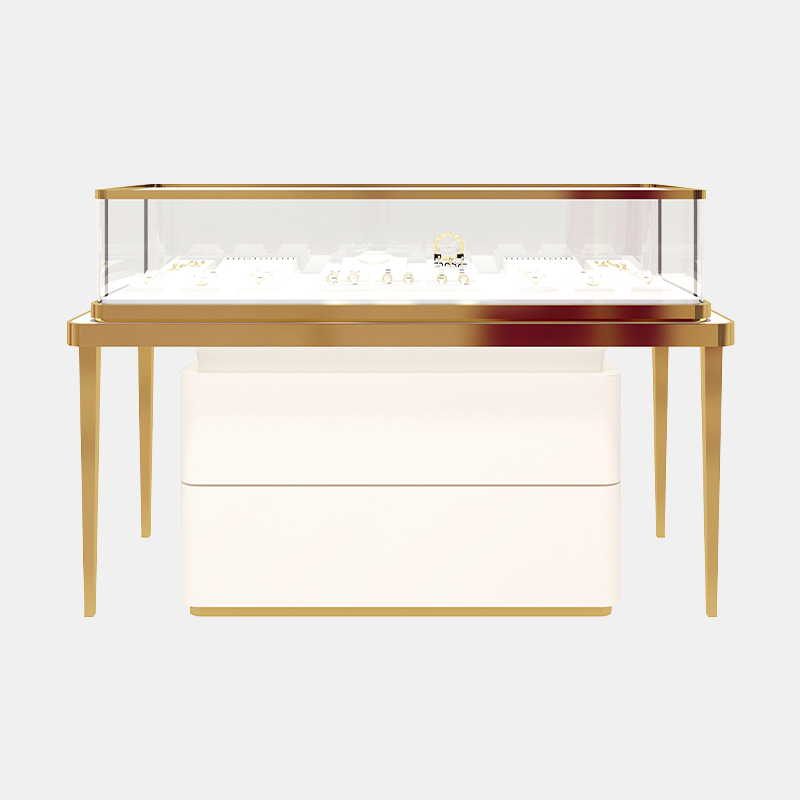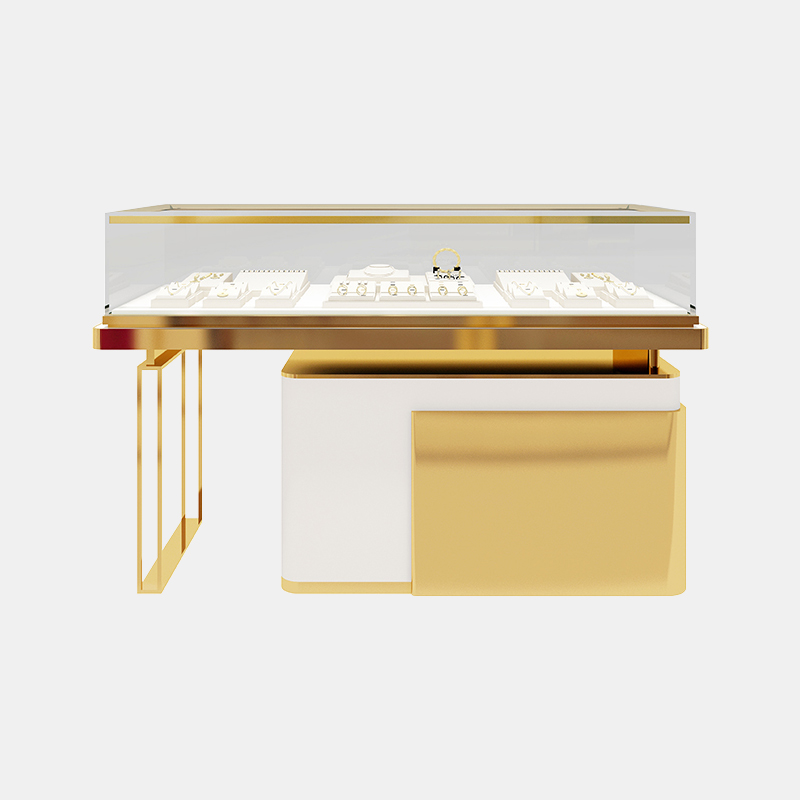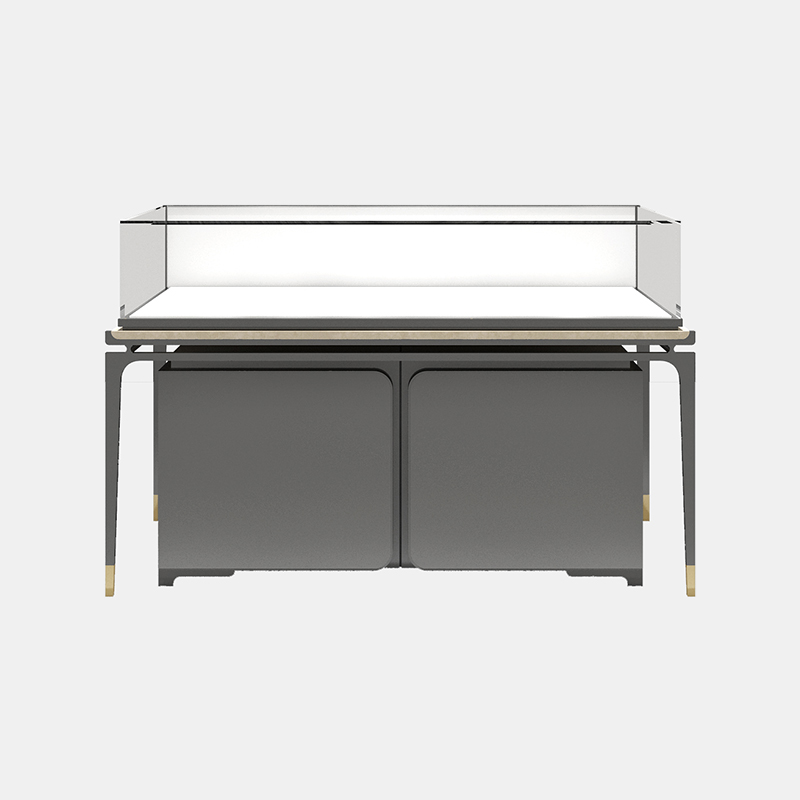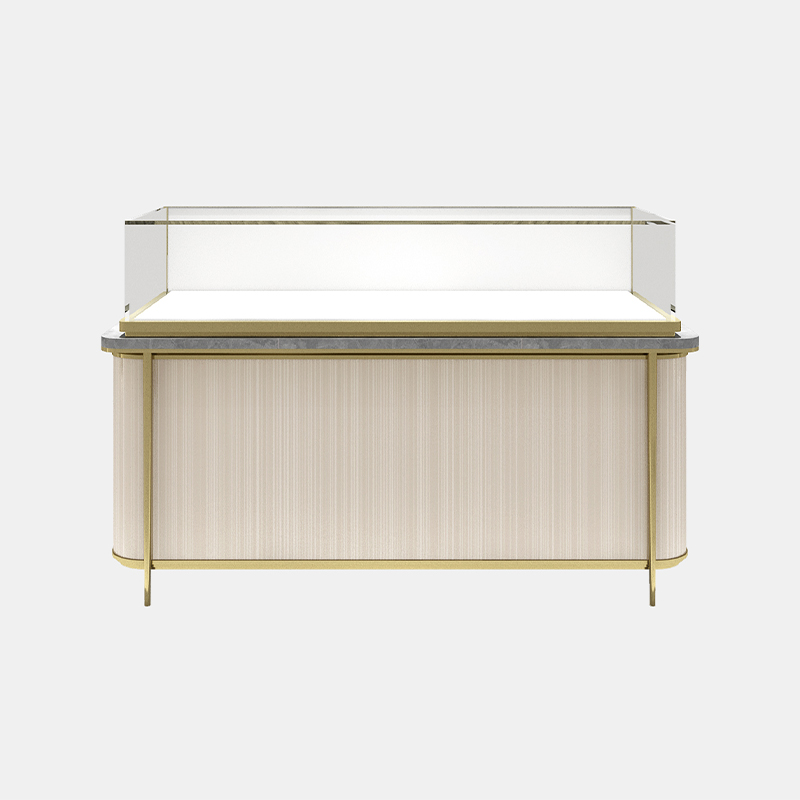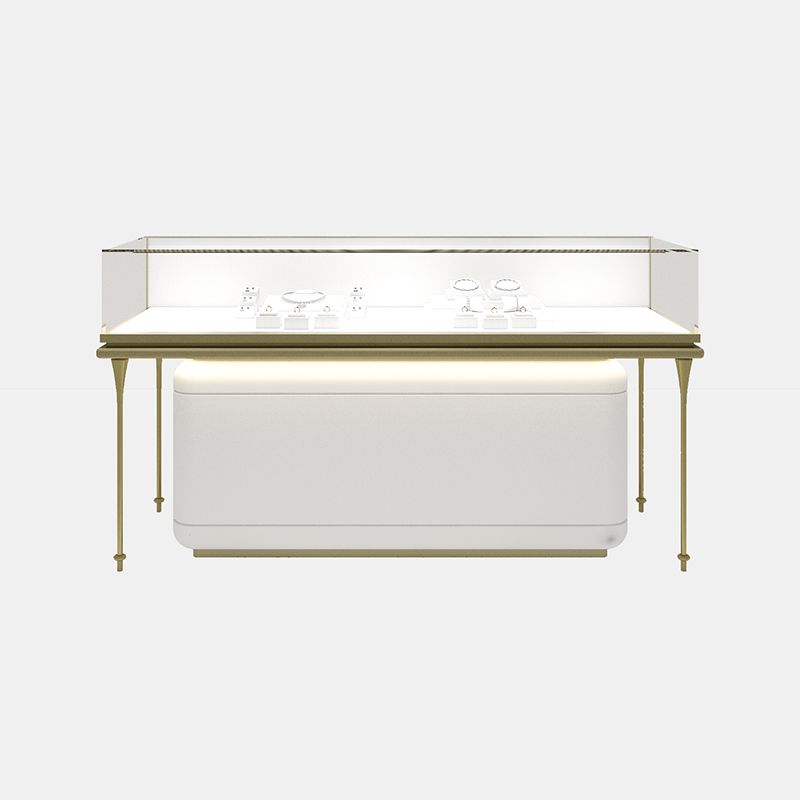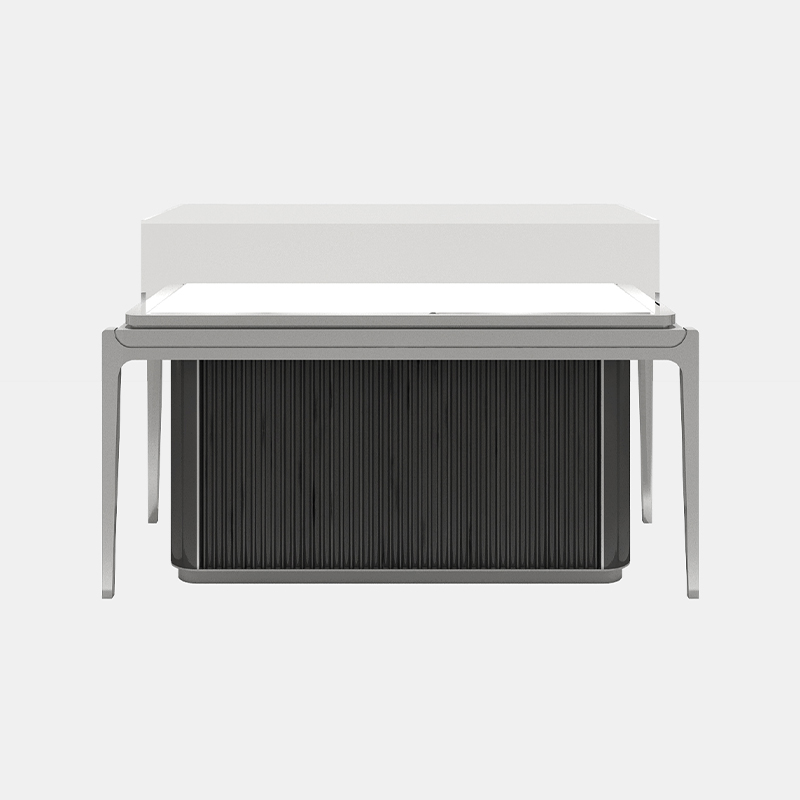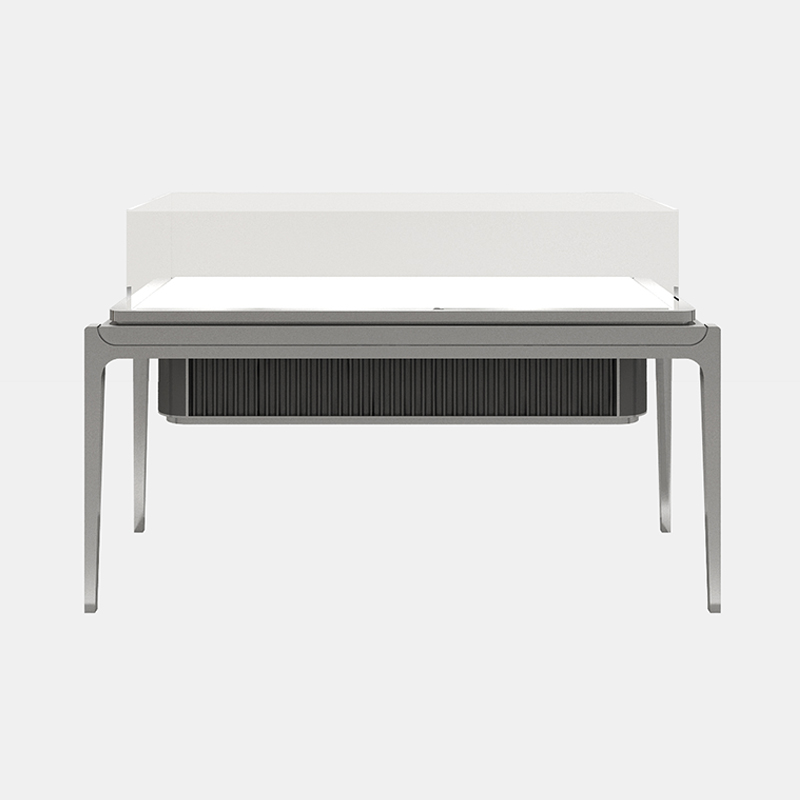
Choosing the right jewelry showcase is one of the most impactful decisions a retail store owner can make. The display environment directly influences customer perception, dwell time, and ultimately, purchase decisions. After evaluating hundreds of retail environments and consulting with leading jewelry showcase manufacturers, the clearest conclusion is this: the best jewelry showcase is one that matches your product category, store layout, customer profile, and lighting plan — not simply the one with the highest price tag or the most glass panels.
In 2026, the retail jewelry display solutions market has evolved significantly. Store owners now have access to highly customizable formats — from freestanding island showcases to full jewelry wall showcases — with options for smart lighting integration, modular expansion, and custom branding. This guide walks you through every factor you need to evaluate before purchasing or commissioning custom jewelry showcases for your store.
Content
Retail research consistently shows that presentation quality is among the top three factors influencing jewelry purchase decisions. A well-designed jewelry display cabinet does far more than hold product — it communicates brand values, guides the customer's eye, and creates the emotional context for a buying decision. Studies from retail analytics firms indicate that stores with professionally designed display environments see 20–35% higher average transaction values compared to those using generic or outdated display furniture.
The key variables at play include lighting temperature, cabinet height, glass clarity, interior finish color, and product density per linear foot. Each of these variables interacts with the others — for example, a high-density display with poor lighting reads as cluttered, while a sparse display with warm LED accent lighting reads as curated and premium.
The chart above illustrates the weighted impact of individual store design factors on overall sales performance. Display quality — which encompasses the jewelry showcase design, material finish, and structural integrity — ranks highest at 70%, underscoring that the physical showcase is the single most influential environmental factor. Lighting design closely follows at 60%, confirming that LED integration is no longer optional for serious retailers. Cabinet layout and product density together shape the customer's browsing behavior, while staff presentation rounds out the ecosystem of in-store influences.
The retail jewelry showcase market in 2026 offers five primary display formats, each optimized for specific product types, store sizes, and customer interaction patterns. Understanding the functional differences between these formats is essential before engaging with any jewelry showcase factory or supplier.
| Showcase Type | Best For | Typical Width | Customer Access | Security Level |
|---|---|---|---|---|
| Island Showcase | High-volume mid-range items | 120–180 cm | 360° browsing | Medium |
| Wall Showcase | Full collections, brand story | 120–300 cm | Staff-assisted only | High |
| Counter Showcase | Point-of-sale, featured items | 90–120 cm | Consultation-based | Very High |
| Tower Showcase | Watches, pendants, vertical display | 45–75 cm | 360° browsing | Medium-High |
| Modular System | Growing stores, flexible layouts | 60–240 cm (scalable) | Configurable | Variable |
Jewelry wall showcases and jewelry wall cabinets have become increasingly popular in boutique and mid-scale retail because they allow stores to present entire collections along a single wall, creating a gallery-like experience. When executed well with proper LED strip lighting, velvet backdrops, and tiered shelving, a wall showcase can carry as many as 80–120 individual pieces in under 3 linear meters of wall space. This format is especially effective for stores with limited floor area but high ceiling height.
The jewelry wall cabinet format also excels in brand storytelling — the vertical canvas allows designers to create visual hierarchy, drawing the eye from featured hero pieces at eye level to supporting collections above and below. For stores commissioning custom jewelry showcases, wall units offer the widest design flexibility in terms of back panel materials, integrated lighting zones, and lockable compartments.
The structural and finish materials used in a jewelry display cabinet determine its durability, aesthetic consistency, and long-term cost of ownership. When evaluating proposals from a jewelry cabinet manufacturer, the materials spec sheet is the most important document to review. Below are the most commonly used materials and their practical trade-offs.
The radar chart above compares two of the most critical structural materials in professional jewelry showcases across five performance dimensions. Tempered glass leads significantly in optical clarity and aesthetic quality — both non-negotiable for fine jewelry retail — while maintaining strong scores in durability and longevity when properly installed. Aluminum alloy framing provides a more balanced performance profile, particularly excelling in cost value and structural longevity, making it the preferred framing choice for custom jewelry showcase projects that require long-term investment efficiency. When both materials are combined in a single unit — glass panels with aluminum frames — the result is a showcase that scores well across all five dimensions, which is precisely why this pairing dominates the jewelry display solutions market in 2026.
Lighting is, without question, the most underinvested element in retail jewelry display — and the one with the highest return on investment when done correctly. The goal of showcase lighting is not simply illumination but enhancement of product appearance, color accuracy, and sparkle. A diamond under 3000K warm white light looks golden and soft; under 4000K neutral white, it looks crisp and brilliant; under 6500K cool white, it looks icy and clinical. Each serves a different brand positioning.
The line chart above illustrates a critical difference between premium and standard LED lighting systems used in jewelry display cabinets. Premium LED modules with CRI 95+ ratings maintain over 80% of their original lumen output after four years of continuous retail use, while standard CRI 80 LEDs decline to approximately 70% within the same period — a gap that becomes perceptibly noticeable to customers as early as year two. This degradation in standard LEDs is compounded by color shift, where the light gradually loses its original temperature calibration, causing product color to appear distorted. Investing in premium LED integration at the time of cabinet commissioning from a jewelry showcase factory is therefore a cost-avoidance strategy as much as a quality decision.
Selecting the right jewelry showcase manufacturer is as important as selecting the showcase design itself. The manufacturing partner determines not only the quality of the finished product but also the reliability of delivery schedules, the flexibility of customization, and the availability of post-sale support. When reviewing potential jewelry cabinet manufacturers, consider the following evaluation framework.
A manufacturer's physical production capacity directly limits what they can deliver on time and at scale. For larger retail rollouts or multi-store deployments, working with a jewelry showcase factory with a minimum annual output capacity in the hundreds of thousands of units is advisable. Factories with dedicated CNC machining, automated glass cutting, and in-house powder-coat finishing lines offer tighter quality control and faster lead times than those that outsource individual production steps.
Zhejiang SUNTOP Commercial Display Products Co., Ltd, established in 2009, is a representative example of scale-oriented manufacturing in this category. With a factory covering 25 acres and a floor space of 25,000 square meters, the company integrates design planning, display cabinet production, and renovation contracting under one roof — enabling end-to-end project control from concept through installation. An annual capacity exceeding 100 million in output allows them to service both small boutique orders and large multi-location retail deployments simultaneously.
True custom jewelry showcase manufacturing goes beyond selecting a color from a swatch book. The best manufacturers offer in-house design teams capable of producing 3D renderings, material sample kits, and prototype units for approval before full production begins. Key customization dimensions include: cabinet dimensions and proportions, frame material and finish, glass thickness and tint, interior lining material and color, lighting type and temperature, branding integration (logos, signage, etched glass), and hardware selection.
The column chart above presents retailer-reported importance scores for five key manufacturer evaluation criteria, sourced from a 2025 industry survey of 200+ jewelry store owners who had commissioned retail jewelry showcases in the past three years. Production capacity and quality control standards rank highest, reflecting the hard-learned lesson that a beautifully designed showcase that arrives incomplete, damaged, or inconsistent across units creates downstream operational problems that outweigh any cost savings. Customization depth ranks nearly as high, confirming the shift toward brand-specific jewelry display solutions rather than generic off-the-shelf products. Lead time and after-sales support, while scoring lower, are nonetheless critical for chains with multiple locations opening on coordinated timelines.
Even the finest jewelry store display cabinet performs below its potential if placed incorrectly within the retail floor plan. Showcase placement strategy is a discipline that intersects visual merchandising, traffic flow analysis, and consumer psychology. The goal is to create a customer journey through the store that maximizes product exposure while preserving a sense of discovery and ease of navigation.
Retail researchers have documented the "decompression zone" — the first 1.5–3 meters inside a store entrance where customers transition from the outside environment and are not yet in a purchasing mindset. Placing showcase units immediately inside the entrance is a common and costly mistake. Instead, this zone should be used for atmospheric elements: brand imagery, a striking standalone tower showcase, or a feature display that orients the customer to the store's identity before the primary jewelry showcases begin.
The left perimeter wall upon entering a store is statistically the most-viewed surface in retail environments. Positioning jewelry wall showcases along this left perimeter — particularly for high-margin or featured collection pieces — takes advantage of natural browsing patterns. The right perimeter is typically used for secondary collections or promotional items. Center floor island showcases should be positioned to create intuitive pathways between perimeter walls, ensuring customers naturally circulate through the full store before reaching the checkout area.
The horizontal bar chart above presents one of the most actionable data points available to jewelry store planners: customer dwell time by showcase position. The left perimeter wall position generates an average of 142 seconds of customer engagement — nearly three times the engagement generated by entrance-zone placements and significantly more than right perimeter positions. This data strongly supports the strategic placement of flagship jewelry wall cabinets and high-value collection displays along the left perimeter wall. Counter and POS-zone showcases also perform well at 111 seconds, reflecting the consultation-focused interaction pattern at service counters. The entrance zone's low 51-second average confirms that the decompression zone should be treated as a transition area rather than a primary display venue. These positioning principles should inform the layout planning conversation with any jewelry display solutions consultant before cabinet orders are placed.
There is a meaningful difference between purchasing a standard jewelry showcase from a catalog and commissioning a custom jewelry showcase from a manufacturer with true design-build capabilities. Standard showcases offer faster delivery and lower minimum order quantities but sacrifice the brand alignment and spatial fit that a custom solution provides. For any store with a defined brand identity, non-standard floor dimensions, or a target customer with particular aesthetic expectations, custom is the appropriate path.
The custom route involves several key phases: initial design consultation and space survey, 3D visualization and material sample approval, prototype fabrication (for orders above a certain scale), full production, quality inspection, packaging for freight, and installation oversight. A full-service jewelry showcase manufacturer should support all of these phases within a single project relationship.
Security is a non-negotiable requirement for any jewelry store display cabinet, and the level of security integration must be calibrated to the product value on display. Security features in professional showcases operate at three levels: passive deterrence, active containment, and integrated alarm systems.
| Security Level | Feature Type | Typical Application | Glass Spec |
|---|---|---|---|
| Basic | Keyed lock, tempered glass | Fashion jewelry, accessories | 6mm tempered |
| Intermediate | Multi-point locking, laminated glass | Silver, mid-range gold | 8mm tempered laminated |
| High | Electronic lock, vibration sensor | Diamond, fine jewelry | 10mm+ security glass |
| Maximum | Biometric access, integrated alarm | Rare gems, luxury watches | 12mm bulletproof options |
Professional jewelry showcase manufacturers capable of delivering high and maximum security configurations will typically have certifications or test documentation for their glass specifications, and should be willing to provide details on lock cylinder grades (European DIN 18252 standard or equivalent) and vibration sensor sensitivity calibrations. When evaluating a jewelry showcase factory for a high-security project, requesting their standard security specification sheet before finalizing the order is a prudent step.
The jewelry display solutions industry is in the middle of a significant design evolution driven by changing consumer behavior, sustainability expectations, and digital integration. Understanding these trends allows retailers to make showcase investments that remain relevant and functional for a longer period.
Natural wood veneers, stone-effect surfaces, and organic textures are displacing the all-white-and-chrome aesthetic that dominated jewelry retail for the past decade. This biophilic trend aligns with a broader consumer preference for warmth and authenticity in retail environments, particularly among younger demographics who respond positively to sustainability narratives. Custom jewelry showcase designers are increasingly incorporating reclaimed wood accents, terrazzo base finishes, and linen-wrapped panels into their cabinet designs.
With retail leases shortening and store concepts evolving more rapidly, the long-term fixed showcase layout is giving way to modular retail jewelry showcase systems that can be reconfigured without significant labor or cost. Leading manufacturers now offer systems where individual showcase modules connect via proprietary rail systems, allowing stores to reshape their layout seasonally or in response to new collection introductions. This modularity also extends to lighting — individual LED fixture zones can be independently controlled for zone-specific ambiance.
The integration of digital screens within jewelry cabinets is transitioning from novelty to practical merchandising tool. Embedded displays within showcase end panels or rear panels can cycle through product certificates, brand storytelling content, care instructions, or customization options for made-to-order pieces. This integration is particularly effective in jewelry wall showcases, where the vertical real estate allows for both product display and digital content in a single coherent presentation surface.
Below are the questions most commonly asked by retail store owners and buyers when researching jewelry showcase options. These reflect real purchasing concerns across boutique, chain, and independent retail contexts.
Q1
What is the standard height for a jewelry showcase counter?
Most jewelry showcase counters are designed at 90–95 cm in height, which positions the display glass at a comfortable viewing angle for standing customers while allowing staff to reach into the interior without awkward bending. For seated consultation areas, lower units at 75–80 cm are more appropriate.
Q2
How do I choose between a wall showcase and an island showcase?
Jewelry wall showcases are best for brand storytelling, full collection presentation, and stores with limited floor width. Island showcases enable 360° product browsing and work well for volume displays. Most stores benefit from using both formats in complementary positions — walls for curation, islands for discovery.
Q3
What should I look for in a jewelry showcase manufacturer?
Evaluate production capacity, customization capability, quality control processes, and after-sales support. A reliable jewelry showcase manufacturer should provide material sample kits, 3D design visualizations, reference project portfolios, and clear documentation of their glass and hardware specifications before any production commitment.
Q4
Can jewelry display cabinets be shipped internationally?
Yes. Most professional jewelry cabinet manufacturers design their units for international freight, with custom foam-lined crating, glass protected by protective film, and knock-down configurations available for units where transport dimensions matter. Always confirm packaging specs, Incoterms, and lead time with the factory before finalizing international orders.
Q5
What interior lining color works best for gold jewelry displays?
Off-white, champagne, and warm ivory velvet linings are the most effective backdrops for gold jewelry, as they contrast without competing. Dark navy or charcoal works well for dramatic presentation of high-karat pieces. Avoid pure white, which tends to create glare under LED lighting and can make gold pieces appear washed out.
Q6
How long does it take to receive a custom jewelry showcase order?
Standard lead times for custom jewelry showcases range from 25 to 45 working days after design approval and deposit receipt, depending on order complexity and factory production queue. Large multi-unit orders or those requiring prototype approval may extend to 60 days. Always build in shipping and customs clearance time for international deliveries.


 ਪੰਜਾਬੀ
 English
 عربى
عربى русский
 中文简体
中文简体