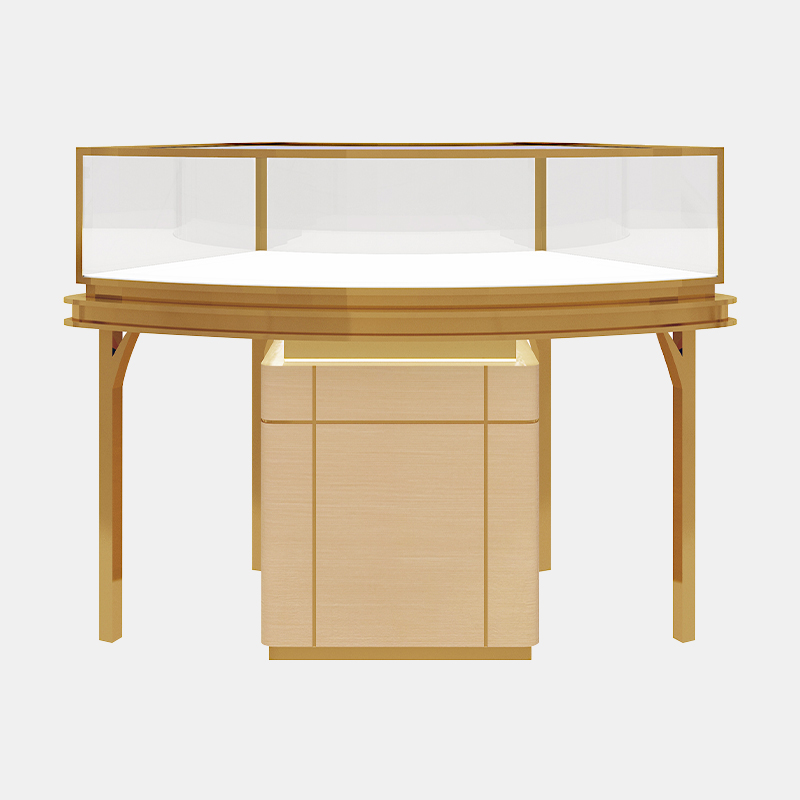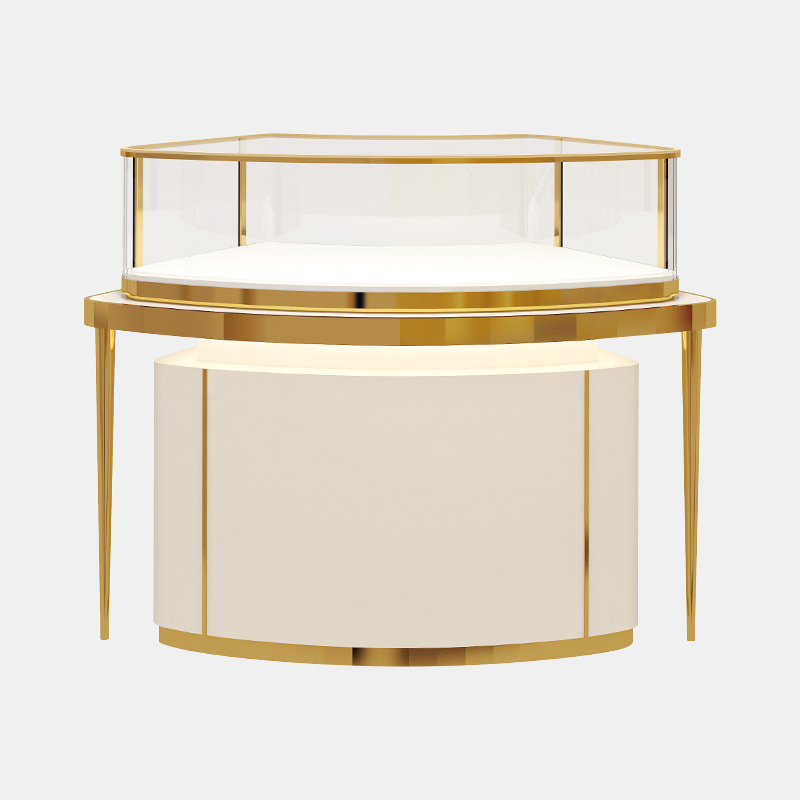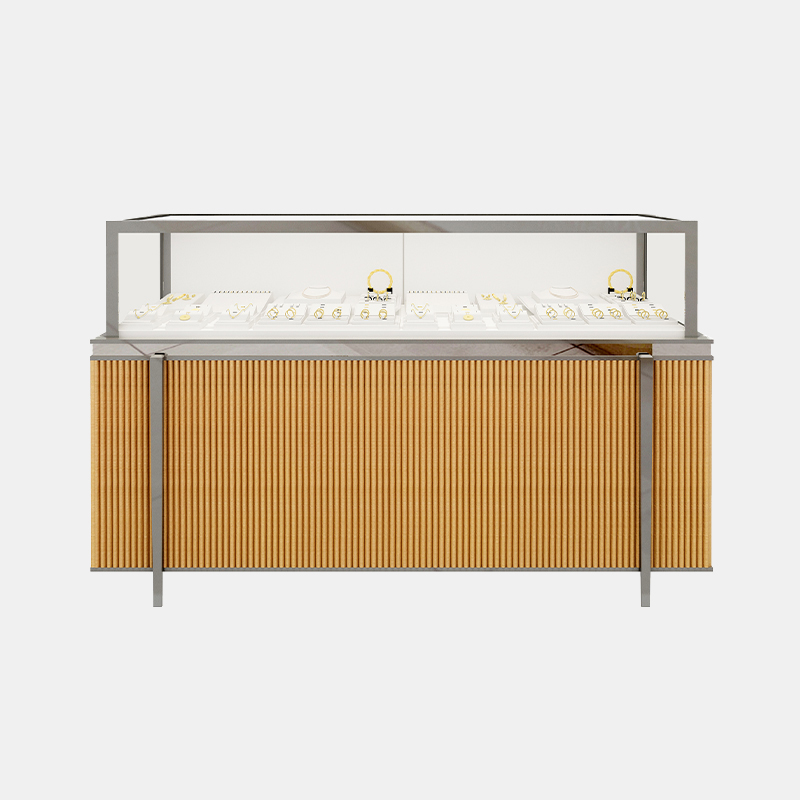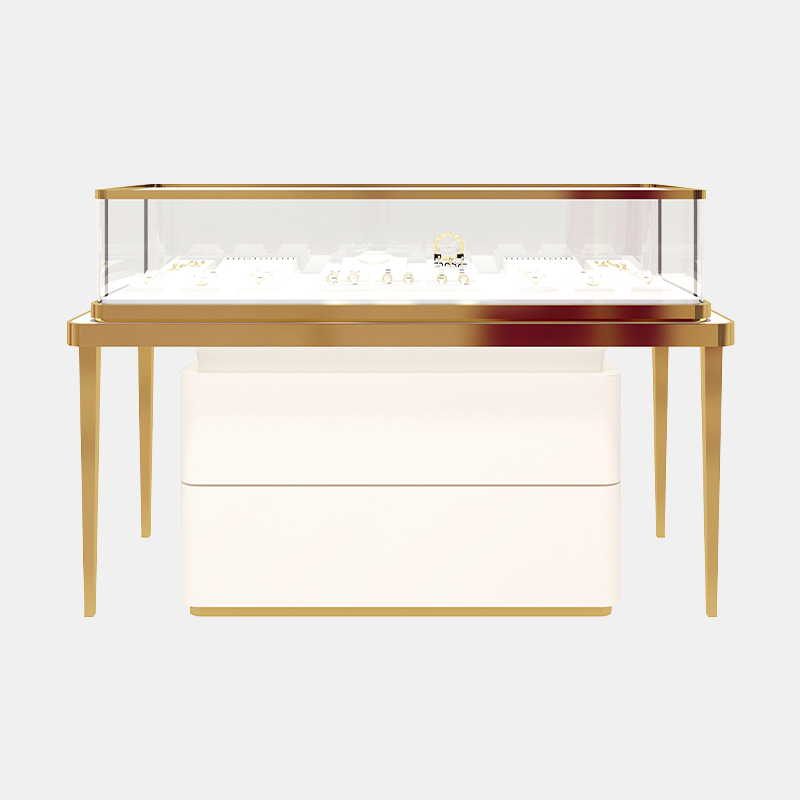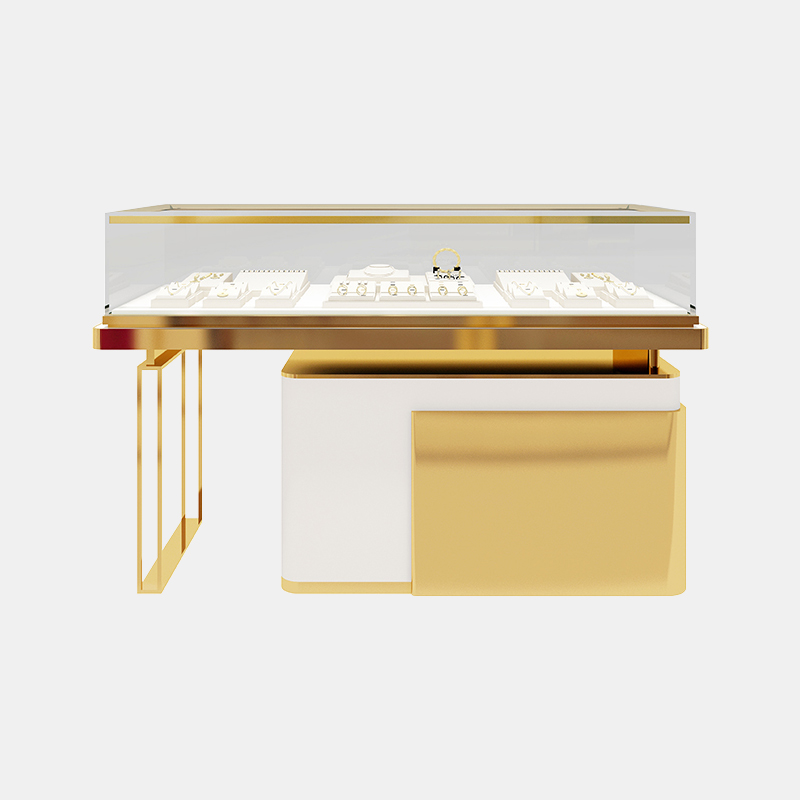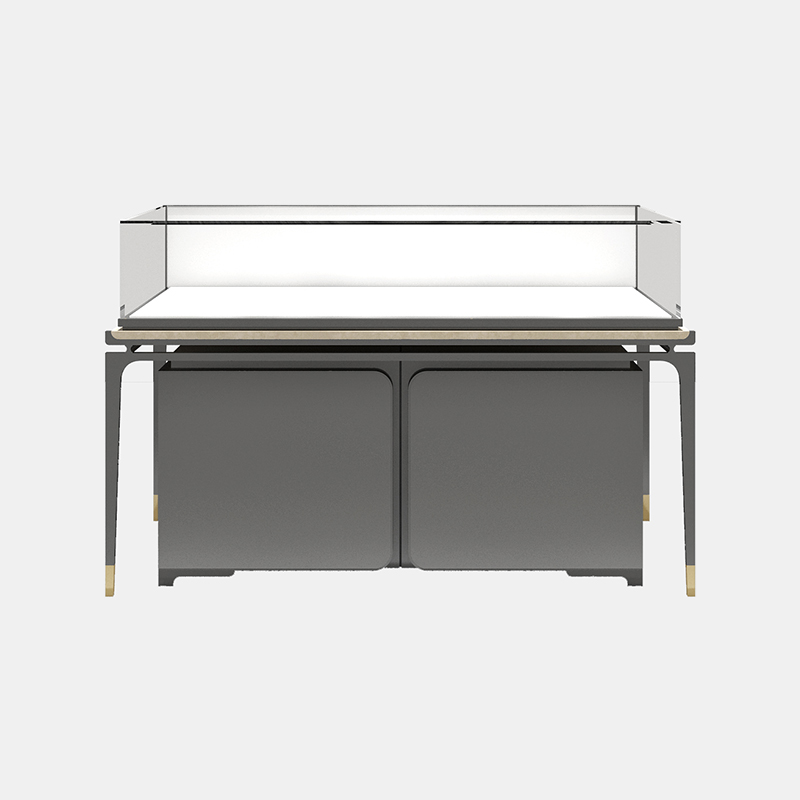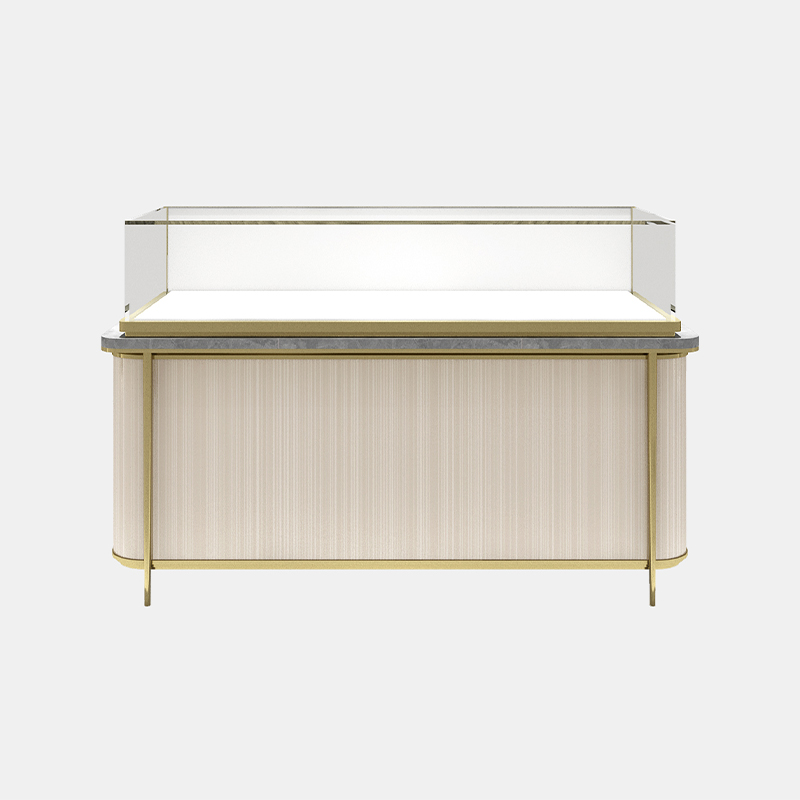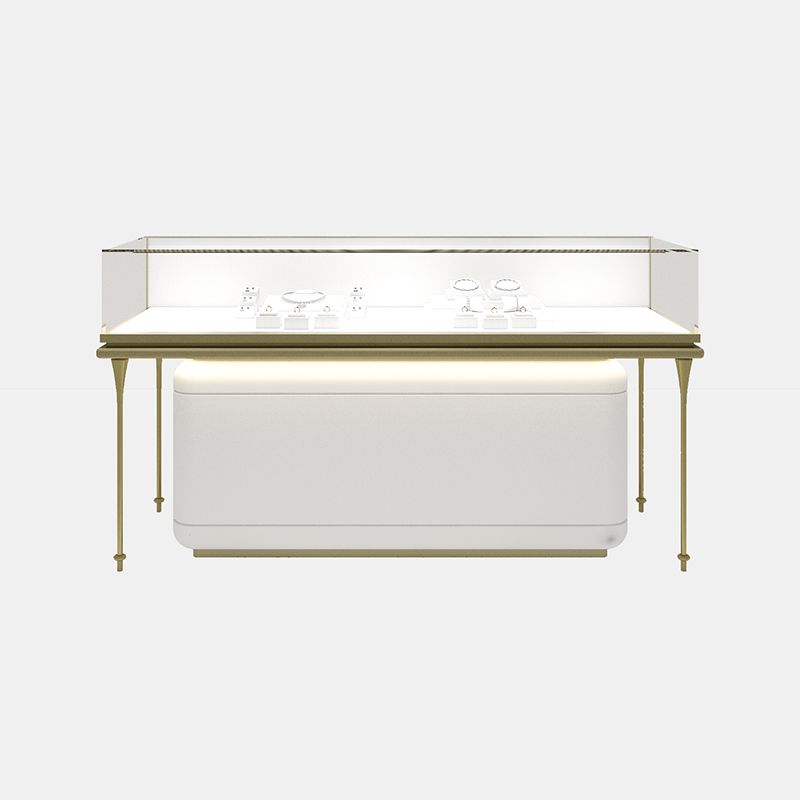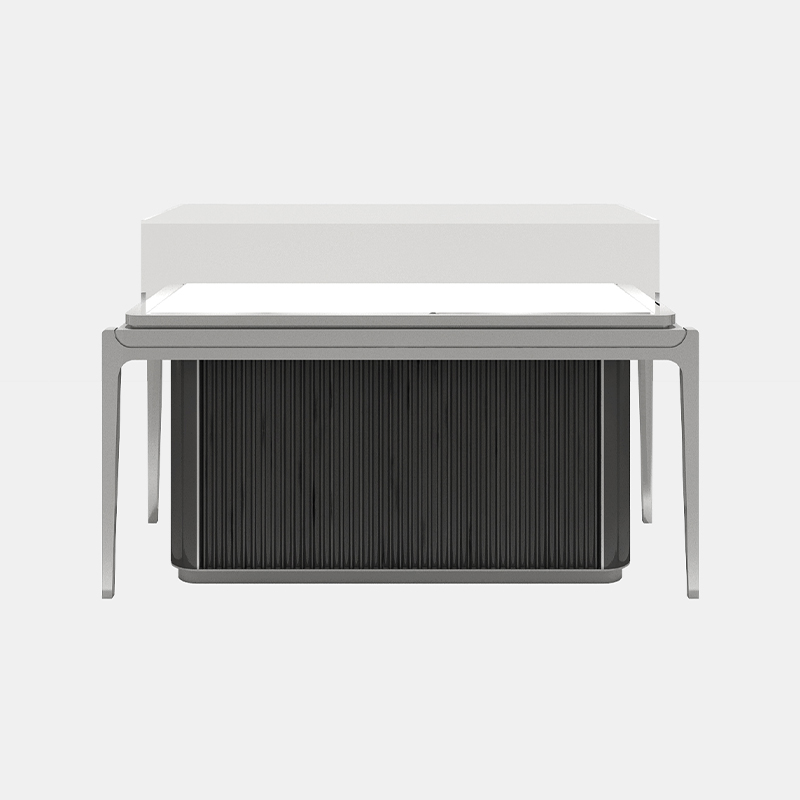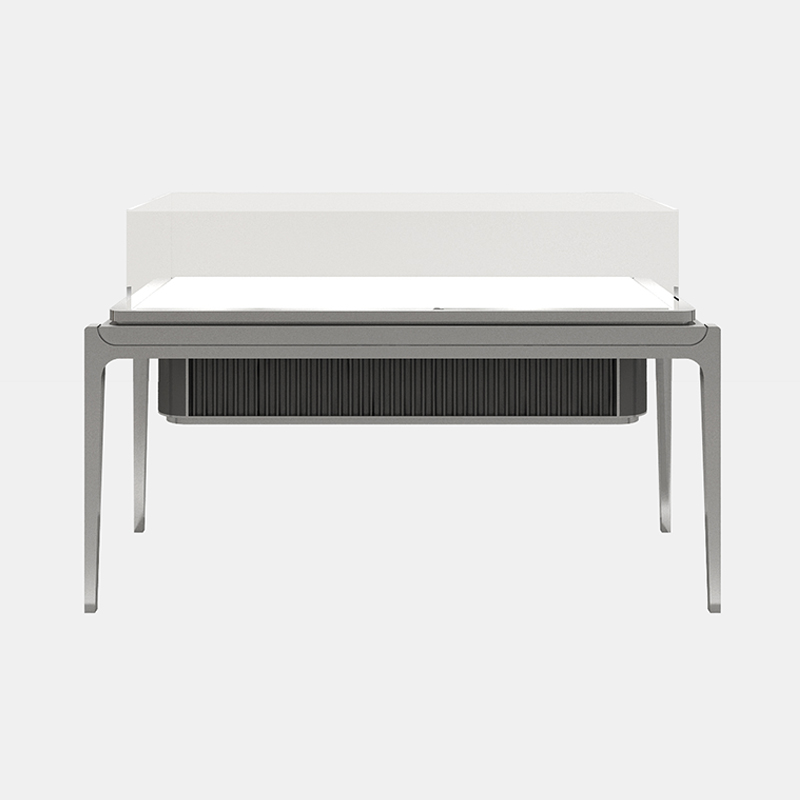
Well-designed retail display showcases can increase product sales by 20–40% compared to open shelving or standard rack displays. The mechanism is straightforward: enclosed, well-lit display cases signal product value, guide customer attention, reduce theft, and create a premium retail environment that encourages higher average transaction values. This is not a marketing opinion — it is a measurable outcome documented across jewelry, electronics, cosmetics, and specialty retail sectors.
The impact of a custom display showcase extends beyond aesthetics. A strategically configured display cabinet controls the customer's visual journey through your store, highlights hero products, and communicates brand positioning in the seconds before a salesperson engages. In retail environments where the average customer decision window is under 8 seconds per product, the physical display structure becomes one of your most powerful sales tools.
Whether you operate a jewelry boutique, electronics showroom, watch retailer, or specialty cosmetics store, understanding how to select, configure, and light your commercial display cabinet is a direct investment in revenue performance. This guide provides specific, actionable guidance on every variable that influences showcase effectiveness.
Content
Retail research consistently demonstrates that product presentation format is among the top three determinants of purchase rate — alongside price and product quality. When products migrate from open shelving to enclosed custom glass display cases, retailers across multiple categories report measurable increases in both conversion rate and average transaction value.
The effect is most pronounced in categories where perceived value is a purchase driver. A luxury pen displayed flat on a shelf reads as a commodity; the same pen in an illuminated LED display showcase with a velvet interior reads as a considered purchase deserving of attention. This perceptual shift occurs in under three seconds of exposure — entirely before any verbal communication between customer and staff.
Figure 1 — Average Sales Lift When Moving Products into Enclosed Display Showcases (%)
Jewelry and watch retailers see the most dramatic benefit from enclosed retail display showcases, with average sales increases of 42% after transitioning from open display to locked glass cases — a direct result of perceived exclusivity and reduced friction theft that allows staff to focus on conversion rather than security. Cosmetics and fragrance follow closely at 34%, where scent testers in secured display units create a controlled, premium sensory experience that commands attention. Even in the consumer electronics sector, where customers often prefer to handle products, enclosed demo displays with scheduled access increase sales by an average 28% versus uncontrolled open displays by reducing damage and maintaining product presentation quality.
Off-the-shelf store display fixtures are designed to fit the broadest possible range of applications — which means they are optimized for none. A custom retail fixture designed around your specific product dimensions, brand palette, and customer interaction pattern outperforms generic alternatives across every measurable retail metric: dwell time, engagement rate, conversion, and theft reduction.
The customization advantage operates on three levels. First, dimensional fit: products that sit in showcases designed for their exact proportions look intentional and considered, rather than incidentally placed. Second, brand cohesion: when your display cabinet material, finish, and color scheme align with your store interior and brand identity, the cumulative brand signal builds customer confidence in product quality. Third, lighting precision: a showcase built with LED positioning calibrated to your specific merchandise eliminates shadows and creates the optimal illumination angle — something a standard cabinet cannot replicate without modification.
Research from the retail design field indicates that brand-coherent store environments — where display fixtures, wall finishes, and product presentation share a unified visual language — generate 23% higher customer dwell time and 18% higher average transaction values compared to stores using mixed, non-coordinated display systems. These are not aesthetic differences; they are commercial outcomes driven by the psychology of perceived quality.
Figure 2 — Custom Display Showcase vs. Standard Store Fixture: Performance Radar (Score 1–10)
This radar chart quantifies the performance gap between custom display showcases and off-the-shelf store fixtures across six critical dimensions. Custom showcases score at or near maximum on brand alignment, product fit, and visual impact — the three dimensions most directly linked to purchase conversion. Standard fixtures perform adequately on durability (a benefit of mass production) but significantly underperform on every dimension that influences the customer's in-store experience. The cumulative effect of these gaps explains why businesses that invest in custom retail fixtures consistently report stronger repeat visit rates and higher customer satisfaction scores than those relying on generic display solutions.
Lighting is the single most underestimated variable in retail display effectiveness. Studies from the lighting design industry show that products under correctly specified LED illumination sell at up to 30% higher rates than identical products under standard fluorescent or incandescent lighting. The difference lies in color rendering index (CRI), color temperature, and beam angle — three parameters that a well-designed LED display showcase controls precisely.
CRI measures how accurately a light source renders the true colors of objects compared to natural daylight, on a scale of 0–100. Standard retail fluorescent lighting typically achieves CRI 70–75. A quality jewelry display showcase with high-CRI LED strips (CRI 90+) makes diamonds sparkle with their actual brilliance, gold appear warm and rich, and gemstones display their true saturation. For jewelry specifically, the difference between CRI 75 and CRI 95 illumination is immediately visible to any customer — and it directly influences their perception of product quality.
Color temperature (measured in Kelvin) determines whether light appears warm, neutral, or cool. Warm white (2700–3000K) flatters gold jewelry, wood finishes, and leather goods. Neutral white (3500–4000K) suits electronics, watches, and mixed merchandise. Cool white (5000–6500K) enhances diamond clarity and is sometimes used in high-security settings where detail scrutiny matters. Selecting the wrong color temperature for your product category visually degrades merchandise that would otherwise appear premium under correct illumination.
| Product Category | Color Temp (K) | Min CRI | Beam Angle |
|---|---|---|---|
| Gold Jewelry | 2700–3000K | 95 | 15–25° |
| Diamonds / Gemstones | 4000–5000K | 95+ | 10–20° |
| Cosmetics / Skincare | 3500–4000K | 90 | 30–45° |
| Consumer Electronics | 4000–5000K | 80 | 35–60° |
| Watches | 3000–4000K | 95 | 15–30° |
| Eyewear | 3500–4500K | 85 | 40–60° |
The material composition of a custom glass display case or retail display cabinet affects not only its visual impression but also its durability, maintenance requirements, customization potential, and suitability for different product weights and security levels. The three dominant material systems in commercial showcase manufacturing are tempered glass, acrylic (PMMA), and metal framing — each with distinct trade-off profiles.
Tempered glass remains the premium standard for jewelry display showcases and high-end retail environments. Its optical clarity — typically greater than 90% light transmission — allows products to be seen without visual distortion at any angle. Tempered glass is 4–5 times stronger than standard glass of equivalent thickness and shatters into small, relatively safe fragments rather than sharp shards. For retail environments where customer safety and product visibility are both priorities, 5mm–8mm tempered glass is the industry standard.
Acrylic offers a lightweight, impact-resistant alternative to glass at approximately half the weight. It can be formed into curves, custom shapes, and unusual geometries that flat glass cannot achieve — making it the preferred choice for unique custom retail fixtures where shaped display surfaces are part of the design brief. Acrylic is more prone to surface scratching than glass over time, but high-quality scratch-resistant coatings extend service life significantly. For pop-up retail, temporary exhibitions, and environments where transport between venues is required, acrylic provides superior practicality.
The structural frame of a commercial display cabinet — typically aluminum alloy or steel — determines rigidity, load capacity, and the overall visual line of the showcase. Slim aluminum profiles (12–15mm) create a contemporary, minimal aesthetic that maximizes glass visibility area. Broader steel frames in brushed or powder-coated finishes project an industrial or high-security character suited to electronics and premium streetwear displays. Frame finish selection should align with your brand identity system and store interior design scheme.
Figure 3 — Display Showcase Material Performance by Category (Score 1–10)
This grouped bar chart reveals that no single material dominates across all performance dimensions — the right choice depends on your display priorities. Tempered glass wins on optical clarity, making it the default for jewelry and luxury goods where product visibility is paramount. Acrylic leads on both customizability and portability, making it the superior choice for brands that need distinctive shaped displays or multi-location flexibility. Metal framing scores equally with acrylic on impact resistance, confirming its role as the structural backbone of long-term commercial installations. Understanding these trade-offs before specifying your commercial display cabinet prevents costly post-installation regrets.
Even a perfectly designed retail display showcase underperforms if placed in the wrong location within the store layout. Retail traffic flow research — based on path tracking and heat mapping studies across hundreds of retail environments — identifies five placement zones with distinct conversion implications.
Figure 4 — Customer Engagement Rate (%) with Showcases by Store Zone Position
This line chart plots customer engagement rate — defined as the percentage of store visitors who stop, look at, or interact with a showcase — across the five primary zone positions in a typical retail store layout. The point-of-sale zone achieves the highest engagement at 78%, capitalizing on customers who are already in purchase mode. The entry zone underperforms dramatically at just 18%, confirming that premium showcase placement in the decompression zone is a common and costly retail mistake. Positioning your highest-margin jewelry display showcase or featured product case in either the right-turn zone or at the point of sale generates the most measurable revenue return on your display investment.
Working with a display case manufacturer to produce a custom showcase is a structured process with clear decision points. Approaching this process with a complete specification brief reduces manufacturing lead time, eliminates revision cycles, and ensures the finished product meets your operational requirements. The following checklist covers the key variables your manufacturer will require.
A reputable display case manufacturer will provide detailed technical drawings for client approval before production begins. Review these carefully against your checklist — changes made after production commences typically add significant cost and delay. Request a physical material sample of frame finish and interior lining before confirming your order if the exact appearance is critical to your brand standards.
Established in 2009, Zhejiang SUNTOP Commercial Display Products Co., Ltd. is a comprehensive commercial display solutions provider specializing in creating high-performance retail environments. The company integrates design planning, display cabinet and prop production, and decoration and renovation contracting into a single-source service model — enabling clients to receive a cohesive, brand-aligned display environment without managing multiple suppliers.
SUNTOP's manufacturing facility covers 25 acres with a built floor area of 25,000 square meters, supporting annual production capacity in excess of 100 million units. This scale allows the company to fulfill both large-volume standard orders and highly customized single-store installations with equivalent quality control and lead-time reliability.
The company's custom display showcase offering covers the full range of retail categories — from jewelry display showcases and LED display showcases for luxury goods to modular retail display cabinets for multi-location chain retailers. Each project begins with design consultation to align the showcase specification with the client's brand identity, product range, and customer experience objectives.
Q1. How do I design a custom retail display showcase?
Start by defining your space constraints, product dimensions, and brand style guidelines. A qualified display case manufacturer will translate these inputs into technical drawings covering dimensions, materials, glass type, interior layout, lighting position, and finish. Providing mood board references and a completed specification checklist at your first consultation shortens the design iteration process significantly.
Q2. What materials are best for display showcases?
Tempered glass (5–8mm) is the standard for jewelry and luxury retail due to superior optical clarity. Acrylic suits shaped or portable displays. Aluminum alloy frames provide a contemporary, lightweight structure; steel frames offer greater rigidity for large or security-critical installations. The best material combination depends on your product weight, security requirements, and design aesthetic.
Q3. How long does it take to manufacture a custom showcase?
Standard lead times for custom display showcases range from 3–6 weeks for straightforward designs to 8–12 weeks for complex, multi-unit projects with specialized finishes or integrated technology. Approving technical drawings promptly and confirming material samples quickly are the two client-side actions most likely to keep production on schedule.
Q4. What is the best lighting for display cases?
LED lighting with CRI 90+ is the current industry standard for all premium retail display showcases. For jewelry, use 2700–3000K warm white for gold and 4000–5000K neutral white for diamonds. Position LED strips at the top front edge of the interior for maximum shadow elimination. Avoid fluorescent or halogen lighting — both generate heat that can damage sensitive merchandise and produce inferior color rendering.
Q5. Glass vs. acrylic display showcases: which is better?
Glass delivers superior optical clarity and scratch resistance — the preferred choice for permanent, high-traffic retail installations displaying jewelry or luxury goods. Acrylic offers greater design flexibility, lighter weight, and better impact resistance — better suited for shaped displays, pop-up retail, or environments where portability matters. Many custom showcase projects combine both: tempered glass panels in critical visibility areas with acrylic structural or interior components elsewhere.
Q6. How do I choose the right showcase for my store?
Match showcase type to your product and customer interaction model. Counter-top glass showcases suit small, high-value items requiring staff assistance. Floor-standing island showcases work for browsable product ranges where customers self-select. Wall-mounted display cabinets maximize floor space in compact stores. Discuss your store traffic patterns, product security requirements, and brand identity with your manufacturer before specifying.
Q7. What are the latest retail display trends?
Current trends in commercial display cabinet design include: minimalist slim-frame profiles that maximize glass visibility area; integrated ambient LED with adjustable color temperature; modular systems that can be reconfigured seasonally without full replacement; mixed material combinations (glass, natural wood, brushed metal); and digital signage integration within the showcase structure for dynamic product information display. Sustainability credentials — FSC-certified wood, recycled metal content, and low-VOC finishes — are also increasingly requested by retail brands.
Q8. How can I maximize product visibility in a showcase?
Use low-iron (extra-clear) glass to eliminate the greenish tint of standard tempered glass. Install LED lighting with CRI 90+ at the top front position to eliminate shadows across all shelf levels. Avoid overcrowding — limit each shelf to 60–70% of its available area to prevent visual competition between items. Use risers or display stands of varying heights to create visual depth, and apply contrasting interior lining colors that make your product category stand out clearly to approaching customers.


 ਪੰਜਾਬੀ
 English
 عربى
عربى русский
 中文简体
中文简体