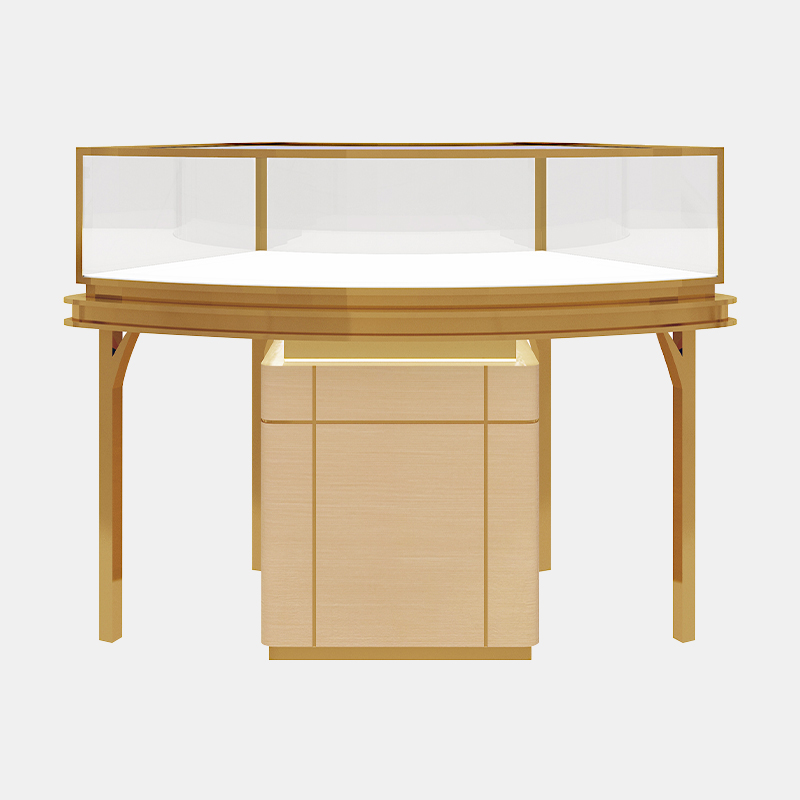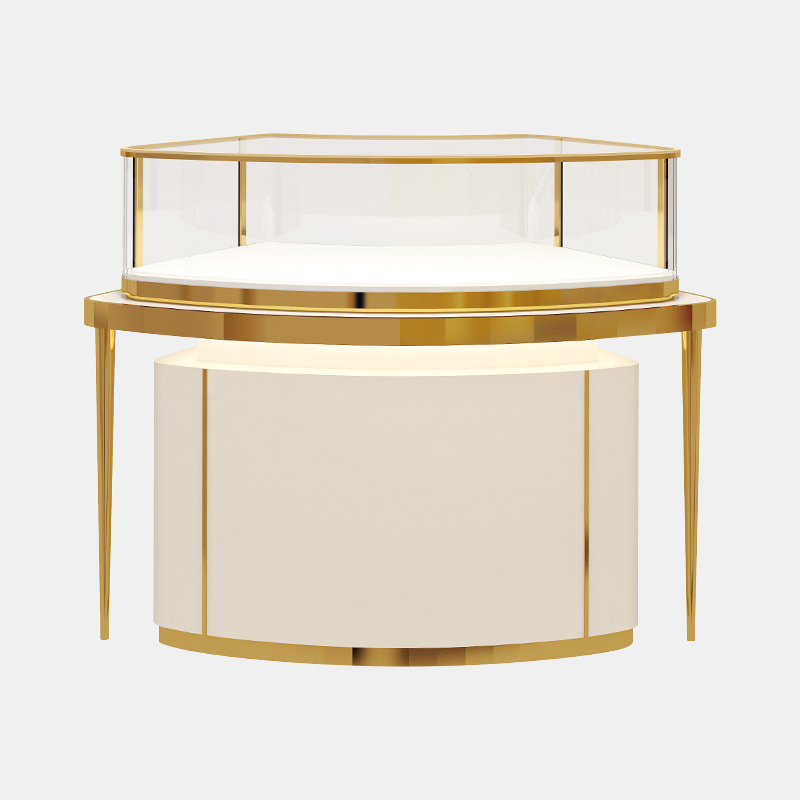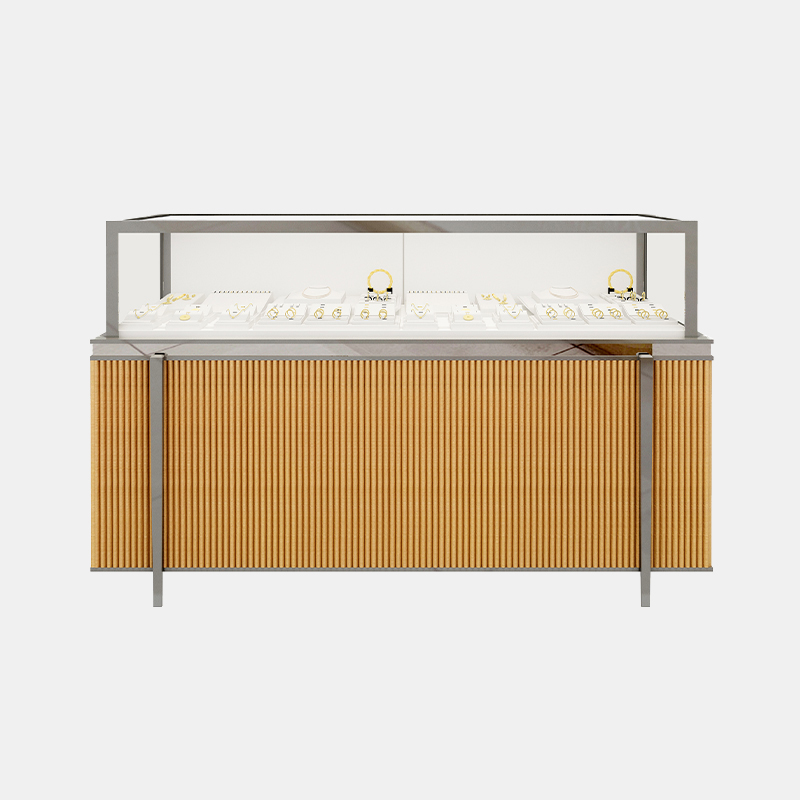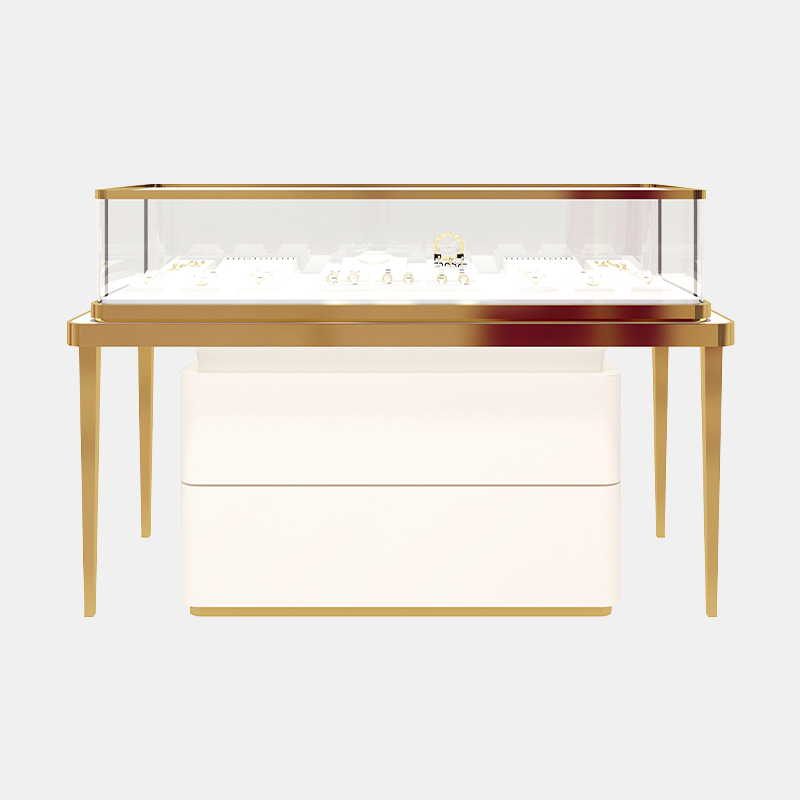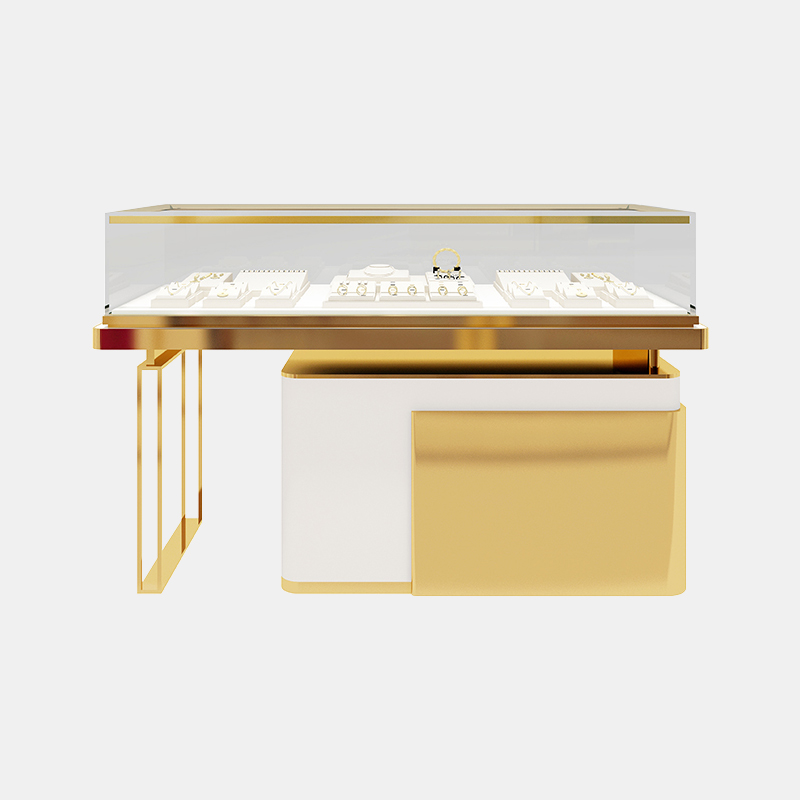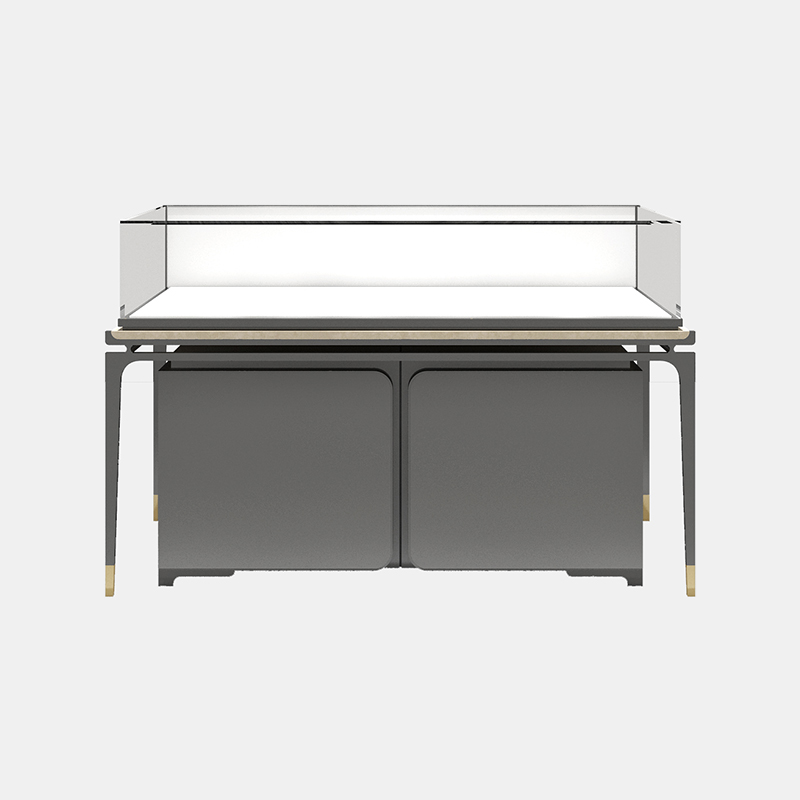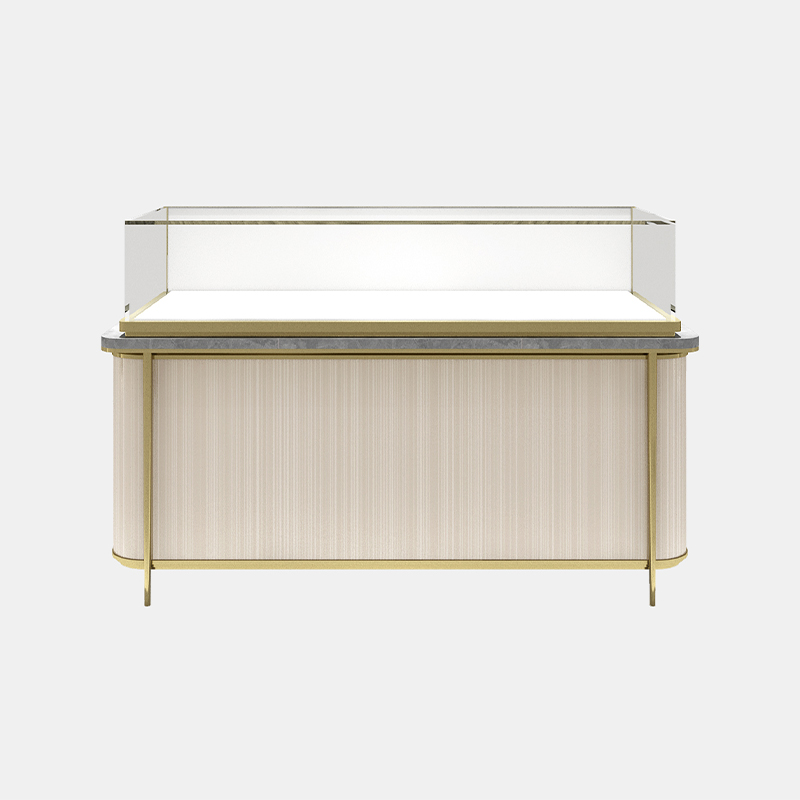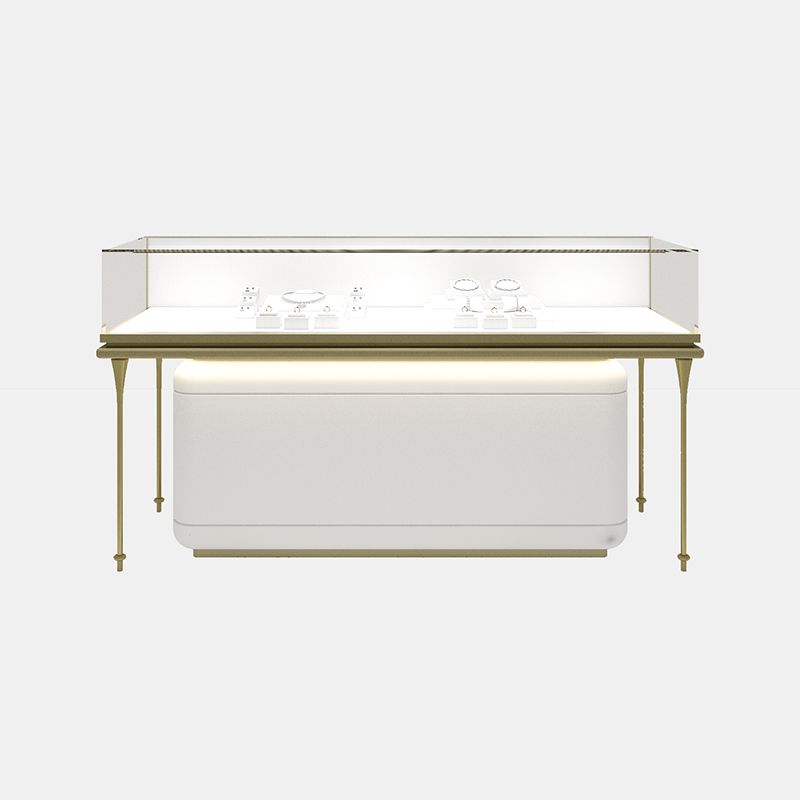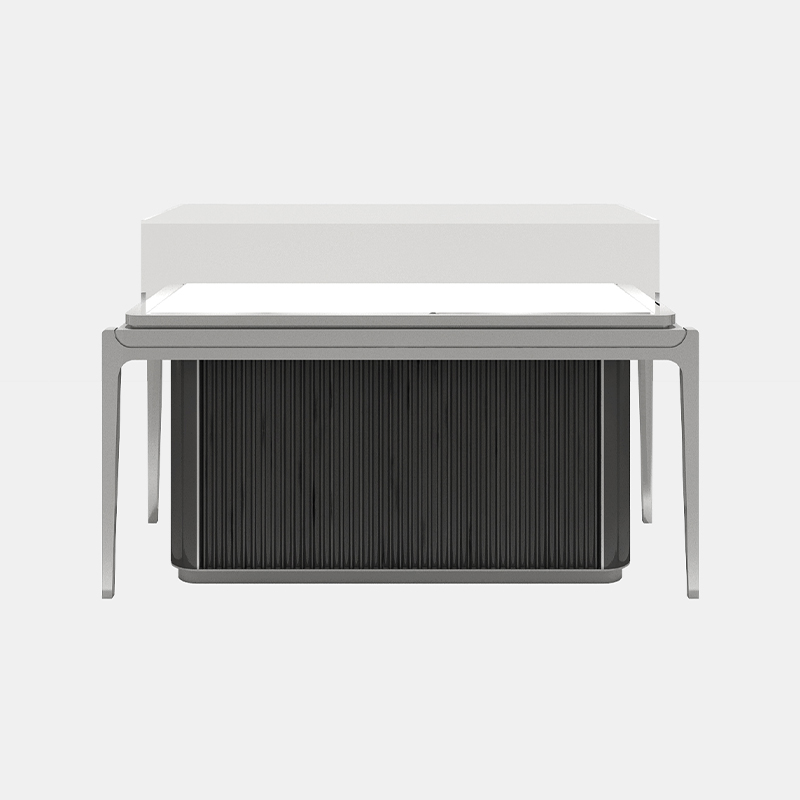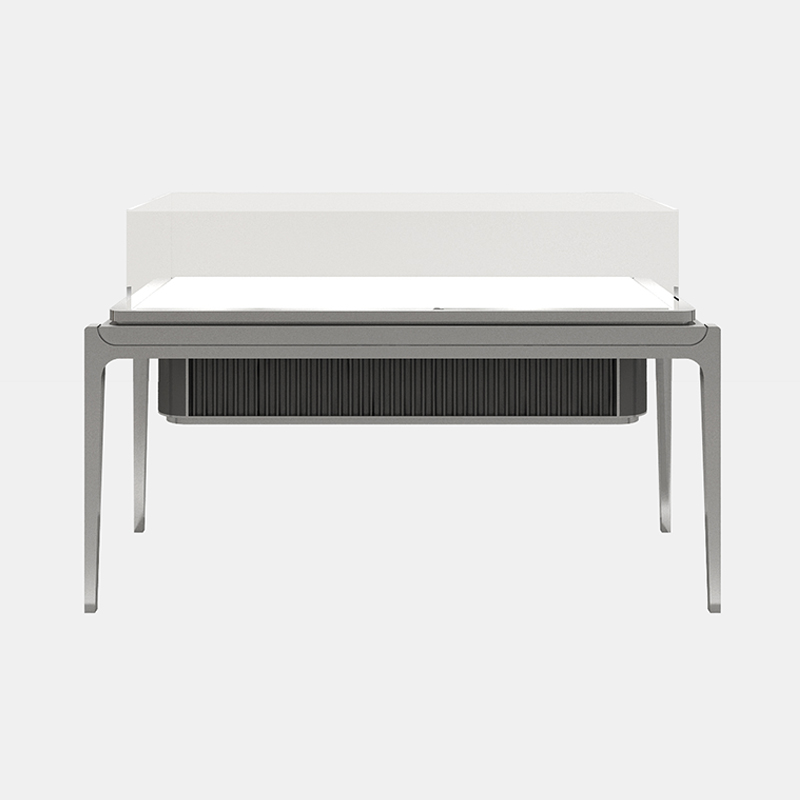
Temperature and Humidity Control: Constant temperature and humidity display cabinets can adjust the internal environment to prevent cultural relics from being damaged by temperature and humidity fluctuations (such as paper embrittlement and metal rust).
Anti-ultraviolet and harmful light: Low-reflection glass or special coating is used to filter more than 99% of ultraviolet rays to reduce the damage of light to cultural relics.
Airtightness and dustproof: Highly sealed structure prevents dust and pollutants from entering, and some display cabinets are filled with inert gas (such as nitrogen) to delay oxidation.
Earthquake and anti-theft: Equipped with anti-vibration devices and smart locks to ensure the safety of cultural relics in emergencies.
Optical Optimization: Highlight the details of cultural relics through lighting layout (such as LED side light source, top diffuse light) to avoid glare interference.
Visual Transparency: Ultra-white glass or low-iron glass provides high light transmittance (≥91%), reduces color deviation, and ensures clear viewing for the audience.
Space design: Customize the display cabinet form according to the size and theme of the cultural relics, such as independent cabinets, through cabinets, niche cabinets, etc., to enhance the narrative.
|
Type |
Features |
Applicable scenarios |
|
Independent cabinet |
Single structure, 360° visibility, flexible placement |
Three-dimensional cultural relics such as sculptures and bronzes |
|
Through cabinets (row cabinets) |
Multiple display cabinets are seamlessly connected to form a continuous display line |
Linear display of calligraphy and painting, ceramic series, etc. |
|
Lift cabinets |
Electric or hydraulic drive, adjustable height, easy maintenance |
Heavy or frequently replaced exhibits |
Glass cleaning: Use lint-free cloth and special cleaning agent (avoid ammonia) to avoid scratching the surface.
Sealing inspection: Test the aging of the rubber strips every quarter to prevent moisture infiltration (humidity fluctuations must be controlled within ±3%).
Sensor calibration: Temperature and humidity sensors need to be professionally calibrated every year to avoid data deviation.
Light attenuation replacement: The life of LED light source is about 50,000 hours, and it needs to be replaced when the color temperature deviation exceeds 10%.
Sudden power outage: Equipped with UPS backup power supply to ensure that the constant temperature and humidity system continues to operate for at least 2 hours.
Emergency removal of cultural relics: Design a quick opening mechanism (such as a double lock system) to avoid delays in rescue.


 ਪੰਜਾਬੀ
 English
 عربى
عربى русский
 中文简体
中文简体