Content
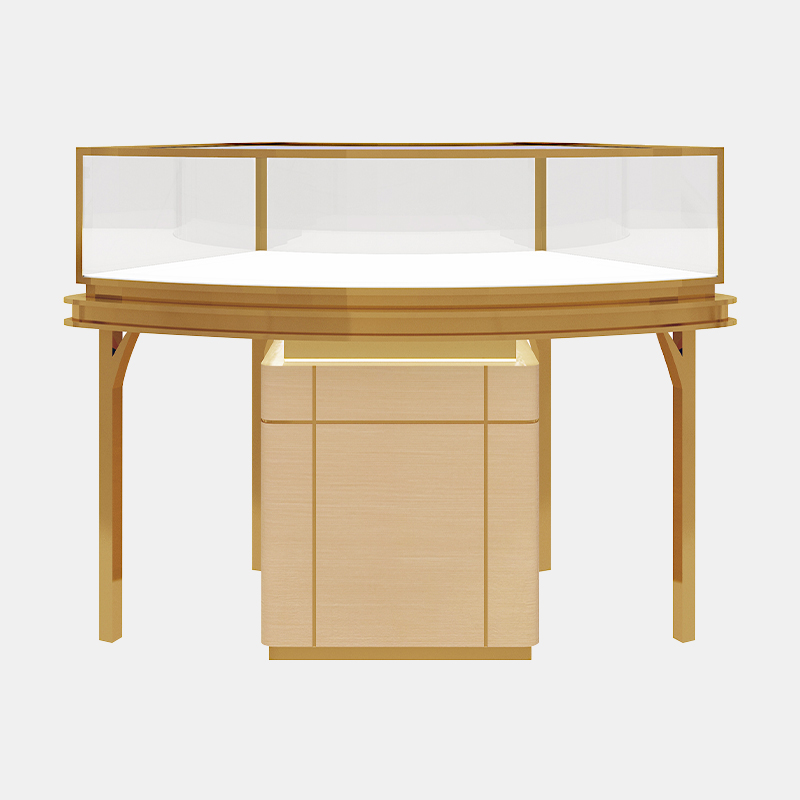
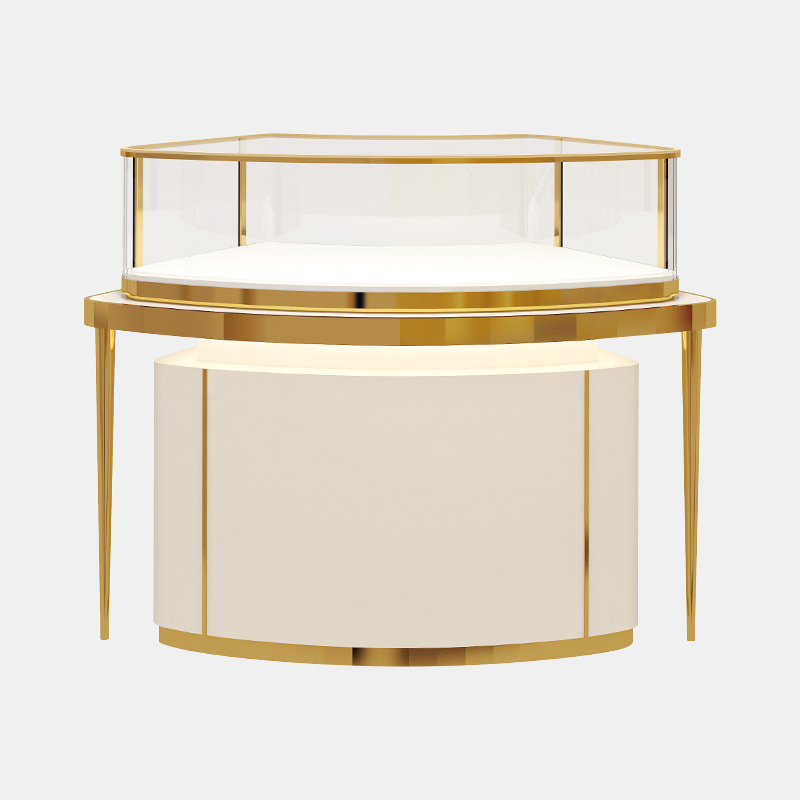
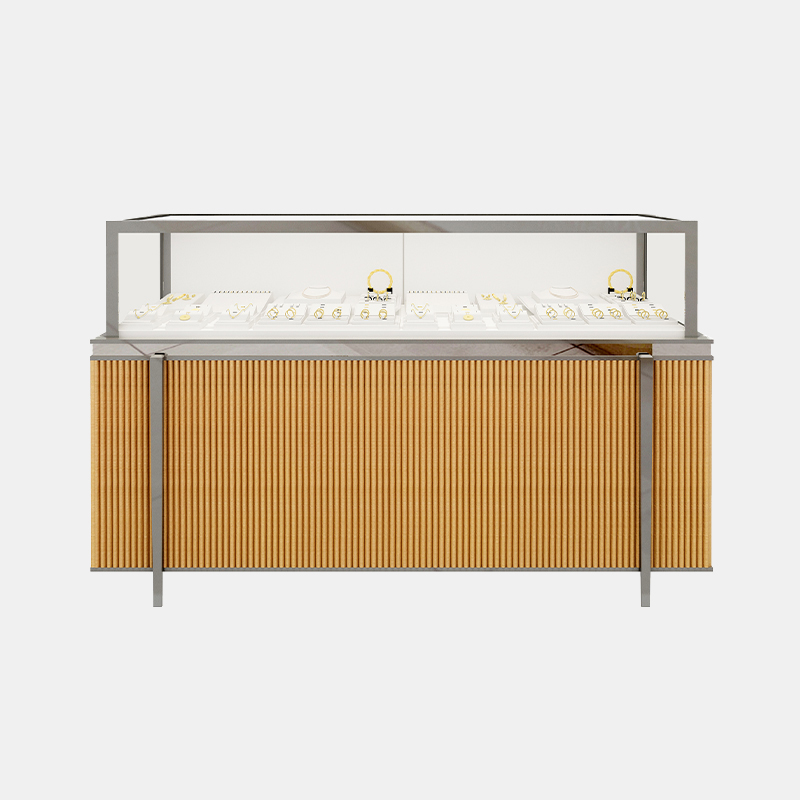
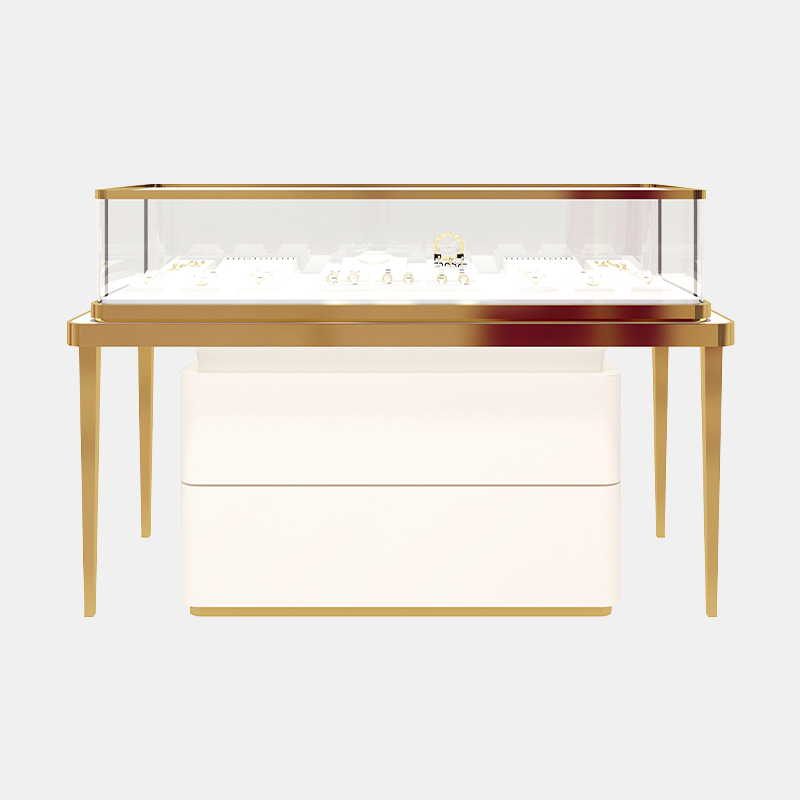
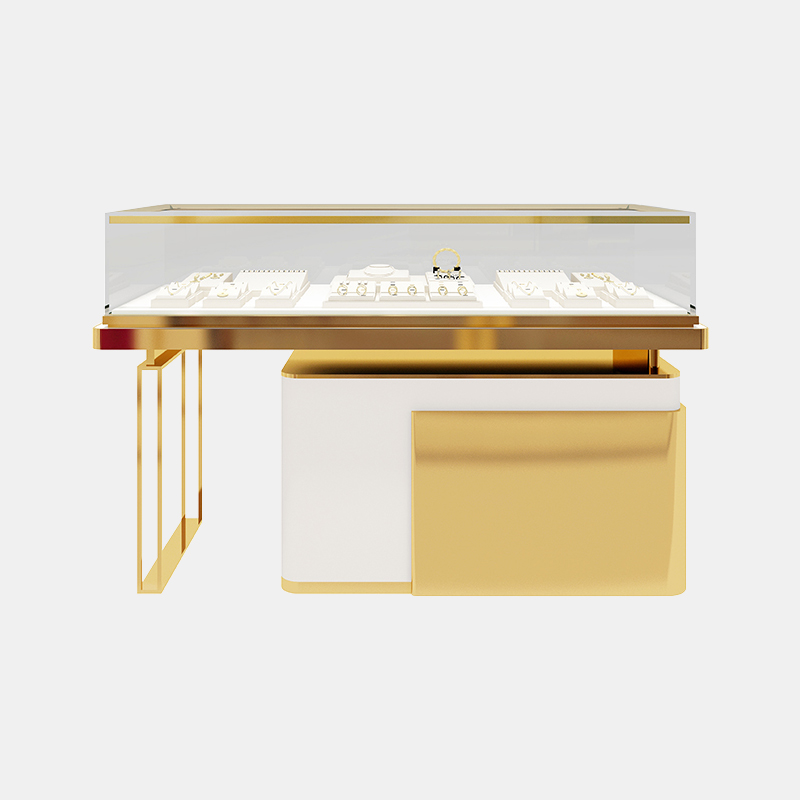
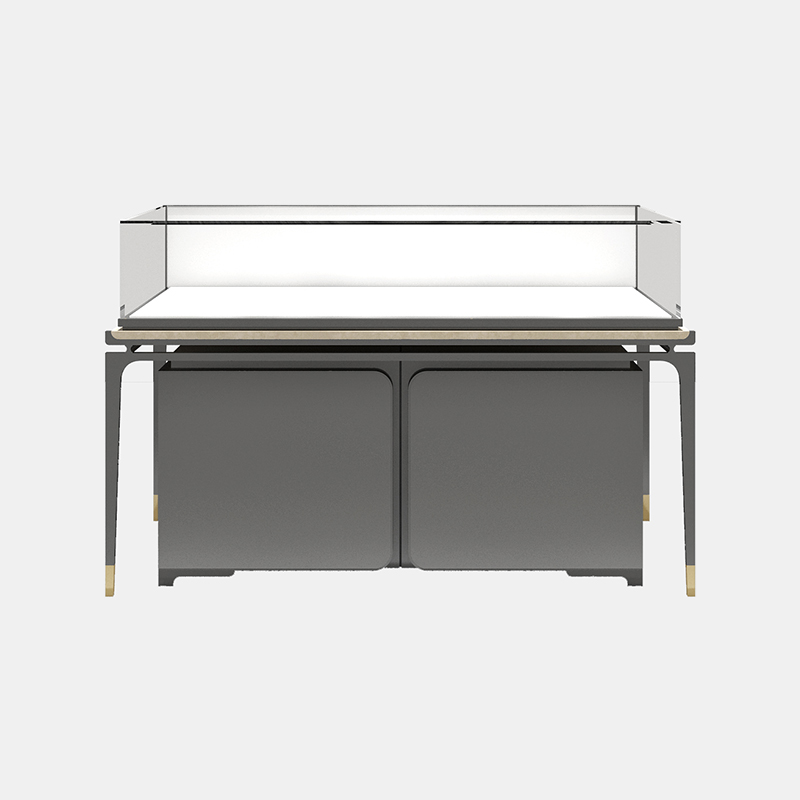
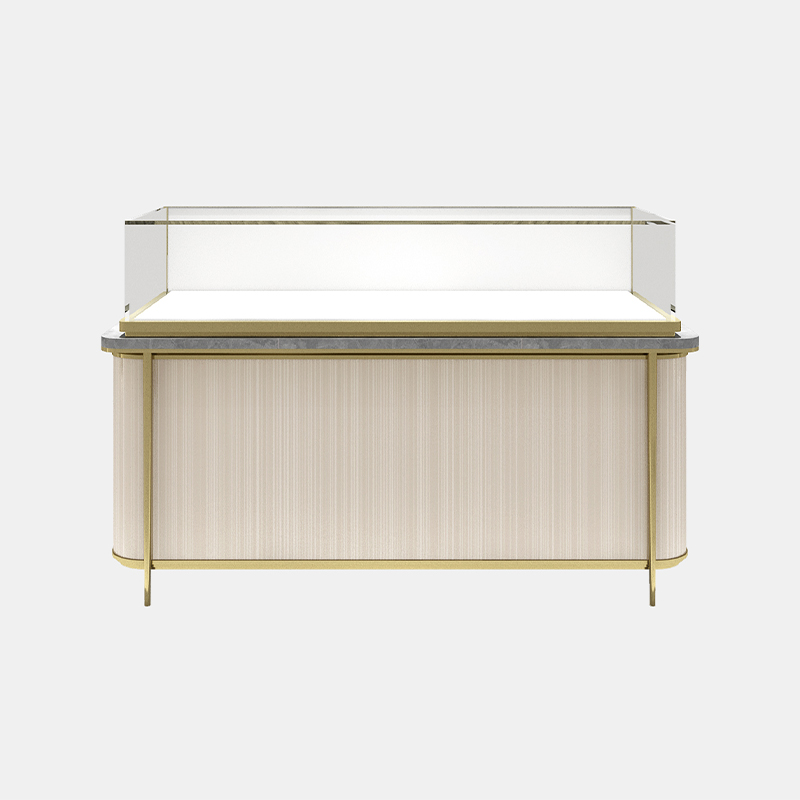
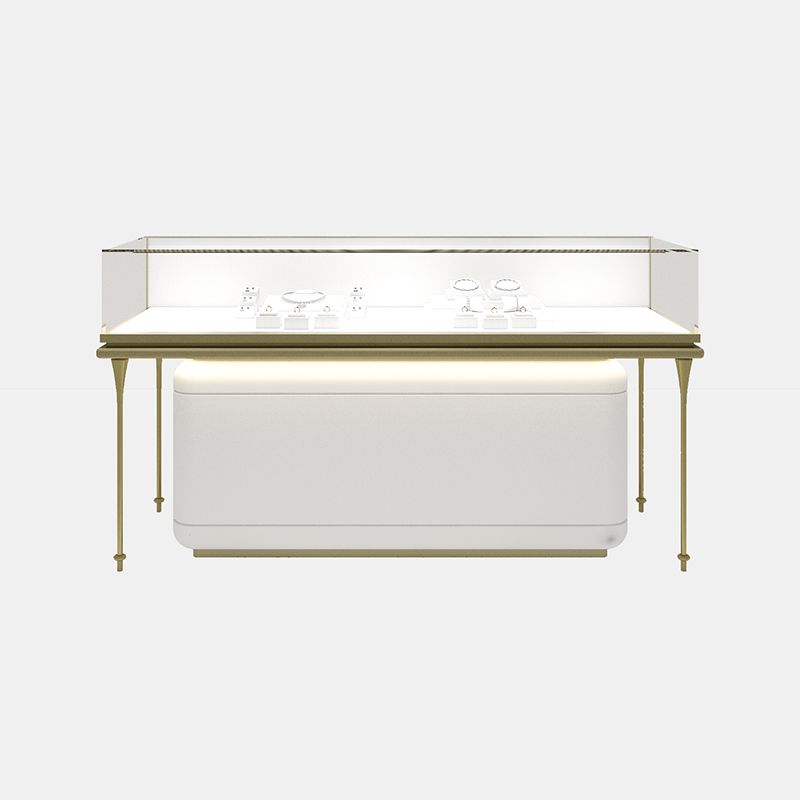
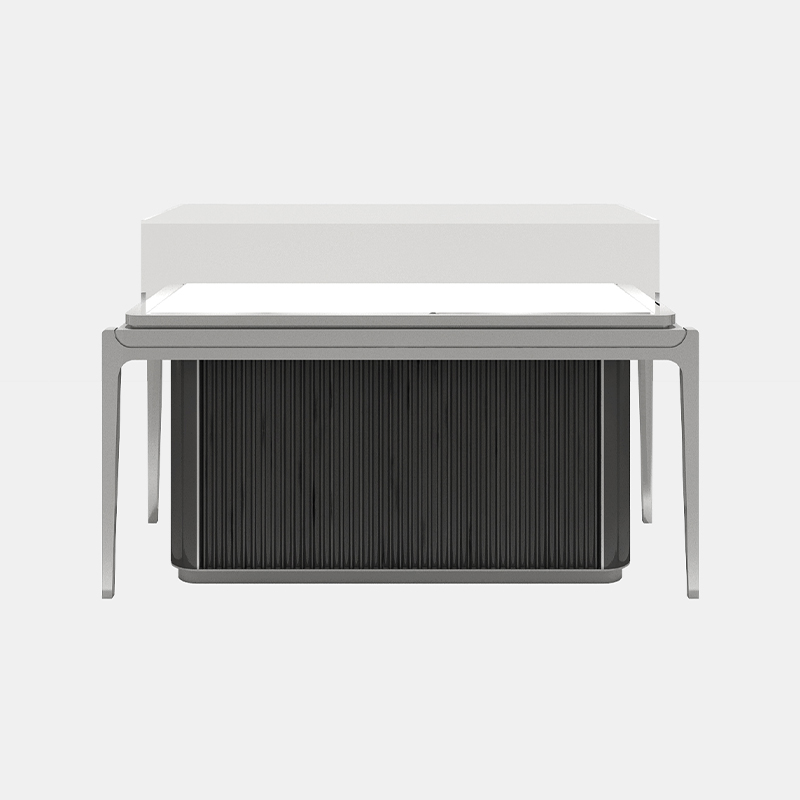
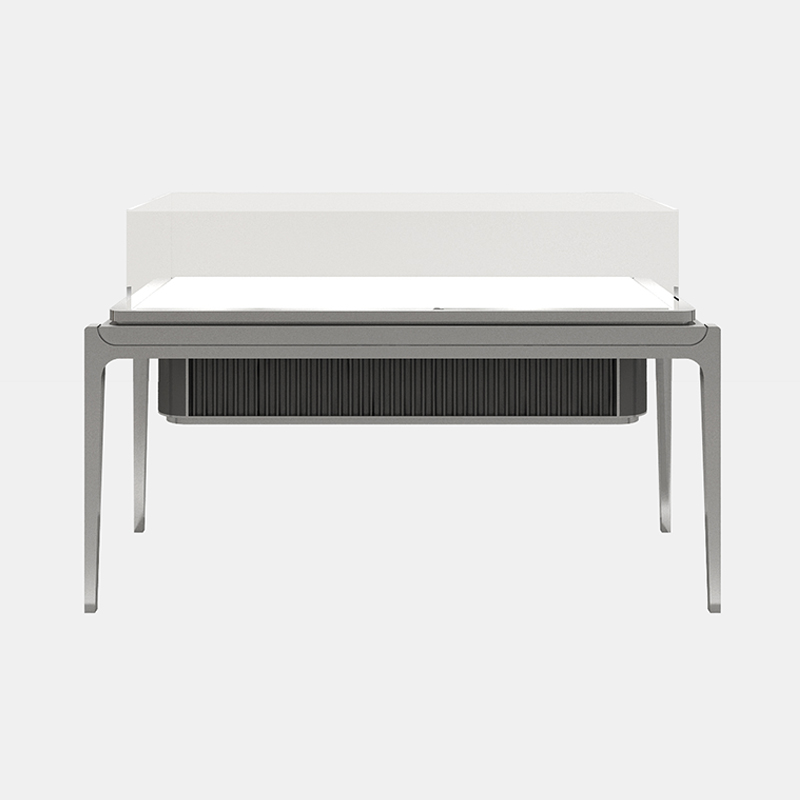
A cosmetic showcase is a purpose built retail fixture, usually a glass or acrylic cosmetic display case, designed to present makeup, skincare, haircare, and perfumery products in a way that highlights their packaging, texture, and brand identity while keeping the products organized, visible, and protected on the sales floor. Unlike a plain shelf, a showcase is built around lighting, sightlines, and product grouping so that shoppers can browse, compare, and test items with minimal friction.
In daily store operations, understanding what is cosmetic showcase function really comes down to three practical jobs the fixture handles at once: it organizes inventory by category or brand, it protects higher value items from damage and shrinkage, and it creates a visual moment that slows shoppers down long enough to notice a product they might otherwise walk past. In beauty retail, where purchase decisions are often driven by how a product looks and feels on the shelf, this combination of function and presentation is a major factor in sales performance.
Not every fixture that holds cosmetics functions well as a showcase. A handful of design elements consistently separate a display that performs well from one that simply holds inventory.
Lighting shapes how color, texture, and packaging finish read to the eye. Poor lighting can make premium packaging look flat, while well placed lighting draws the eye directly to featured products.
Clear, low distortion glass keeps the focus on the product rather than the fixture itself, and it protects items from dust and handling while still allowing a full, unobstructed view.
Usable storage beneath or behind the visible display area lets staff restock quickly without leaving gaps on the shelf, which matters during busy periods or seasonal promotions.
Panels, backlit logos, and dedicated shelf zones give individual brands a consistent, recognizable presence, which is particularly important in multi-brand beauty retail environments.
Lockable doors, sliding panels, or enclosed cabinets protect smaller, higher value items such as fragrance and premium skincare from loss while still keeping them visible to shoppers.
The chart below shows how these five elements typically rank in terms of their overall influence on how well a cosmetic showcase performs on the sales floor.
Relative influence of key display elements on showcase performance, shown on a 0 to 100 scale for illustration purposes.
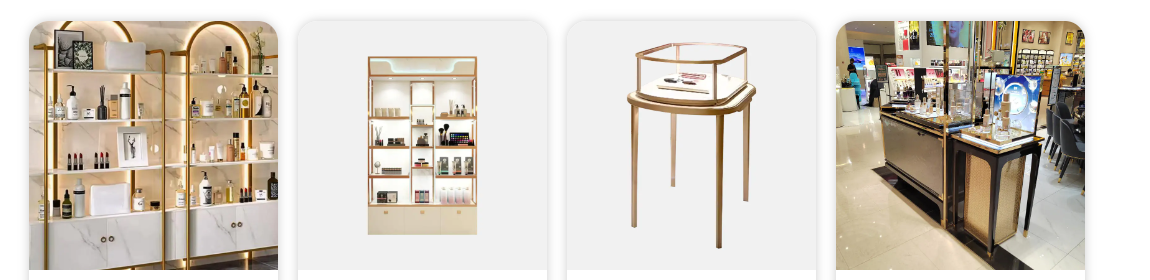
Different store formats call for different showcase styles. Choosing the right type usually depends on the available floor space, the value of the products being displayed, and how much staff interaction is expected at that fixture.
| Showcase Type | Typical Use | Common Material |
|---|---|---|
| Countertop cosmetic display | Small counters and checkout areas | Glass or acrylic panels |
| Wall-mounted showcase | Vertical space along store walls | Glass shelving with integrated lighting |
| Freestanding island case | Central floor displays for new launches | Glass cosmetic showcase with a locking base |
| Modular display cabinet | Adjustable multi-brand sections | Combination of glass and metal framing |
A showcase is more than a container for products, it directly shapes how long shoppers linger, how easily they compare items, and how confident they feel picking something up. Stores that upgrade from open shelving to a proper cosmetic showcase commonly see a noticeable shift in how customers move through that section.
The pattern below illustrates a typical change in average browsing time near a cosmetics section over a six month period following a showcase redesign, compared with a section that kept standard open shelving.
Illustrative average browsing time near a cosmetics section, shown in relative units over a six month period.
Lighting choice affects how accurately shoppers perceive product color, which matters most for foundation shades, lipstick tones, and skincare packaging. LED cosmetic display lighting has become the standard choice for most modern showcases because it produces consistent color rendering while staying cool enough not to affect nearby formulas that are sensitive to heat.
Warm toned LED strips tend to flatter skin adjacent products such as foundation and blush, while cooler toned makeup display lighting is often used for fragrance and packaging heavy displays where a crisp, clean look is the priority. The chart below compares several common lighting types on a general color rendering scale.
General color rendering comparison across common display lighting types, shown on a 0 to 100 scale.
Cosmetic shelf height has a direct effect on which products get noticed first. Most shoppers scan a fixture starting at eye level and work outward, so the placement of each product line within a showcase is worth planning deliberately rather than filling shelves in whatever order stock arrives.
| Display Zone | Recommended Height | Notes |
|---|---|---|
| Eye level zone | 130 to 160 cm from the floor | Best for premium items and new product launches |
| Reach zone | 90 to 130 cm from the floor | Suited to frequently repurchased everyday items |
| Lower zone | Below 90 cm | Better suited to bulk or backup stock |
| Top zone | Above 160 cm | Best used for branding elements rather than items shoppers pick up directly |
General retail display height planning like this works best alongside regular resets, since seasonal campaigns and new launches often deserve temporary priority placement within the eye level zone.
Premium and prestige beauty brands consistently choose glass over open shelving or acrylic alternatives. The reasons come down to perceived value, protection, and the way glass presents light and color without visible distortion. A luxury cosmetic display built around clear glass panels signals quality before a shopper even reads the packaging.
A glass cosmetic showcase also offers a practical security advantage, since lockable glass doors keep high value fragrance and skincare visible while limiting handling to staff assisted moments. The radar chart below compares glass showcases against open shelving and acrylic cases across several practical qualities.
Illustrative scoring across five practical display qualities, shown on a 0 to 10 scale.
Good beauty store merchandising is less about adding more product and more about guiding the eye through a clear sequence. A handful of consistent techniques tend to make the biggest visible difference on the sales floor.
These cosmetic merchandising ideas work across almost any store size, since the underlying goal is always the same, remove friction between a shopper noticing a product and being able to pick it up.
Higher value cosmetics, particularly fragrance and premium skincare, are common targets for shrinkage in open retail environments. A well designed showcase balances easy browsing with practical safeguards.
Sliding glass doors or hinged panels with simple locking mechanisms let staff control access to smaller, higher value items without hiding them from view entirely.
Reserve stock kept directly behind the visible shelf reduces how often staff need to leave the floor to restock, which keeps the display consistently full during busy hours.
Positioning showcases so staff can see across the top or through the glass from a service point makes casual monitoring easier without needing to hover near shoppers.
Retailers opening new locations, refreshing a brand counter, or building out a private label beauty line often need more than a catalog fixture. Working with an experienced cosmetic showcase manufacturer makes it possible to match fixture dimensions, finishes, and branding elements to a specific store layout rather than adapting the layout to whatever is already in stock.
A custom cosmetic display case project typically covers choices such as glass type, frame material and color, lighting placement, locking hardware, and logo or branding panels. Buyers exploring a wholesale cosmetic display cabinet arrangement for multiple store locations should also confirm sample review, production timelines, and installation support with a cosmetic display cabinet supplier before committing to a full rollout.
| Established | Factory Footprint | Annual Capacity |
|---|---|---|
| 2009 | 25 acres, up to 25,000 square meters of floor space | Over 100 million units per year |
Zhejiang SUNTOP Commercial Display Products Co., Ltd was established in 2009 and specializes in creating commercial display spaces for retail environments, including beauty and cosmetics sections. The company brings together design planning, display cabinet and prop production, and decoration and renovation project management under one roof, aiming to build a display space that fits each customer's brand positioning rather than offering a single fixed format.
Design planning starts from how a brand wants to present itself on the sales floor, then moves into cabinet and prop production so that the finished fixtures match the original layout concept closely, from proportions down to finish details.
The factory covers an area of 25 acres with floor space of up to 25,000 square meters, supporting an annual capacity of over 100 million units across the company's range of commercial display products.
Beyond fixture production, the team also supports decoration and renovation work connected to a display rollout, which helps keep design intent consistent from the initial concept through to the finished retail space.
| Q1. What makes a good cosmetic display showcase Lighting, glass quality, storage space, brand visibility, and security together determine how well a showcase performs on the sales floor. |
Q2. How high should cosmetic products be displayed Eye level, roughly 130 to 160 cm from the floor, is generally the strongest placement for featured or premium items. |
| Q3. What type of lighting is best for cosmetic displays LED lighting is the common choice, with warm tones suited to skin adjacent products and cooler tones suited to fragrance and packaging focused displays. |
Q4. How can I make my cosmetic store display more attractive Group by color or finish, leave breathing room around hero products, and rotate featured items on a regular schedule. |
| Q5. Why do luxury cosmetics use glass display cabinets Glass communicates quality clearly, avoids visible distortion, and allows lockable protection for higher value items without hiding them from view. |
Q6. What is the difference between a cosmetic showcase and a regular display shelf A showcase is built specifically around lighting, sightlines, and protection, while a regular shelf is typically just open storage without those design elements. |
| Q7. Can a cosmetic display case be customized for a small retail space Yes, compact countertop and wall-mounted formats are commonly used to bring showcase style presentation into smaller footprints. |
Q8. How do I maintain and clean a glass cosmetic showcase Wipe glass panels regularly with a soft cloth and a mild, non-abrasive cleaner, and check hinges or sliding tracks periodically for smooth operation. |


 ਪੰਜਾਬੀ
 English
 عربى
عربى русский
 中文简体
中文简体