Content
A Museum Display Cabinet exists to do two things at once, show an object clearly to visitors and shield that same object from the environmental forces that slowly damage it. Light exposure, shifting humidity, dust accumulation, and accidental contact are the main threats museum collections face day to day, and a well-built display cabinet addresses all four without asking curators to choose between visibility and protection.
Unlike open shelving or simple stands, a display cabinet creates a controlled microenvironment around the object. This distinction matters because most damage to artifacts, artworks, and historical materials happens gradually through repeated exposure rather than through a single dramatic event, which makes consistent environmental control the deciding factor in how well a piece survives decades of public display.
Every museum display cabinet is built from a consistent set of functional parts, even though finished styles vary widely between a freestanding case for sculpture and a wall-mounted case for flat artifacts. Understanding these parts helps explain why cabinet quality varies so much between basic display furniture and purpose-built museum cases.
Each part plays a role in the overall protective function, but the sealing quality between panels is often the detail that separates a case that maintains stable conditions from one that slowly equalizes with the surrounding room air.
Most museum display cabinets use low-iron glass rather than standard glass, since ordinary glass carries a slight green tint that becomes noticeable at larger panel sizes and distorts how visitors perceive an object's true color. Low-iron glass removes most of this tint, giving a clearer, more neutral view of the piece inside.
| Factor | Standard Glass | Low-Iron Glass |
|---|---|---|
| Color Tint | Slight green tint, visible on thick panels | Near colorless, true object tones preserved |
| Light Transmission | Moderate clarity | Higher clarity across the panel |
| Common Use | General retail and furniture display | Museum and gallery display cabinets |
Glass thickness and lamination also play a role in cabinet strength, with laminated panels often chosen for larger cases where panel size increases the risk of stress cracking over time.
Object deterioration in museum settings tends to trace back to a handful of recurring environmental factors. The chart below reflects the general share of preservation concern each factor represents across typical collection care discussions.
Light exposure, and specifically UV light, accounts for the largest share of gradual fading and material breakdown, which is one of the main reasons UV filtering has become a standard expectation rather than an optional upgrade in museum display cabinet specifications.
Museum display cabinets commonly use UV-filtering glass or applied UV film to reduce the amount of ultraviolet light reaching the object inside. Because UV wavelengths carry more energy than visible light, they accelerate fading and material breakdown even at relatively low overall light levels.
Interior lighting placement also matters for the same reason. Lighting fixtures positioned too close to an object can raise localized temperature inside the case, so most well-designed cabinets separate the light source from the display area or use lower heat output fixtures to avoid creating a warm microclimate around sensitive materials.
Humidity control inside a display cabinet generally relies on the sealed enclosure working alongside a buffering material, most often silica gel, placed inside the case to absorb small moisture swings before they reach the object. The column chart below shows a general pattern of how enclosed cases compare with open display in maintaining stable humidity over a typical day.
Sealed cases fitted with buffering material tend to hold humidity within a narrower range across a full day, while open display shelving fluctuates alongside the surrounding gallery air, which shifts more with visitor traffic, doors opening, and outdoor weather changes.
Different display cabinet formats suit different collection needs. The radar chart below compares a sealed climate cabinet against a standard glass display case across five factors commonly weighed during cabinet selection.
Sealed climate cabinets generally score higher across humidity control, UV protection, and dust sealing, while standard glass cases often remain a practical choice when visibility and structural simplicity are the higher priorities for a given exhibit.
Interest in preventive conservation, meaning design choices that stop damage before it starts rather than repairing it afterward, has grown steadily across museum planning discussions. The line below reflects this general directional pattern rather than a single fixed statistic.
This shift shows up in how new cabinets are specified, with sealed enclosures, buffered humidity control, and UV-filtering glass increasingly treated as baseline requirements rather than optional additions for a museum display cabinet for artifacts.
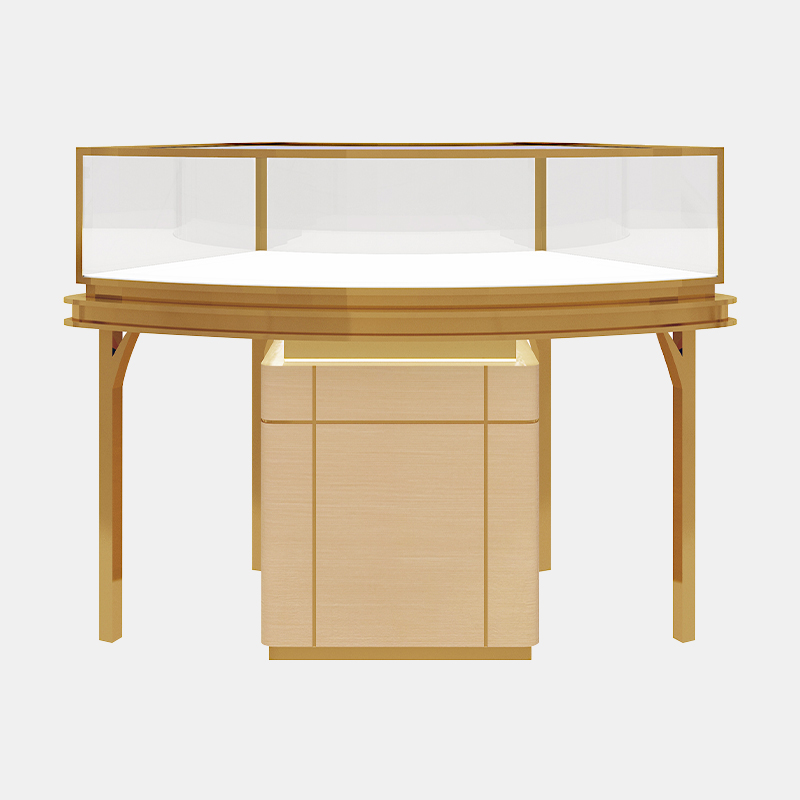
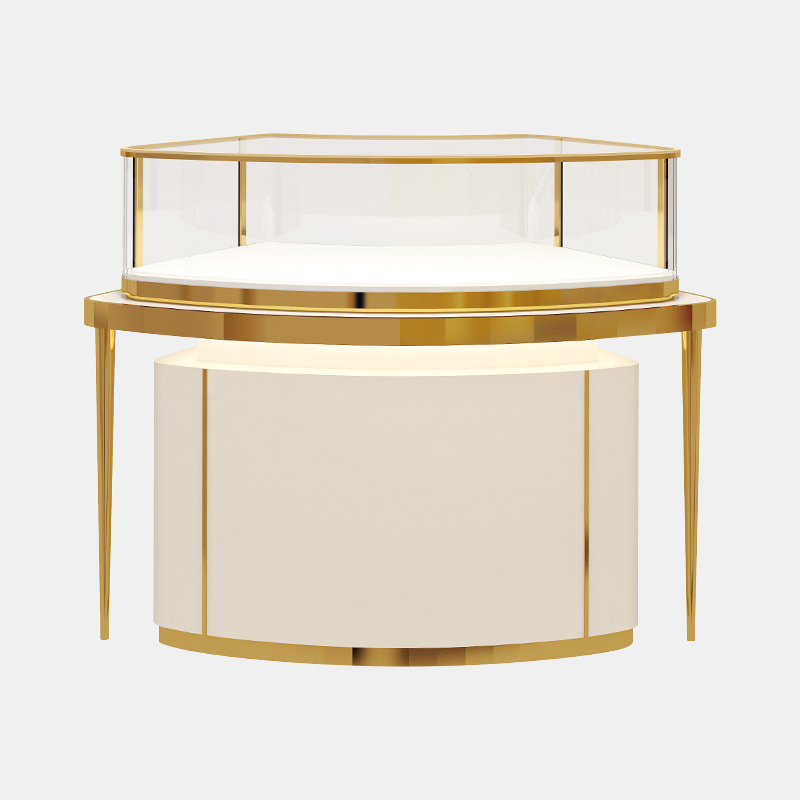
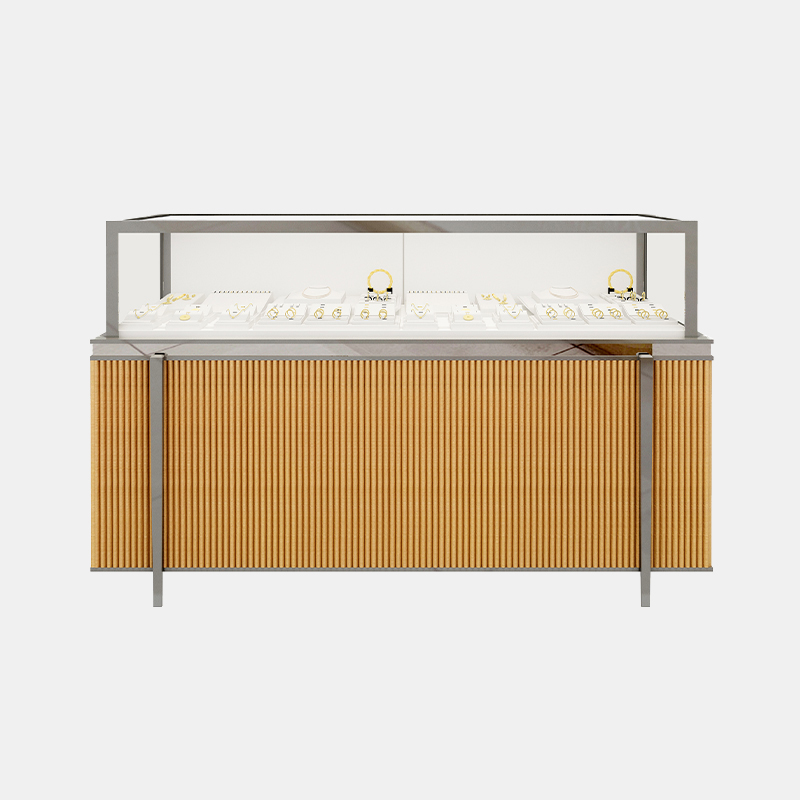
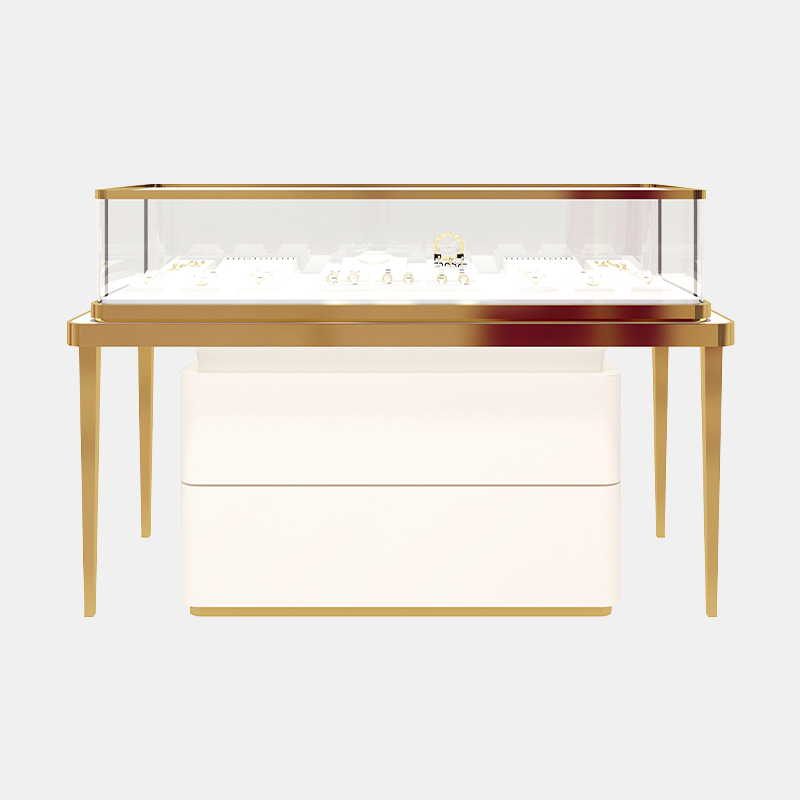
Not every collection piece calls for the same cabinet shape. A flat textile or document generally sits within a low, wide case, while a sculpture or three-dimensional object often needs a taller freestanding cabinet that allows viewing from multiple angles.
| Object Type | Commonly Matched Cabinet Format |
|---|---|
| Textiles and paper documents | Low horizontal case with angled viewing panel |
| Sculpture and three-dimensional pieces | Freestanding case for a museum display case for sculptures |
| Small artifacts and coins | Tabletop or countertop enclosed case |
| Wall-mounted artwork | Shallow wall-mounted display frame case |
| Large historical objects | Custom-built enclosed room case |
Institutions planning a new gallery layout often work directly with a custom museum display cabinet program at this stage, since object dimensions, viewing angle, and case placement all need to be resolved together before production begins.
Where a display cabinet sits within a gallery affects its performance almost as much as its construction. Cases placed too close to windows or direct sunlight face higher light exposure regardless of how well the glass filters UV, while cases near doorways or HVAC vents experience more frequent temperature and humidity shifts.
Working through these factors early in a gallery layout tends to reduce the need for adjustments after installation, which is one of the reasons many institutions request layout input from their supplier when working with an OEM museum display cabinet program.
Zhejiang SUNTOP Commercial Display Products Co., Ltd was established in 2009 and specializes in creating commercial display spaces. The company integrates design planning, display cabinet and prop production, and decoration and renovation contracting management, building display environments that fit each customer's specific positioning and collection needs.
The production facility covers 25 acres, with floor space reaching up to 25,000 square meters and annual capacity exceeding 100 million. As a museum display cabinet manufacturer and museum display case manufacturer, SUNTOP works with institutions and project teams across custom museum display cabinet and museum showcase supplier programs, supporting collection display needs from initial planning through finished installation.

It is an enclosed case designed to show a collection object clearly while shielding it from light, humidity, dust, and physical contact.
The terms are often used interchangeably, though showcase sometimes refers to smaller retail-style units while display case implies a fully sealed conservation-grade enclosure.
Sealed panels, UV-filtering glass, and buffered interior humidity work together to reduce light damage, moisture swings, and dust contact.
Low-iron glass is the common choice, often combined with UV-filtering treatment and lamination for larger display panels.
Low-iron glass removes the slight green tint found in standard glass, giving visitors a clearer and more accurate view of true object color.
Sealed enclosures are paired with buffering materials such as silica gel, which absorb small moisture changes before they reach the object.
Cabinets fitted with UV-filtering glass or film significantly reduce the ultraviolet light reaching objects, slowing fading and material breakdown.
Sealed panel joints and fitted gaskets keep the interior largely closed off from surrounding gallery air, greatly reducing dust settling on the object.
A combination of sealed construction, controlled lighting, stable humidity, and secure mounting keeps objects visible while limiting environmental and physical risk.


 ਪੰਜਾਬੀ
 English
 عربى
عربى русский
 中文简体
中文简体