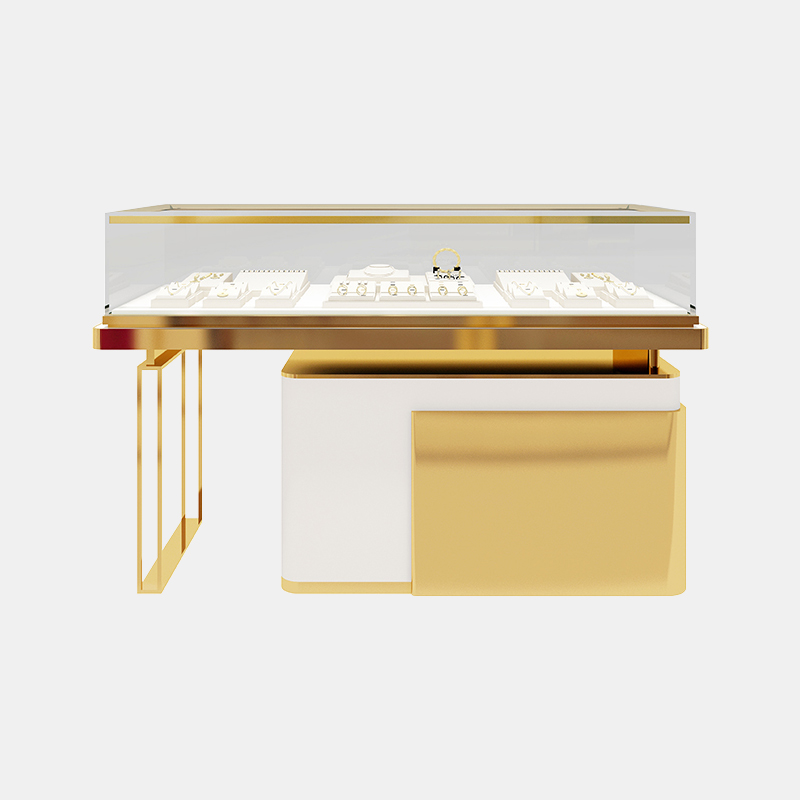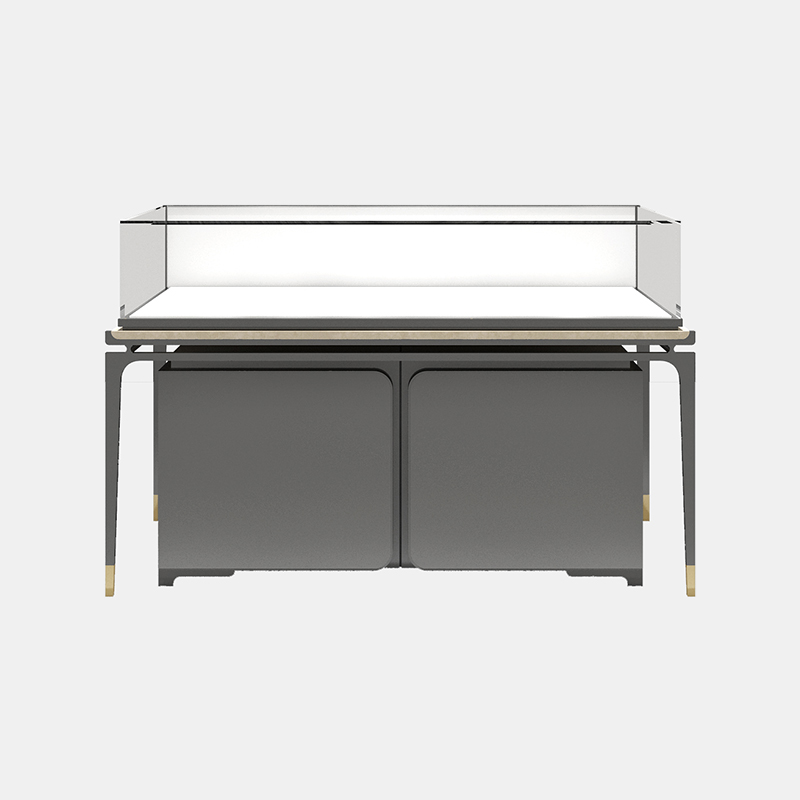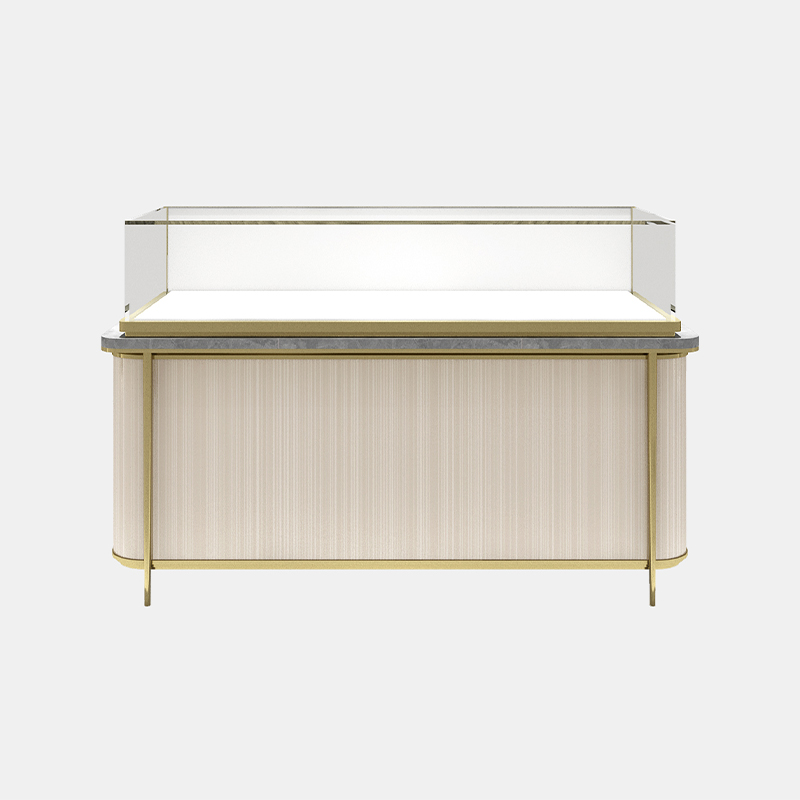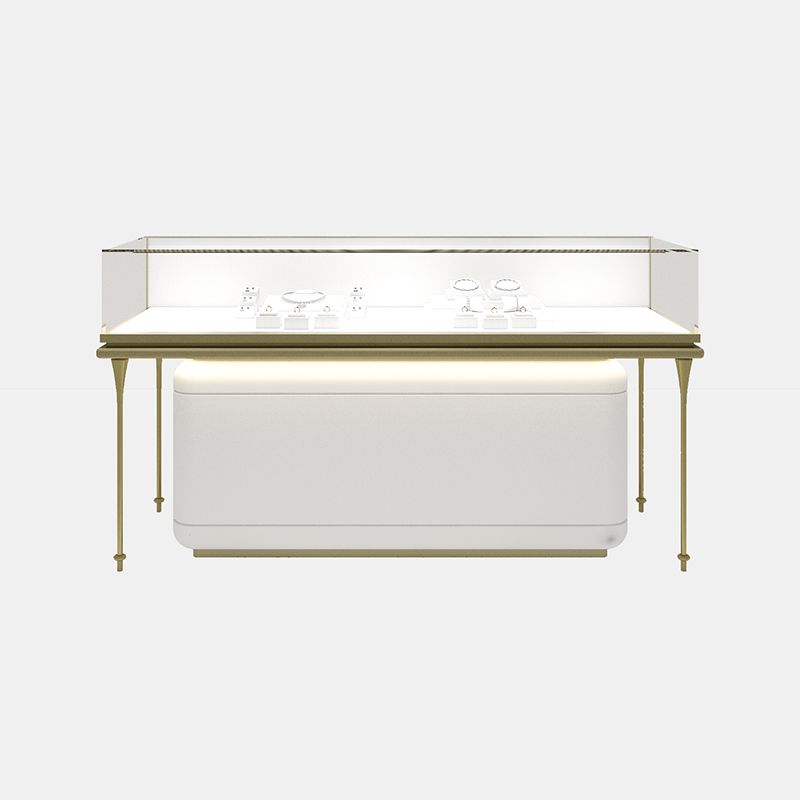
Walk into a clothing store where round racks pack the centre floor, the rear wall is lined with mismatched shelving, and the fitting room is a curtained corner next to the stockroom. Most shoppers circle the nearest rack, glance at the price tags, and walk out within two minutes. The merchandise is good; the space is the problem.
Clothing store interior design is not about making a space look pretty. It is about engineering the route from the entrance to the purchase. A clear path, organised display walls, controlled lighting and a well-placed fitting room change how long shoppers stay and how much they see. This guide explains the principles in the order an owner should apply them.
Content
Clothing store interior design can be broken down into five working parts that act together:
Sequence matters. Fix the zones and the traffic pattern first, then choose the cabinets, then tune the lighting. Decisions made in that order are easier to execute and cheaper to revise.
Good apparel stores work as a sequence of zones. Shoppers do not need instructions if the layout guides them naturally.
The five-zone structure applies whether the store is 50 or 500 square metres; only the proportions change.
Recommended space allocation in clothing stores is usually the first practical question an owner asks. The chart below shows the proportions commonly cited in retail space-planning guides.
Two planning rules make these percentages work. First, place the fitting rooms so that the path to them passes the wall display zone; shoppers almost always touch a few more items on the way. Second, position the cash wrap between the fitting room exit and the main door so customers can pay without backtracking.
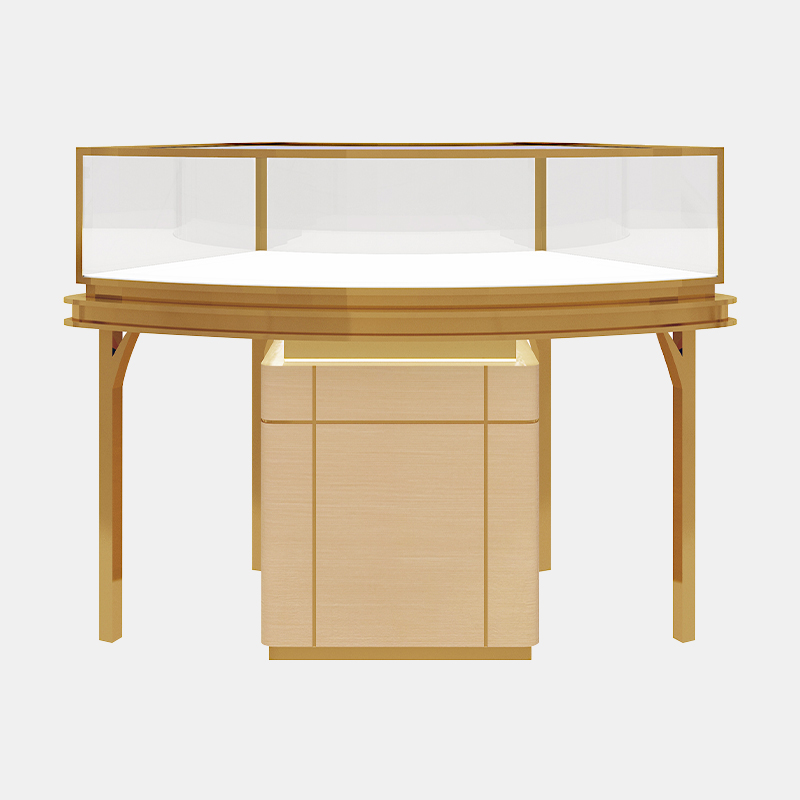
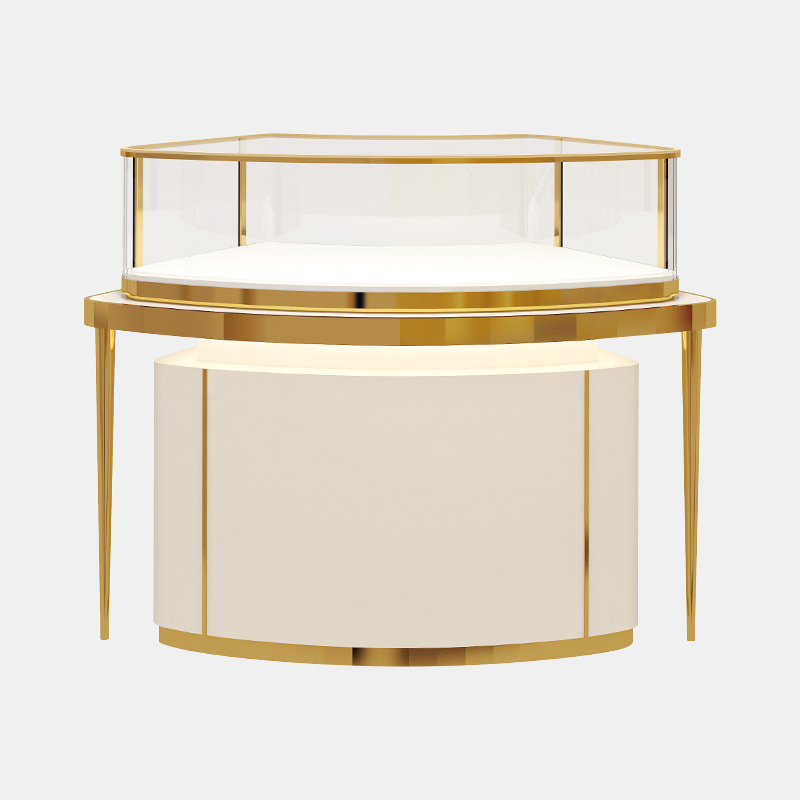
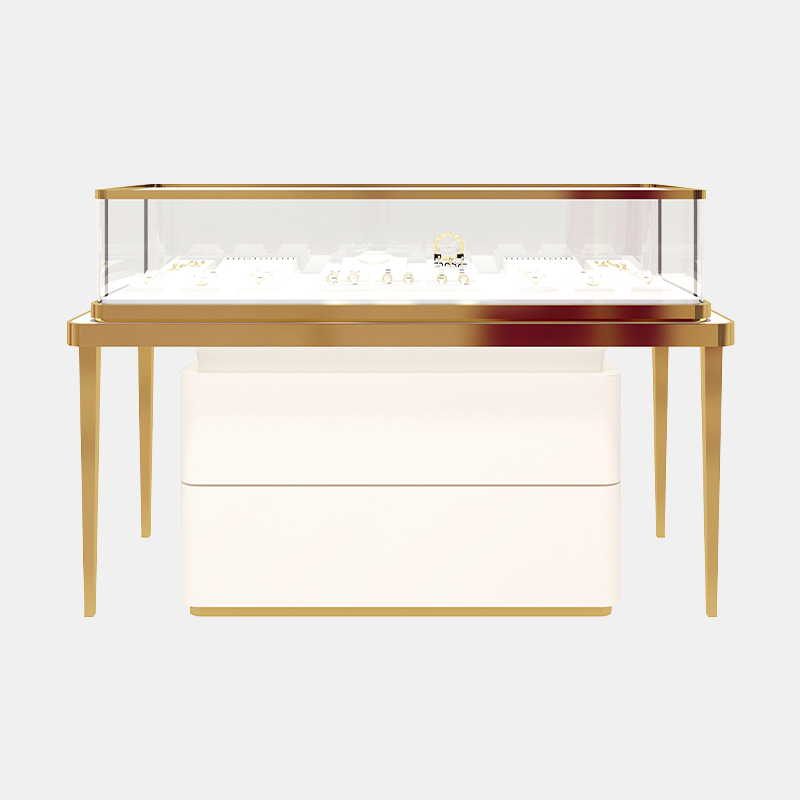
Once the zones are fixed, the display cabinets carry the daily operation. Three types of equipment cover most apparel store scenarios.
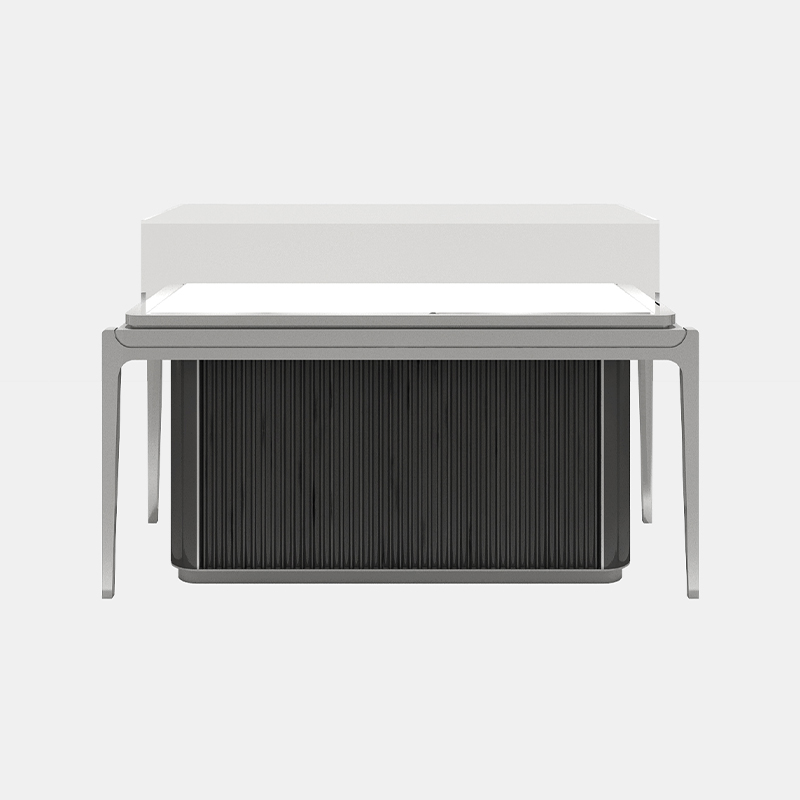
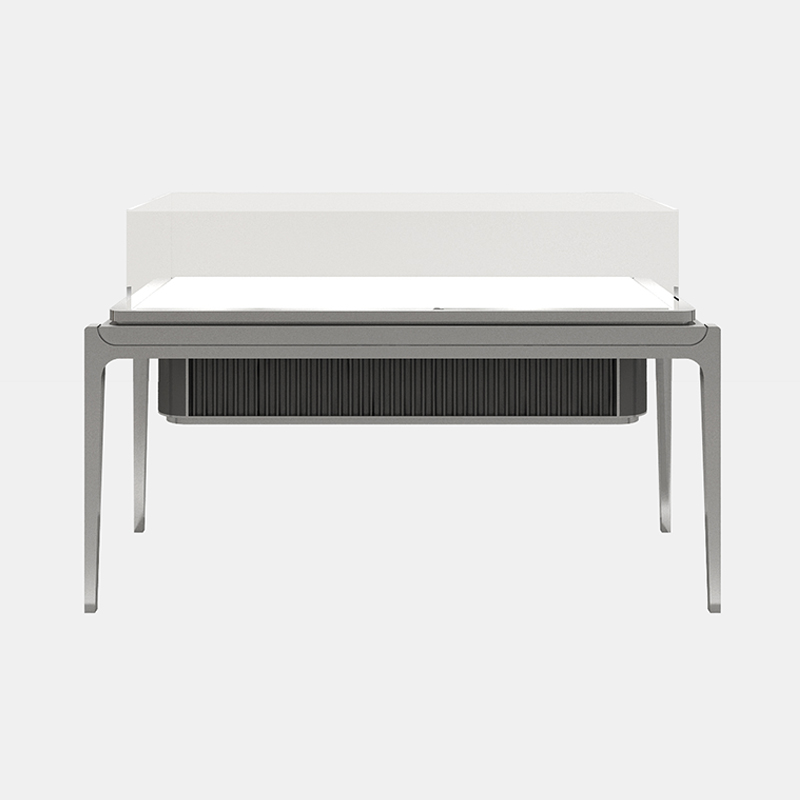
Wall zones benefit from high glass cabinets. They present folded knitwear, shirts, denim and accessories inside a clean sightline, keep dust off the stock, and lift the perceived quality of the store. A typical unit in this category is the CCS101 high glass clothing display cabinet, built around tempered glass and a slim steel frame.
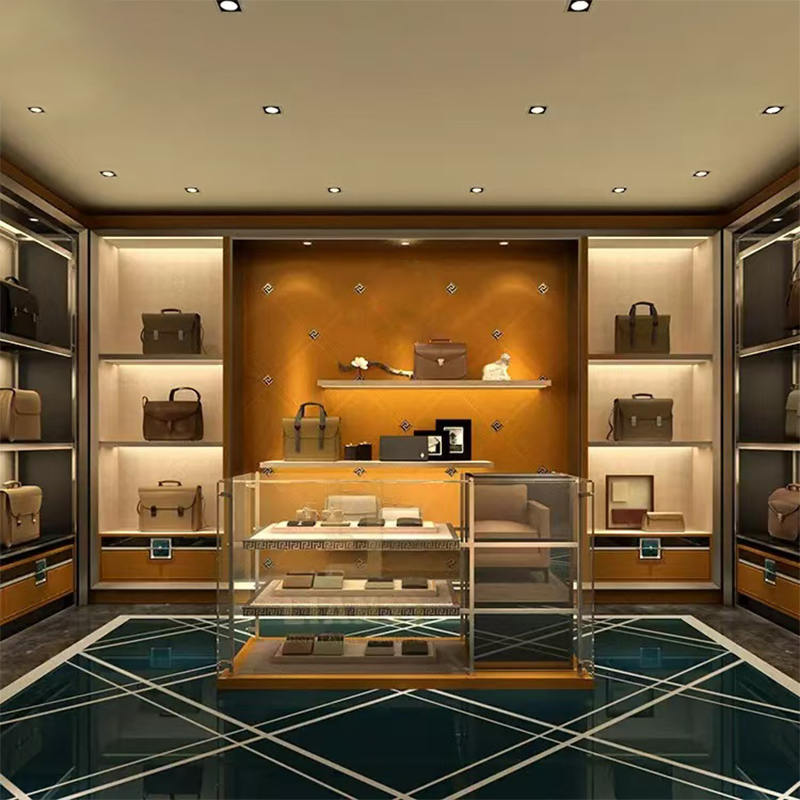 High Glass Clothing Display Cabinet for Wall ZonesThis tall glass display cabinet offers a transparent view of folded knitwear, shirts, denim, and accessories. Its tempered glass and slim steel frame keep items dust-free and enhance the store's perceived quality in wall areas.View Product →
Entrance areas, accessory zones and positions beside fitting rooms take more daily impact than the rest of the store. Stainless steel display cabinets resist scratches, moisture and repeated contact, and they keep their appearance without repainting. The CCS102 stainless steel clothing display cabinet is a practical match for these positions.
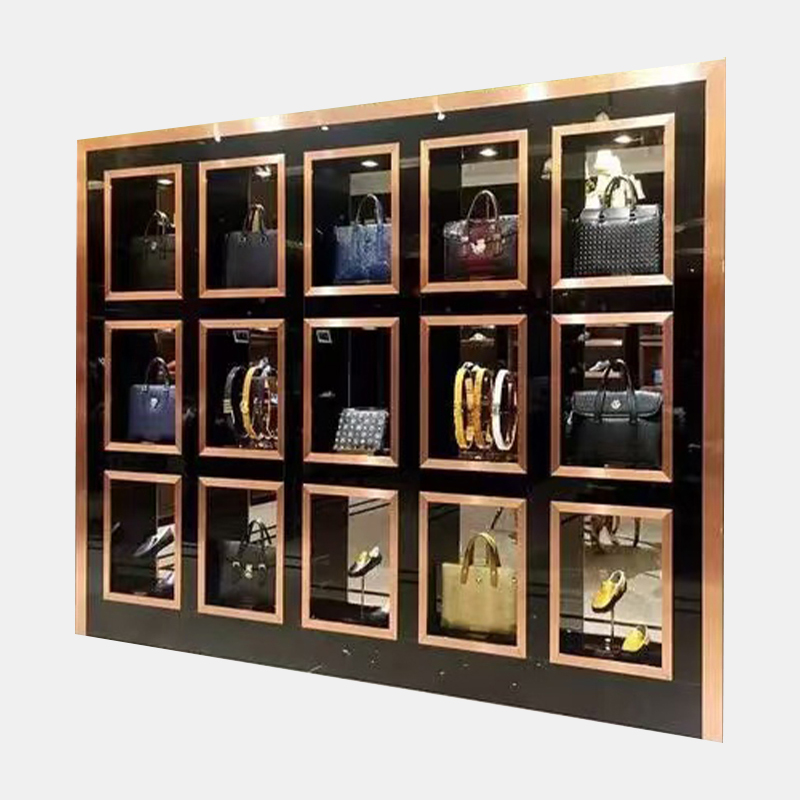 Stainless Steel Clothing Display Cabinet for High-Traffic AreasBuilt with rust-proof, corrosion-resistant stainless steel, this cabinet resists scratches, moisture, and repeated contact. It suits entrance zones, accessory areas, and fitting-room sides, keeping its appearance without repainting.View Product →
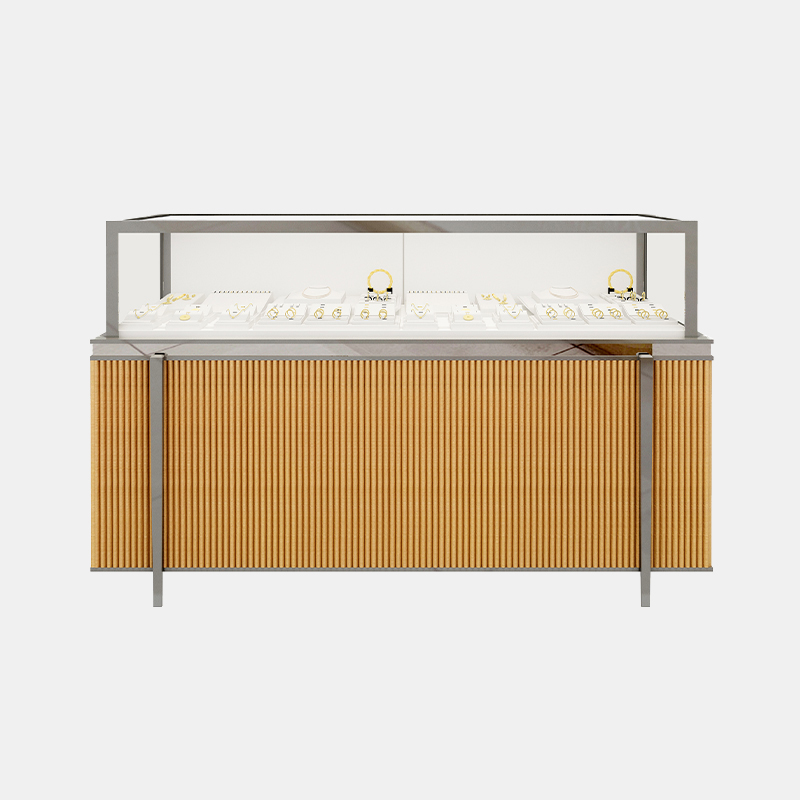
Seasonal assortment changes require flexible display. A combination cabinet that unites hanger rails with open shelves lets staff switch between hanging jackets and folded knitwear in minutes. For owners who rotate stock often, the CCS103 stainless steel garment combination cabinet reduces the need to buy new fixtures every season.
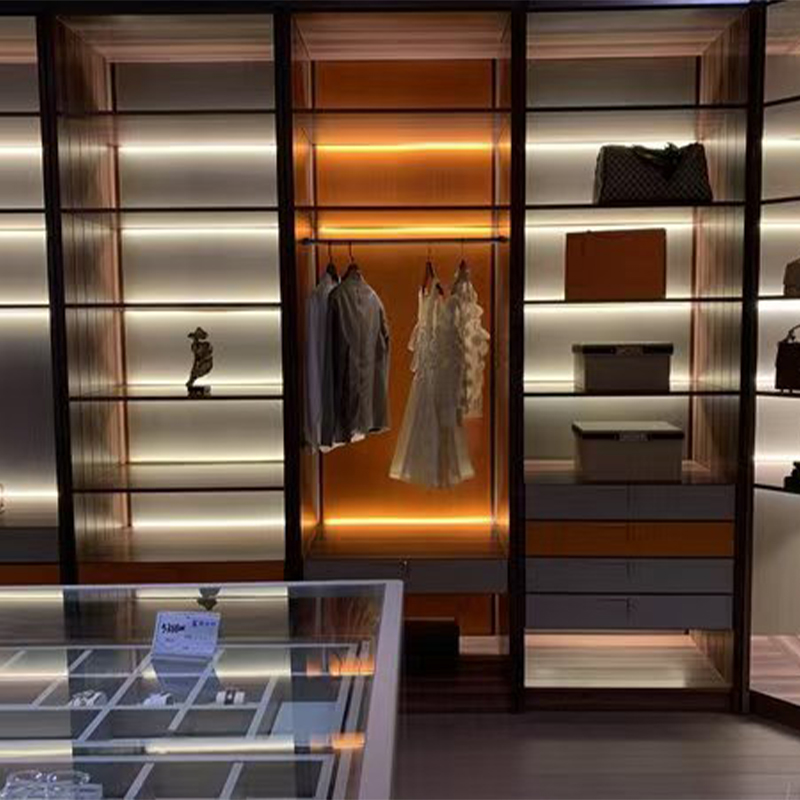 Stainless Steel Combination Cabinet with Hanging and Shelf SectionsThis flexible combination cabinet unites hanger rails with open shelves, allowing staff to swiftly switch between hanging jackets and folded knitwear. Ideal for seasonal rotations, it reduces the need to purchase new fixtures frequently.View Product →
Lighting changes how fabric colour, texture and price are perceived. In clothing stores, common industry practice is neutral white light near 4000K across the selling area, warmer light around 3500K in fitting rooms to flatter skin tones, and cool light only in storage spaces. The chart below summarises the recommendation.
Two rules complete a practical lighting plan. In-cabinet LED strips make the goods inside glass cabinets the brightest objects in the room; the eye naturally moves to the highest contrast. And in fitting rooms, position light in front of the customer rather than directly above the mirror, so shadows do not distort the view of the garments.
Display cabinets are among the most-touched surfaces in a clothing store. Material selection balances appearance, durability and maintenance. The table below summarises the common choices.
| Material | Strength | Main watch-out | Typical use |
|---|---|---|---|
| Stainless steel | Scratch-resistant, moisture-proof, long service life | Cooler visual impression, higher initial price | Frames, entrance fixtures, trims |
| Tempered glass | Transparent, easy to clean, premium feel | Heavier, requires careful handling | Cabinet doors, shelves, side panels |
| Wood / veneer | Warm, upmarket, natural texture | Sensitive to humidity and sun exposure | Wall cladding, shelving, boutique stores |
| Lacquer finish | Seamless surface, wide colour range, dust-repellent | Hard impacts can damage the coating | Cabinet panels, drawers, display tables |
The fixtures are only as reliable as the factory behind them.
Zhejiang Suntop Commercial Display Products Co., Ltd. was founded in 2009. Currently, the company's factory covers an area of 25 acres, with a building area of 25,000 square metres and an annual production capacity reaching 300 projects. Our main customer types include jewellery, cosmetics, watches, museums, clothing and more. The company adheres to a highly specialized spirit and strives for excellence in the creation of every display space cabinet, aiming to perfectly reflect the customer's brand concept and value through high-quality display spaces. After 16 years of deep cultivation in the display props industry, Suntop has won provincial high-tech enterprise and credit enterprise awards, and has obtained relevant industry technology patents, providing a guarantee for product quality.
Store owners and interior designers can review completed projects in the Suntop case archive and contact the team for custom sizes and finishes. The clothing and luggage display cabinet range follows the same construction standards as the jewellery, watch and cosmetic lines described in the company's company profile.
Traffic flow. If shoppers cannot move naturally from the entrance to the fitting rooms and checkout, every other design decision loses value.
Around 15-20% of net selling area is a common benchmark, with at least two fitting rooms for most store formats.
Yes. High glass wall cabinets protect folded stock and create a clean, upscale perimeter look.
Warm white around 3500K, placed in front of the mirror rather than above it, to reduce shadows.
In high-traffic areas, yes. Longer service life and lower maintenance offset the higher initial price.
Yes. Custom sizes, finishes and internal layouts are available through the customised display cabinet range.


 ਪੰਜਾਬੀ
 English
 عربى
عربى русский
 中文简体
中文简体