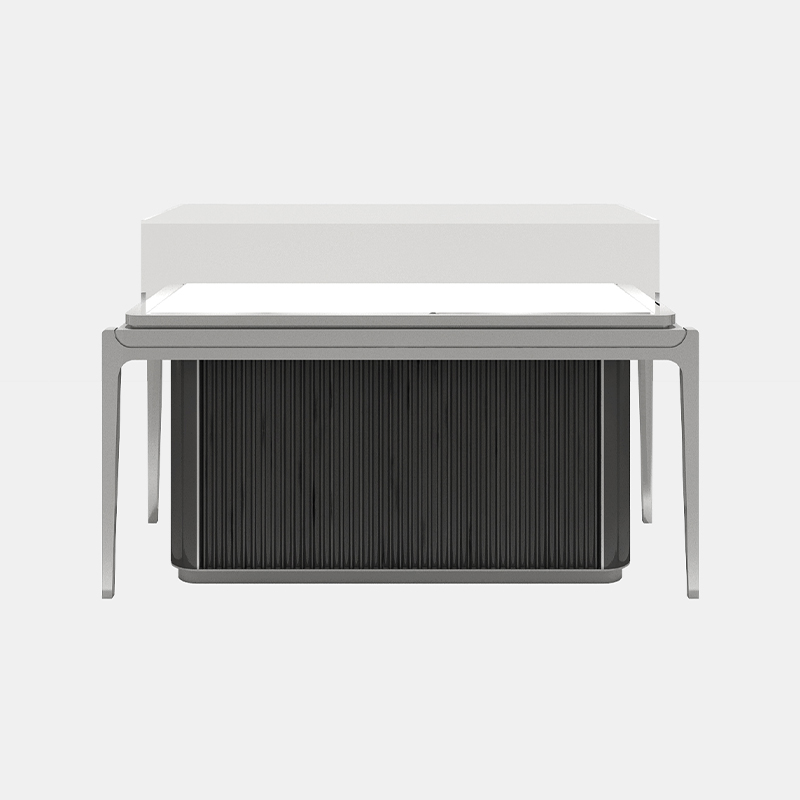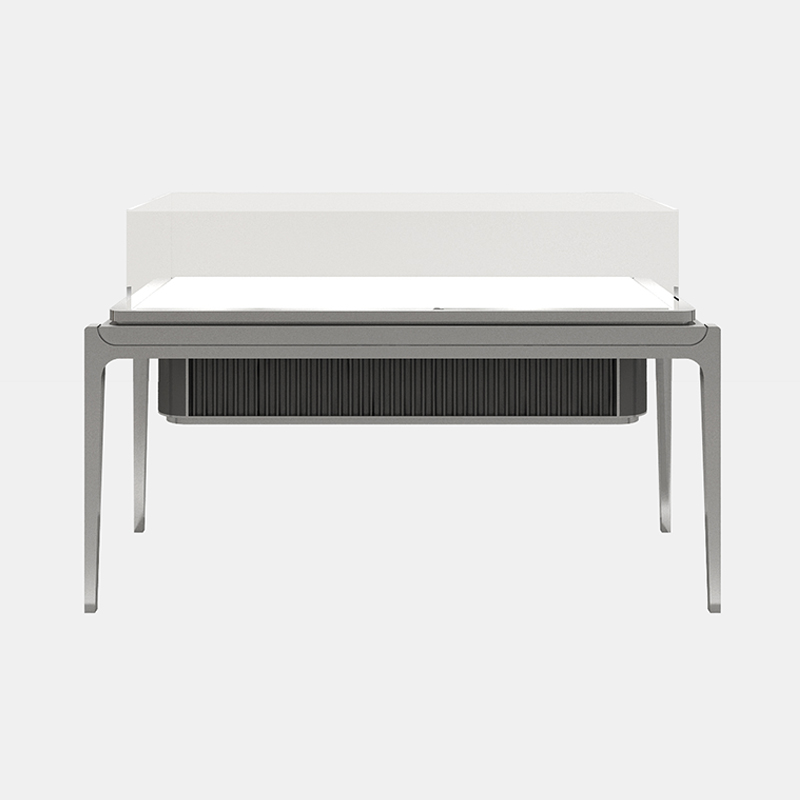
Walking through a jewelry store that feels right is never an accident. The spotlight hits a ring exactly where the customer's eye lands, the counter height invites a closer look, and the balance of wood, glass, and metal quietly says "this is a place you can trust." That feeling is the result of jewelry store interior design decisions made long before the first customer walks in. In this guide, we'll break down the design choices that actually affect sales, and show you how a professional manufacturer like Zhejiang Suntop Commercial Display Products Co., Ltd. approaches them.
Content
Conclusion first: jewelry store interior design is not a decoration project, it is a sales system. We have seen too many owners spend their budget on expensive finishes while ignoring the details of display cases, only to watch customers glance around and leave. Jewelry is a low-frequency, high-value purchase, and customers need to be convinced. The environment is the first layer of persuasion. A clear display structure can significantly shorten customer hesitation time. Based on the feedback we have received from multiple jewelry brands we serve, renovated stores tend to hold customers longer. You can see some examples in our jewelry store case studies. The key here is to shift the design goal from "looks good" to "guides the sale."
Conclusion first: an efficient jewelry store layout is determined by five elements. These are: display case height and depth, lighting position and color temperature, material quality and consistency, customer flow, and brand storytelling. These five points are not independent; they work together. Many store problems come not from a single bad fixture, but from a lack of unified planning across these pillars.
| Pillar | What It Does | Checklist |
|---|---|---|
| Display case height and depth | Controls line of sight and product focus | Match counter height 90-120 cm, window height 160-180 cm |
| Lighting position and color temperature | Creates sparkle and reduces shadow | Use 3000-4500K LED, aim 30-45 degrees at the product |
| Material quality and consistency | Builds perceived luxury | Choose one dominant material (wood, stainless, lacquer) |
| Customer flow | Guides the eye from window to counter | Use a central island or L-shaped path |
| Brand storytelling | Makes the store feel unique | Integrate logo, color, and custom graphics |
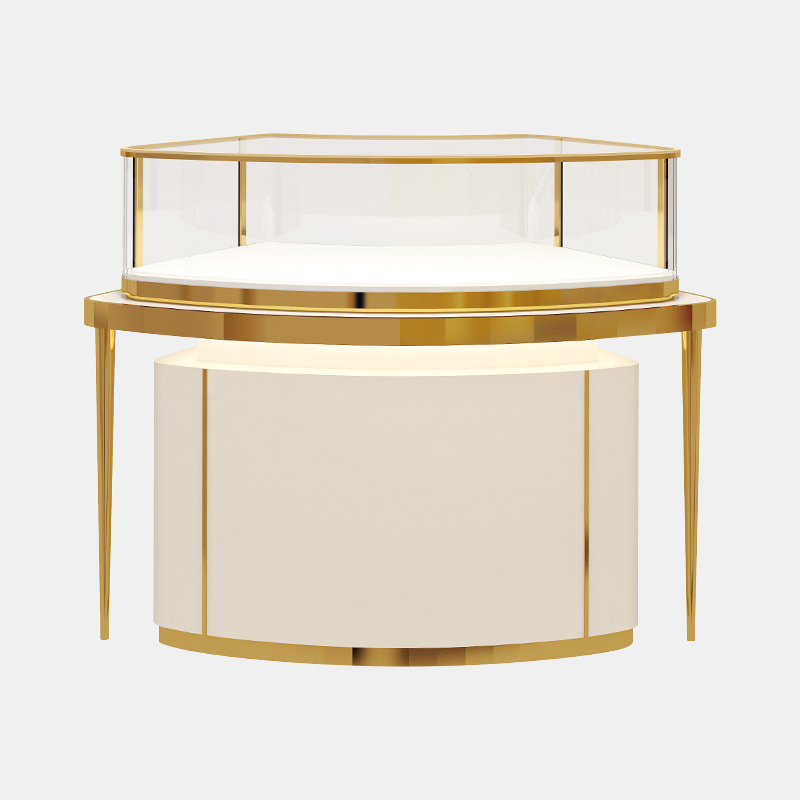
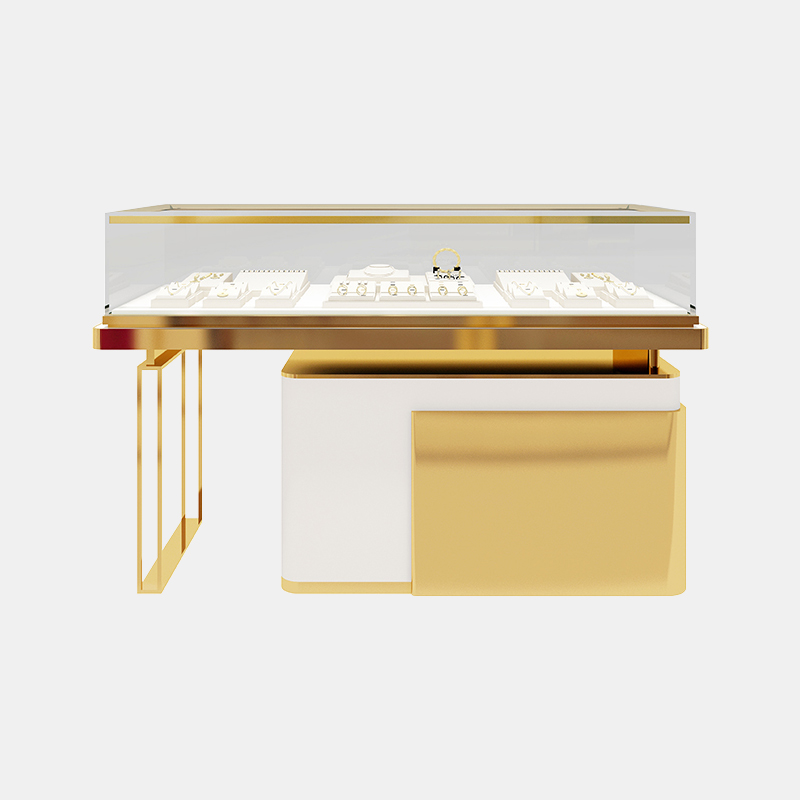
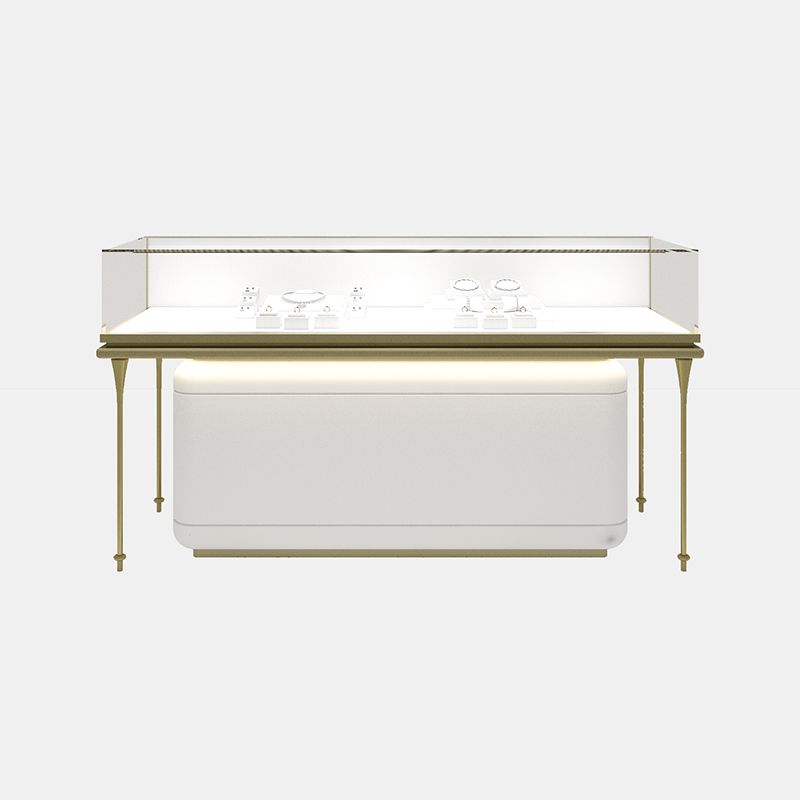
Conclusion first: lighting is the first factor a customer perceives after entering the store, and it is also the easiest element to make shine. Direct light is not suitable for jewelry because it creates harsh reflections. Indirect light combined with local accent lighting lets gems and metal show their true fire. A useful rule of thumb is to use 3000K to 4500K LED strips, and direct the light at a 30 to 45 degree angle toward the product. Our jewelry display cases, such as the JRS201 model with built-in lighting system, are designed exactly according to this principle.
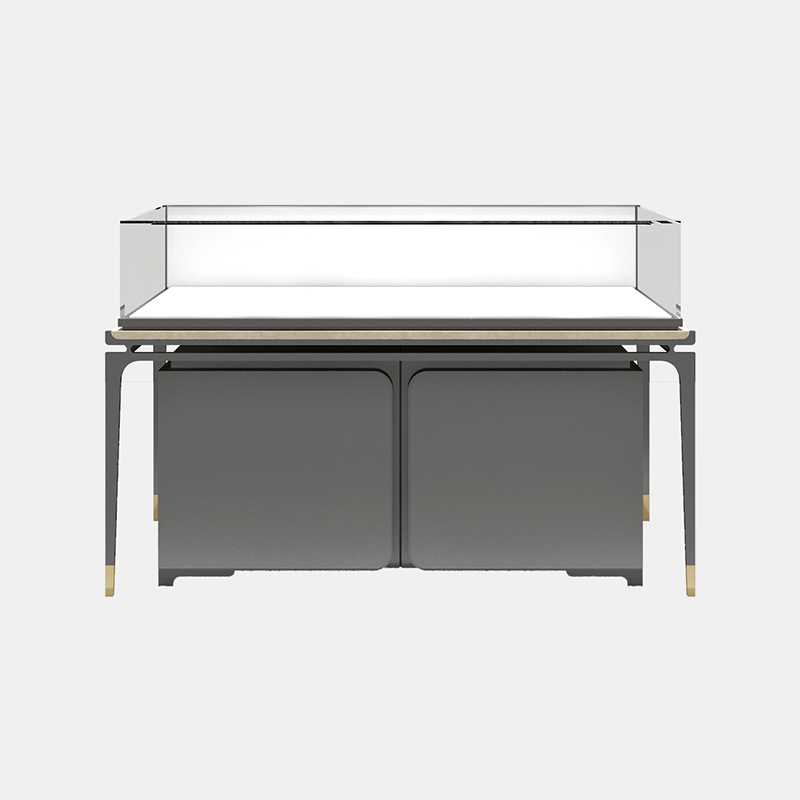 Jewelry Display Cabinet with Integrated LED Lighting SystemThis pearlescent lacquer-finished cabinet features a built-in lighting system designed to enhance gemstone brilliance. It complements the discussion on lighting angles and color temperature, making it a practical choice for jewelry stores seeking effective illumination.View Product →
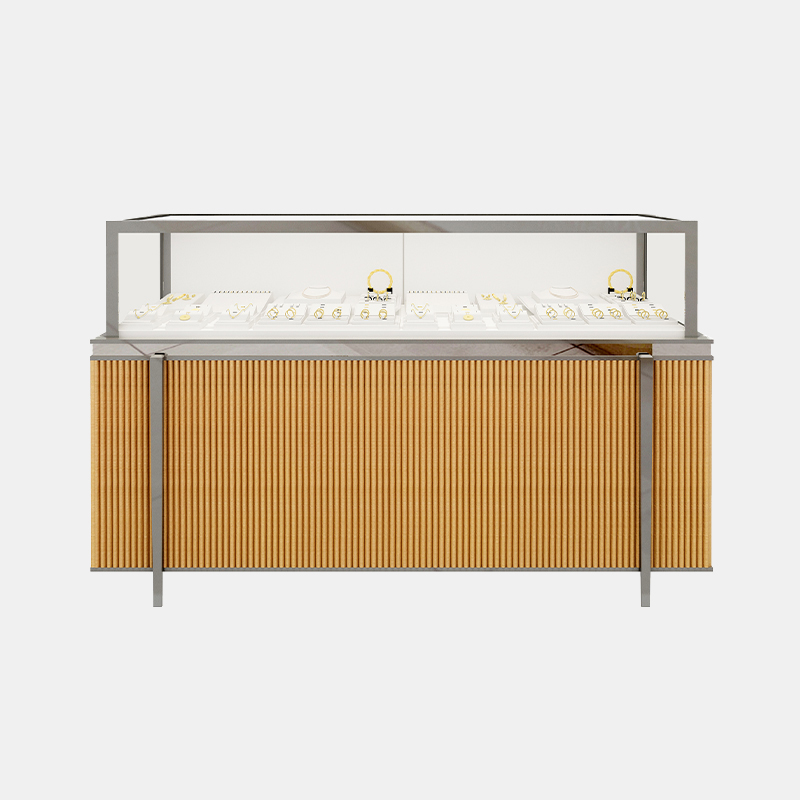
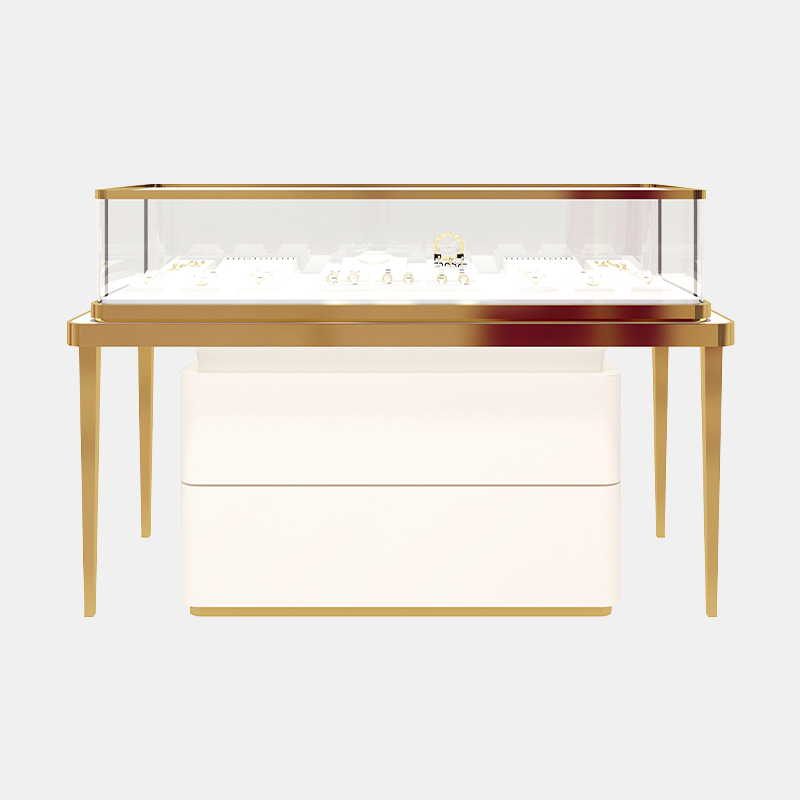
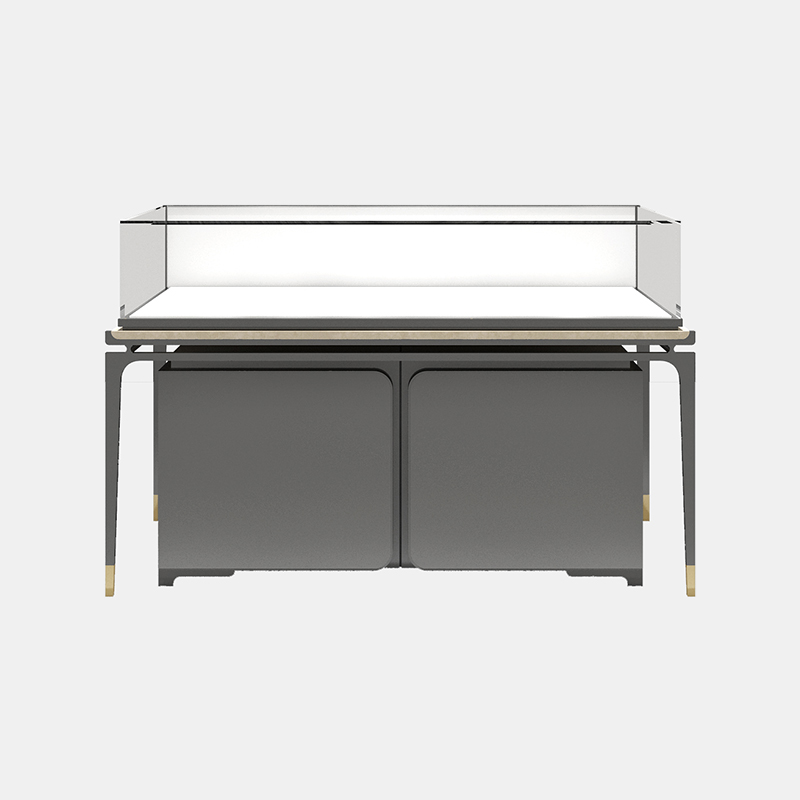
Conclusion first: material defines the "price feel" customers perceive. Stainless steel is durable and modern, solid wood is warm and traditional, and lacquer is refined and understated. When choosing, you must consider brand tone, maintenance cost, and wear resistance. Metal suits a modern business style, while solid wood works better for vintage or high-end bespoke projects. Our stainless steel jewelry display cabinet series (JRC201) and lacquer-finish display cabinet (JRS104) cover different store styles. Below is an isometric view of a typical display case structure, showing the key components that affect both durability and presentation.
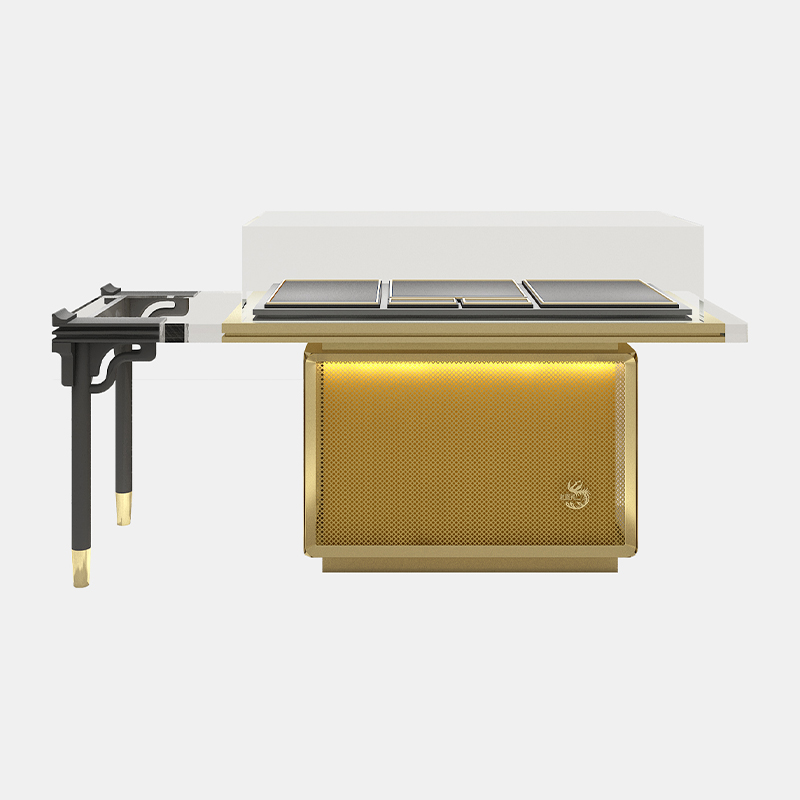 Stainless Steel Jewelry Display Cabinet for Durable Modern RetailCorrosion-resistant and easy to clean, this stainless steel cabinet suits modern business styles. It aligns with the material considerations discussed, offering a high-end, durable option that balances aesthetics and practicality.View Product →
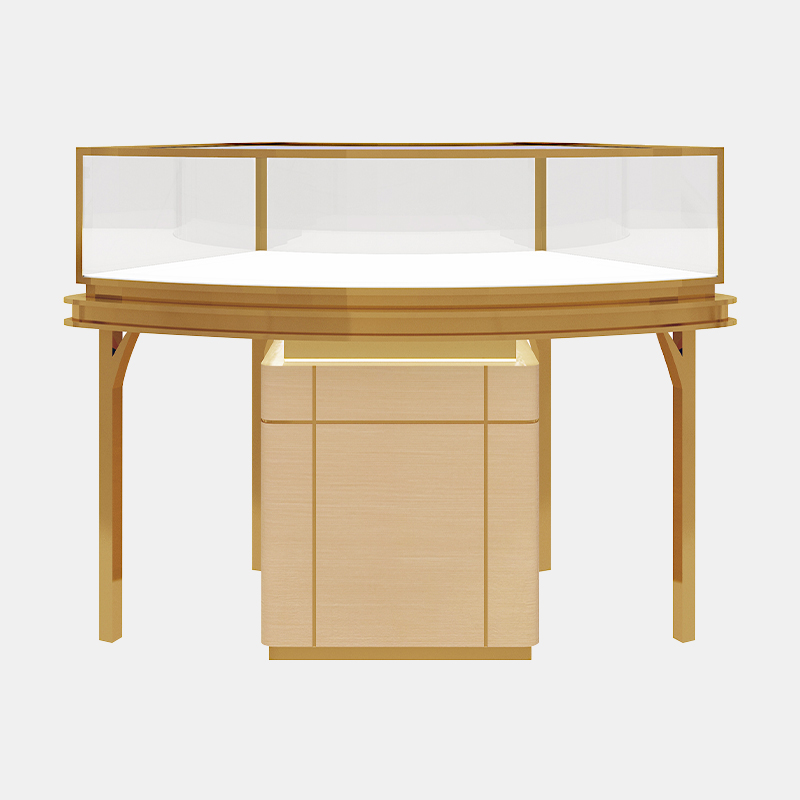
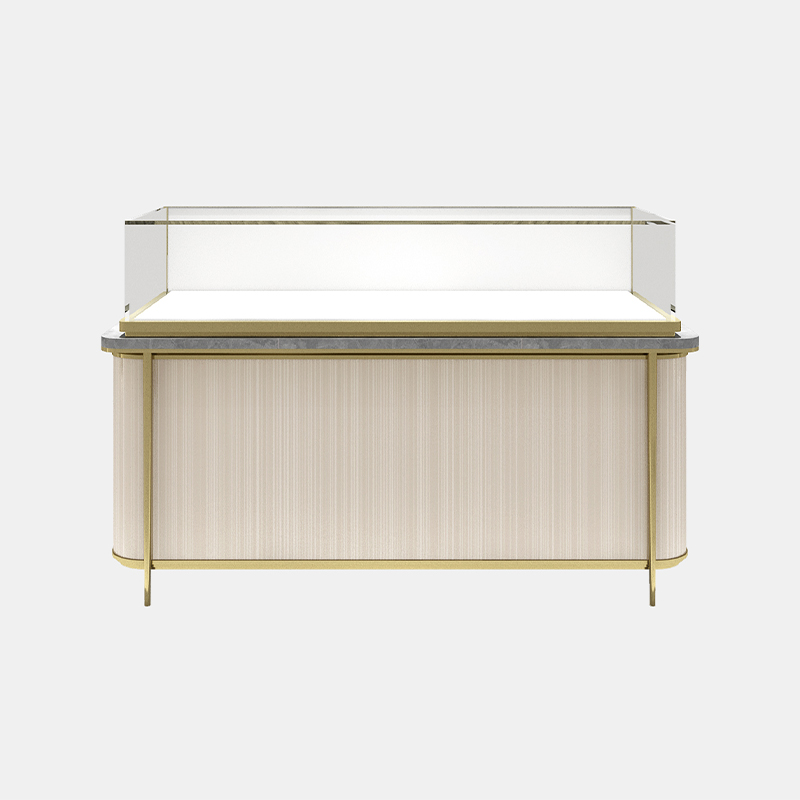
Conclusion first: standard cases can handle 70% of general needs, but what truly makes a jewelry store stand out is often that final 30% of custom detail. For high-end jewelry brands, shaped cabinets, curved glass, embedded brand logos, and customized lighting are common requirements. Our customized display cabinet service supports a complete process from drawing to mold, allowing us to realize the exact form you need.
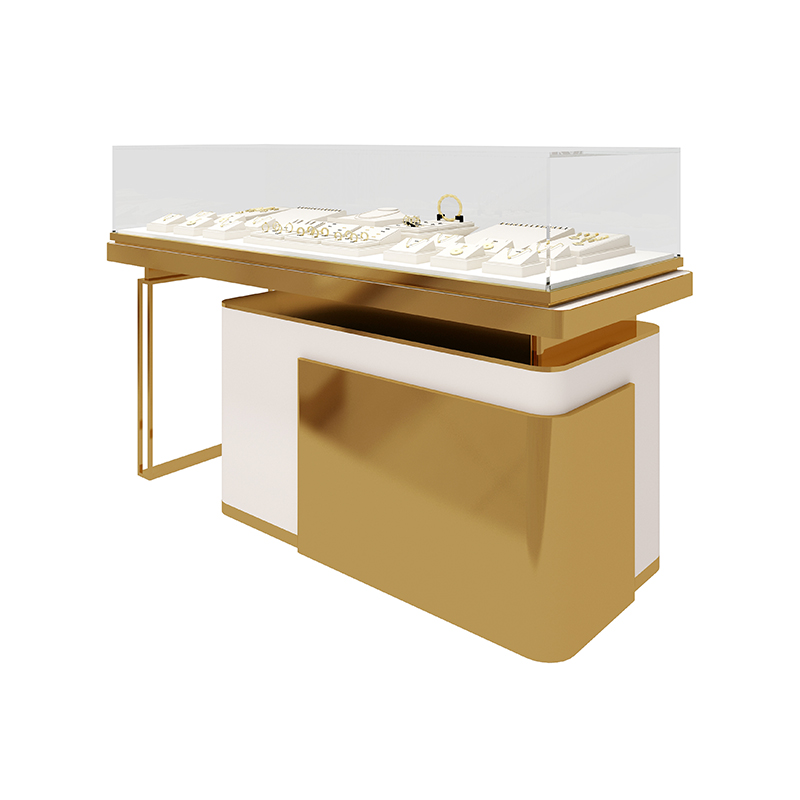 Customizable Jewelry Display Cabinet for Unique Store DesignsOffering personalized materials, shapes, colors, and sizes, this cabinet supports bespoke requirements like curved glass or embedded logos. It addresses the need for custom details highlighted in the text, enabling a tailored retail presentation.View Product →
Zhejiang Suntop Commercial Display Products Co., Ltd. was founded in 2009. Today, our factory covers 25 acres with 25,000 square meters of building space, and our annual production capacity reaches 300 projects. We serve jewelry, cosmetics, watch, museum, and clothing brands across the globe. After 16 years in display props, Suntop has been recognized as a provincial high-tech enterprise and credit enterprise, and holds multiple industry technology patents. We are committed to using eco-friendly materials and creating sustainable commercial display spaces, so that every display case we build truly reflects the brand's vision.
The chart below shows how our product lines are distributed across different retail categories. This breadth allows us to offer a matching showcase solution for nearly any jewelry store design plan.
A1: Lighting. It highlights the product and creates atmosphere, followed by display case height and customer flow.
A2: Cost depends on size, material, lighting system, and complexity. Standard models are more economical; custom projects vary. Contact Suntop for a detailed quote.
A3: Yes. Combined stainless steel and wood displays are popular for balancing modern and warm aesthetics, and Suntop offers hybrid options.
A4: A typical project takes 4-6 weeks from design confirmation to installation, depending on scale and custom details.


 ਪੰਜਾਬੀ
 English
 عربى
عربى русский
 中文简体
中文简体