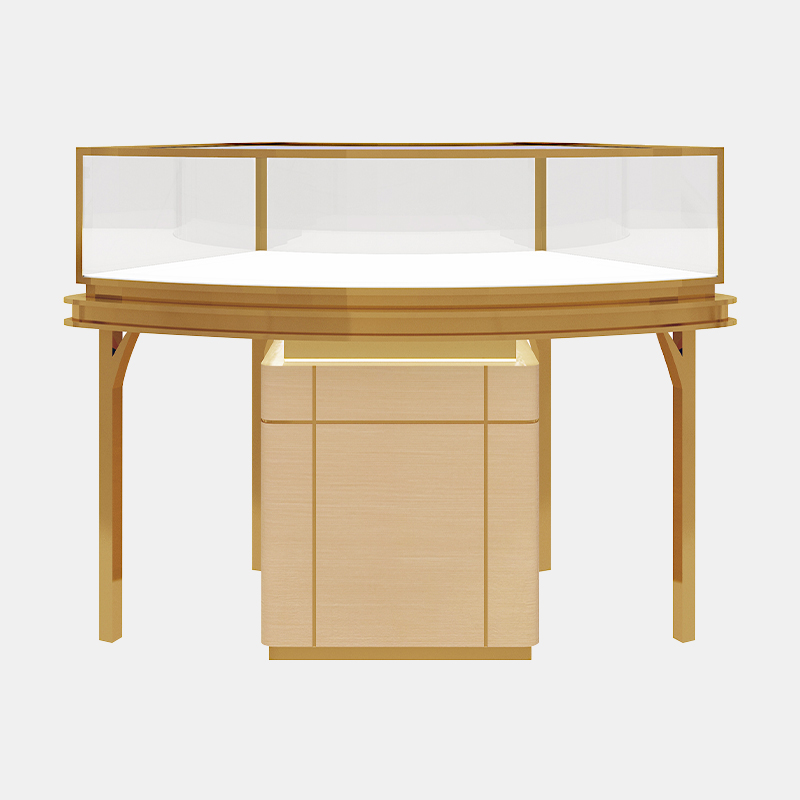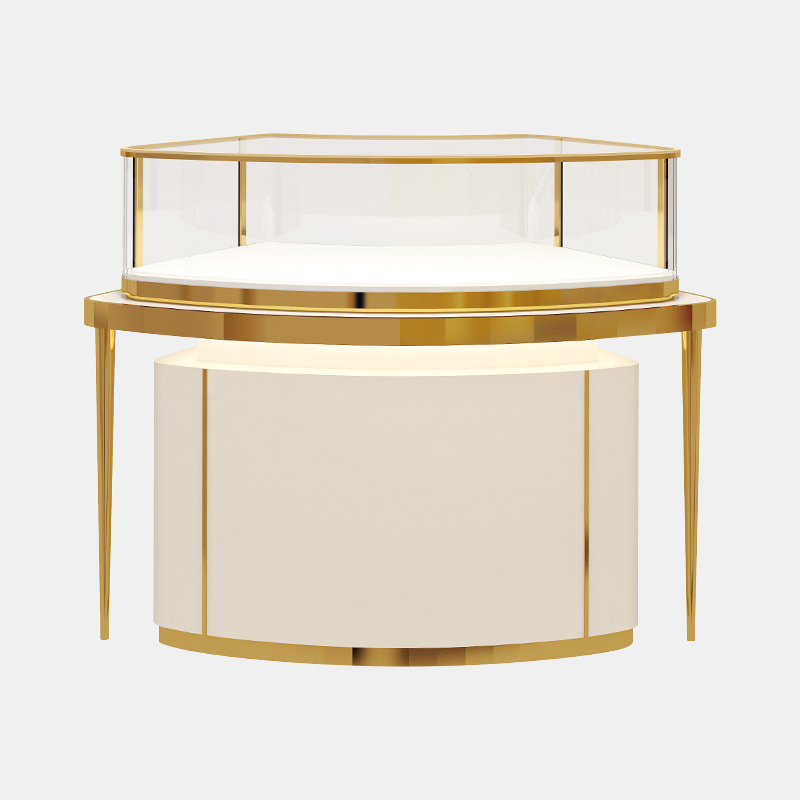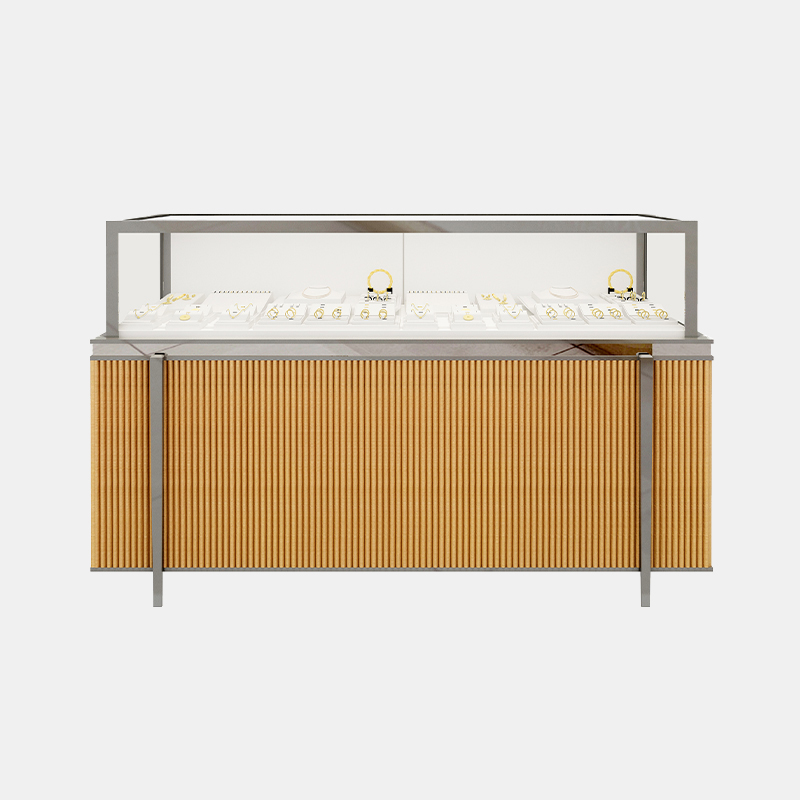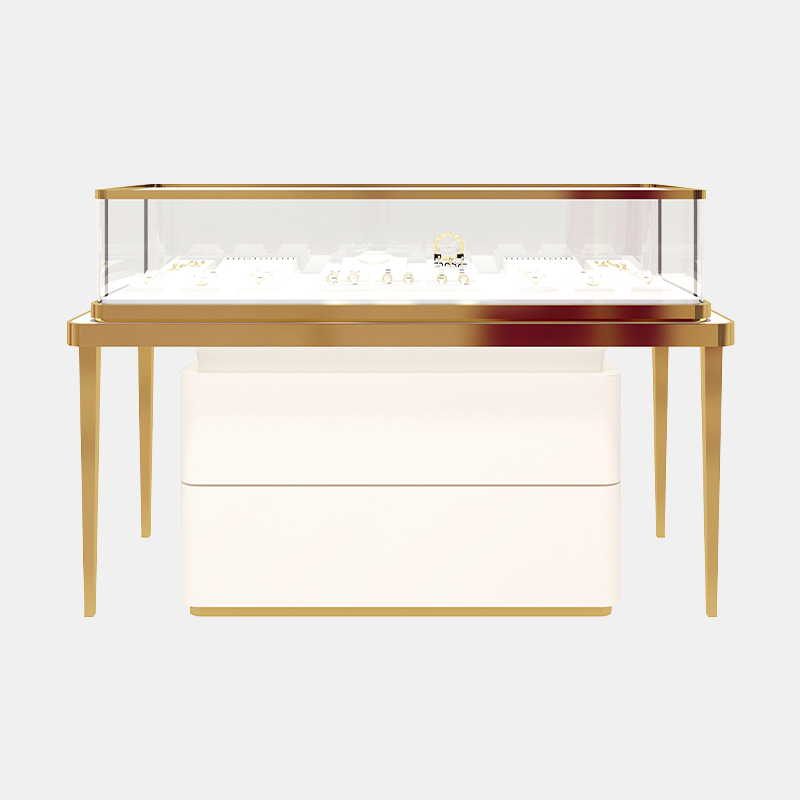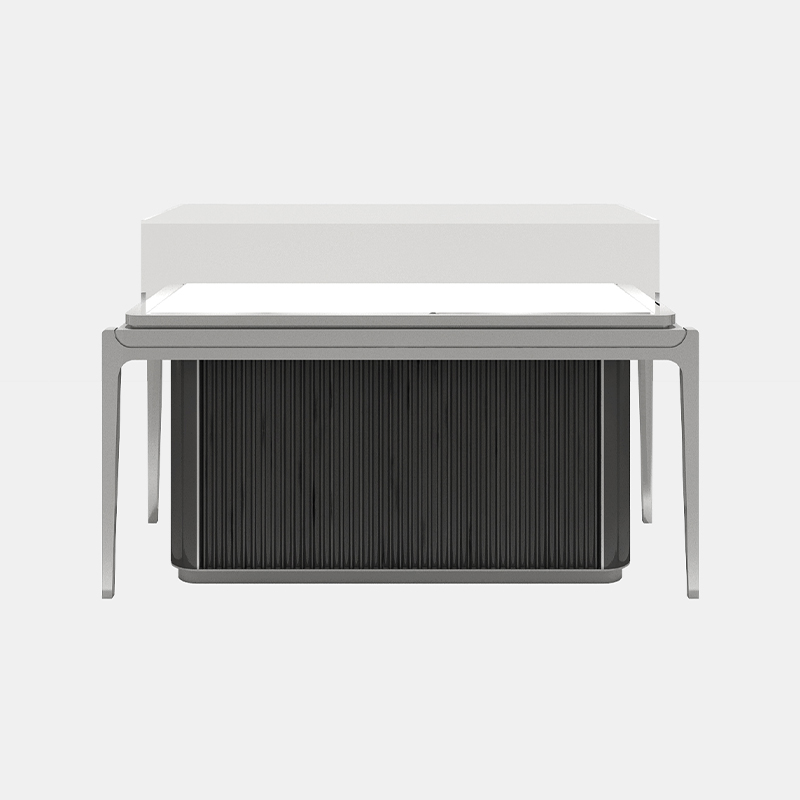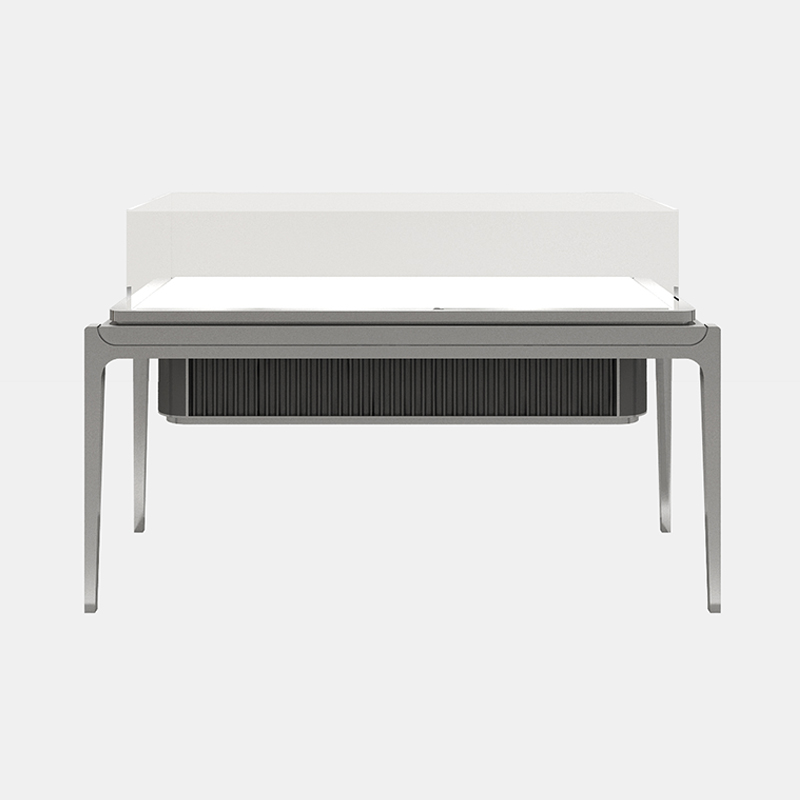
Walk into a successful jewelry store and the first pricing signal is not the logo — it is the display case. A display case is part security cabinet, part lighting tool, and part brand ambassador. A distorted glass panel, a flickering LED, or a dust gap along the door can silently erase the quality of everything inside it.
The bottom line is simple: choose a display case that combines durable materials, accurate lighting, dust-proof detailing, and customization flexibility. Get those four basics right, and the case will serve you for years. Miss one, and you will pay for it in maintenance, lost product visibility, or a weaker brand image.
Content
A display case has one job: to make the product look more desirable while protecting it. Four requirements decide whether it does that job well. First, the materials must resist daily wear, cleaning chemicals, and customer contact. Second, lighting must be bright enough to draw attention but neutral enough not to distort colors. Third, the frame and glass must keep out dust and fingerprints. Fourth, the interior layout must match the product category — a jewelry tray, a watch cushion, and a museum artifact base all need different dimensions.
Different industries prioritize these requirements differently. The table below summarizes the brief we most often hear from retail and museum clients.
| Industry | Priority 1 | Priority 2 | Common material |
|---|---|---|---|
| Jewelry | Security and lighting | Small-item organization | Tempered glass + stainless steel |
| Watch | Precise cushioning | Anti-reflection glass | Lacquered wood + glass |
| Cosmetics | Front accessibility | Color rendering | Acrylic + painted metal |
| Museum | Environmental protection | Conservation-grade sealing | Glass + metal frame |
| Clothing | Large visual area | Easy access | Glass + stainless steel |
Material choices define not only the look but also the maintenance schedule. Tempered glass is the standard for visibility: it is roughly four to six times stronger than ordinary glass, and if it does break, it crumbles into small rounded pieces instead of sharp shards. Stainless steel, usually grade 304, resists rust and is ideal for busy stores. Solid wood adds warmth and a classic retail feel, though it needs careful finishing to defend against scratches. Lacquered MDF offers a smooth, high-end painted surface at a lower price point. Acrylic is light and easy to machine but scratches more readily, so it is better suited to cosmetics counters or short-term displays than to jewelry counters facing long, heavy use.
Lighting is what tells a customer where to look. Color temperature changes the perceived value of silver, gold, and diamonds. Warm light around 3000K to 3500K flatters gold, rose gold, and wooden interiors. Cooler light around 4500K to 6000K sharpens the contrast of diamonds, silver, and glass. LED strips with a color rendering index (CRI) of 90 or above reproduce accurate colors. A well-built display case hides the LED source at the top front or inside side columns, so the product receives light without casting glare into the customer's eyes.
Different product categories impose different constraints. The paragraphs below reflect the advice we give after building thousands of display cases for jewelry, watch, and museum projects.
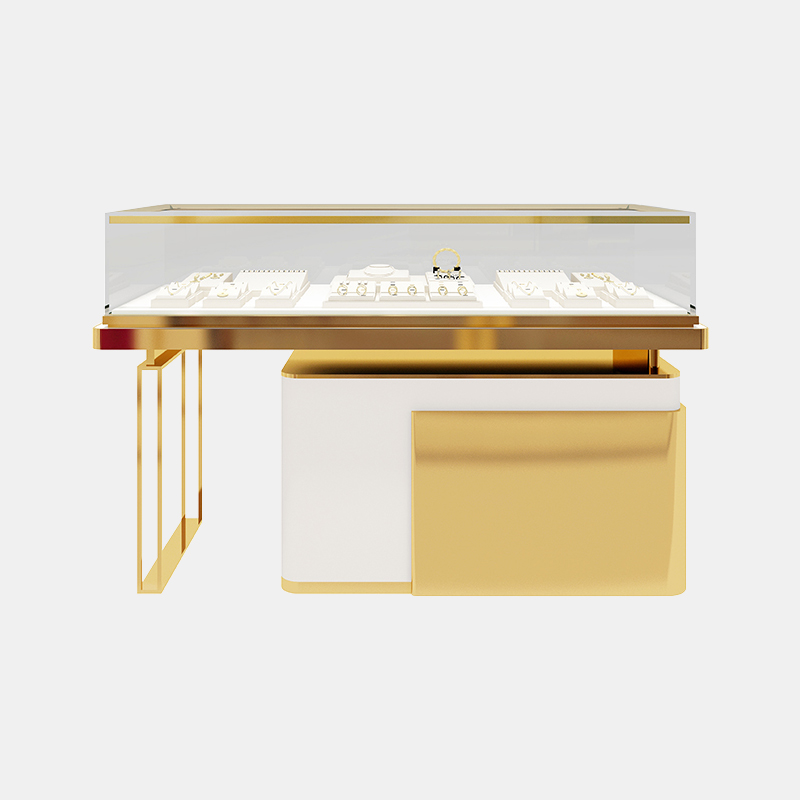
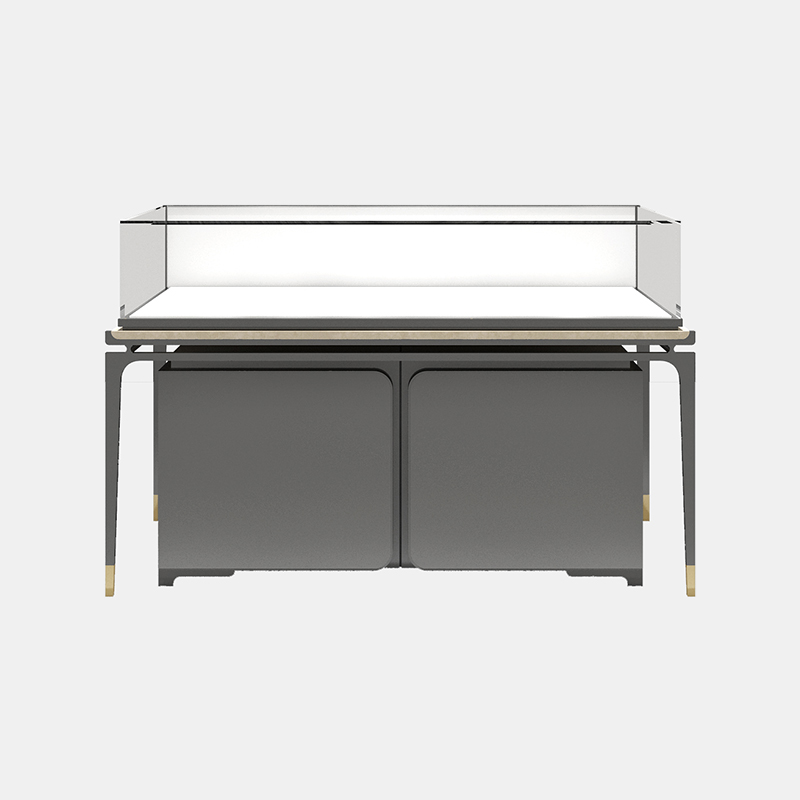
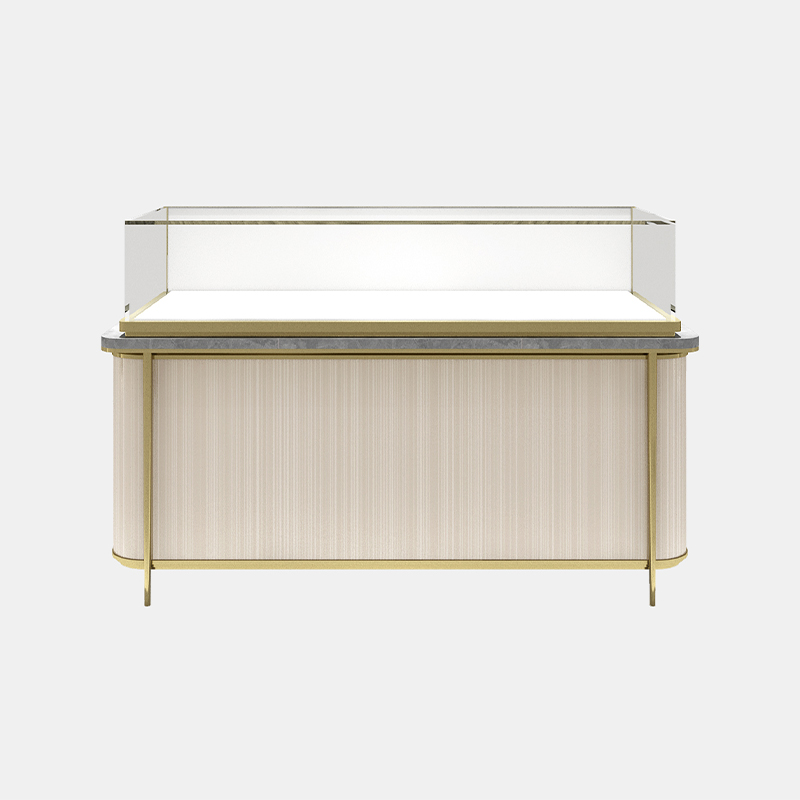
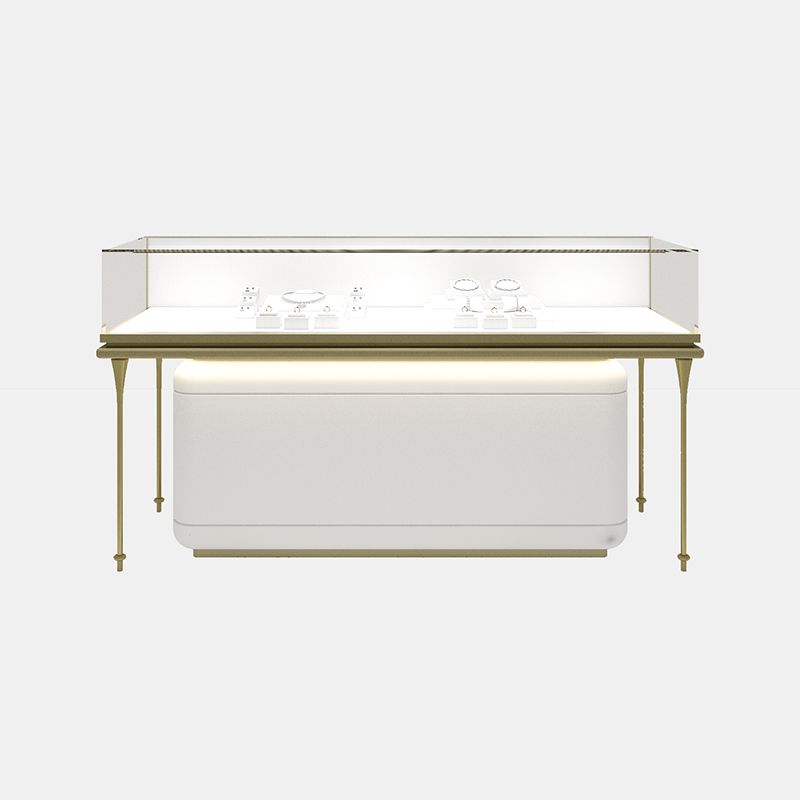
For jewelry stores, security and sparkle come first. Combination cabinets with lockable drawers and sliding trays give staff control while letting customers inspect pieces in place. High cabinets draw the eye from across the store, while low counter cases invite close inspection. A jewelry display case should include dedicated ring tray inserts, necklace busts, or bracelet cushions; otherwise staff spends too much time re-arranging pieces.
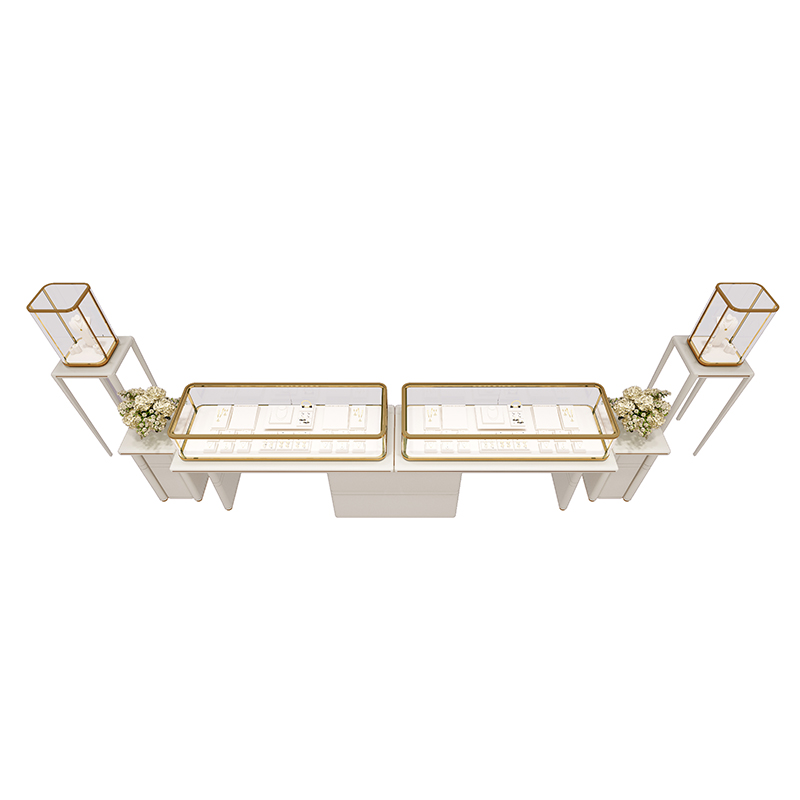 Lockable Combination Jewelry Display Cabinet with TraysThis multi-functional cabinet combines secure storage with display areas, making it ideal for jewelry stores that need to protect pieces while letting customers inspect them closely.View Product →
Watch cases are about precision. The cushions or rolls must hold each strap tightly so nothing shifts when the door opens and closes. Curved glass reduces reflections from overhead lights and makes it easier to admire the dial from multiple angles. Watch displays also benefit from tight dust seals because leather straps and polished cases attract dust quickly.
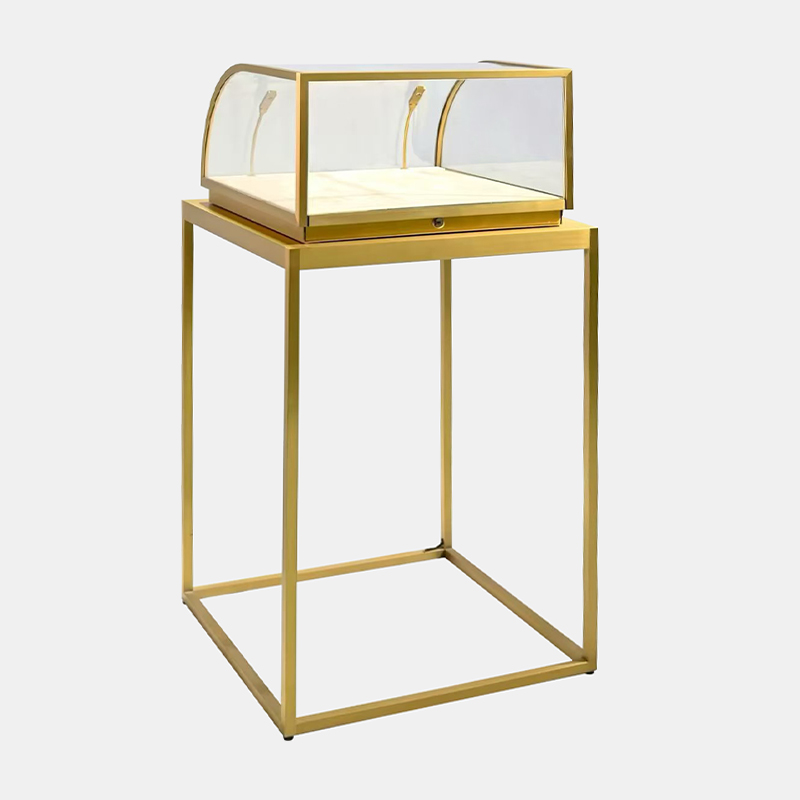 Curved Glass Watch Display Case for Clear VisibilityThe curved glass reduces overhead light reflection, allowing watch dials to be admired from multiple angles. Suitable for watch shops seeking a modern, precise presentation.View Product →
Museum display cases serve conservation first. Artifacts need controlled humidity, limited UV exposure, and protection from accidental contact. A freestanding pedestal case places a relic at eye level and allows a 360-degree view while separating the artifact from the visitor. For organic materials such as textiles or paintings, specify UV-filtering glass and gasketed frames.
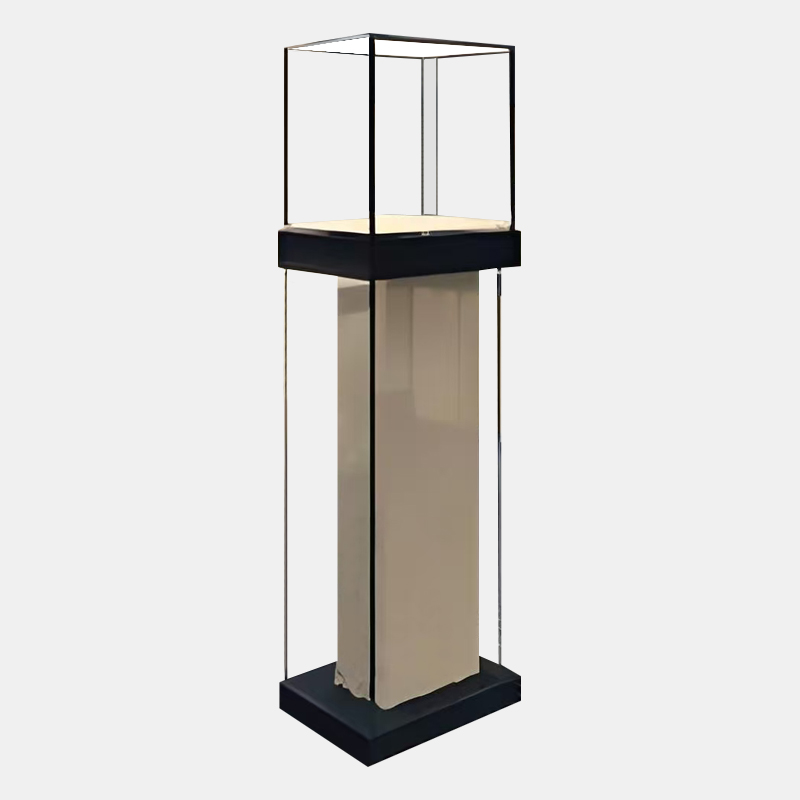 Freestanding Museum Pedestal Display Case for ArtifactsDesigned for conservation-focused exhibits, this pedestal case offers a 360-degree view at eye level while separating artifacts from visitors. Customization options fit unusual spaces and brand needs.View Product →
Standard display cases work when the room is a perfect rectangle. Most stores, however, have columns, sloping lines, display windows, or an unusual checkout counter. That is where customization counts. A manufacturer should first review your floor plan, then propose a case that fits the space, supports the required weight, and includes the brand's colors and finishes. Reviewing drawings and material samples before production costs little but prevents expensive surprises at installation. You can see our custom display cabinet service for more detail, and review our jewelry display case projects for real examples.
Zhejiang Suntop Commercial Display Products Co., Ltd. was founded in 2009. The company's factory covers 25 acres, with a building area of 25,000 square meters and an annual production capacity of 300 projects. Our main customer types include jewelry, cosmetics, watch, and museum clients. The company follows a specialized workflow and focuses on craftsmanship in every display cabinet, aiming to reflect the customer's brand concept and value through high-quality display spaces. After 16 years in the display props industry, Suntop has been recognized as a provincial high-tech enterprise and credit enterprise, and holds multiple industry technology patents that support product quality reliability.
Use this list before you place an order:
Q1: Can I get a display case in custom sizes?
A1: Yes. Most quality manufacturers build to spec. You only need to provide accurate space dimensions and the product sizes that will go inside.
Q2: Is tempered glass required for retail display cases?
A2: It is strongly recommended. Tempered glass is harder to break and safer if broken, and it is not much more expensive than ordinary glass.
Q3: How long does a customized display case take?
A3: Depending on complexity, production often takes 20 to 45 days. A reliable supplier will confirm the timeline at the drawing stage.
Q4: What lighting temperature is best for gold jewelry?
A4: Warm light around 3000K to 3500K usually makes gold and rose gold look richer. Diamonds respond better to 4500K to 6000K.
Q5: Do museum display cases need special seals?
A5: For conservation, yes. UV-filtering glass and gasket seals reduce light damage and dust entry, which protects fragile artifacts.
Q6: How do I maintain my display case?
A6: Use a soft, lint-free cloth and a non-abrasive cleaner. Check hinges and locks twice a year, and avoid spraying cleaner directly on LED strips.


 ਪੰਜਾਬੀ
 English
 عربى
عربى русский
 中文简体
中文简体