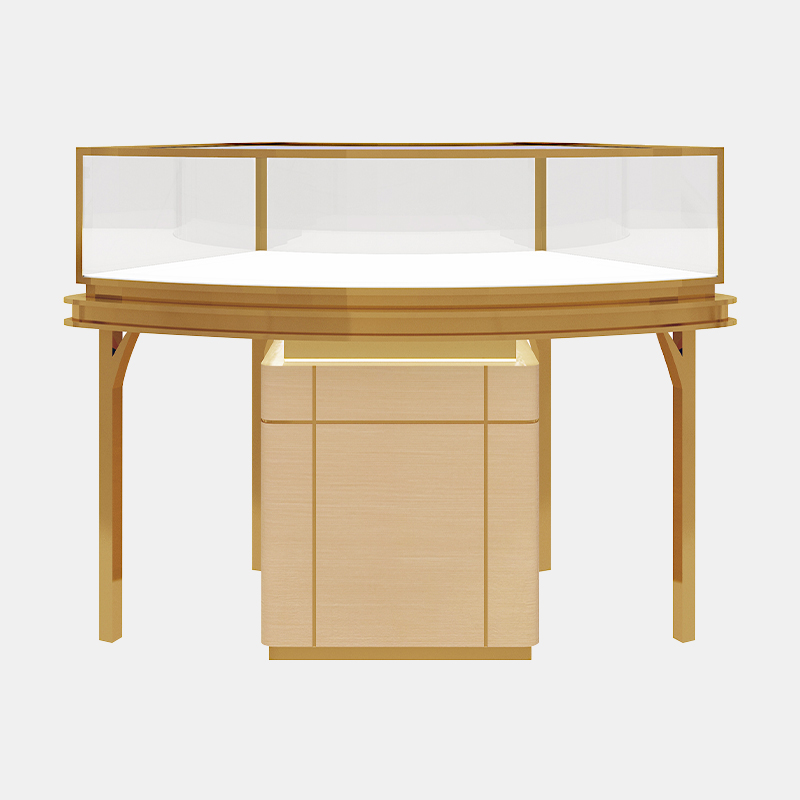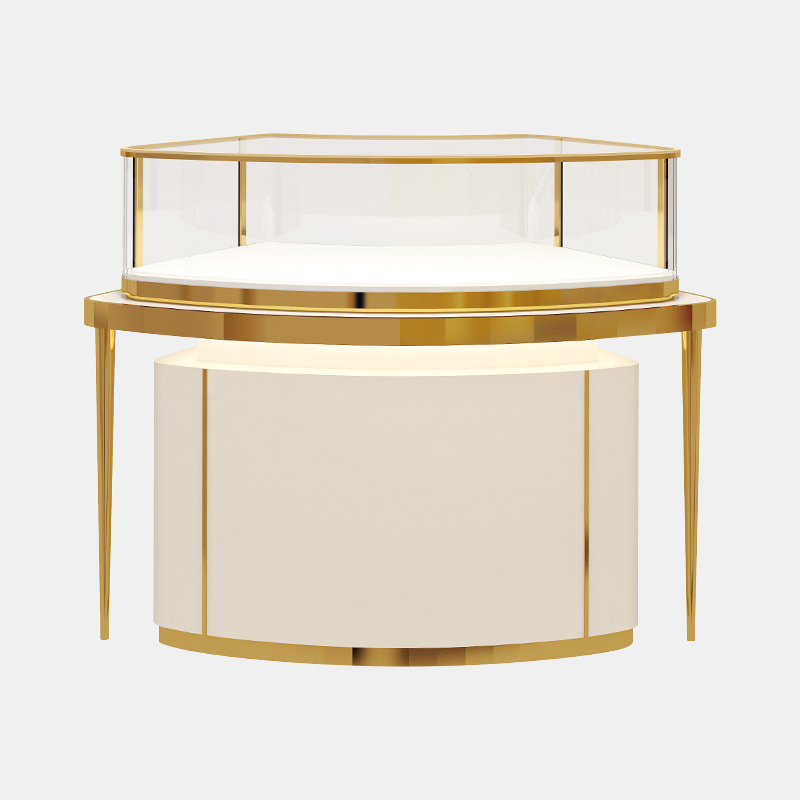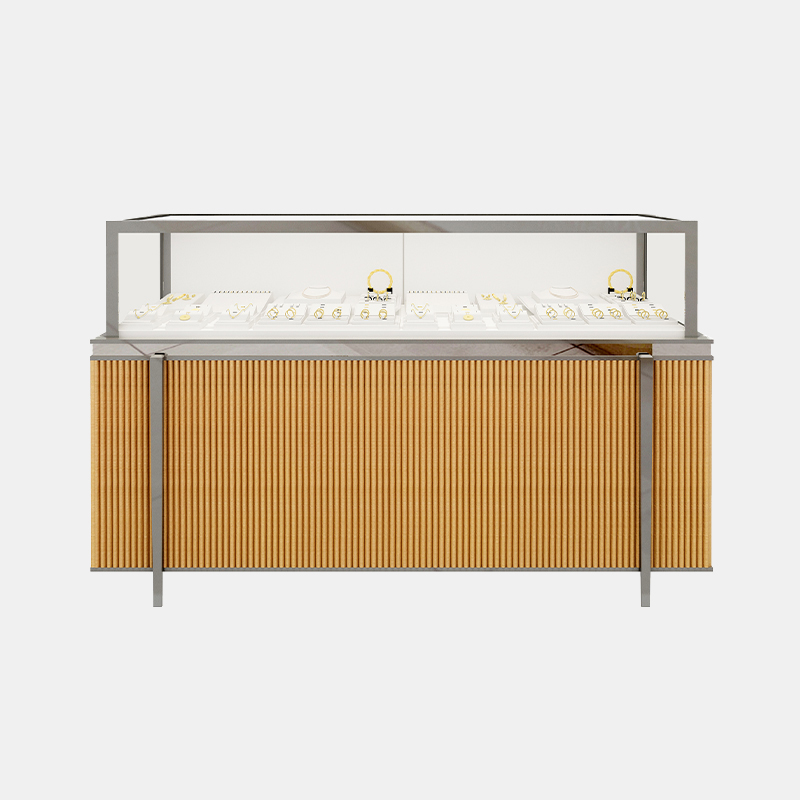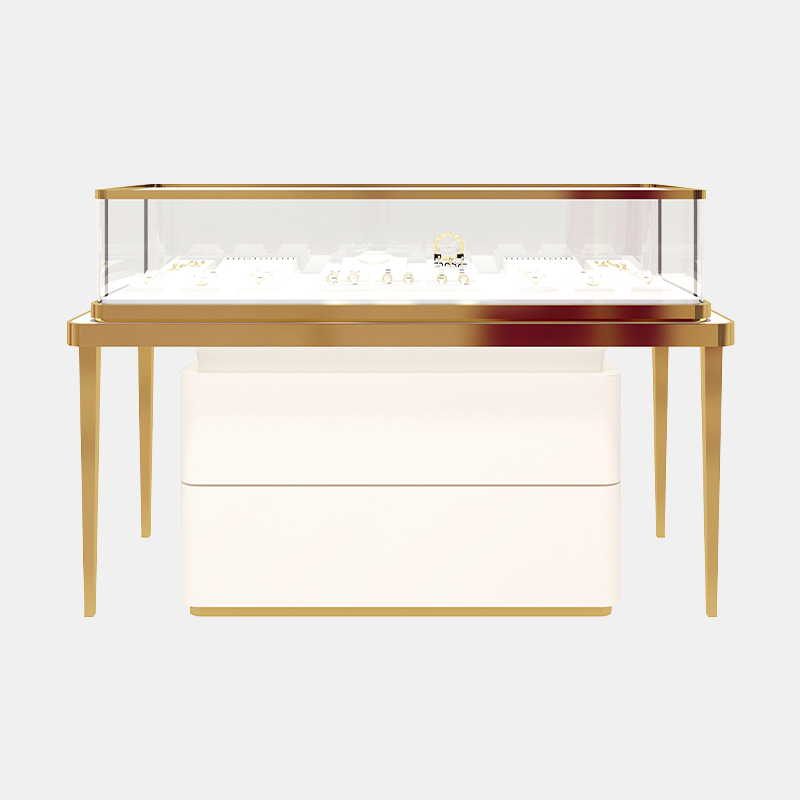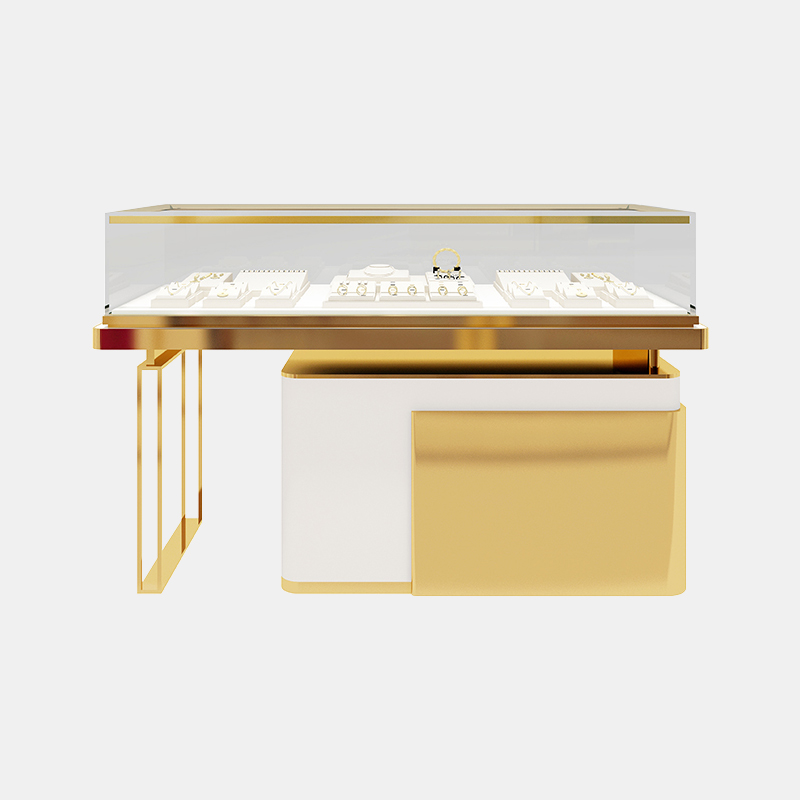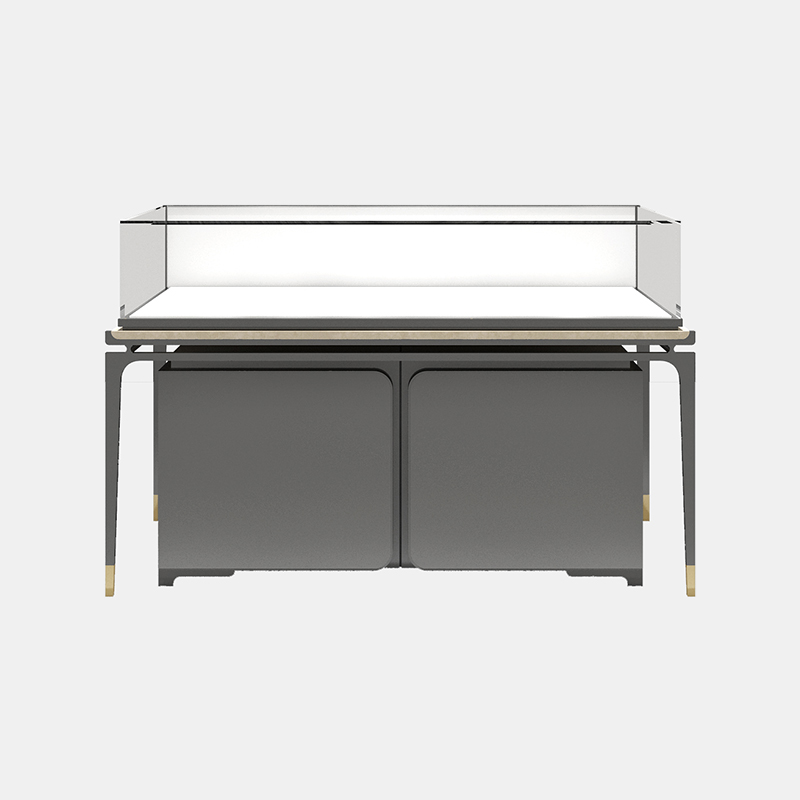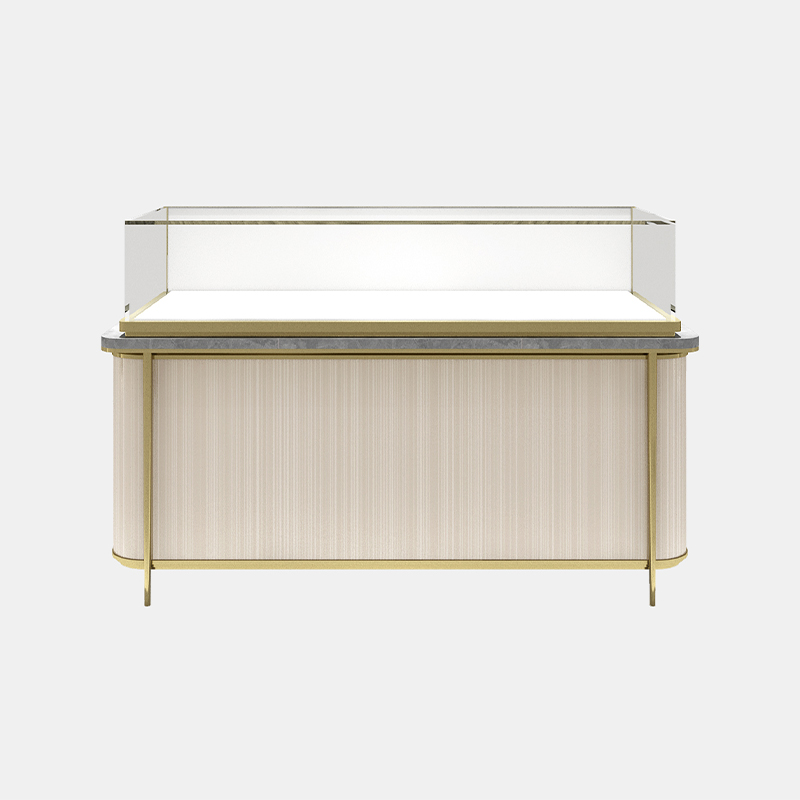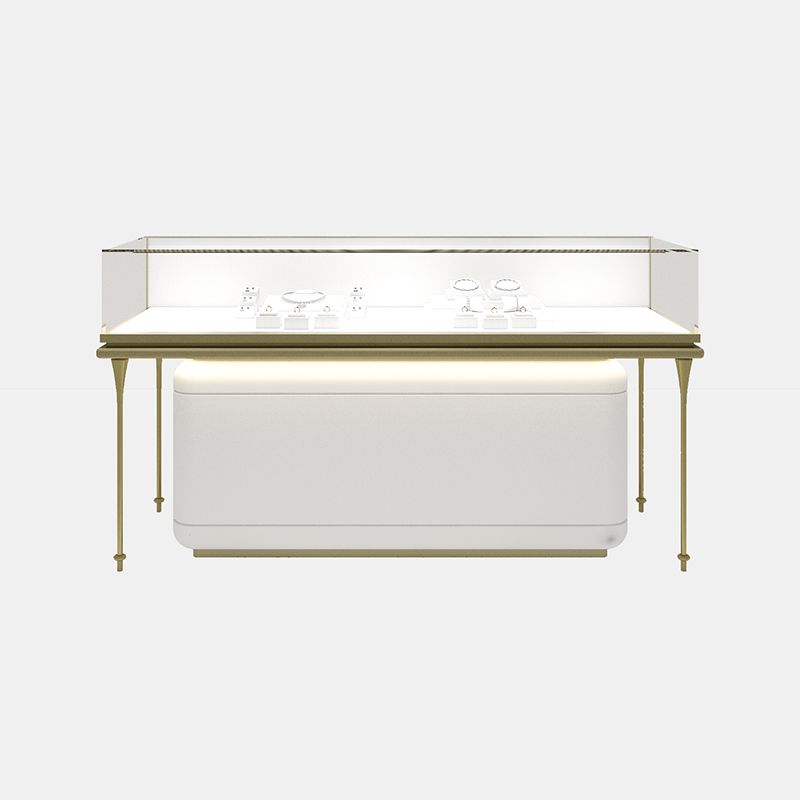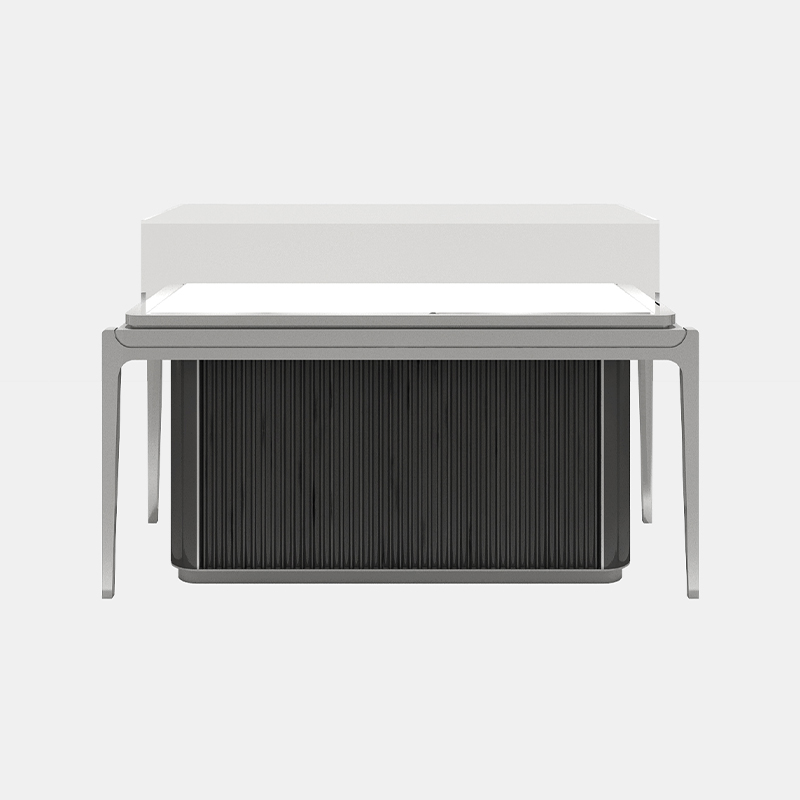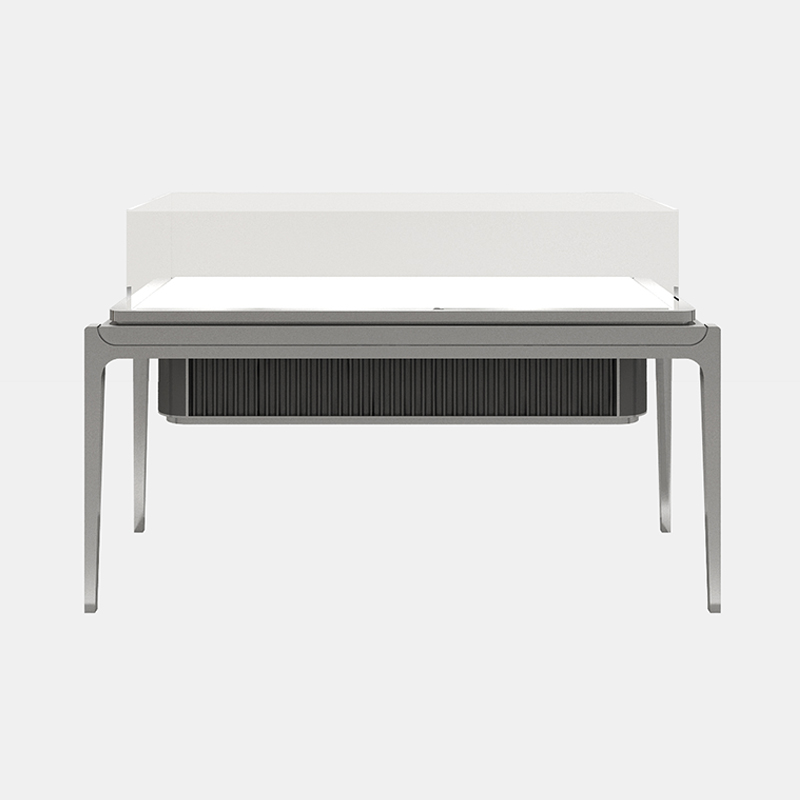
Every purchase in a jewelry or watch store passes through the same gate: the display case. Before a customer touches a ring or tries on a watch, the case has already made the first argument for its value. The right case frames the product, flatters it with light, and keeps it within easy reach—while still protecting it.
The conclusion is straightforward: retail display case design is a sales tool, not a decorative afterthought. When a case is designed around the product and the customer's line of sight, it shortens the distance between “I like it” and “I'll take it.” This guide covers the principles, case types, materials, and practical steps you need before commissioning a custom display case.
Content
Every effective display case is the result of three coordinated decisions: lighting, sight lines, and density. Change any one of them, and you change the shopping experience.
In display lighting practice, warm-white LED strips between 3000 K and 4000 K are the most common specification for jewelry, watches, and cosmetics, because they flatter gold, watch dials, and skin tones alike. A Color Rendering Index of 90 or higher keeps gemstone colors true. The light source should be hidden in the top trim or behind slim vertical pillars, so the product appears to glow from within the case rather than being lit by a visible bulb.
For most adults, the prime viewing band sits between 120 cm and 160 cm from the floor. A counter showcase at 90–110 cm high therefore needs tilted or stepped internal risers to bring the top product row up to eye level. Wall cases apply the same idea at a larger scale: shelves angled slightly upward, or arranged in a shallow staircase, make an entire collection readable at a glance.
Retail design teams commonly reserve about one-fifth of the display surface as negative space. Sparse layouts make each item feel more exclusive and support premium pricing, while denser layouts communicate variety and volume for everyday lines. Decide which message the case must send before the interior layout is drawn, and keep that decision consistent across all fixtures in the store.
Retail display cases fall into four families, and a well-planned store usually combines several. Counter showcases handle the transaction zone, slimline towers add vertical display along walls, wall cases combine perimeter storage with presentation, and island or window cases capture attention at high-traffic points.
| Case type | Typical height | Typical depth | Main role in the store | Common specification |
|---|---|---|---|---|
| Counter showcase | 90–110 cm | 40–50 cm | Transaction counter and customer interaction | Tempered glass, steel or wood frame, inward-tilted shelves |
| Slimline tower | 160–220 cm | 35–45 cm | Vertical display along walls and columns | Glass side panels, adjustable shelves, LED strip |
| Wall display case | 240–350 cm | 45–60 cm | Perimeter storage and collection display | Lockable glass doors, drawers below, interior lighting |
| Island or window case | 60–150 cm | 50–80 cm | Focal point at windows or store center | Curved or straight glass, illuminated base |
Tempered glass is the standard for high-traffic retail cases: it resists scratches, stays optically clear, and breaks into small granules rather than dangerous shards if damaged. Acrylic is lighter and costs less, and it can be thermoformed into smooth curves, but it scratches more easily and may yellow after years of strong lighting. For curved facades, laminated curved glass is the premium, long-lived alternative.
The frame and base carry the structural load and define the brand tone. Powder-coated steel or aluminum suits modern and minimal stores; solid wood or veneer with refined detailing supports heritage jewelry brands; and high-gloss PU paint is a common choice for cosmetics counters. Matching the finish to the brand's actual customer is what makes the difference between a case that fits in and one that stands out.
Behind the aesthetics, a display case is a small system of five components that must work together. The diagram below shows how they come together in a typical jewelry showcase.
Tolerances are where manufacturing quality becomes visible. In a well-built case, the gap between glass and frame stays within about 2 mm, doors close flush without forcing, and every lighting wire runs inside grounded metal channels. These details are invisible in a rendering, but they decide whether the case still operates smoothly after three years of daily opening and closing.
A custom display case project is not a single order; it is a sequence with clear checkpoints. The process below is typical of a commissioned store project.
For a typical store set, design takes about one to two weeks and production three to six weeks, depending on the number of cases and the complexity of the finishes. These timelines should always be confirmed in writing before production starts.
A design is only as good as the factory that delivers it. Rendering software makes every case look perfect on screen; the factory determines whether the proportions are structurally sound, whether the lighting is positioned correctly, and whether the fit and finish survive shipping, installation, and daily use.
Zhejiang Suntop Commercial Display Products Co., Ltd. was founded in 2009. The company integrates design planning, showcase and props production, and interior decoration project management. Its factory covers 25 acres, with a building area of 25,000 square meters and an annual production capacity of 300 projects. The main customer types include jewelry, cosmetics, watches, and museums.
After 16 years in the display industry, Suntop maintains a highly specialized approach: every display space cabinet is made to reflect the customer's brand concept and value. The company has been recognized as a provincial high-tech enterprise and a credit enterprise, and holds relevant industry technology patents that support product quality.
A typical store project takes four to six weeks from approved design to delivery, including production and quality control. Complex finishes may take longer, and the timeline is set in the contract.
Yes. Brands usually share Pantone codes, material samples, or photos; we prepare a matching material sample for approval before production starts.
Tempered glass with a steel or wood frame and a painted or veneer base is the most common durable specification. Interior finishes are chosen to contrast with the jewelry.
Yes. Suntop provides one-stop service from design and production to on-site installation, lighting adjustment, and handover.
It depends on the project type. A single custom store set can be produced from one set onward; multi-store programs receive volume-based pricing and batch scheduling.
Standard cases use LED strips at 3000–4000 K with a CRI of 90+. Color temperature and accent lighting can be adjusted for specific products.


 ਪੰਜਾਬੀ
 English
 عربى
عربى русский
 中文简体
中文简体